
Books, Films & Magazines
Regenerative agriculture has a reading list, a film list and a handful of magazines that farmers keep on the kitchen table. This directory gathers the ones we return to: books that explain how soil works and how US farms are rebuilding it, documentaries that show the practice on real land, and publications that report on grazing, no-till, market gardening and the local food economy month after month.
Every entry links to its own site, publisher or producer, and each one was checked in October 2026. The list leans American, from the Northern Plains to the Hudson Valley, because that is where Ashfount works. Start with whatever matches your question, whether that is a first explanation of soil health or a trade magazine on paddock design.
Books
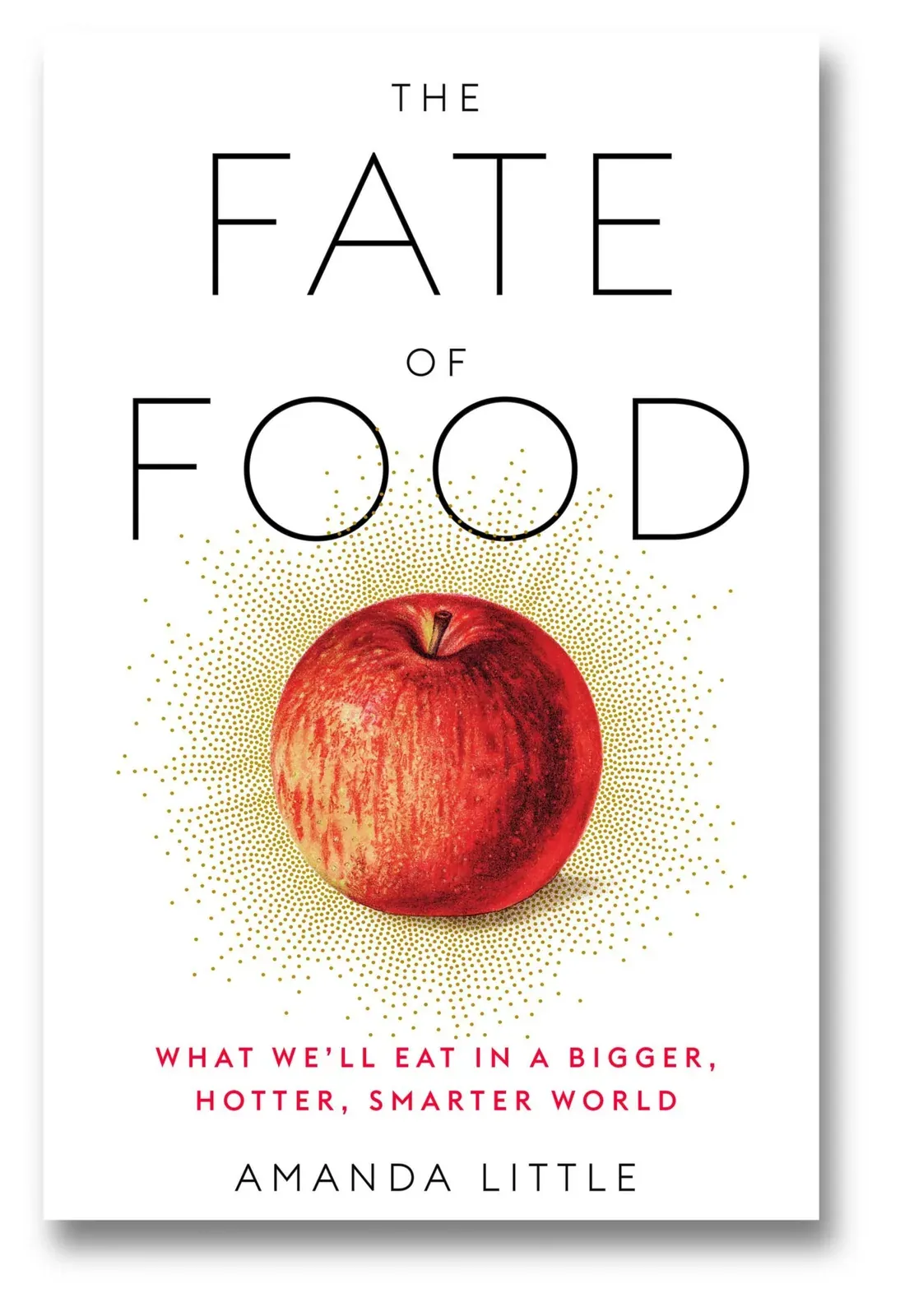 Photo: Amanda Little
The Fate of Food (Amanda Little)Amanda Little, a Vanderbilt University professor and journalist, reports from farms, labs and kitchens on how a hotter, more crowded world will eat. Published by Harmony in 2019, the book covers soil, water, breeding and food technology, and asks which of these paths holds up. A readable survey for anyone weighing regenerative practice against other fixes.Visit site
Photo: Amanda Little
The Fate of Food (Amanda Little)Amanda Little, a Vanderbilt University professor and journalist, reports from farms, labs and kitchens on how a hotter, more crowded world will eat. Published by Harmony in 2019, the book covers soil, water, breeding and food technology, and asks which of these paths holds up. A readable survey for anyone weighing regenerative practice against other fixes.Visit site
 Cover: Chelsea Green Publishing
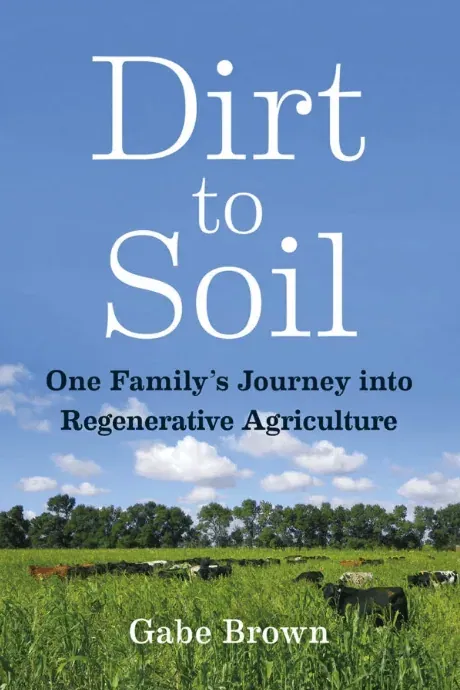
Dirt to Soil (Gabe Brown)Gabe Brown tells how his family turned a conventional grain and cattle operation near Bismarck, North Dakota into a working example of regenerative agriculture: no-till since 1993, diverse cover crops and integrated livestock. Published by Chelsea Green in 2018, it mixes the family's story with practical explanation for farmers, ranchers and curious eaters.Visit site
Cover: Chelsea Green Publishing
Dirt to Soil (Gabe Brown)Gabe Brown tells how his family turned a conventional grain and cattle operation near Bismarck, North Dakota into a working example of regenerative agriculture: no-till since 1993, diverse cover crops and integrated livestock. Published by Chelsea Green in 2018, it mixes the family's story with practical explanation for farmers, ranchers and curious eaters.Visit site
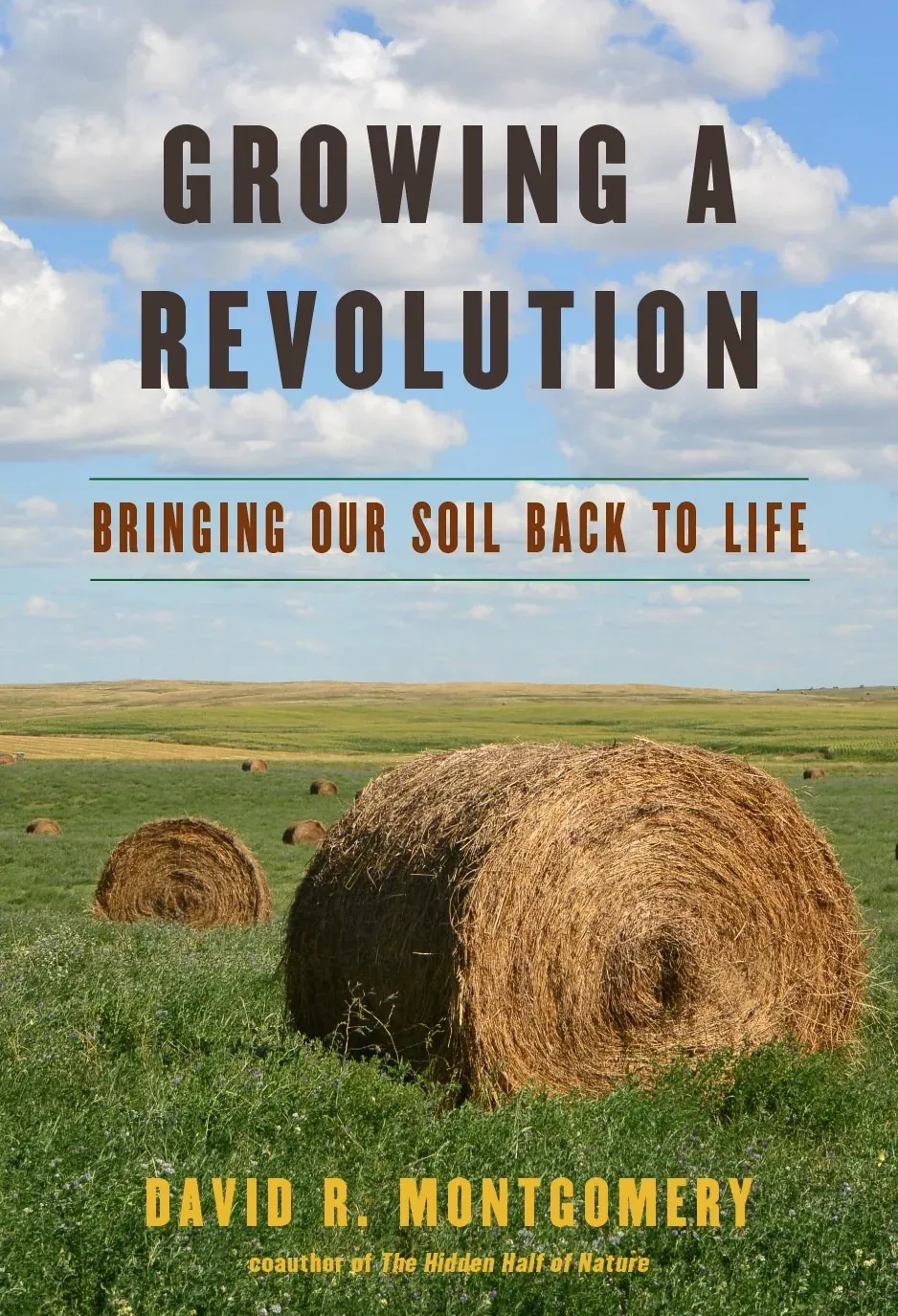 Photo: David R. Montgomery
Growing a Revolution (David R. Montgomery)University of Washington geologist David R. Montgomery visits farms in the United States and abroad that rebuild soil with no-till, cover crops and diverse rotations, and explains the science behind the results. Published by W. W. Norton in 2017 with a paperback in 2018, it was a finalist for the PEN/E. O. Wilson Literary Science Writing Award.Visit site
Photo: David R. Montgomery
Growing a Revolution (David R. Montgomery)University of Washington geologist David R. Montgomery visits farms in the United States and abroad that rebuild soil with no-till, cover crops and diverse rotations, and explains the science behind the results. Published by W. W. Norton in 2017 with a paperback in 2018, it was a finalist for the PEN/E. O. Wilson Literary Science Writing Award.Visit site
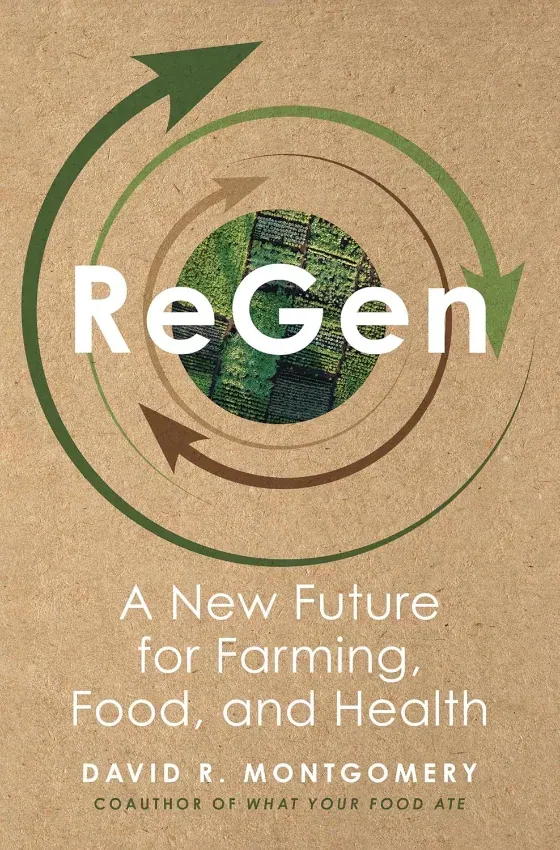 Photo: David R. Montgomery
ReGen: A New Future for Farming, Food, and Health (David R. Montgomery)Montgomery's newest book, published by W. W. Norton on 4 August 2026, draws on a decade of visits to farmers who restore degraded land and argues that soil-building agriculture is the practical answer to farm, food and health problems at once. It closes with ten policy proposals, from support for young farmers to a national network of demonstration farms.Visit site
Photo: David R. Montgomery
ReGen: A New Future for Farming, Food, and Health (David R. Montgomery)Montgomery's newest book, published by W. W. Norton on 4 August 2026, draws on a decade of visits to farmers who restore degraded land and argues that soil-building agriculture is the practical answer to farm, food and health problems at once. It closes with ten policy proposals, from support for young farmers to a national network of demonstration farms.Visit site
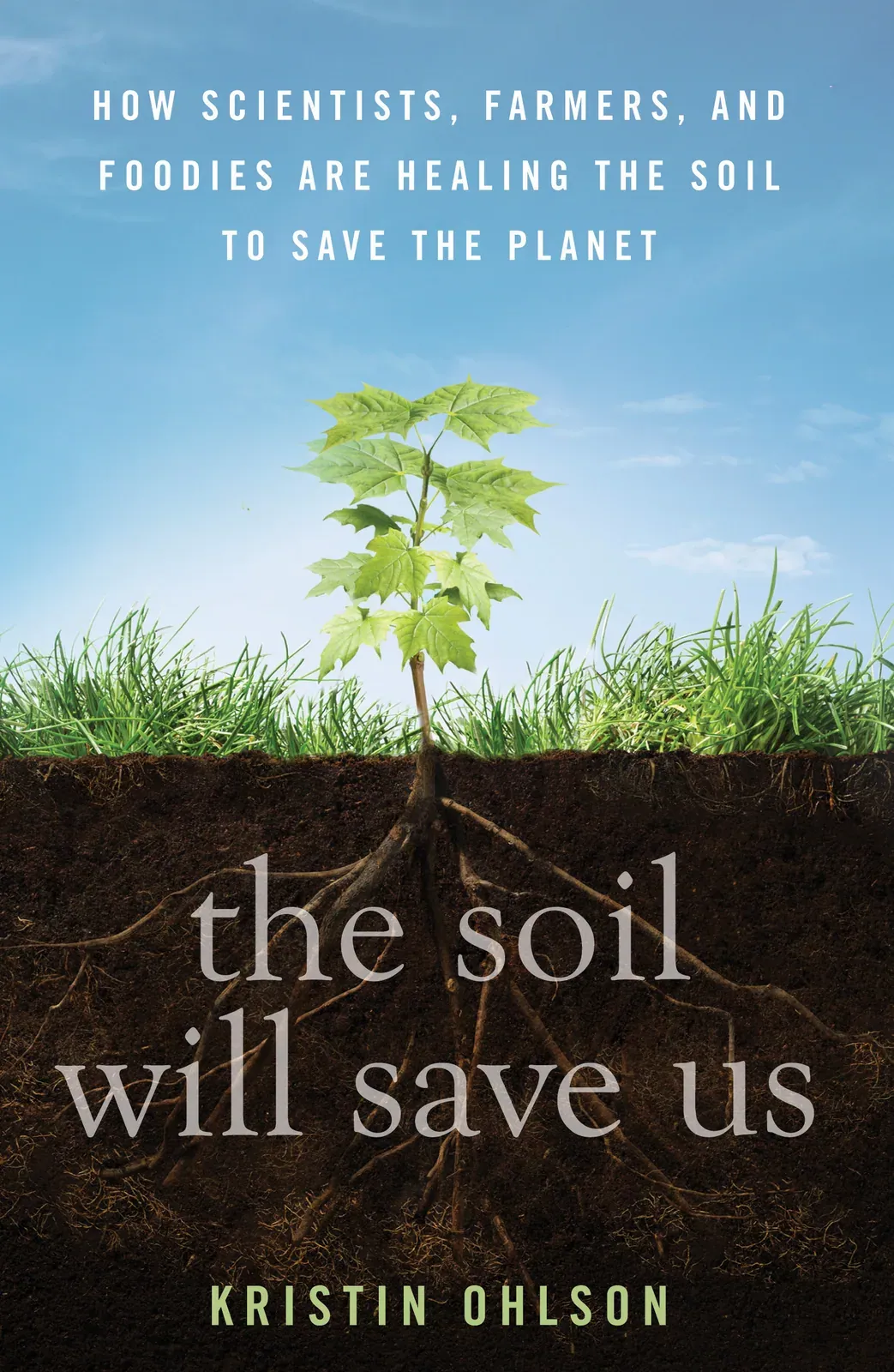 Photo: Rodale Books (Penguin Random House)
The Soil Will Save Us (Kristin Ohlson)Journalist Kristin Ohlson follows scientists, ranchers and chefs who rebuild soil carbon, from North Dakota and Vermont to Zimbabwe and Australia, and lays out the case that healthy soil is a climate tool as well as a farming one. Published by Rodale in 2014, it remains a short, friendly first read for people new to the idea.Visit site
Photo: Rodale Books (Penguin Random House)
The Soil Will Save Us (Kristin Ohlson)Journalist Kristin Ohlson follows scientists, ranchers and chefs who rebuild soil carbon, from North Dakota and Vermont to Zimbabwe and Australia, and lays out the case that healthy soil is a climate tool as well as a farming one. Published by Rodale in 2014, it remains a short, friendly first read for people new to the idea.Visit site
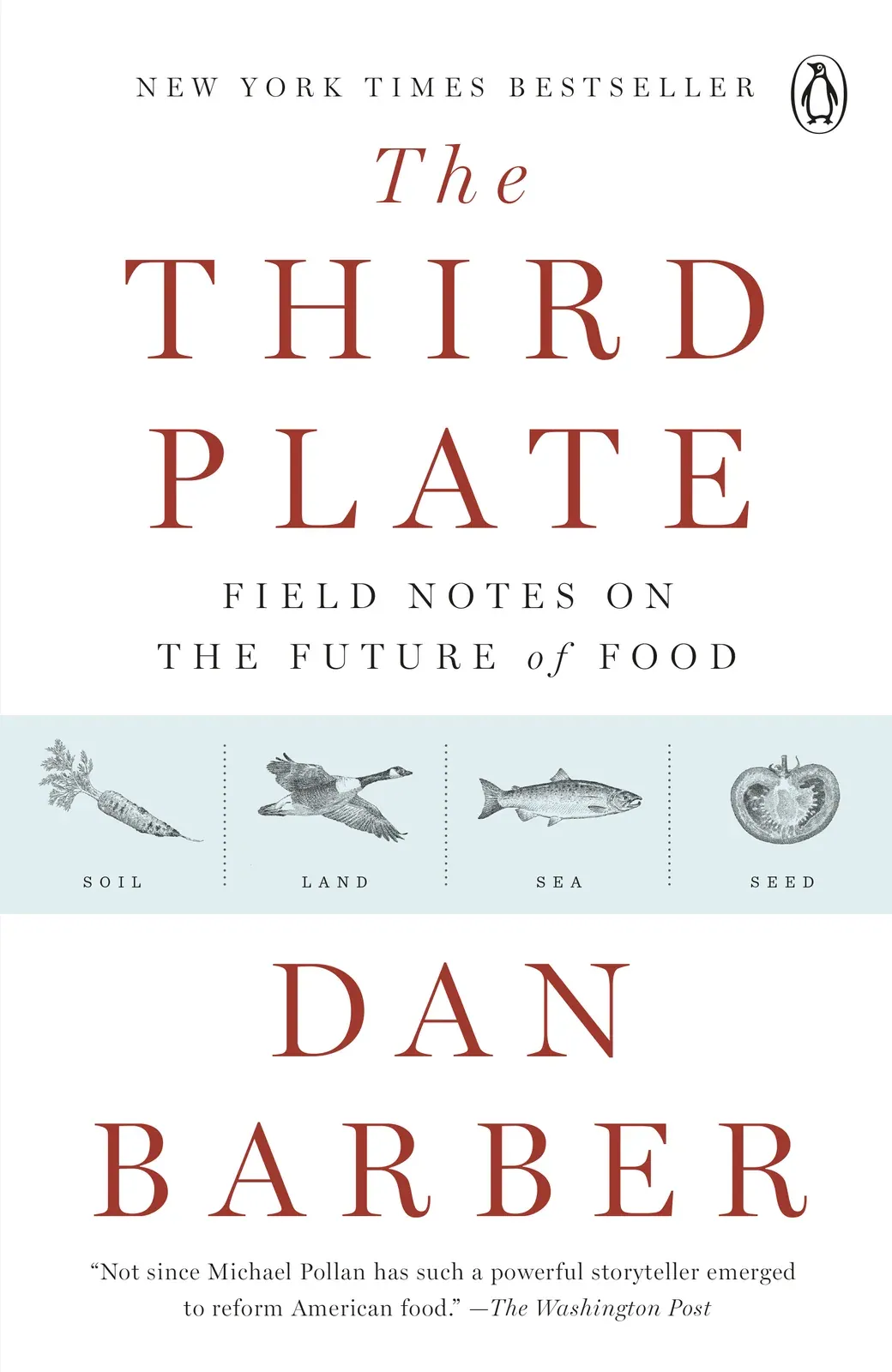 Photo: Penguin Books (Penguin Random House)
The Third Plate (Dan Barber)Chef Dan Barber of Blue Hill at Stone Barns argues that a menu built around whole farm systems, grains, rotations and lesser cuts, does more for soil and flavor than farm to table alone. Published by Penguin Press in 2014 with a Penguin paperback in 2015, it links regenerative farming to what ends up on the plate.Visit site
Photo: Penguin Books (Penguin Random House)
The Third Plate (Dan Barber)Chef Dan Barber of Blue Hill at Stone Barns argues that a menu built around whole farm systems, grains, rotations and lesser cuts, does more for soil and flavor than farm to table alone. Published by Penguin Press in 2014 with a Penguin paperback in 2015, it links regenerative farming to what ends up on the plate.Visit site
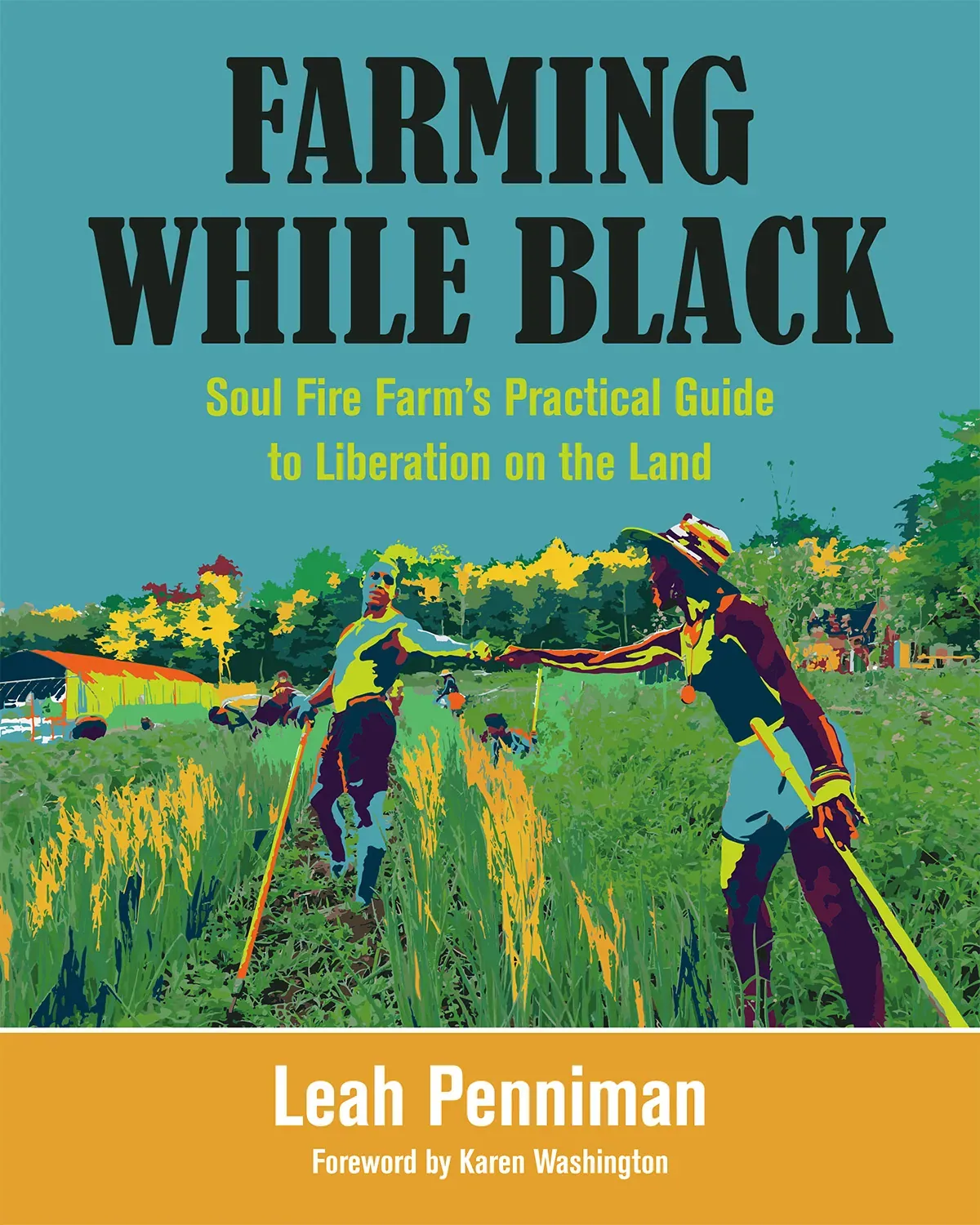 Photo: Leah Penniman / Soul Fire Farm
Farming While Black (Leah Penniman)Leah Penniman, cofounder of Soul Fire Farm in upstate New York, writes a practical manual for small-scale farming for people of African heritage, covering soil building, crop planning, seed keeping, livestock, tools and the history of Black land loss. Published by Chelsea Green in 2018 with a foreword by Karen Washington.Visit site
Photo: Leah Penniman / Soul Fire Farm
Farming While Black (Leah Penniman)Leah Penniman, cofounder of Soul Fire Farm in upstate New York, writes a practical manual for small-scale farming for people of African heritage, covering soil building, crop planning, seed keeping, livestock, tools and the history of Black land loss. Published by Chelsea Green in 2018 with a foreword by Karen Washington.Visit site
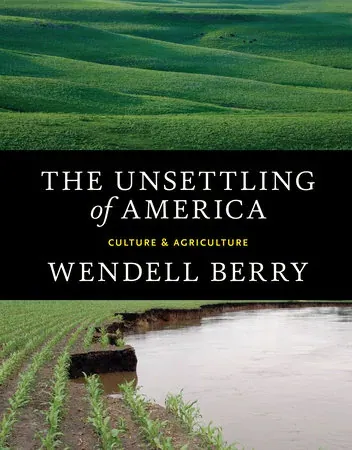 Cover: Counterpoint Press
The Unsettling of America (Wendell Berry)Wendell Berry's 1977 critique of industrial agriculture, written from his farm in Henry County, Kentucky, argues that how a country farms shapes its culture, communities and character. Counterpoint keeps it in print in a 2015 paperback. Berry died on 31 August 2026, and Civil Eats marked the book's influence in October 2026 with a feature on his daughter Mary Berry.Visit site
Cover: Counterpoint Press
The Unsettling of America (Wendell Berry)Wendell Berry's 1977 critique of industrial agriculture, written from his farm in Henry County, Kentucky, argues that how a country farms shapes its culture, communities and character. Counterpoint keeps it in print in a 2015 paperback. Berry died on 31 August 2026, and Civil Eats marked the book's influence in October 2026 with a feature on his daughter Mary Berry.Visit site
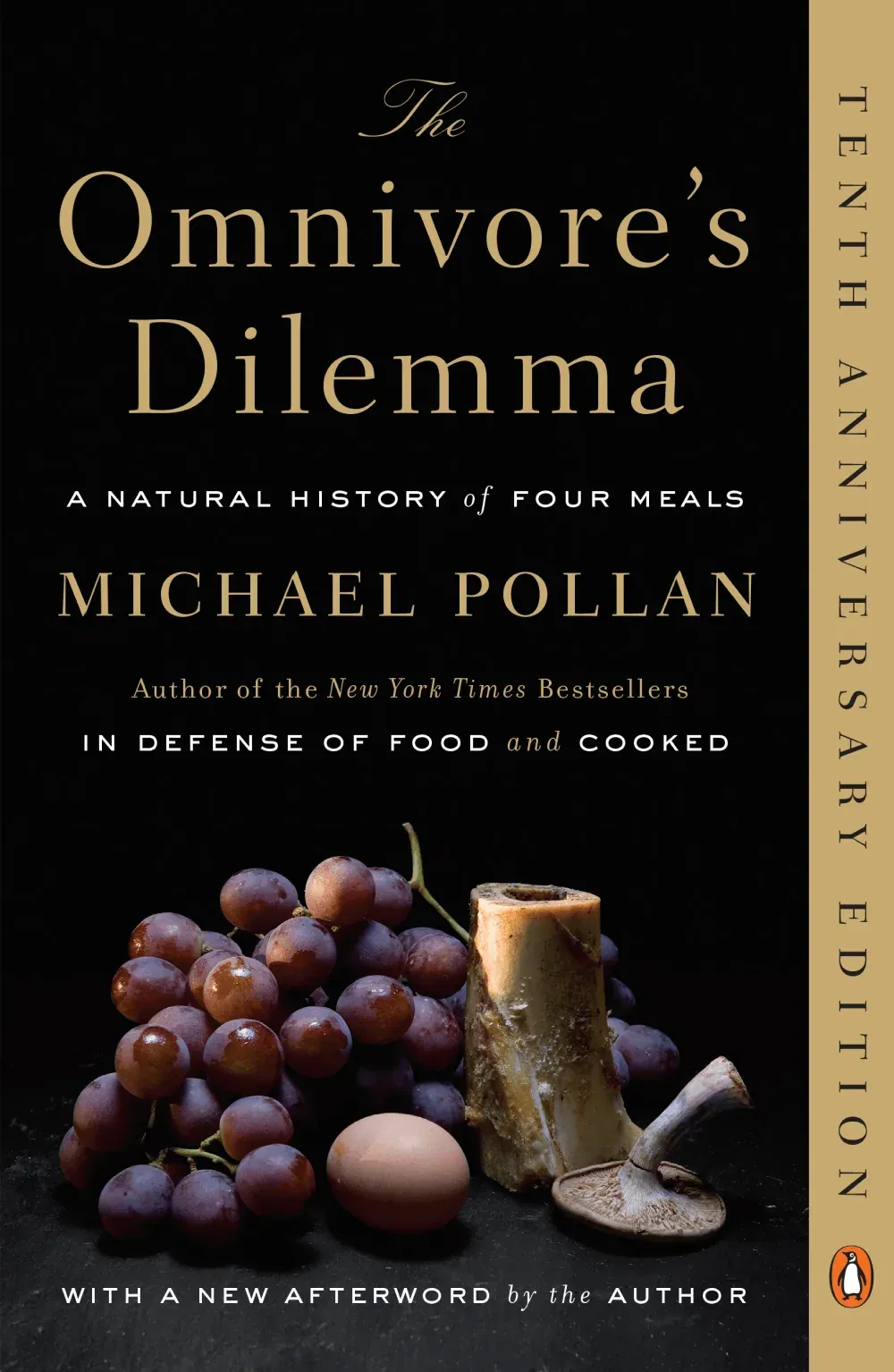 Photo: Michael Pollan
The Omnivore's Dilemma (Michael Pollan)Michael Pollan traces four meals back to their sources: industrial corn, big organic, a grass-based farm in Virginia's Shenandoah Valley, and food he hunts and gathers himself. Published by Penguin Press in 2006, it introduces a wide US readership to pasture-based farming through Joel Salatin's Polyface Farm and remains a starting point for the local food conversation.Visit site
Photo: Michael Pollan
The Omnivore's Dilemma (Michael Pollan)Michael Pollan traces four meals back to their sources: industrial corn, big organic, a grass-based farm in Virginia's Shenandoah Valley, and food he hunts and gathers himself. Published by Penguin Press in 2006, it introduces a wide US readership to pasture-based farming through Joel Salatin's Polyface Farm and remains a starting point for the local food conversation.Visit site
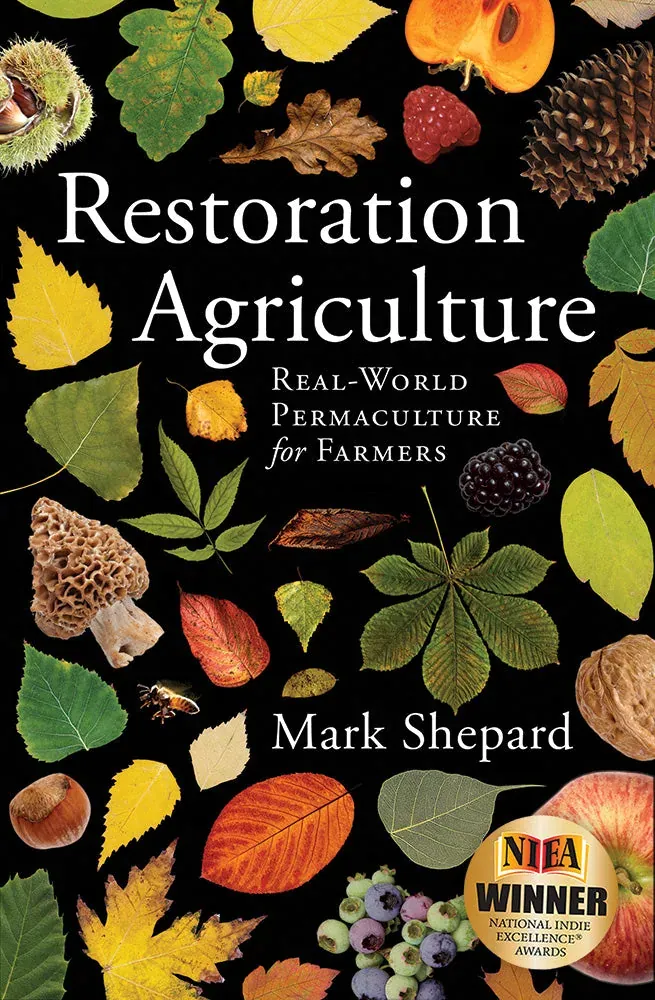 Photo: Acres U.S.A.
Restoration Agriculture (Mark Shepard)Mark Shepard describes how he turned a worn-out corn farm in Wisconsin into New Forest Farm, a perennial system of chestnuts, hazelnuts, apples and grazed alleys modeled on the oak savanna. Published by Acres U.S.A. in 2013, the book lays out the design, water management and economics for farmers who want to grow staple crops on trees and shrubs.Visit site
Photo: Acres U.S.A.
Restoration Agriculture (Mark Shepard)Mark Shepard describes how he turned a worn-out corn farm in Wisconsin into New Forest Farm, a perennial system of chestnuts, hazelnuts, apples and grazed alleys modeled on the oak savanna. Published by Acres U.S.A. in 2013, the book lays out the design, water management and economics for farmers who want to grow staple crops on trees and shrubs.Visit site
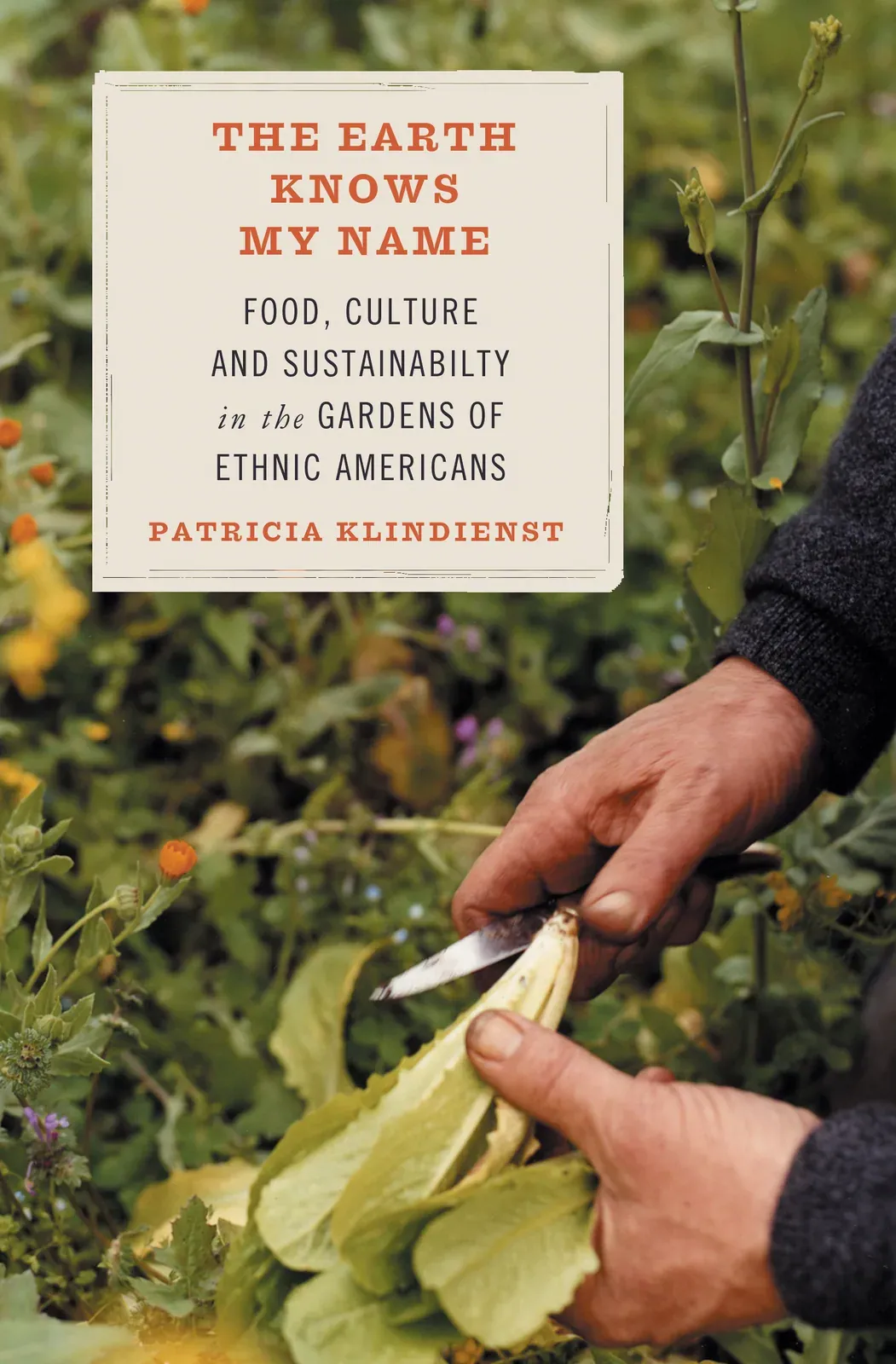 Photo: Beacon Press
The Earth Knows My Name (Patricia Klindienst)Patricia Klindienst visits gardens kept by Native Americans, immigrants from Asia and Europe, Hispanic families of the Rio Grande Valley and Gullah gardeners of South Carolina's Sea Islands, and records how seeds, soil and food carry a culture across generations. Published by Beacon Press, with the paperback dated April 2007, it won an American Book Award in 2007.Visit site
Photo: Beacon Press
The Earth Knows My Name (Patricia Klindienst)Patricia Klindienst visits gardens kept by Native Americans, immigrants from Asia and Europe, Hispanic families of the Rio Grande Valley and Gullah gardeners of South Carolina's Sea Islands, and records how seeds, soil and food carry a culture across generations. Published by Beacon Press, with the paperback dated April 2007, it won an American Book Award in 2007.Visit site
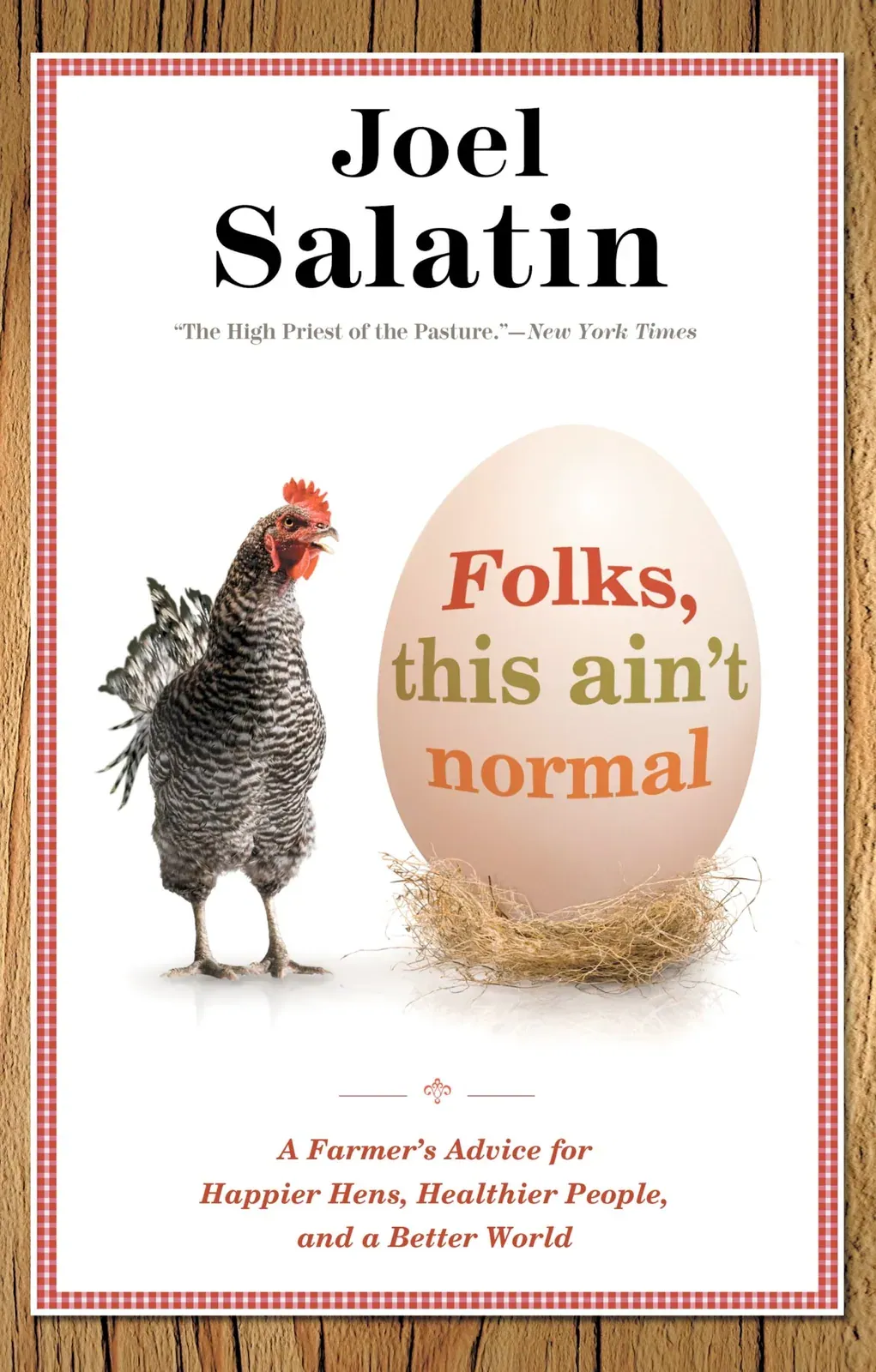 Photo: Center Street (Hachette Book Group)
Folks, This Ain't Normal (Joel Salatin)Joel Salatin of Polyface Farm in Virginia's Shenandoah Valley argues that much of modern life, from how food is raised to how children spend their days, has drifted far from anything normal, and offers practical and philosophical ways back toward the land. Published by Center Street in October 2011, with a trade paperback in October 2012.Visit site
Photo: Center Street (Hachette Book Group)
Folks, This Ain't Normal (Joel Salatin)Joel Salatin of Polyface Farm in Virginia's Shenandoah Valley argues that much of modern life, from how food is raised to how children spend their days, has drifted far from anything normal, and offers practical and philosophical ways back toward the land. Published by Center Street in October 2011, with a trade paperback in October 2012.Visit site
Films
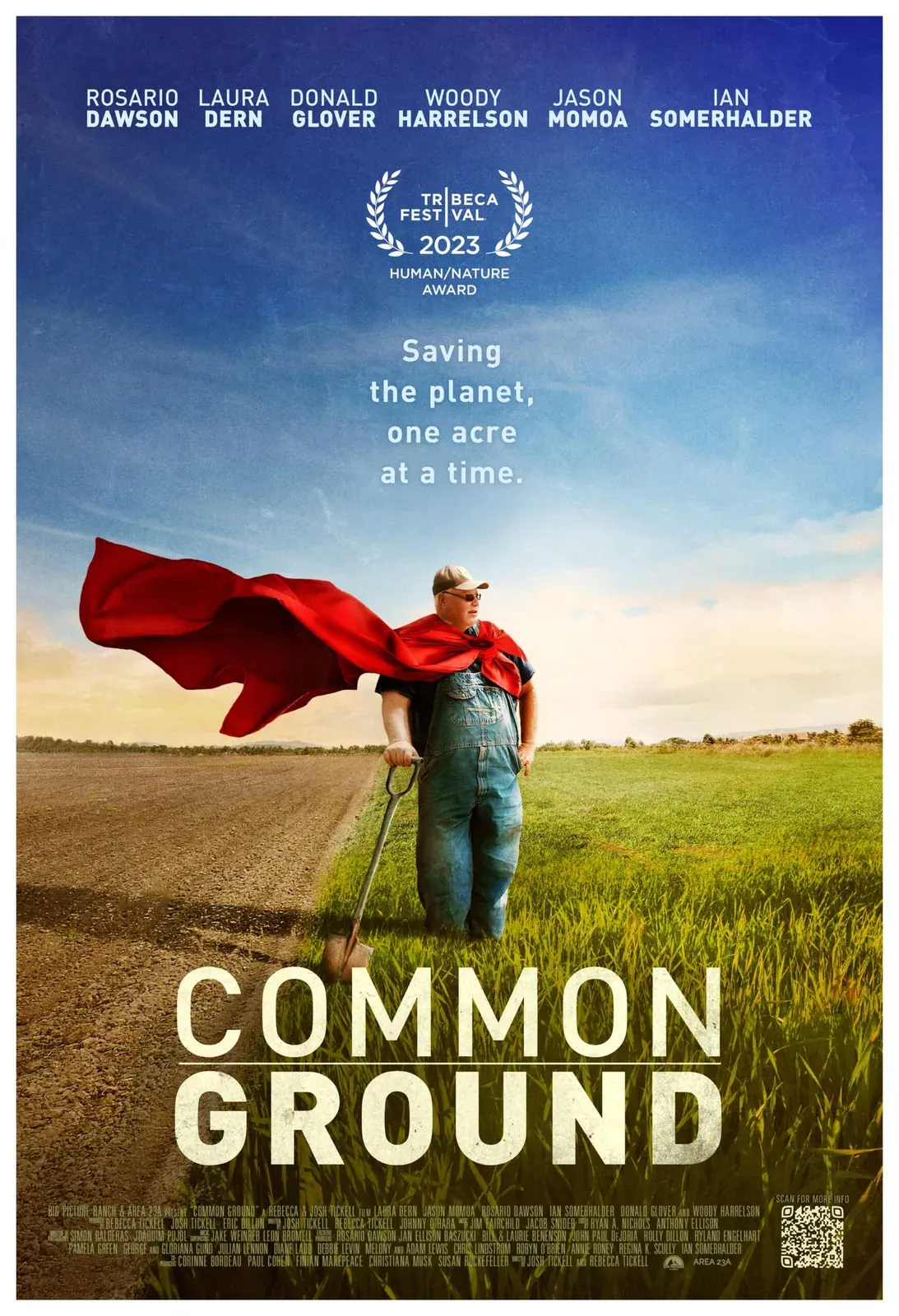 Photo: Big Picture Ranch
Common Ground (2023)Josh and Rebecca Tickell's follow-up to Kiss the Ground premiered at Tribeca in 2023, where it won the Human/Nature Award, and streams worldwide on Prime Video since Earth Day 2025. It follows farmers including Gabe Brown alongside scientists and advocates, and pairs the film with the One Billion Acres pledge for regenerative land by 2030.Visit site
Photo: Big Picture Ranch
Common Ground (2023)Josh and Rebecca Tickell's follow-up to Kiss the Ground premiered at Tribeca in 2023, where it won the Human/Nature Award, and streams worldwide on Prime Video since Earth Day 2025. It follows farmers including Gabe Brown alongside scientists and advocates, and pairs the film with the One Billion Acres pledge for regenerative land by 2030.Visit site
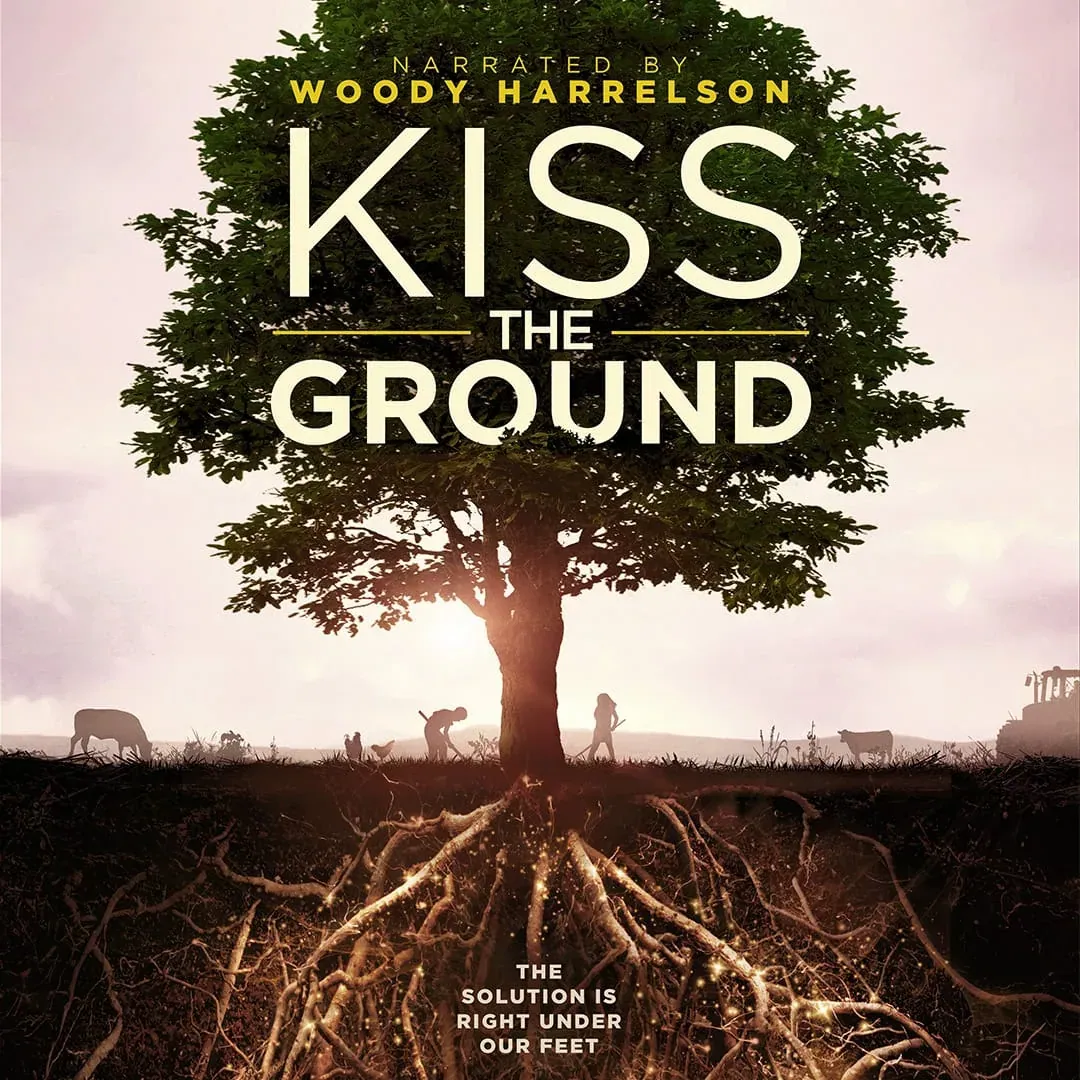 Photo: Big Picture Ranch
Kiss the Ground (2020)The 2020 documentary by Josh and Rebecca Tickell, narrated by Woody Harrelson, presents soil restoration as a way to draw down atmospheric carbon, restore ecosystems and increase food supply. It visits farmers, scientists and policy makers and streams on Amazon Prime Video. The link goes to the producers' page at Big Picture Ranch, which also made Common Ground and Groundswell.Visit site
Photo: Big Picture Ranch
Kiss the Ground (2020)The 2020 documentary by Josh and Rebecca Tickell, narrated by Woody Harrelson, presents soil restoration as a way to draw down atmospheric carbon, restore ecosystems and increase food supply. It visits farmers, scientists and policy makers and streams on Amazon Prime Video. The link goes to the producers' page at Big Picture Ranch, which also made Common Ground and Groundswell.Visit site
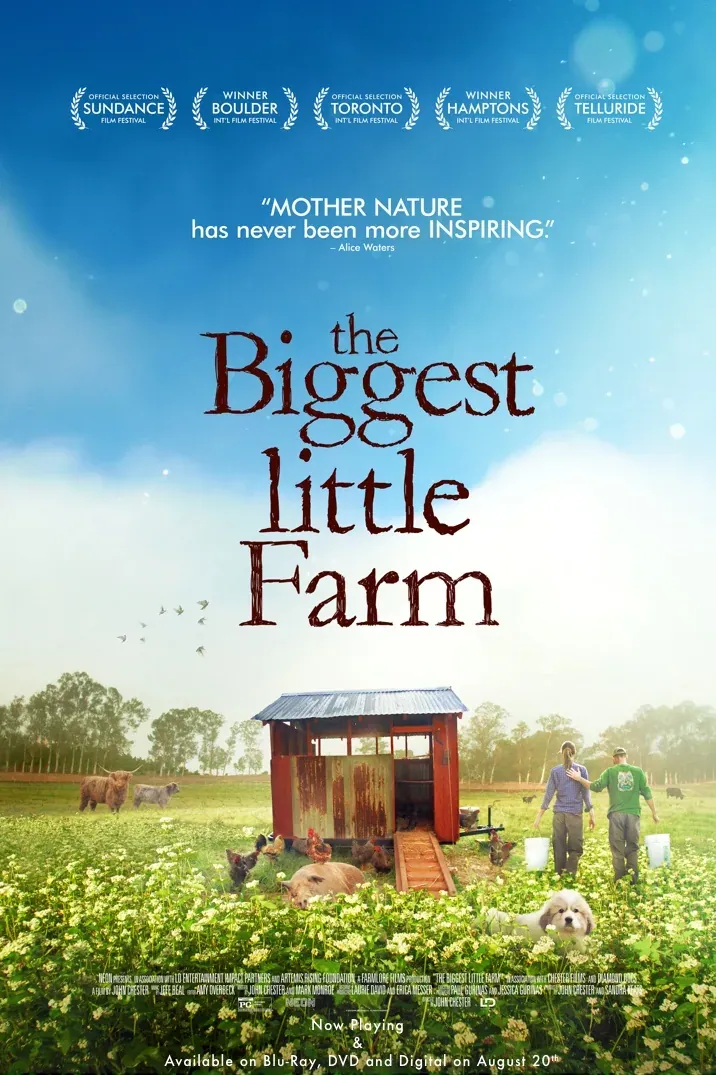 Photo: NEON
The Biggest Little Farm (2019)John Chester's 2019 documentary, released by NEON, follows him and Molly Chester as they turn a depleted property in Moorpark, California into Apricot Lane Farms, a diverse orchard, pasture and livestock operation built on biodiversity. Coyotes, wildfire and drought test the plan. It premiered at Telluride in 2018 and opened in US cinemas in May 2019.Visit site
Photo: NEON
The Biggest Little Farm (2019)John Chester's 2019 documentary, released by NEON, follows him and Molly Chester as they turn a depleted property in Moorpark, California into Apricot Lane Farms, a diverse orchard, pasture and livestock operation built on biodiversity. Coyotes, wildfire and drought test the plan. It premiered at Telluride in 2018 and opened in US cinemas in May 2019.Visit site
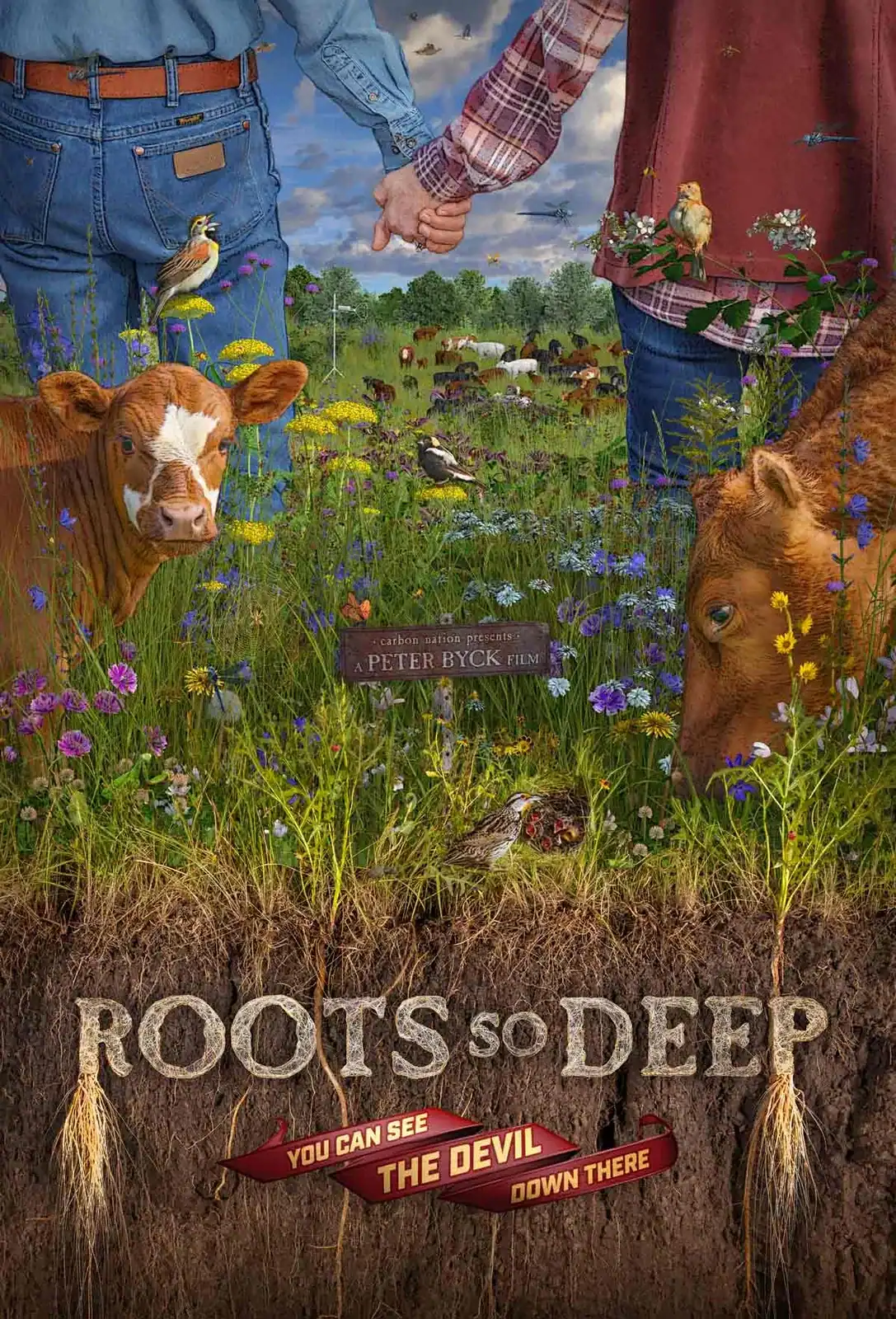 Photo: Peter Byck / carbon nation
Roots So Deep (You Can See the Devil Down There)Peter Byck's four-part series, available to rent and stream online, pairs adaptive multi-paddock cattle farmers in the southeastern United States with their conventional neighbors across the fence, while a team of scientists measures soil, insects, birds, microbes, greenhouse gases and water on both sides. The site lists the peer-reviewed papers from the study, the latest from March 2026.Visit site
Photo: Peter Byck / carbon nation
Roots So Deep (You Can See the Devil Down There)Peter Byck's four-part series, available to rent and stream online, pairs adaptive multi-paddock cattle farmers in the southeastern United States with their conventional neighbors across the fence, while a team of scientists measures soil, insects, birds, microbes, greenhouse gases and water on both sides. The site lists the peer-reviewed papers from the study, the latest from March 2026.Visit site
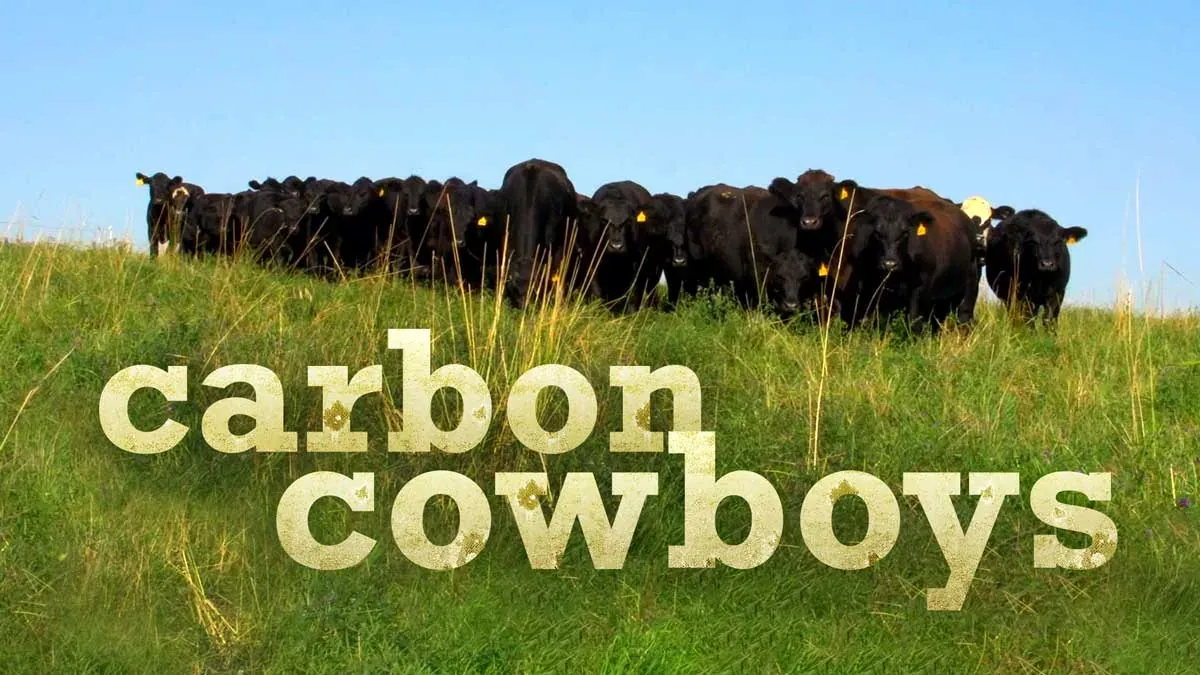 Photo: Peter Byck / carbon nation
Carbon CowboysPeter Byck's series of eleven short films visits ranchers who practice adaptive multi-paddock grazing: cattle moved often through small paddocks in the manner of bison herds, building soil without synthetic inputs. Segments were filmed in Mississippi, North Dakota, Georgia, Kansas, Missouri, Texas, South Carolina and New Mexico, with others in Canada and the UK. Each plays free on the site.Visit site
Photo: Peter Byck / carbon nation
Carbon CowboysPeter Byck's series of eleven short films visits ranchers who practice adaptive multi-paddock grazing: cattle moved often through small paddocks in the manner of bison herds, building soil without synthetic inputs. Segments were filmed in Mississippi, North Dakota, Georgia, Kansas, Missouri, Texas, South Carolina and New Mexico, with others in Canada and the UK. Each plays free on the site.Visit site
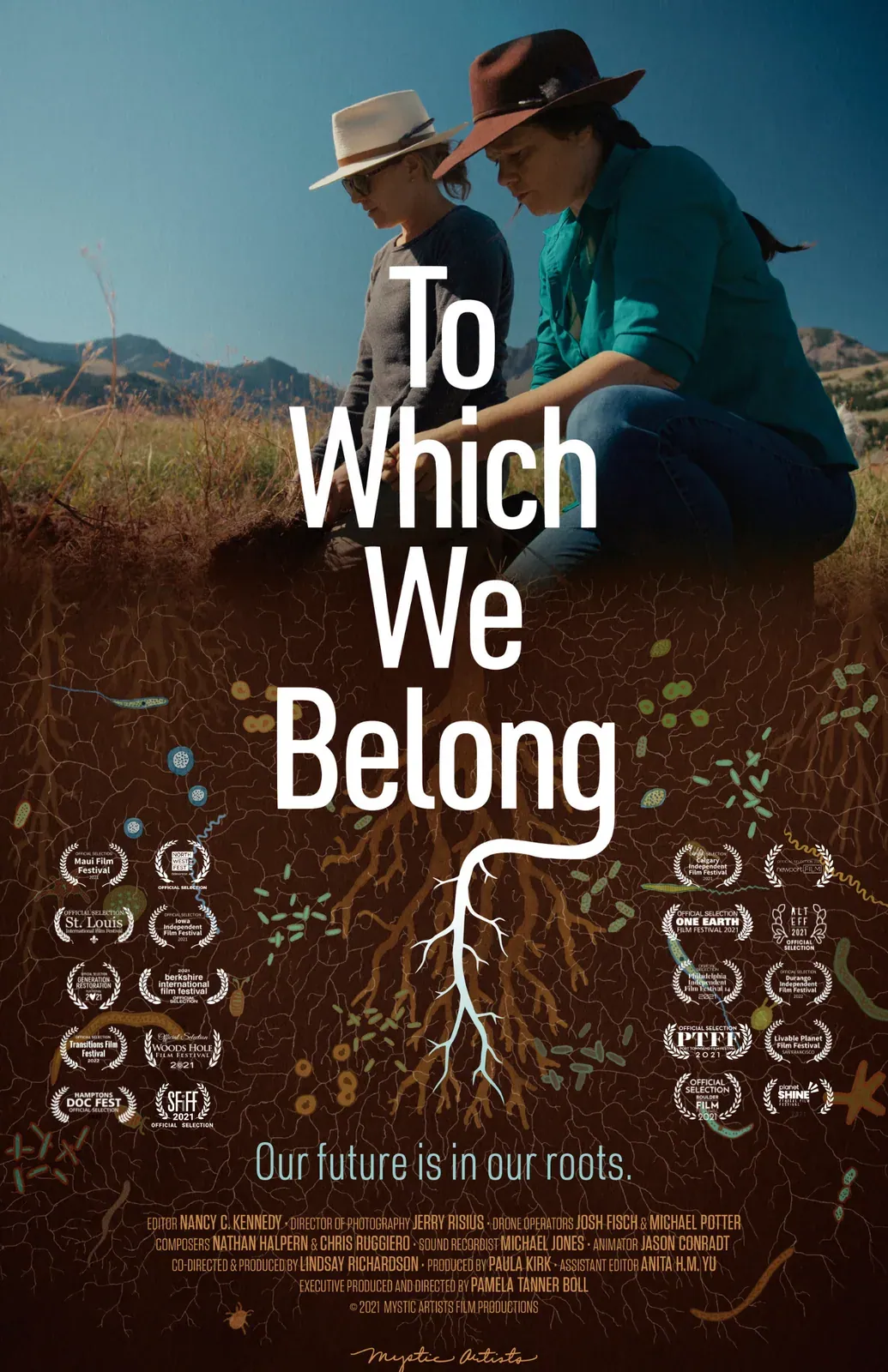 Photo: Mystic Artists Film Productions
To Which We Belong (2021)Pamela Tanner Boll and Lindsay Richardson's 2021 documentary takes its title from Aldo Leopold and profiles farmers and ranchers who rebuild soil, water and wildlife, including Harborview Farms, Anderson Ranch and the Enonkishu Conservancy in Kenya. It streams on Apple TV, Amazon, Google Play, Vimeo and YouTube and lists the Savory Institute among its partners.Visit site
Photo: Mystic Artists Film Productions
To Which We Belong (2021)Pamela Tanner Boll and Lindsay Richardson's 2021 documentary takes its title from Aldo Leopold and profiles farmers and ranchers who rebuild soil, water and wildlife, including Harborview Farms, Anderson Ranch and the Enonkishu Conservancy in Kenya. It streams on Apple TV, Amazon, Google Play, Vimeo and YouTube and lists the Savory Institute among its partners.Visit site
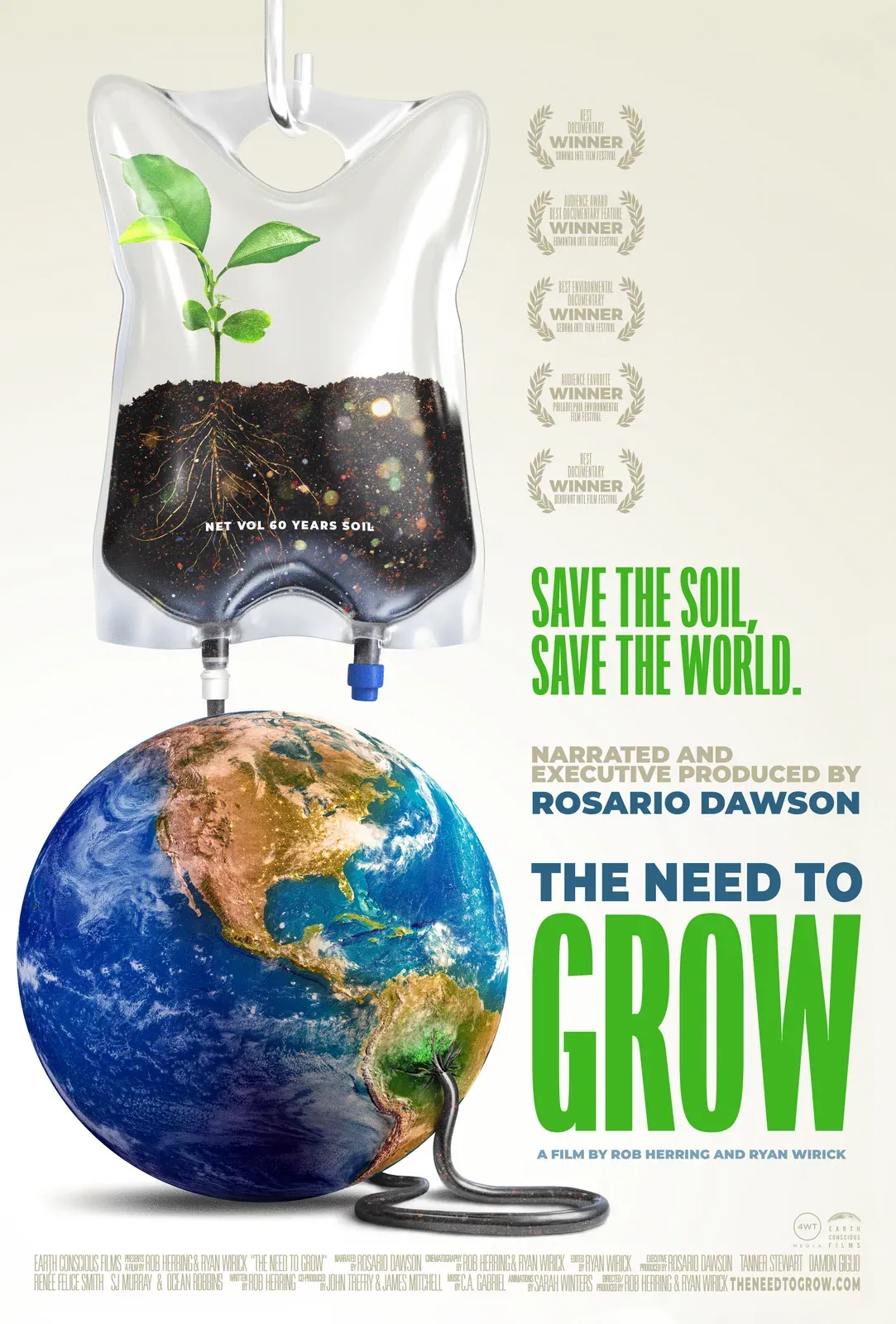 Photo: Earth Conscious Films
The Need to GROW (2019)Rob Herring and Ryan Wirick's 2019 documentary, narrated and executive produced by Rosario Dawson, follows an eight-year-old girl, a regenerative urban farmer and an inventor, framed by the warning that farmable topsoil is running out. It won the Environmental Voice Arts Award, streams on Vimeo On Demand worldwide with subtitles and sells digitally on Amazon in the US.Visit site
Photo: Earth Conscious Films
The Need to GROW (2019)Rob Herring and Ryan Wirick's 2019 documentary, narrated and executive produced by Rosario Dawson, follows an eight-year-old girl, a regenerative urban farmer and an inventor, framed by the warning that farmable topsoil is running out. It won the Environmental Voice Arts Award, streams on Vimeo On Demand worldwide with subtitles and sells digitally on Amazon in the US.Visit site
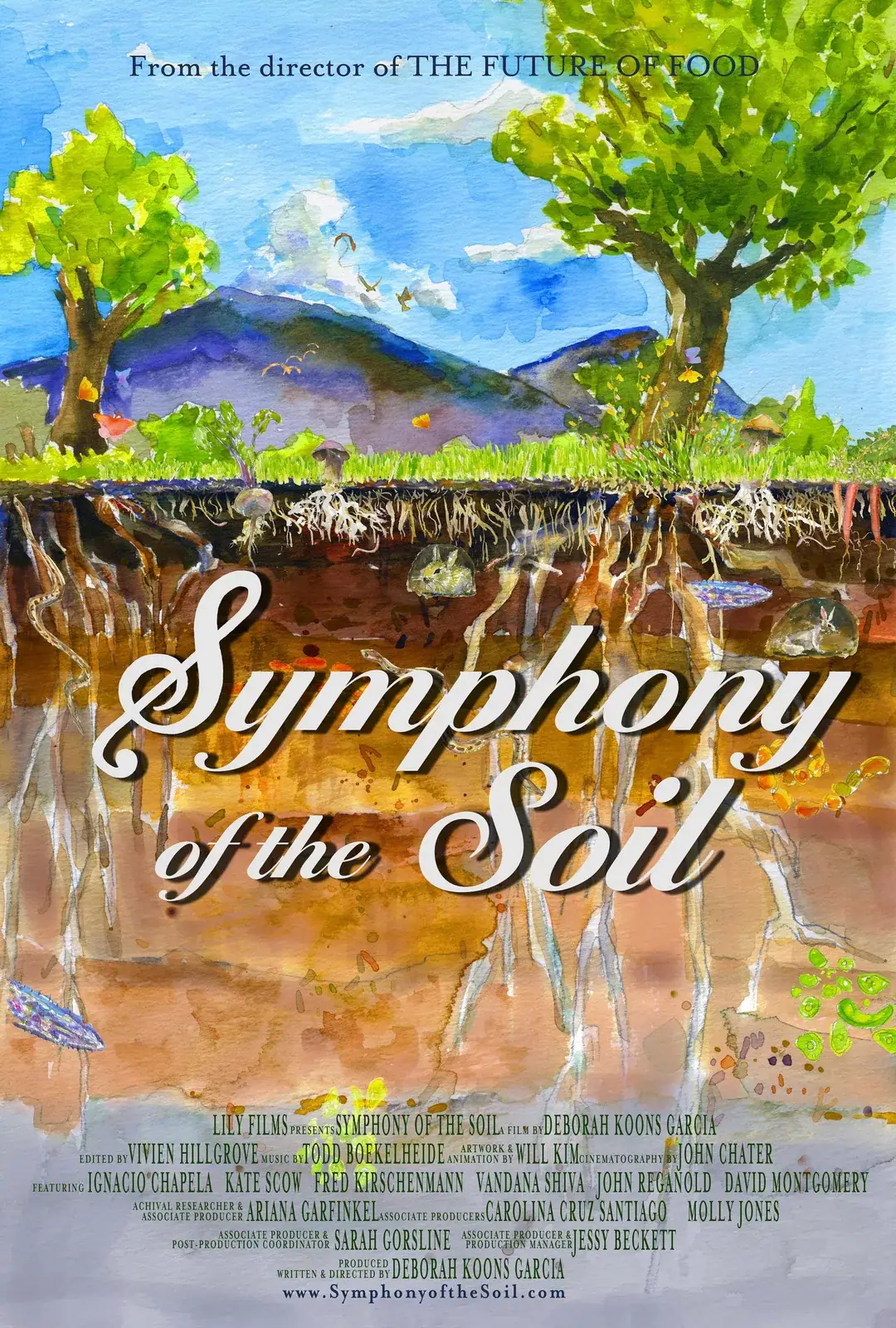 Photo: Lily Films
Symphony of the Soil (2012)Deborah Koons Garcia's 2012 feature from Lily Films in Mill Valley, California treats soil as a living system, from its formation to its relationships with water, plants, animals and farming. Screened at the United Nations in New York in December 2014 for World Soil Day, it rents on Vimeo and sells on DVD and Blu-ray with subtitles in several languages.Visit site
Photo: Lily Films
Symphony of the Soil (2012)Deborah Koons Garcia's 2012 feature from Lily Films in Mill Valley, California treats soil as a living system, from its formation to its relationships with water, plants, animals and farming. Screened at the United Nations in New York in December 2014 for World Soil Day, it rents on Vimeo and sells on DVD and Blu-ray with subtitles in several languages.Visit site
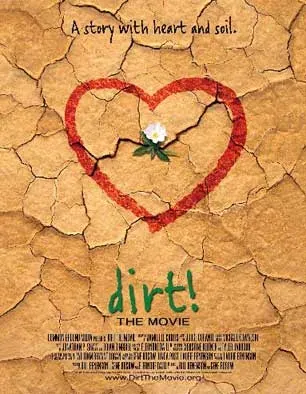 Photo: Dirt! The Movie
Dirt! The Movie (2009)Bill Benenson and Gene Rosow's 2009 documentary, narrated by Jamie Lee Curtis and based on William Bryant Logan's book Dirt: The Ecstatic Skin of the Earth, portrays soil through farmers, scientists and activists including Wangari Maathai. Broadcast on PBS Independent Lens in April 2010, it streams from the film's site and sells on DVD.Visit site
Photo: Dirt! The Movie
Dirt! The Movie (2009)Bill Benenson and Gene Rosow's 2009 documentary, narrated by Jamie Lee Curtis and based on William Bryant Logan's book Dirt: The Ecstatic Skin of the Earth, portrays soil through farmers, scientists and activists including Wangari Maathai. Broadcast on PBS Independent Lens in April 2010, it streams from the film's site and sells on DVD.Visit site
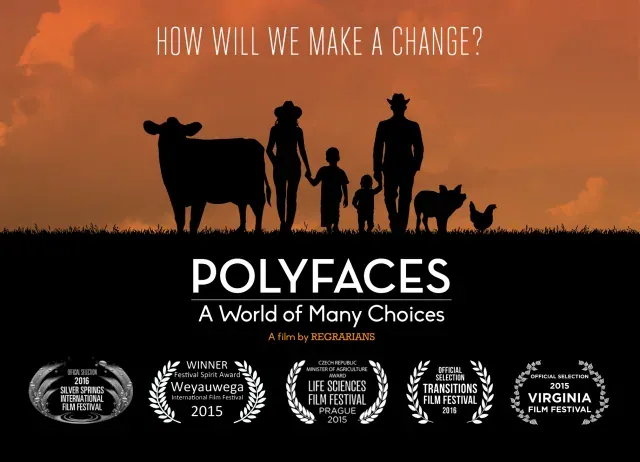 Photo: Regrarians
Polyfaces (2015)Lisa Heenan and Darren Doherty of Regrarians spent four years filming the Salatin family at Polyface Farm in Virginia's Shenandoah Valley, following the pastured cattle, pigs and poultry, the customers in its three-hour foodshed and the people learning there. The 2015 feature streams from its own site for 10 dollars, which also sells DVDs and screening licenses.Visit site
Photo: Regrarians
Polyfaces (2015)Lisa Heenan and Darren Doherty of Regrarians spent four years filming the Salatin family at Polyface Farm in Virginia's Shenandoah Valley, following the pastured cattle, pigs and poultry, the customers in its three-hour foodshed and the people learning there. The 2015 feature streams from its own site for 10 dollars, which also sells DVDs and screening licenses.Visit site
Magazines
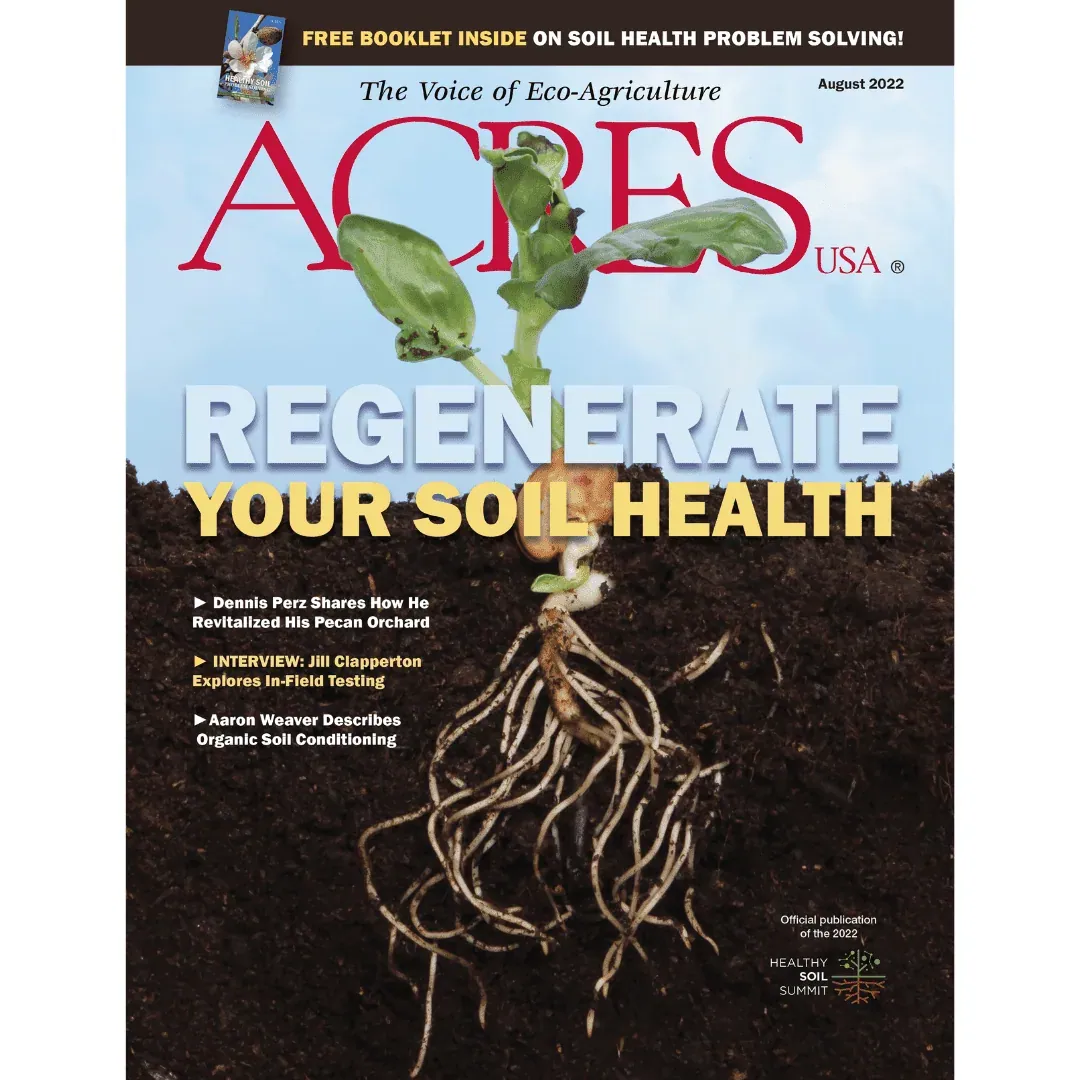 Photo: Acres U.S.A.
Acres U.S.A.Acres U.S.A. has published a monthly magazine on ecological and regenerative farming for more than 50 years, with articles on soil health, crop production, livestock and farm business, and now runs from Viroqua, Wisconsin. The company also publishes books, hosts the annual Eco-Ag Conference and runs online courses. Issues through August 2026 are listed on its members site.Visit site
Photo: Acres U.S.A.
Acres U.S.A.Acres U.S.A. has published a monthly magazine on ecological and regenerative farming for more than 50 years, with articles on soil health, crop production, livestock and farm business, and now runs from Viroqua, Wisconsin. The company also publishes books, hosts the annual Eco-Ag Conference and runs online courses. Issues through August 2026 are listed on its members site.Visit site
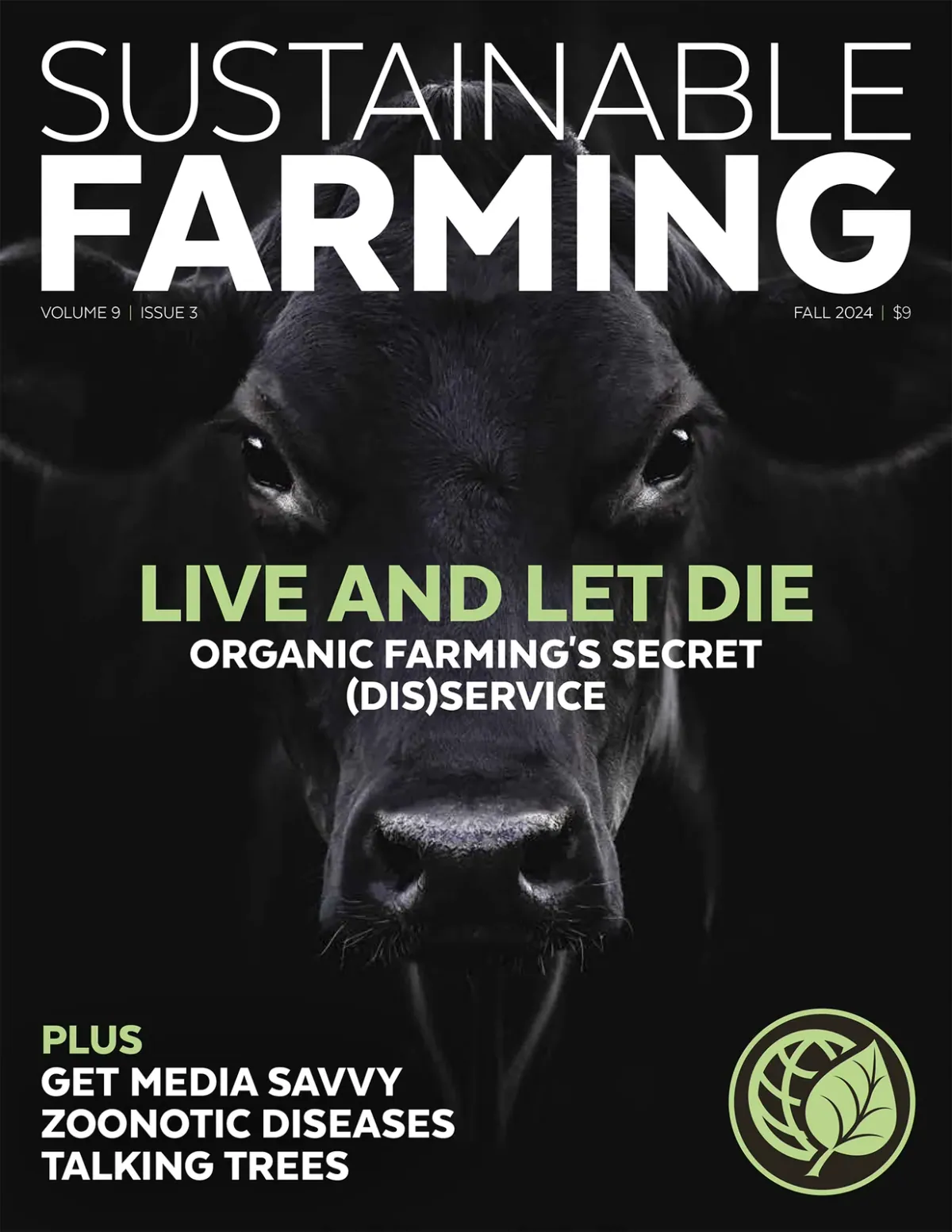 Photo: A Greener World
Sustainable Farming (A Greener World)A Greener World, the certifier behind Animal Welfare Approved, Certified Grassfed and Certified Regenerative labels, publishes Sustainable Farming three times a year from Terrebonne, Oregon. It focuses on pasture-based livestock: husbandry, grazing, markets and opinion. Print is free for AGW-certified farms, the online version is free to anyone, and issues run back to 2016. The latest is Summer 2026.Visit site
Photo: A Greener World
Sustainable Farming (A Greener World)A Greener World, the certifier behind Animal Welfare Approved, Certified Grassfed and Certified Regenerative labels, publishes Sustainable Farming three times a year from Terrebonne, Oregon. It focuses on pasture-based livestock: husbandry, grazing, markets and opinion. Print is free for AGW-certified farms, the online version is free to anyone, and issues run back to 2016. The latest is Summer 2026.Visit site
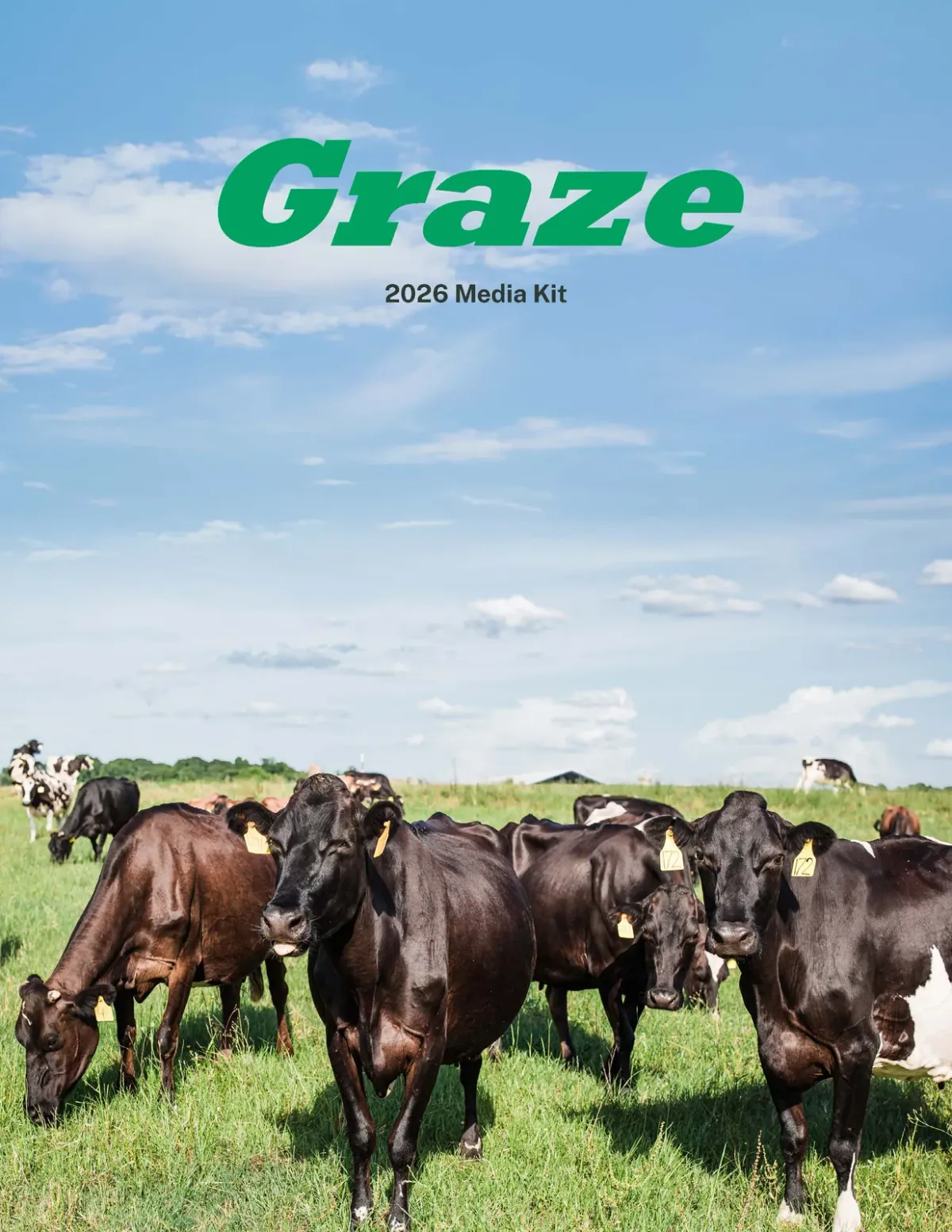 Photo: Graze magazine
GrazeGraze covers management-intensive rotational grazing and family-scale livestock farms: grazing plans, grass-adapted genetics, marketing and farm economics, written by graziers for graziers. Founded in 2000 by Joel and Ruth McNair, it is published by the Dairy Grazing Alliance in Green Bay, Wisconsin, with Martha Hoffman Kerestes as managing editor, and keeps a blog updated in October 2026.Visit site
Photo: Graze magazine
GrazeGraze covers management-intensive rotational grazing and family-scale livestock farms: grazing plans, grass-adapted genetics, marketing and farm economics, written by graziers for graziers. Founded in 2000 by Joel and Ruth McNair, it is published by the Dairy Grazing Alliance in Green Bay, Wisconsin, with Martha Hoffman Kerestes as managing editor, and keeps a blog updated in October 2026.Visit site
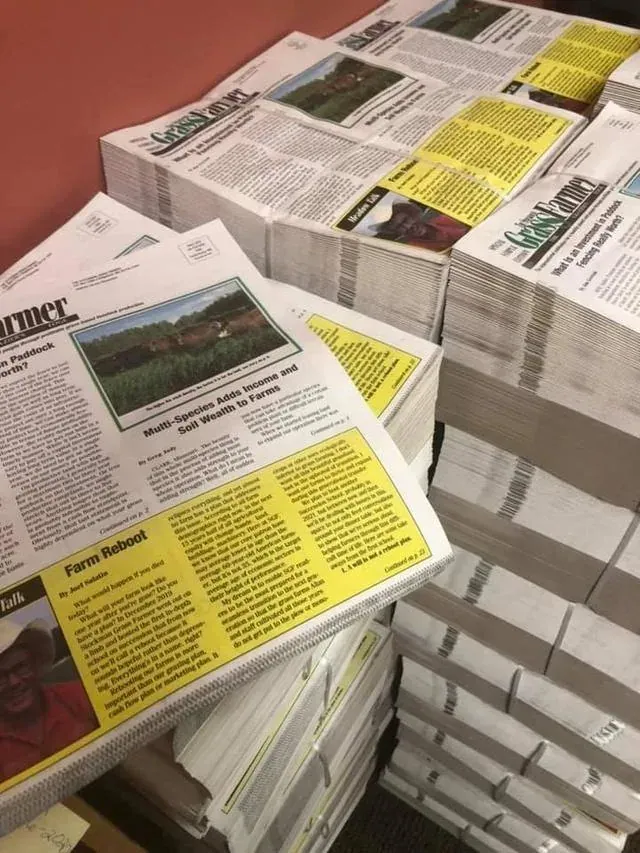 Photo: The Stockman Grass Farmer
The Stockman Grass FarmerPublished monthly since 1947 from Ridgeland, Mississippi, The Stockman Grass Farmer is devoted to profitable grass-based livestock production: grazing management, soil health, direct marketing, fencing and water, for cattle, sheep, goats, pigs and poultry. Joel Salatin is listed as editor. The publisher also sells books and runs grazing schools, with SGF Live scheduled for 2026.Visit site
Photo: The Stockman Grass Farmer
The Stockman Grass FarmerPublished monthly since 1947 from Ridgeland, Mississippi, The Stockman Grass Farmer is devoted to profitable grass-based livestock production: grazing management, soil health, direct marketing, fencing and water, for cattle, sheep, goats, pigs and poultry. Joel Salatin is listed as editor. The publisher also sells books and runs grazing schools, with SGF Live scheduled for 2026.Visit site
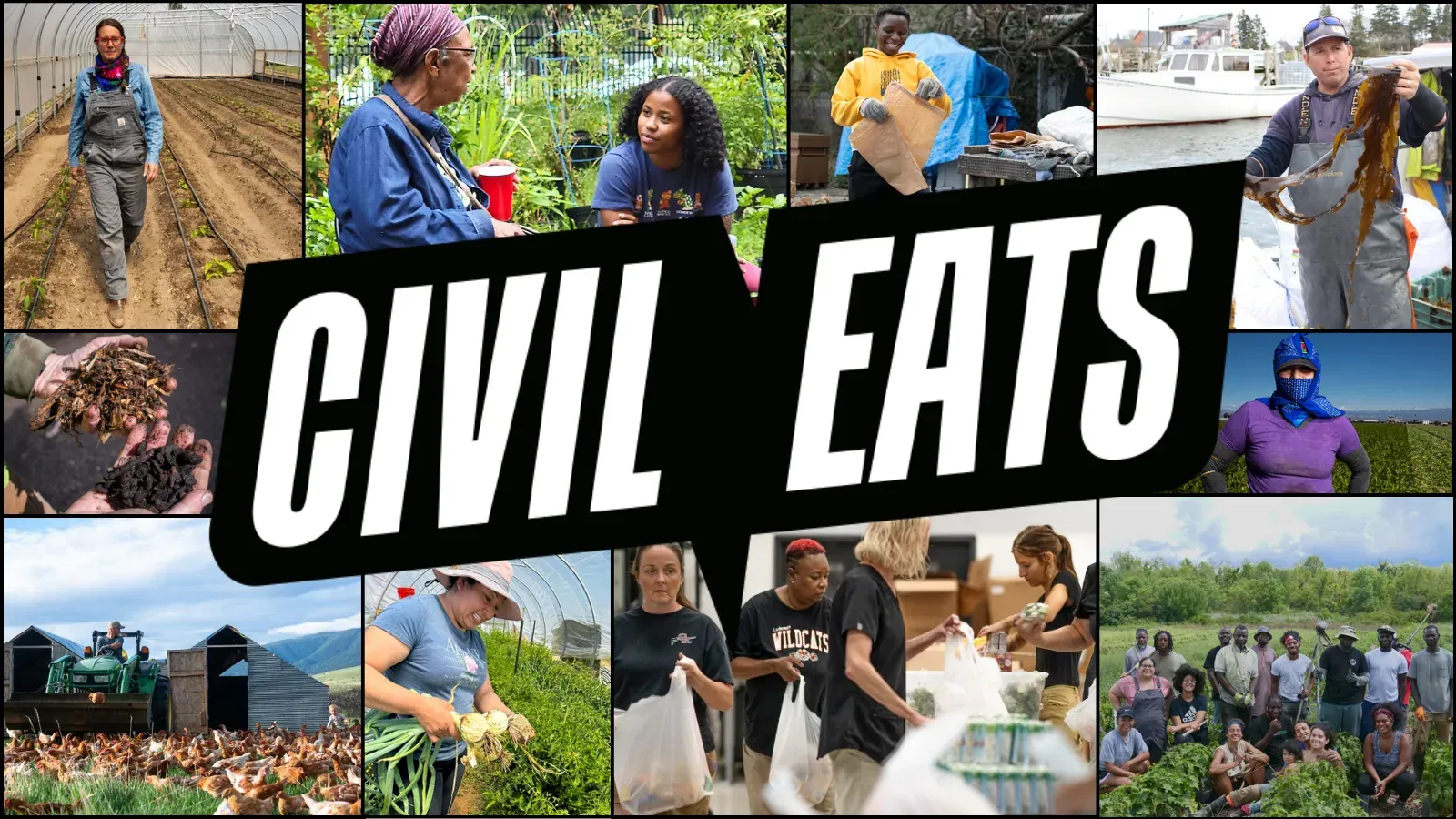 Photo: Civil Eats
Civil EatsCivil Eats is a news site on the American food system: farm policy, labor, climate, health and the people growing and cooking food. It runs series such as Farming 250, Losing Ground and a Food Policy Tracker. Recent pieces cover cattle prices after increased beef imports and Nebraska's farm data ownership law, both from October 2026.Visit site
Photo: Civil Eats
Civil EatsCivil Eats is a news site on the American food system: farm policy, labor, climate, health and the people growing and cooking food. It runs series such as Farming 250, Losing Ground and a Food Policy Tracker. Recent pieces cover cattle prices after increased beef imports and Nebraska's farm data ownership law, both from October 2026.Visit site
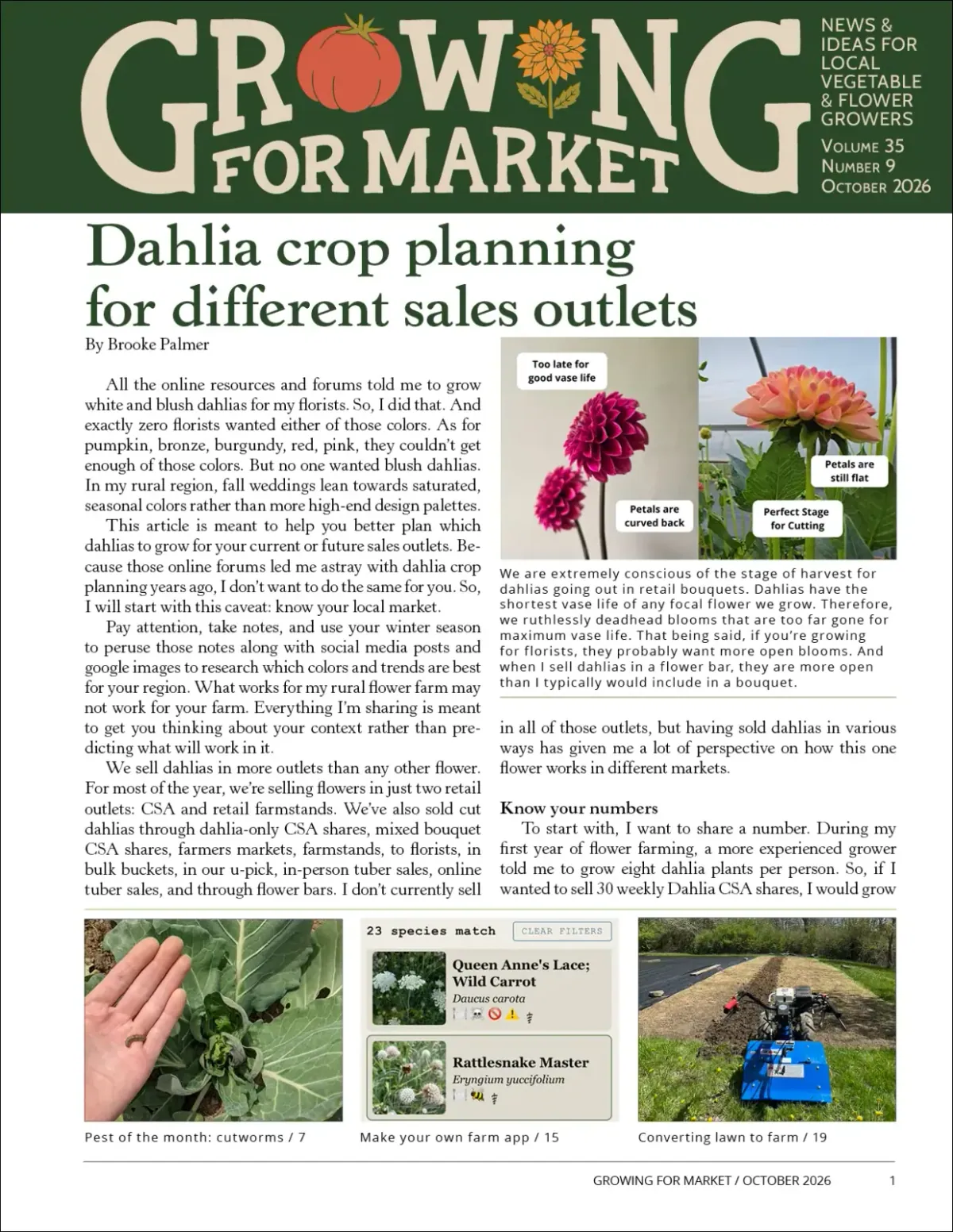 Photo: Growing for Market
Growing for MarketGrowing for Market is a magazine for growers of vegetables and cut flowers who sell locally through farmers markets, CSAs and regional wholesale. Founded in Kansas by Lynn Byczynski in 1992 and owned since 2016 by farmers Ann and Andrew Mefferd in Maine, it publishes ten issues a year. The October 2026 issue marks 35 years.Visit site
Photo: Growing for Market
Growing for MarketGrowing for Market is a magazine for growers of vegetables and cut flowers who sell locally through farmers markets, CSAs and regional wholesale. Founded in Kansas by Lynn Byczynski in 1992 and owned since 2016 by farmers Ann and Andrew Mefferd in Maine, it publishes ten issues a year. The October 2026 issue marks 35 years.Visit site
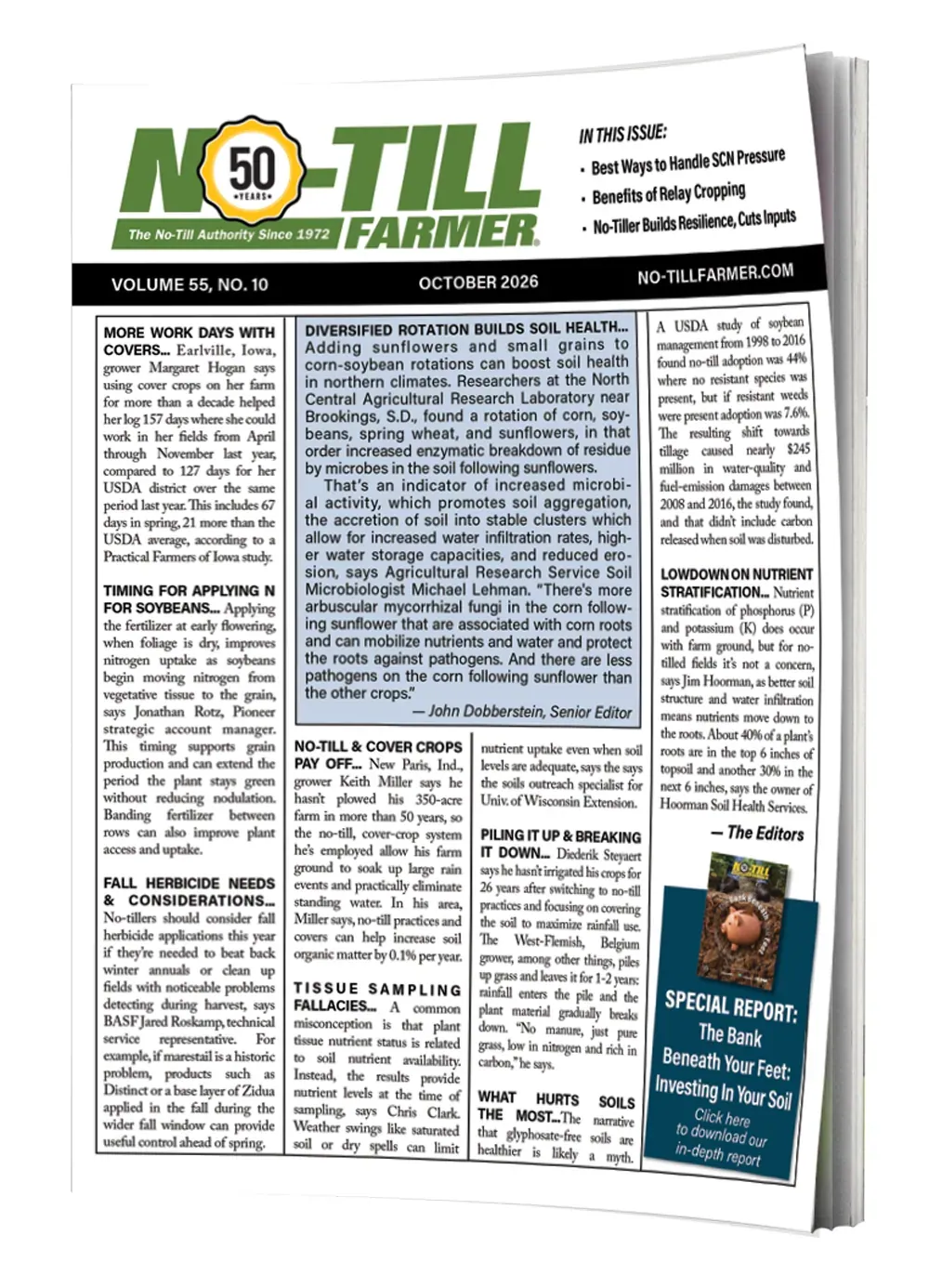 Photo: Lessiter Media (No-Till Farmer)
No-Till FarmerNo-Till Farmer, from Lessiter Publications, serves row-crop farmers who have stopped tilling, with a print magazine, web articles, newsletters, podcasts and videos on cover crops, planters, soil biology and input costs. It organizes the National No-Tillage Conference, next held in Indianapolis in January 2027. Its October 2026 issue and a 15 October 2026 newsletter roundup are on the site.Visit site
Photo: Lessiter Media (No-Till Farmer)
No-Till FarmerNo-Till Farmer, from Lessiter Publications, serves row-crop farmers who have stopped tilling, with a print magazine, web articles, newsletters, podcasts and videos on cover crops, planters, soil biology and input costs. It organizes the National No-Tillage Conference, next held in Indianapolis in January 2027. Its October 2026 issue and a 15 October 2026 newsletter roundup are on the site.Visit site
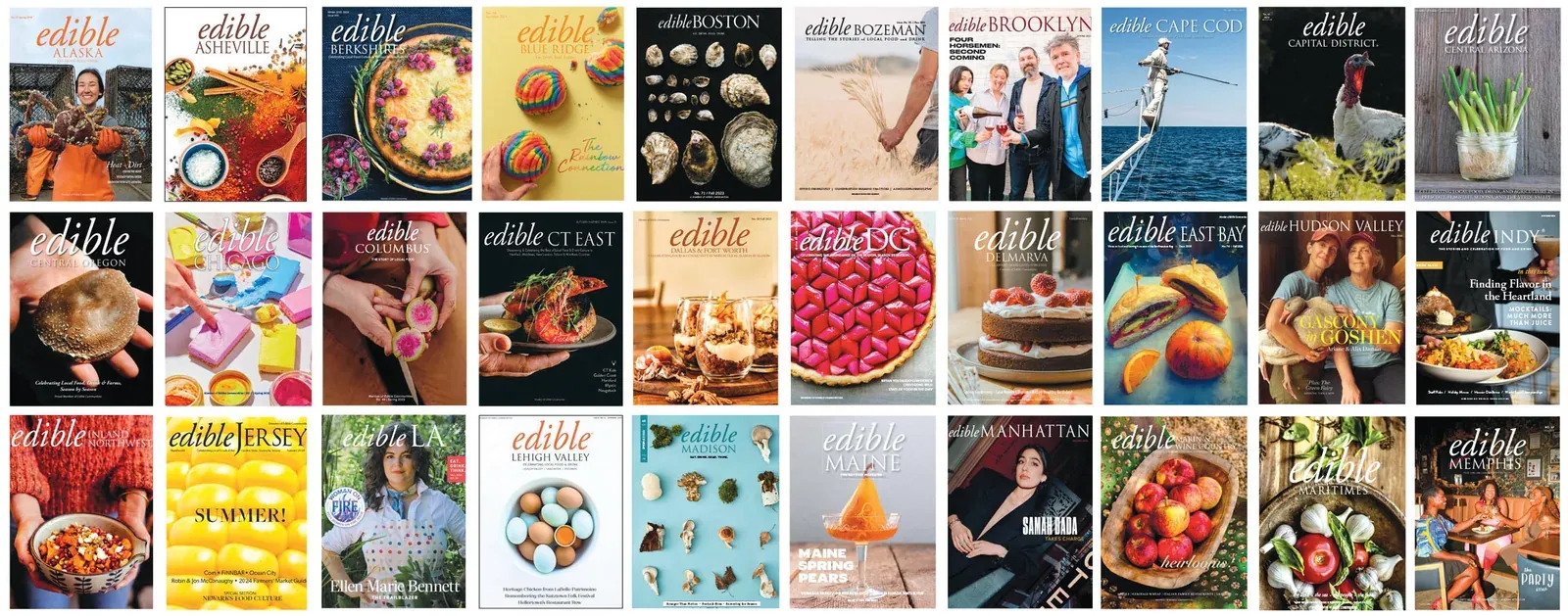 Photo: Edible Communities
Edible CommunitiesEdible Communities is the network behind the regional Edible magazines, titles such as Edible Austin that cover the farms, markets, restaurants and makers of one area. The national site collects recipes, seasonal guides, podcasts and features, runs the Best of Edible awards, with 2026 winners announced, and helps readers find or start the Edible for their region.Visit site
Photo: Edible Communities
Edible CommunitiesEdible Communities is the network behind the regional Edible magazines, titles such as Edible Austin that cover the farms, markets, restaurants and makers of one area. The national site collects recipes, seasonal guides, podcasts and features, runs the Best of Edible awards, with 2026 winners announced, and helps readers find or start the Edible for their region.Visit site
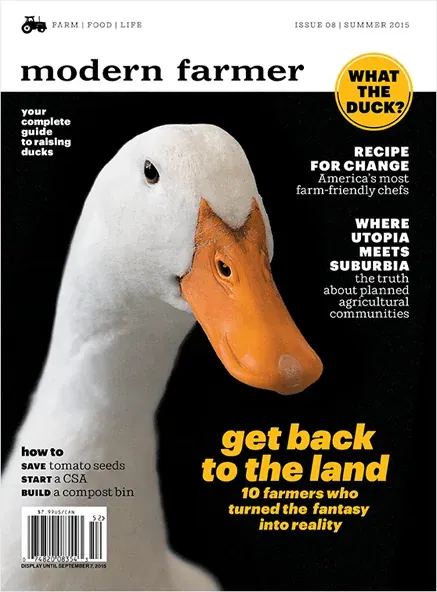 Photo: Modern Farmer
Modern FarmerModern Farmer is an online publication for people who care where their food comes from, organized around three themes: Farming Redefined, Food Equity and Conscious Consumption. Now part of Epic Gardening, it runs practical pieces for small growers alongside reporting on food and land, with 2026 articles on succession sowing and ending winter crops without losing soil gains.Visit site
Photo: Modern Farmer
Modern FarmerModern Farmer is an online publication for people who care where their food comes from, organized around three themes: Farming Redefined, Food Equity and Conscious Consumption. Now part of Epic Gardening, it runs practical pieces for small growers alongside reporting on food and land, with 2026 articles on succession sowing and ending winter crops without losing soil gains.Visit site
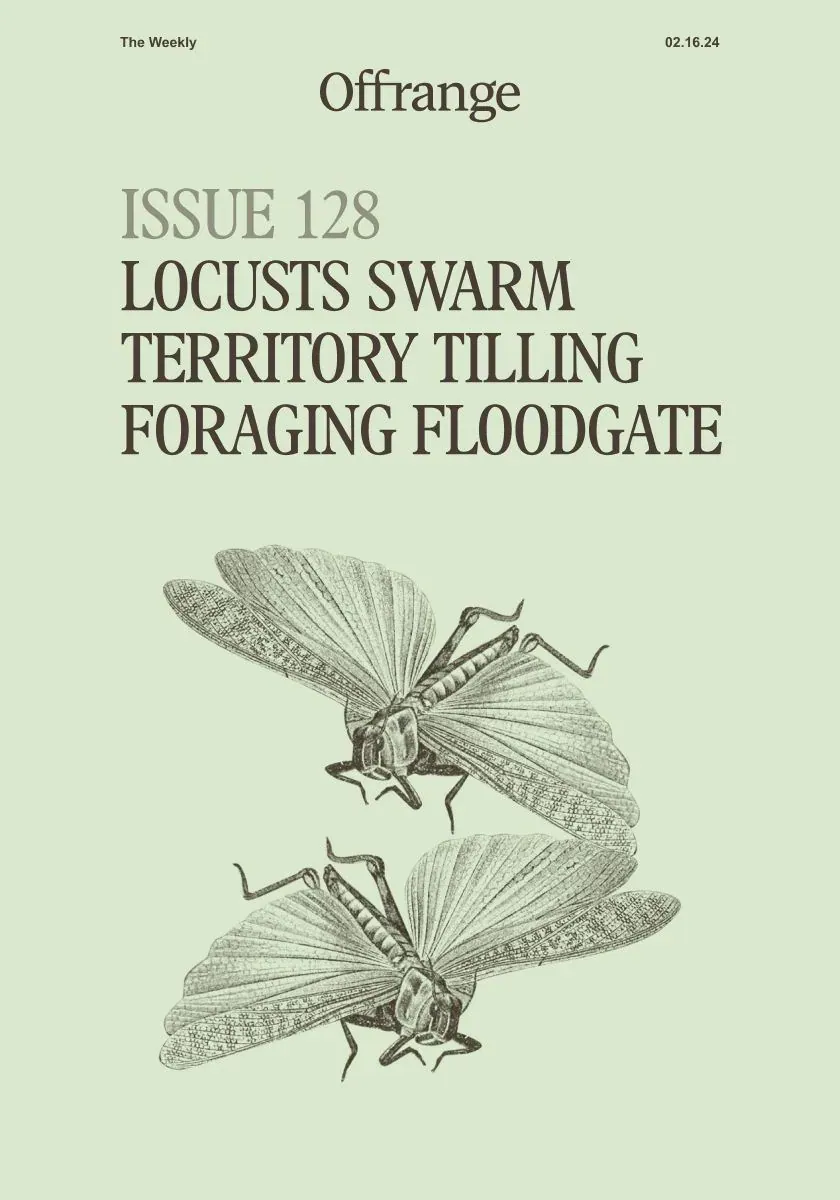 Photo: Ambrook
OffrangeOffrange is the editorially independent publication of Ambrook, a company that builds financial tools for farmers and ranchers. It tells stories from just beyond the fence line of American agriculture: land, crops, livestock, culture, environment and supply chains, with a weekly Monday newsletter past its 128th issue, a podcast and paid freelance commissions. New pieces appeared in October 2026.Visit site
Photo: Ambrook
OffrangeOffrange is the editorially independent publication of Ambrook, a company that builds financial tools for farmers and ranchers. It tells stories from just beyond the fence line of American agriculture: land, crops, livestock, culture, environment and supply chains, with a weekly Monday newsletter past its 128th issue, a podcast and paid freelance commissions. New pieces appeared in October 2026.Visit site