
Service Providers & Manufacturers
Regenerative farming is a practice before it is a product, but the practice leans on people and tools: a lab that reads soil biology, a consultant who plans a grazing rotation, a shop that builds a roller crimper, a seed house that blends a cover crop mix. This directory lists the US service providers and manufacturers that farmers in the movement rely on today.
Every entry was checked online on 15 October 2026 and links to the company's own site. We note what each one does, where it is and how we verified it. Nothing here is a paid placement.
Service Providers
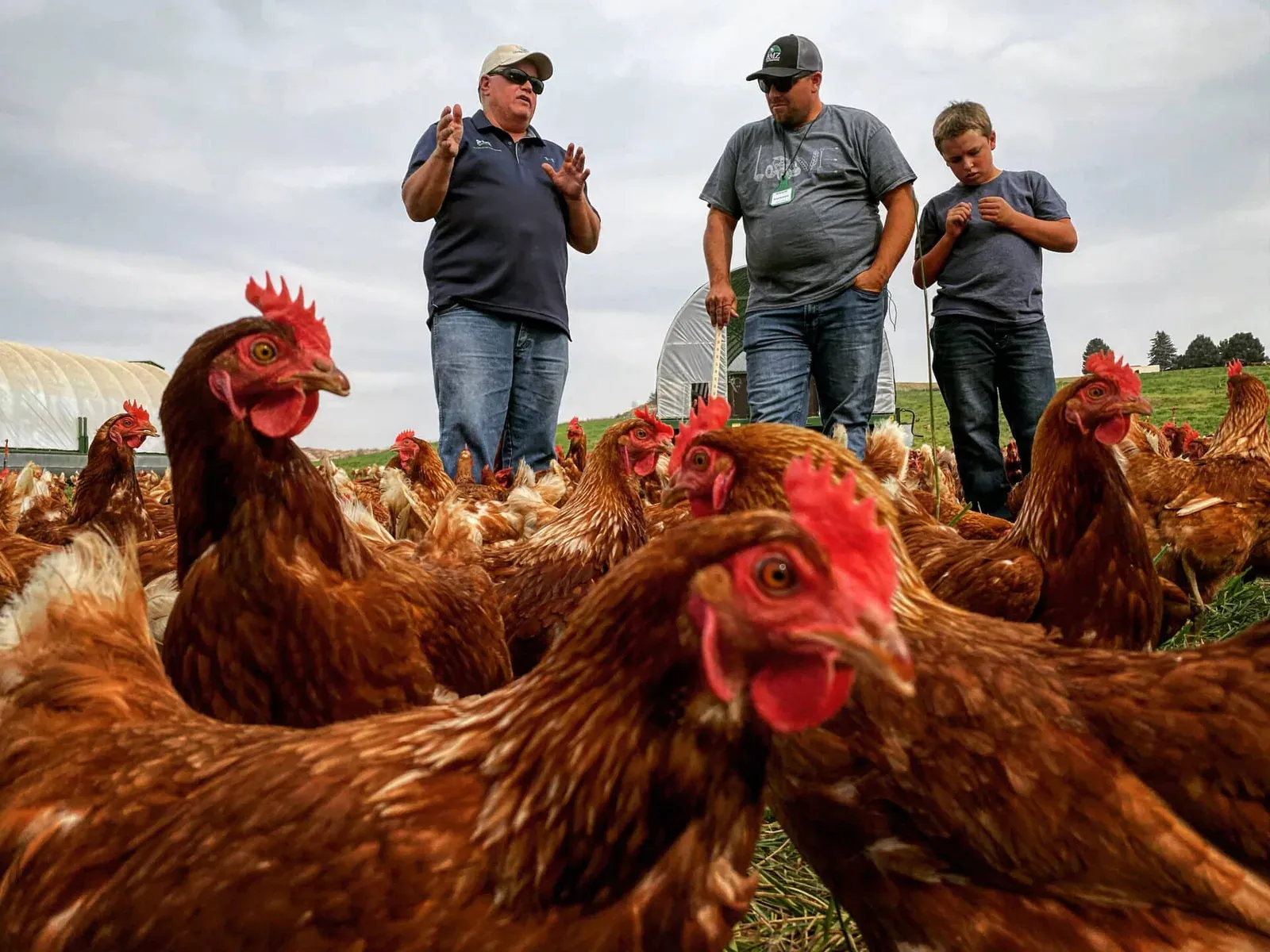 Photo: Understanding Ag
Understanding AgRegenerative agriculture consulting company in Garnett, Kansas. Its senior partners, rancher Gabe Brown and Burke Teichert, lead a team that advises farmers, ranchers and landowners on soil health, adaptive grazing and multi-enterprise planning. The firm also runs online courses such as Regen Ag 101, webinars and workshops, offers soil testing and publishes a regular blog.Visit site
Photo: Understanding Ag
Understanding AgRegenerative agriculture consulting company in Garnett, Kansas. Its senior partners, rancher Gabe Brown and Burke Teichert, lead a team that advises farmers, ranchers and landowners on soil health, adaptive grazing and multi-enterprise planning. The firm also runs online courses such as Regen Ag 101, webinars and workshops, offers soil testing and publishes a regular blog.Visit site
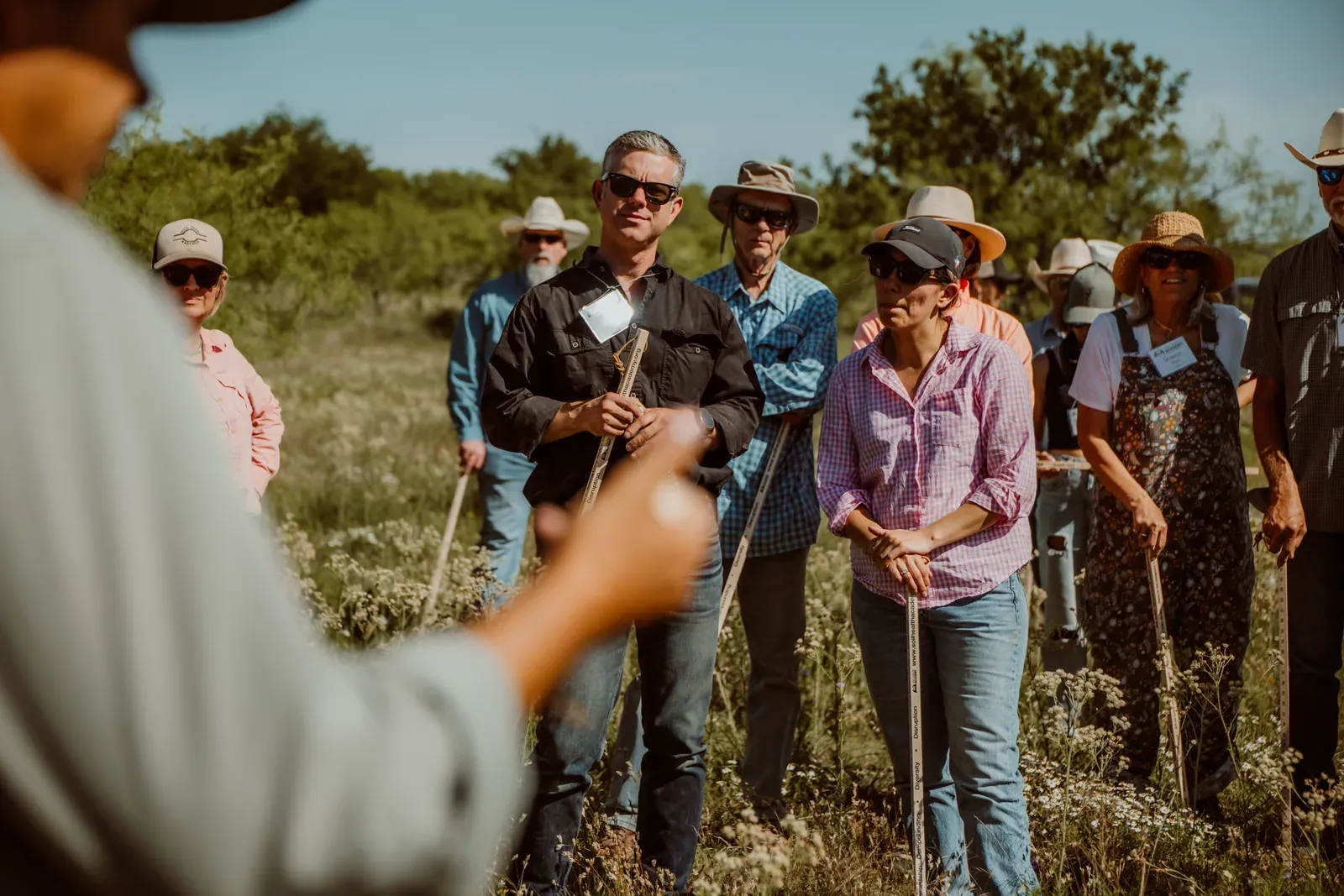 Photo: Soil Health Academy
Soil Health AcademyNonprofit that has run hands-on regenerative agriculture schools on working farms and ranches since 2017, with its US office in Mill Spring, Missouri. One to three day academies combine classroom sessions with field exercises on soil health principles, adaptive grazing, nutrient management and marketing. Its 2026 calendar included an adaptive grazing academy at Voss Farms in Paynesville, Minnesota, in August.Visit site
Photo: Soil Health Academy
Soil Health AcademyNonprofit that has run hands-on regenerative agriculture schools on working farms and ranches since 2017, with its US office in Mill Spring, Missouri. One to three day academies combine classroom sessions with field exercises on soil health principles, adaptive grazing, nutrient management and marketing. Its 2026 calendar included an adaptive grazing academy at Voss Farms in Paynesville, Minnesota, in August.Visit site
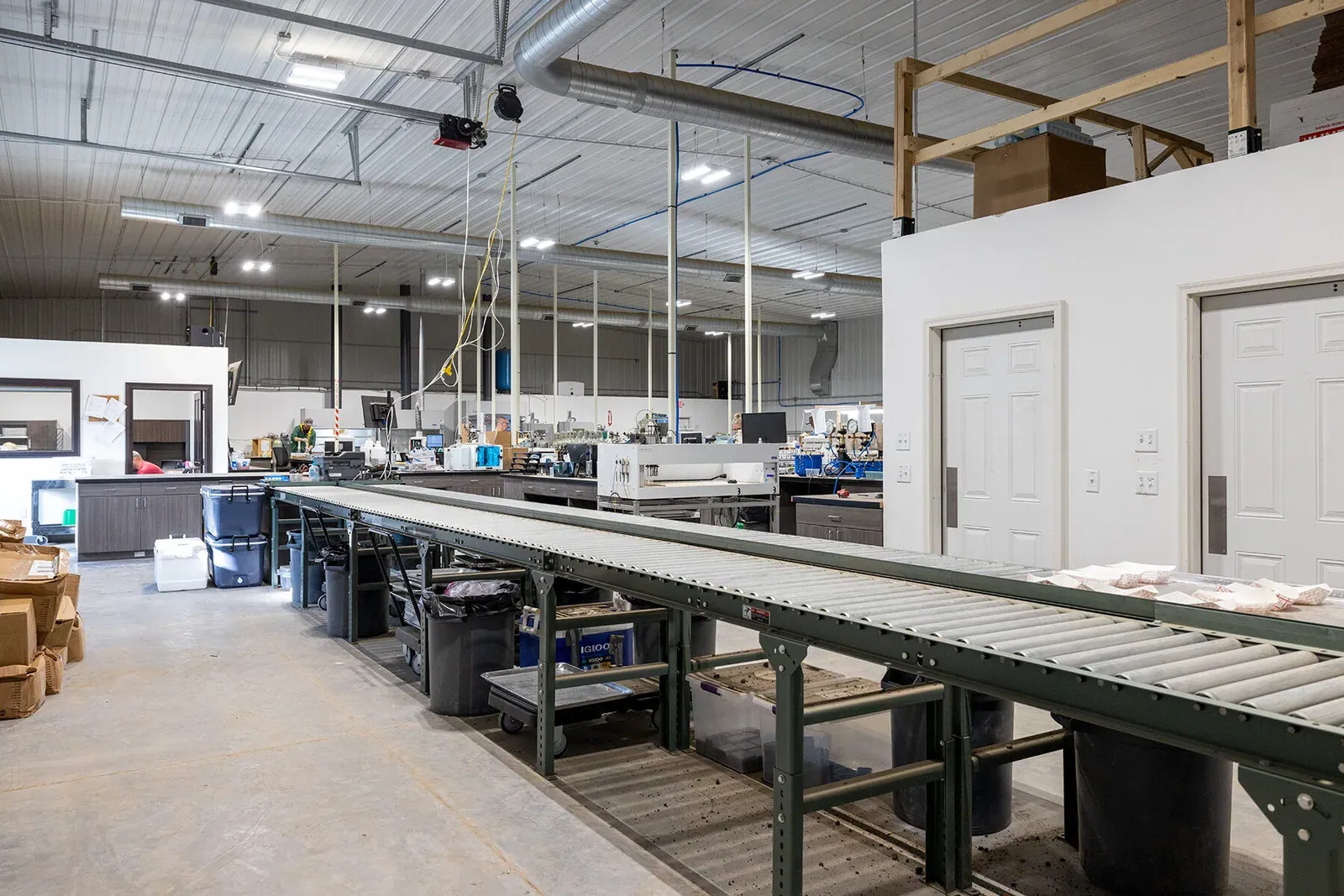 Photo: Regen Ag Lab
Regen Ag LabSoil, plant and water testing laboratory in Pleasanton, Nebraska, established in 2019 with a focus on regenerative agriculture. The lab runs soil health analysis, including the Haney and PLFA tests, alongside conventional soil, plant and water analysis. Co-owners Lance Gunderson and Jeremy Dalland come from commercial agricultural lab work, and Gunderson has reviewed more than 50,000 soil health samples.Visit site
Photo: Regen Ag Lab
Regen Ag LabSoil, plant and water testing laboratory in Pleasanton, Nebraska, established in 2019 with a focus on regenerative agriculture. The lab runs soil health analysis, including the Haney and PLFA tests, alongside conventional soil, plant and water analysis. Co-owners Lance Gunderson and Jeremy Dalland come from commercial agricultural lab work, and Gunderson has reviewed more than 50,000 soil health samples.Visit site
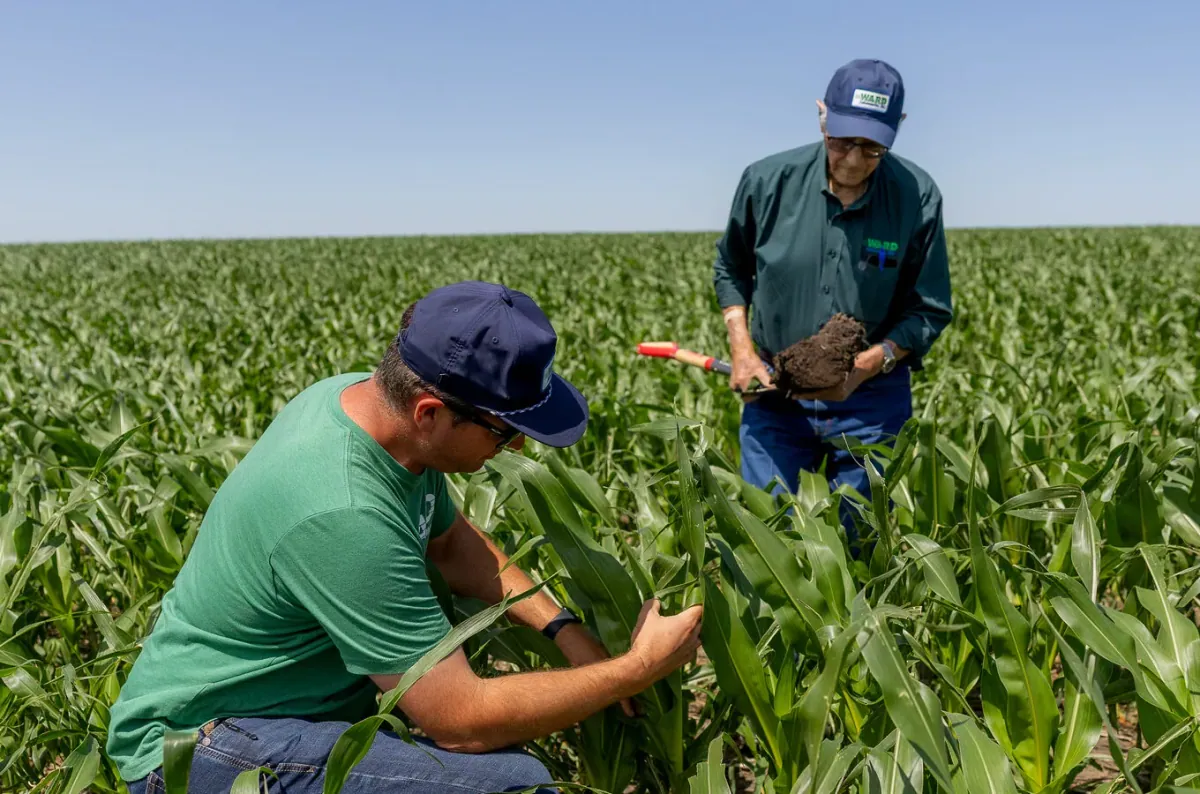 Photo: Ward Laboratories
Ward LaboratoriesAgricultural testing laboratory in Kearney, Nebraska, founded in 1983 by Ray and Jolene Ward. It analyses soil and soil health, feed, plant tissue, water, fertilizer and lime, manure and compost for farmers and ranchers across the United States, and it publishes a soil health assessment guide that explains how to read the results.Visit site
Photo: Ward Laboratories
Ward LaboratoriesAgricultural testing laboratory in Kearney, Nebraska, founded in 1983 by Ray and Jolene Ward. It analyses soil and soil health, feed, plant tissue, water, fertilizer and lime, manure and compost for farmers and ranchers across the United States, and it publishes a soil health assessment guide that explains how to read the results.Visit site
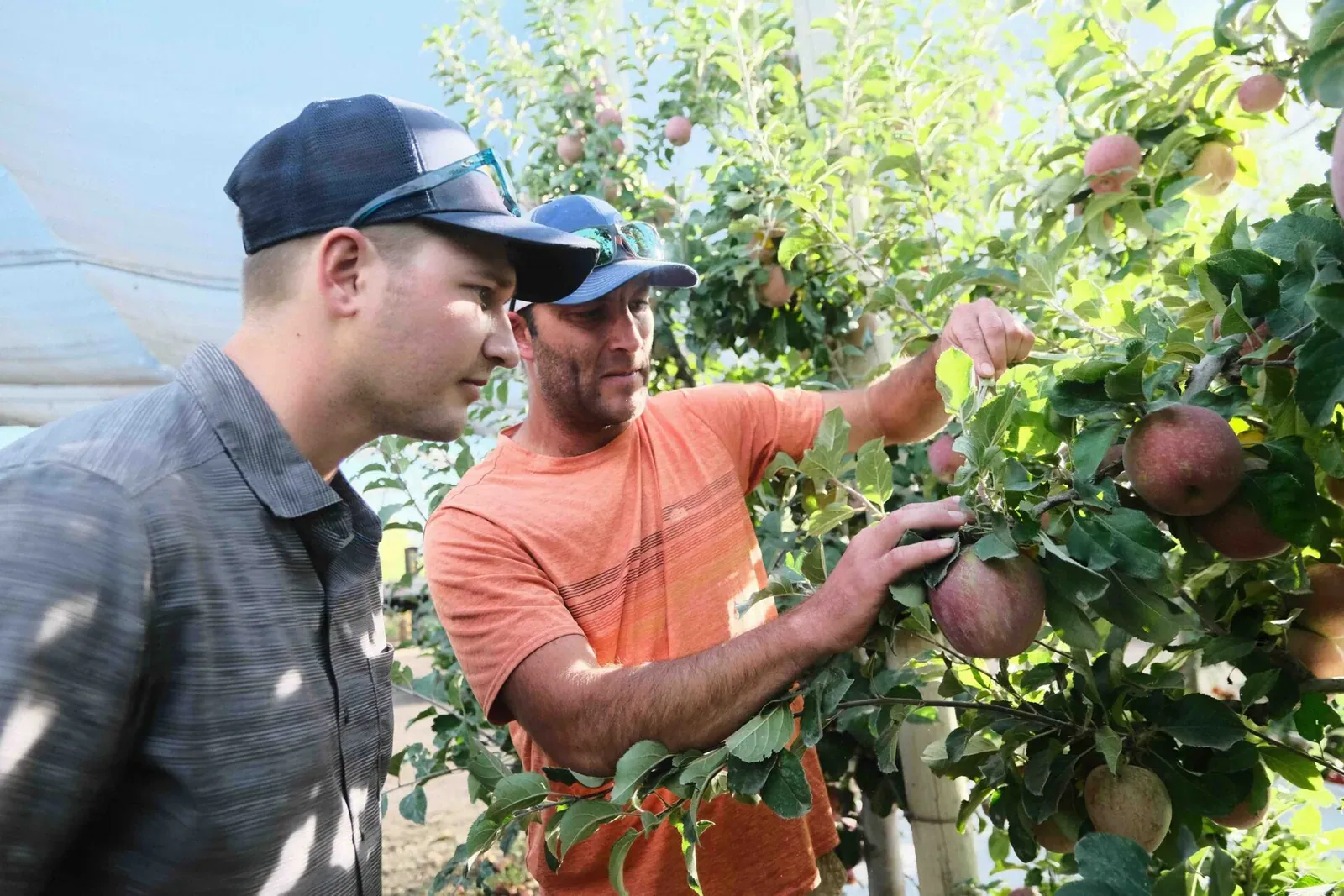 Photo: Advancing Eco Agriculture
Advancing Eco AgricultureAgronomy company founded in 2006 by Ohio farmer John Kempf, with an office and manufacturing in Middlefield, Ohio, and a second plant in Aurora, Colorado. It pairs agronomic consulting and plant sap analysis with biological and mineral nutrition products for fruit, vegetable, grain and specialty growers, and it produces the weekly Regenerative Agriculture Podcast.Visit site
Photo: Advancing Eco Agriculture
Advancing Eco AgricultureAgronomy company founded in 2006 by Ohio farmer John Kempf, with an office and manufacturing in Middlefield, Ohio, and a second plant in Aurora, Colorado. It pairs agronomic consulting and plant sap analysis with biological and mineral nutrition products for fruit, vegetable, grain and specialty growers, and it produces the weekly Regenerative Agriculture Podcast.Visit site
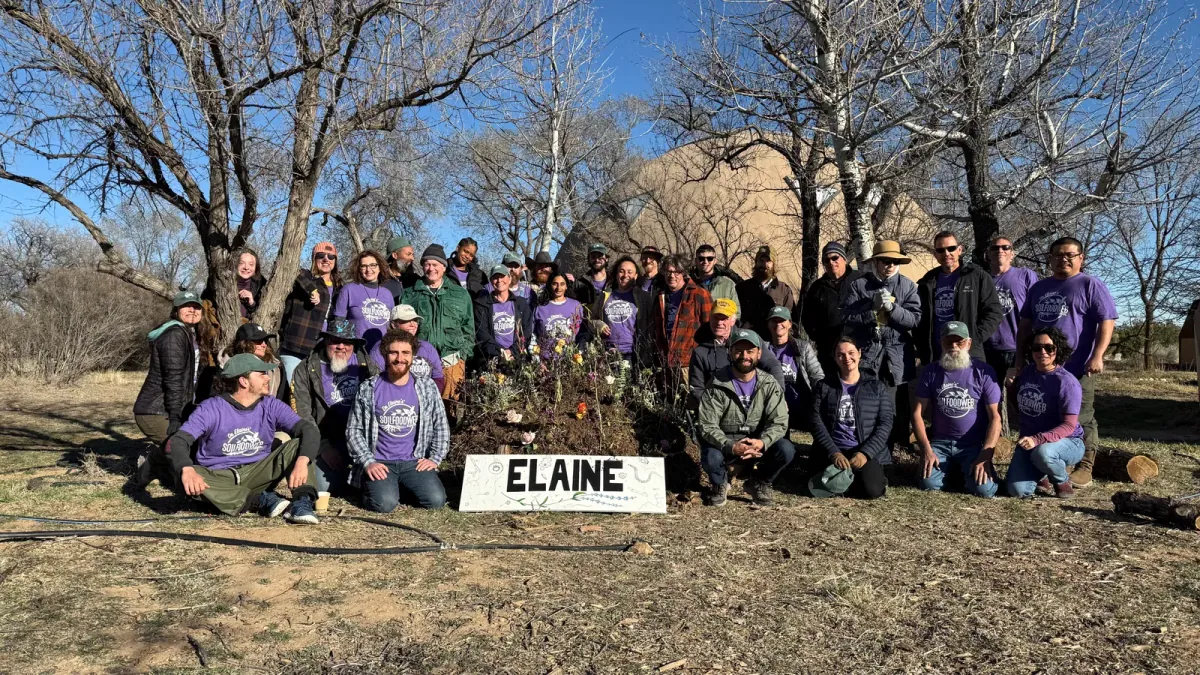 Photo: Soil Food Web School
Soil Food Web SchoolOnline school founded by soil microbiologist Dr. Elaine Ingham and based in Corvallis, Oregon, continued by the Soil Food Web Foundation after her death in 2026. Self-paced foundation courses, a consultant training program and advanced practicums teach growers and advisors to assess soil biology with a microscope and to produce biologically complete compost and liquid amendments.Visit site
Photo: Soil Food Web School
Soil Food Web SchoolOnline school founded by soil microbiologist Dr. Elaine Ingham and based in Corvallis, Oregon, continued by the Soil Food Web Foundation after her death in 2026. Self-paced foundation courses, a consultant training program and advanced practicums teach growers and advisors to assess soil biology with a microscope and to produce biologically complete compost and liquid amendments.Visit site
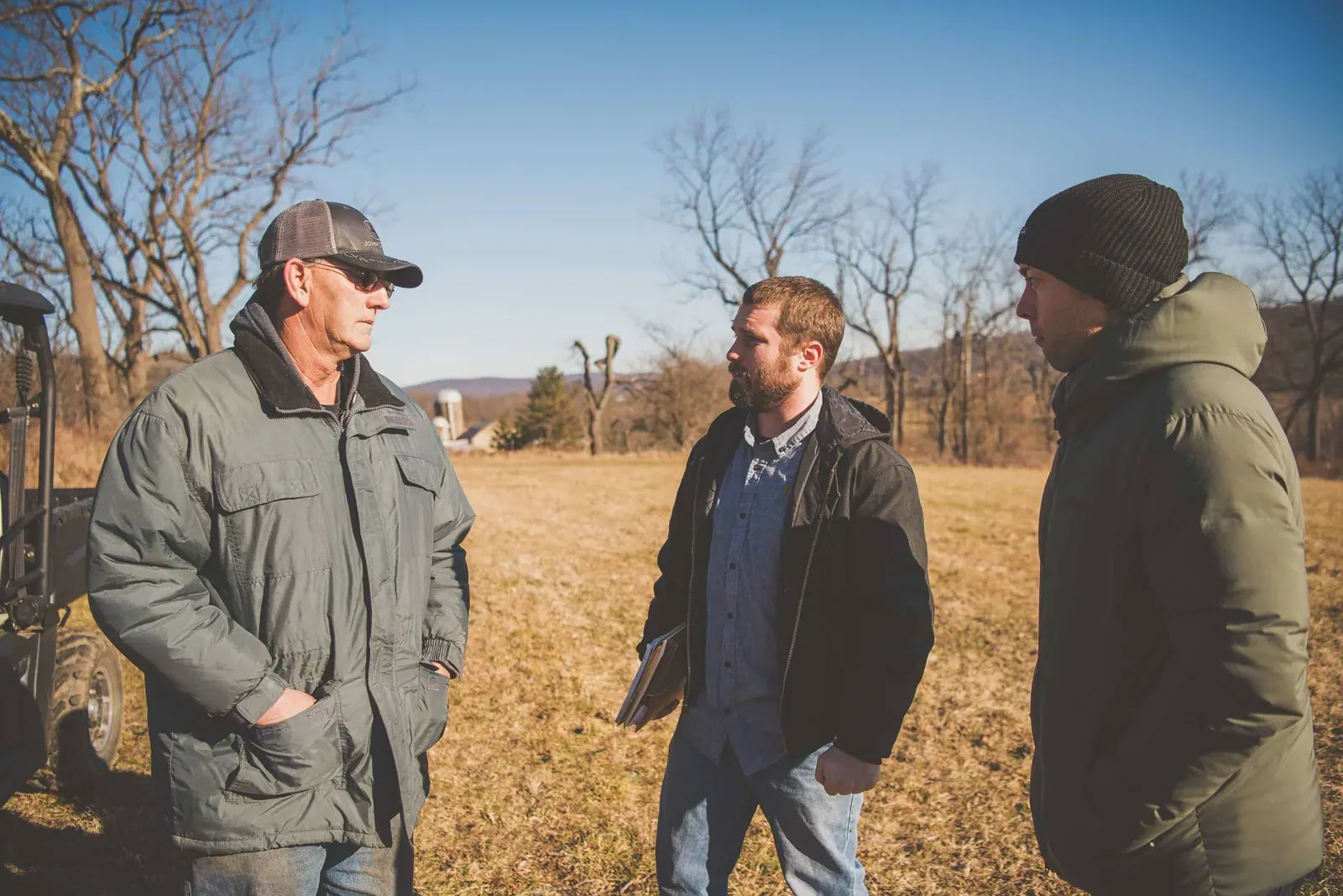 Photo: Rodale Institute
Rodale Institute ConsultingConsulting service of Rodale Institute, the nonprofit research farm in Kutztown, Pennsylvania, started in 2018 with the Pennsylvania Department of Agriculture. Its consultants help farmers move to certified organic and regenerative organic production, from on-farm visits and organic system plans to crop rotation, fertility and buyer connections. The service is free to farmers in Pennsylvania and many other states.Visit site
Photo: Rodale Institute
Rodale Institute ConsultingConsulting service of Rodale Institute, the nonprofit research farm in Kutztown, Pennsylvania, started in 2018 with the Pennsylvania Department of Agriculture. Its consultants help farmers move to certified organic and regenerative organic production, from on-farm visits and organic system plans to crop rotation, fertility and buyer connections. The service is free to farmers in Pennsylvania and many other states.Visit site
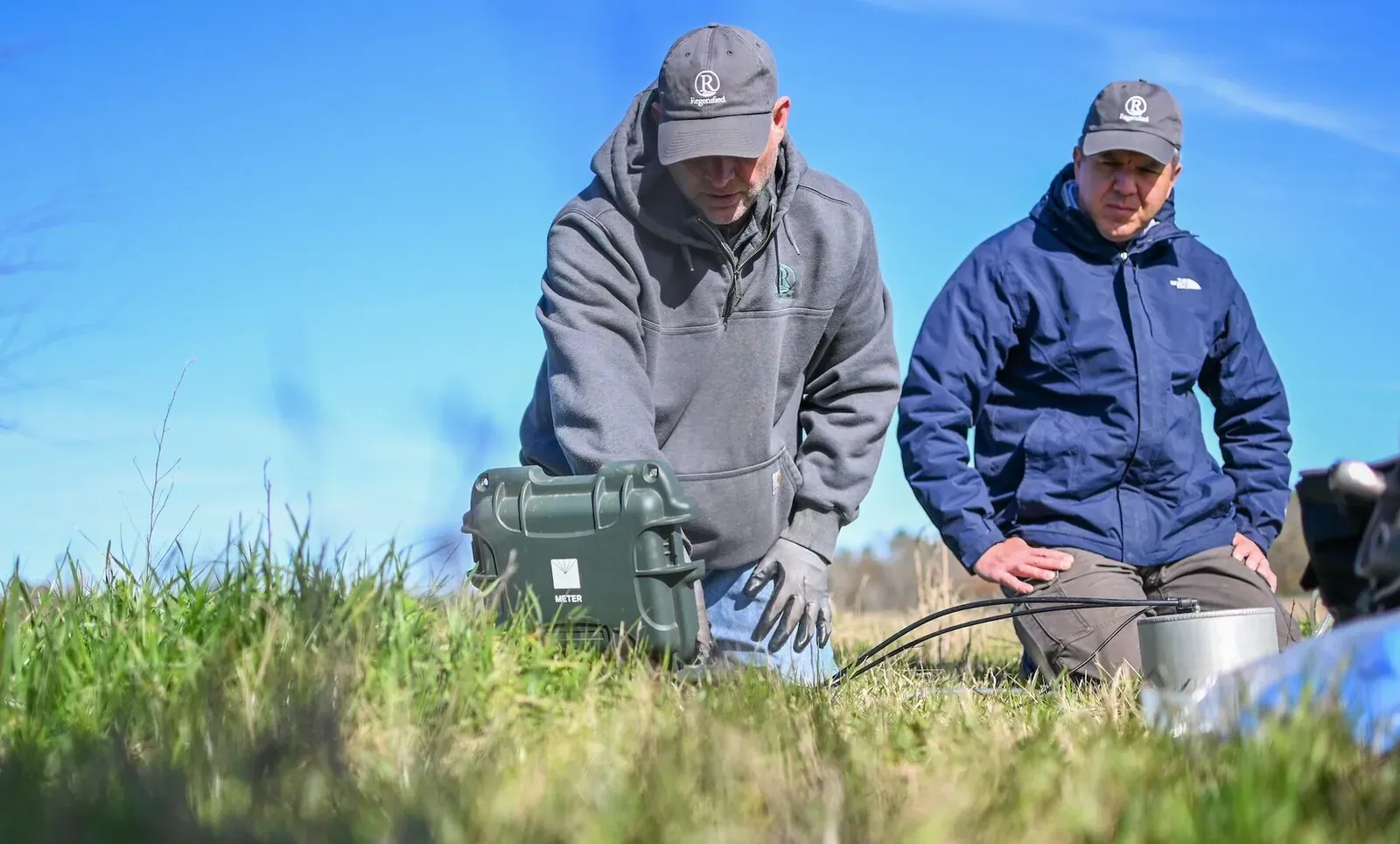 Photo: Regenified
RegenifiedCertification company in Dallas, Texas, that verifies regenerative farms, ranches and brands under its 6-3-4 standard, which combines on-field and laboratory measurements of practices and outcomes. The seal is accepted on USDA-inspected products, and a public Farm Finder lists certified farms, ranches and products across the United States.Visit site
Photo: Regenified
RegenifiedCertification company in Dallas, Texas, that verifies regenerative farms, ranches and brands under its 6-3-4 standard, which combines on-field and laboratory measurements of practices and outcomes. The seal is accepted on USDA-inspected products, and a public Farm Finder lists certified farms, ranches and products across the United States.Visit site
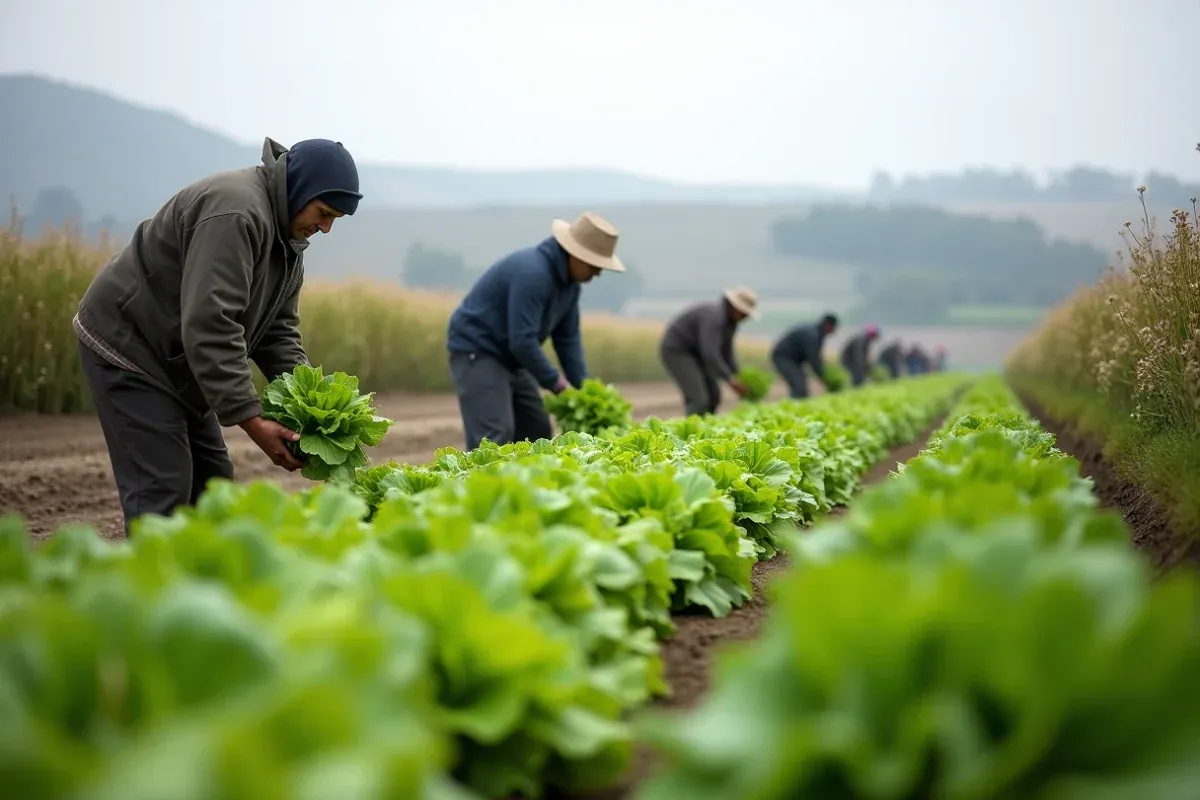 Regenerative Organic AllianceNonprofit in Sacramento, California, that oversees Regenerative Organic Certified, a label for food, textiles and personal care ingredients with requirements for soil health, animal welfare and farmworker fairness. Its site counts hundreds of certified farms and ranches and licensed brands, and in September 2025 it began a nutrition study with Edacious.Visit site
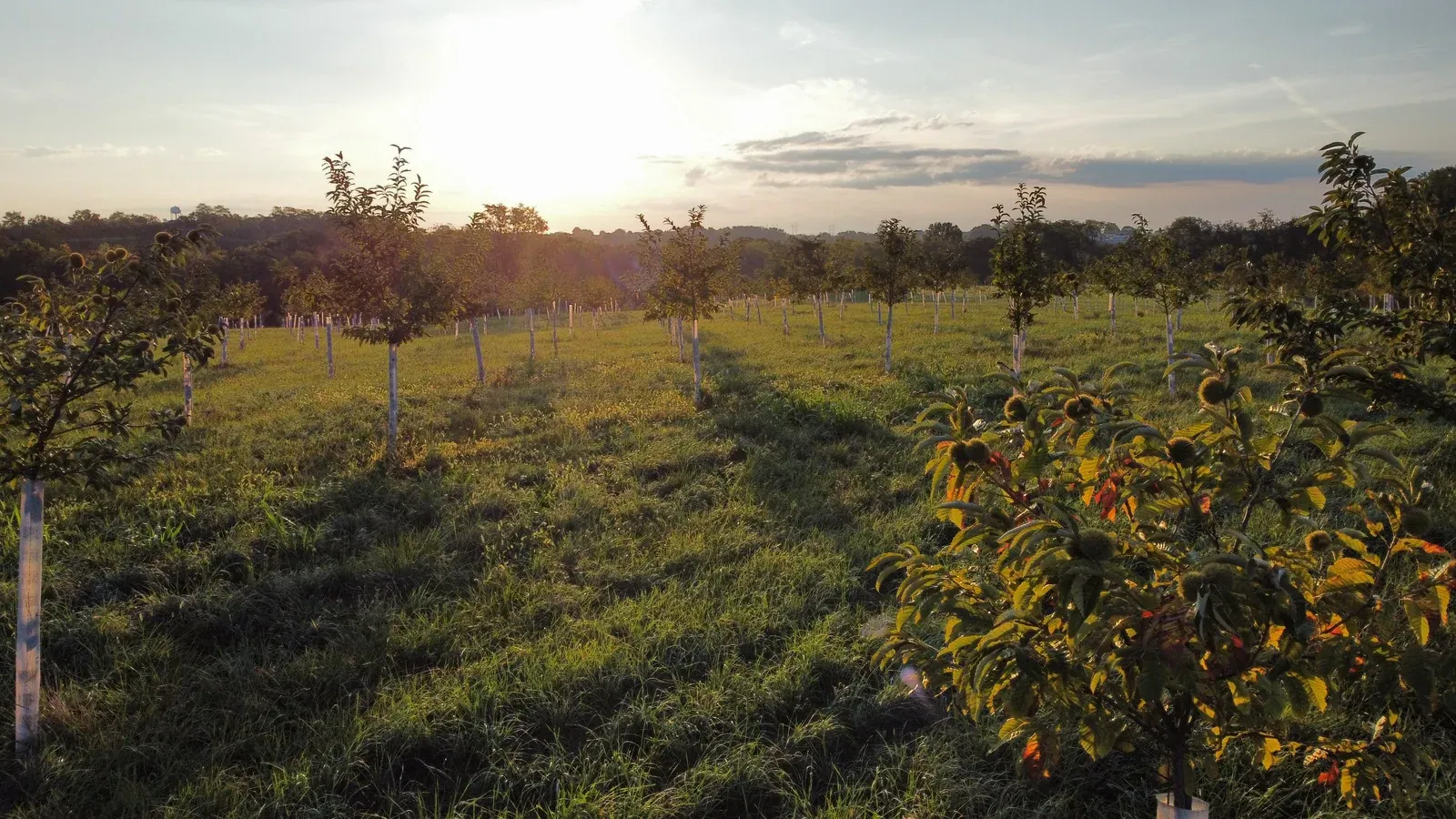 Photo: Propagate
PropagateAgroforestry company, organized as Propagate Group PBC, that helps farmers and landowners in the eastern United States add tree crops such as chestnuts and black locust to working farms. Services run from site assessment and species selection to tree supply, planting, monitoring and market connections, supported by its Overyield planning software. It has worked with 35 farms since 2018.Visit site
Photo: Propagate
PropagateAgroforestry company, organized as Propagate Group PBC, that helps farmers and landowners in the eastern United States add tree crops such as chestnuts and black locust to working farms. Services run from site assessment and species selection to tree supply, planting, monitoring and market connections, supported by its Overyield planning software. It has worked with 35 farms since 2018.Visit site
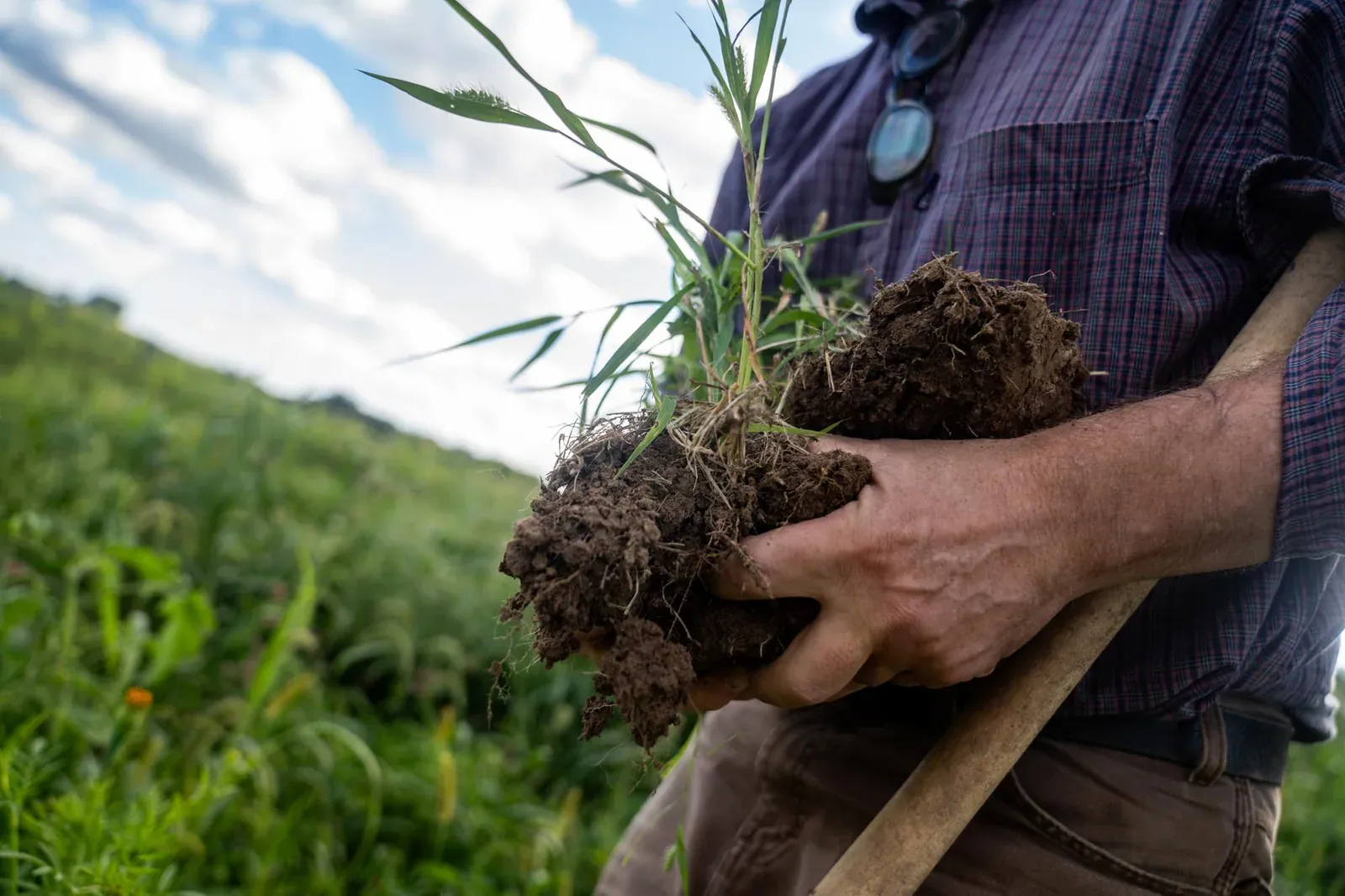 Photo: Mad Agriculture
Mad AgricultureBoulder, Colorado nonprofit that supports farmers and ranchers moving to regenerative practices through long-term farm and ranch consulting, with sister organizations Mad Capital for financing and Mad Markets for sales. Programs include a bison production and marketing grant and a Wilding strategy for land corridors across farmland, and its journal publishes essays, recipes and short films.Visit site
Photo: Mad Agriculture
Mad AgricultureBoulder, Colorado nonprofit that supports farmers and ranchers moving to regenerative practices through long-term farm and ranch consulting, with sister organizations Mad Capital for financing and Mad Markets for sales. Programs include a bison production and marketing grant and a Wilding strategy for land corridors across farmland, and its journal publishes essays, recipes and short films.Visit site
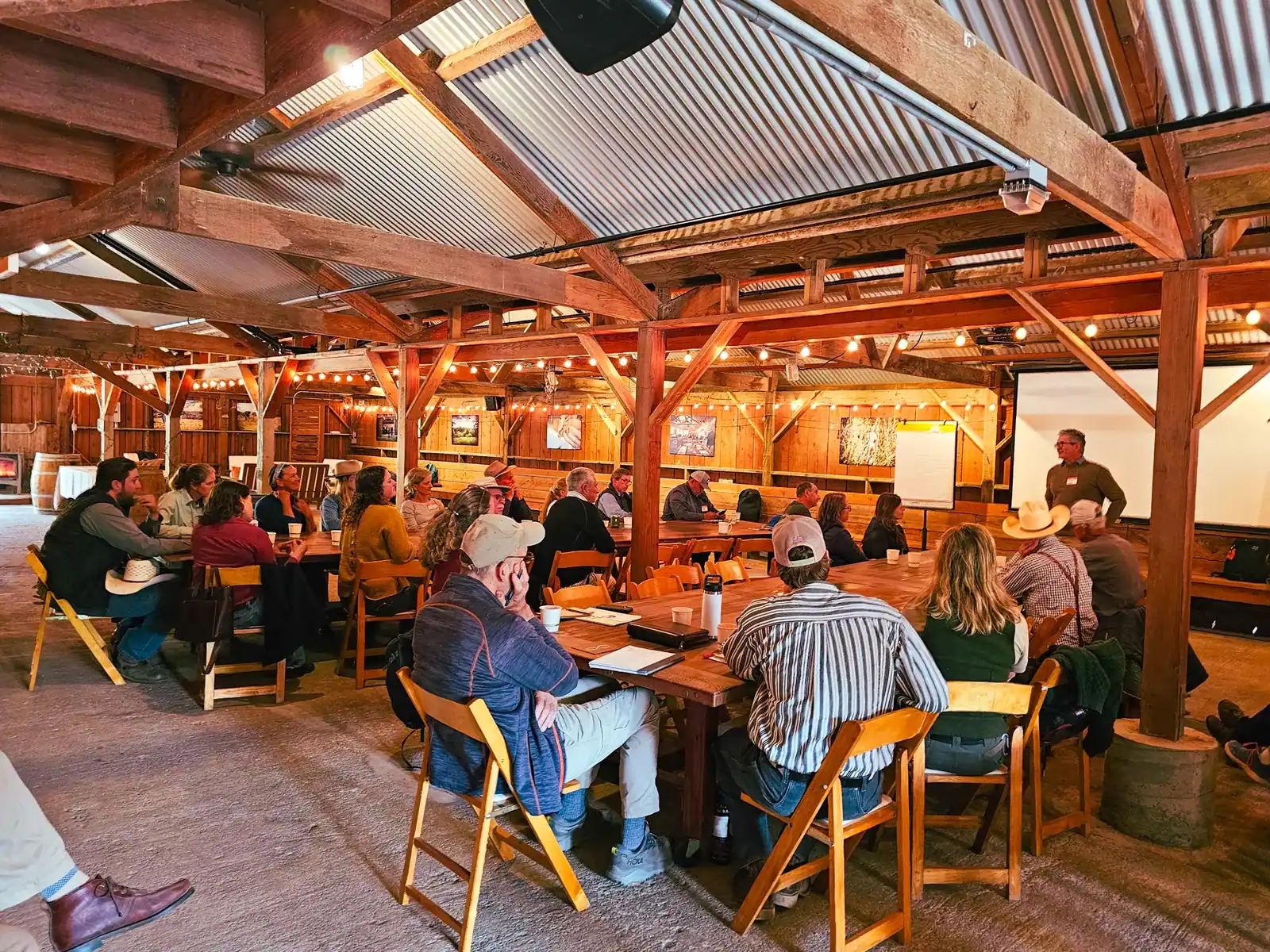 Photo: Holistic Management International
Holistic Management InternationalAlbuquerque, New Mexico nonprofit that teaches Holistic Management, a decision-making framework for grazing, land, financial and succession planning on farms and ranches. It runs online workshops, a one-year Whole Farm/Ranch trainer course and a certified educator program, and in October 2026 it co-hosts the REGENERATE conference in Santa Fe with the Quivira Coalition and the American Grassfed Association.Visit site
Photo: Holistic Management International
Holistic Management InternationalAlbuquerque, New Mexico nonprofit that teaches Holistic Management, a decision-making framework for grazing, land, financial and succession planning on farms and ranches. It runs online workshops, a one-year Whole Farm/Ranch trainer course and a certified educator program, and in October 2026 it co-hosts the REGENERATE conference in Santa Fe with the Quivira Coalition and the American Grassfed Association.Visit site
Manufacturers
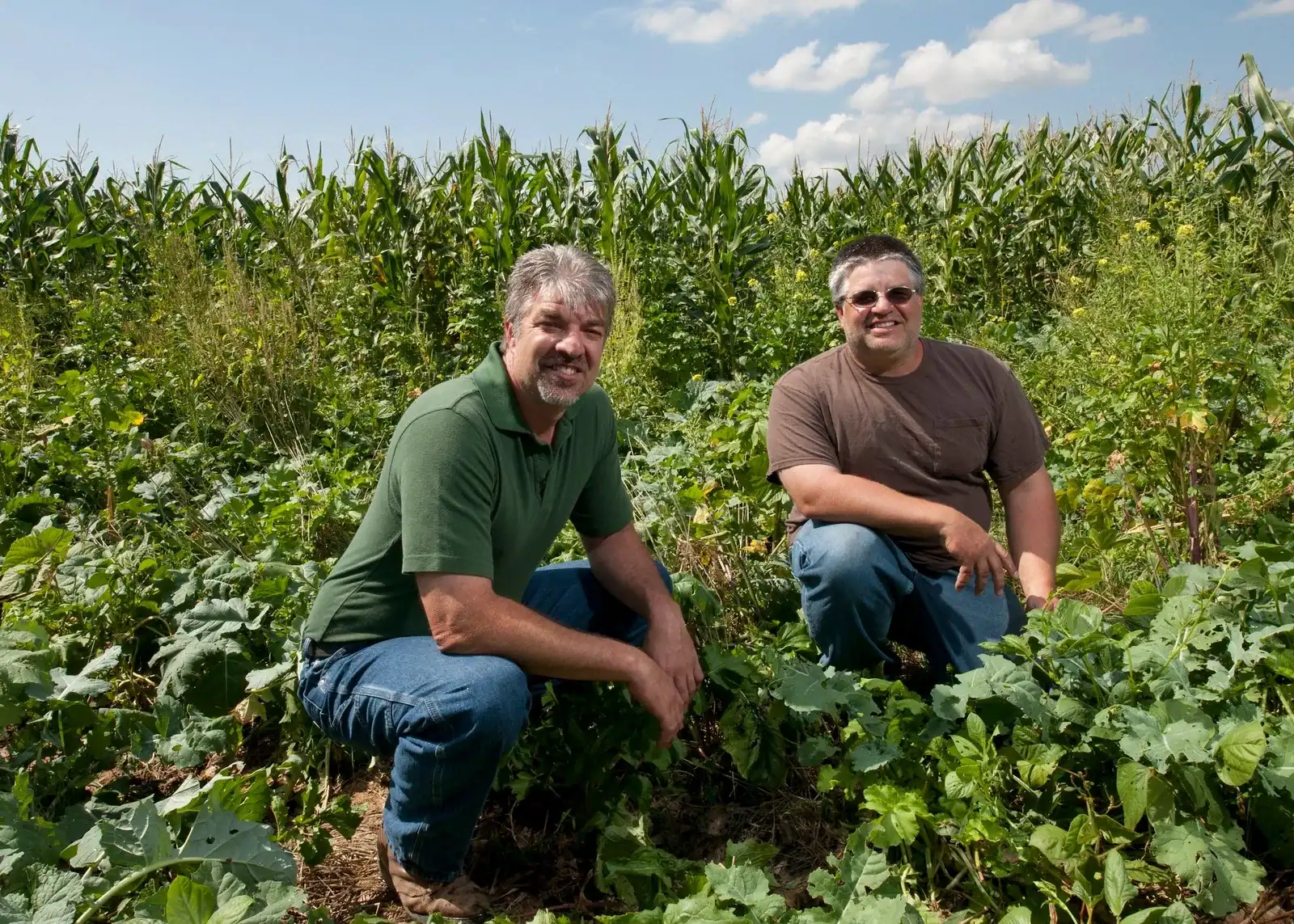 Photo: Green Cover
Green CoverFamily-owned cover crop seed company in Bladen, Nebraska, started in 2008 by brothers Keith and Brian Berns on their farm. It grows, cleans and blends seed and ships custom and pre-made mixes to producers across the United States and Canada. Its free SmartMix tool rates species by goal, planting date and location, and the company hosts soil health conferences.Visit site
Photo: Green Cover
Green CoverFamily-owned cover crop seed company in Bladen, Nebraska, started in 2008 by brothers Keith and Brian Berns on their farm. It grows, cleans and blends seed and ships custom and pre-made mixes to producers across the United States and Canada. Its free SmartMix tool rates species by goal, planting date and location, and the company hosts soil health conferences.Visit site
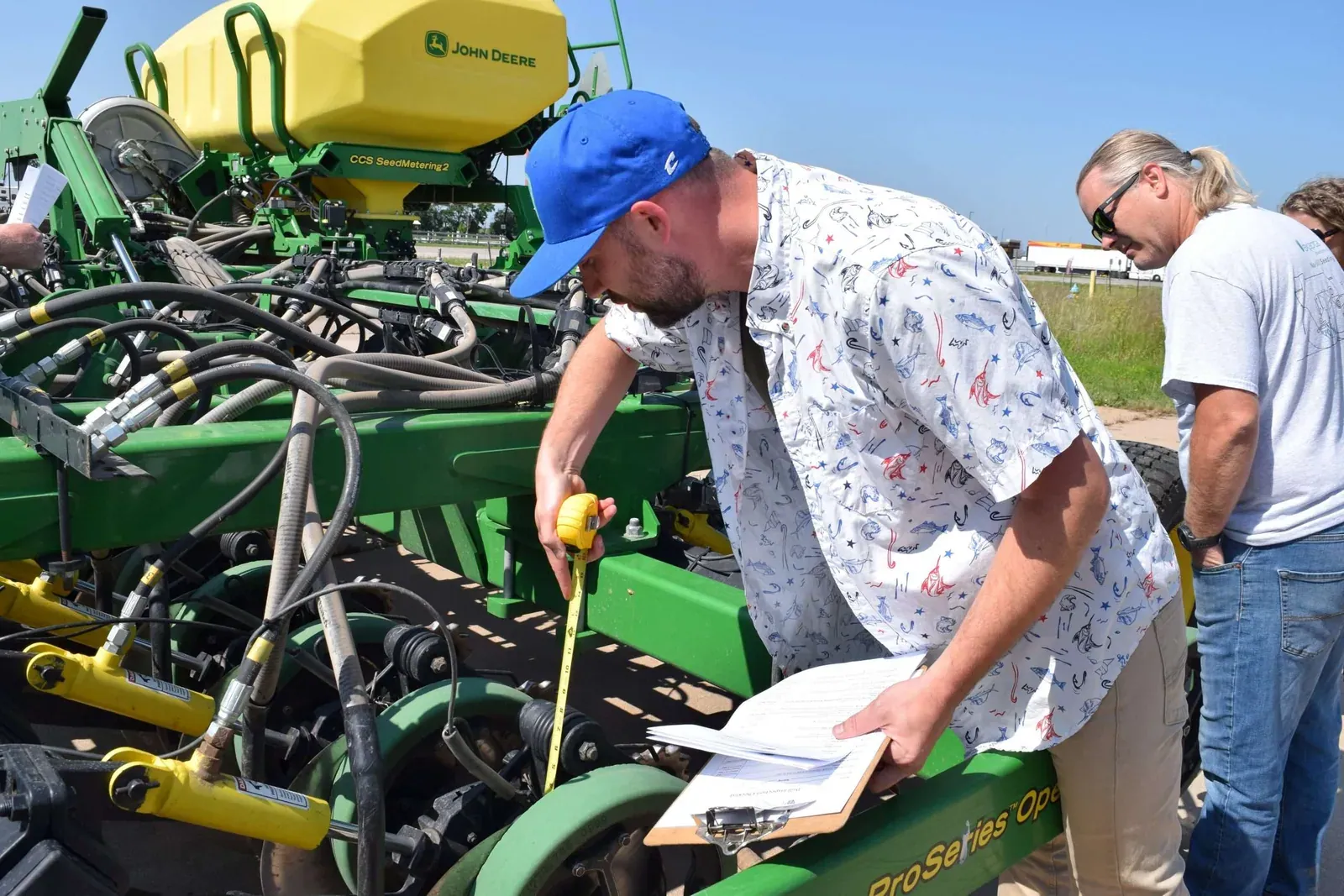 Photo: Exapta Solutions
Exapta SolutionsMcPherson, Kansas company developed by agronomist Matt Hagny that makes no-till seeding parts for planters and drills: Thompson closing wheels, Valion seed tube guards, Ninja seed bounce flaps, DuraLok seed lock wheels, UniForce hydraulic downpressure and opener blades. It also publishes a monthly newsletter and educational material on seeding into heavy residue.Visit site
Photo: Exapta Solutions
Exapta SolutionsMcPherson, Kansas company developed by agronomist Matt Hagny that makes no-till seeding parts for planters and drills: Thompson closing wheels, Valion seed tube guards, Ninja seed bounce flaps, DuraLok seed lock wheels, UniForce hydraulic downpressure and opener blades. It also publishes a monthly newsletter and educational material on seeding into heavy residue.Visit site
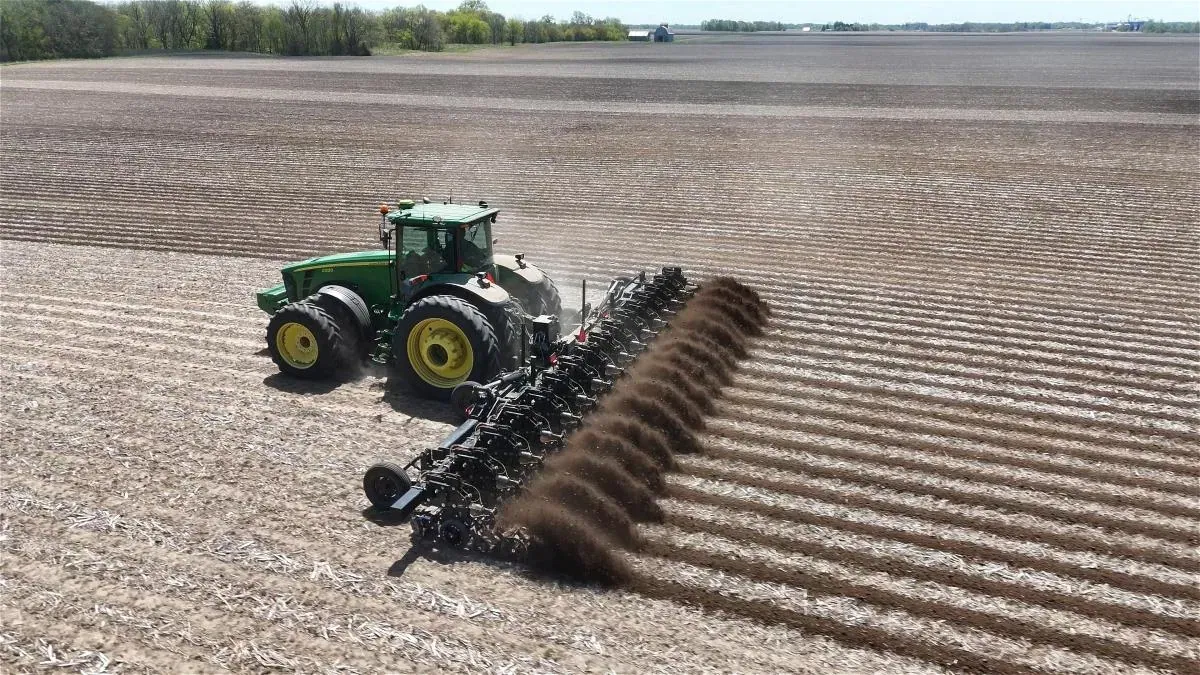 Photo: Yetter Farm Equipment
Yetter Farm EquipmentFamily-owned manufacturer in Colchester, Illinois, building planter attachments since 1930. Its lineup includes row cleaners for planting into residue and cover crops, strip-till units and toolbars, fertilizer openers, closing wheels and a cover crop roller, sold through dealers across the Corn Belt. In 2026 it acquired Kentucky-based Martin Industries, whose Martin-Till store is linked from the Yetter site.Visit site
Photo: Yetter Farm Equipment
Yetter Farm EquipmentFamily-owned manufacturer in Colchester, Illinois, building planter attachments since 1930. Its lineup includes row cleaners for planting into residue and cover crops, strip-till units and toolbars, fertilizer openers, closing wheels and a cover crop roller, sold through dealers across the Corn Belt. In 2026 it acquired Kentucky-based Martin Industries, whose Martin-Till store is linked from the Yetter site.Visit site
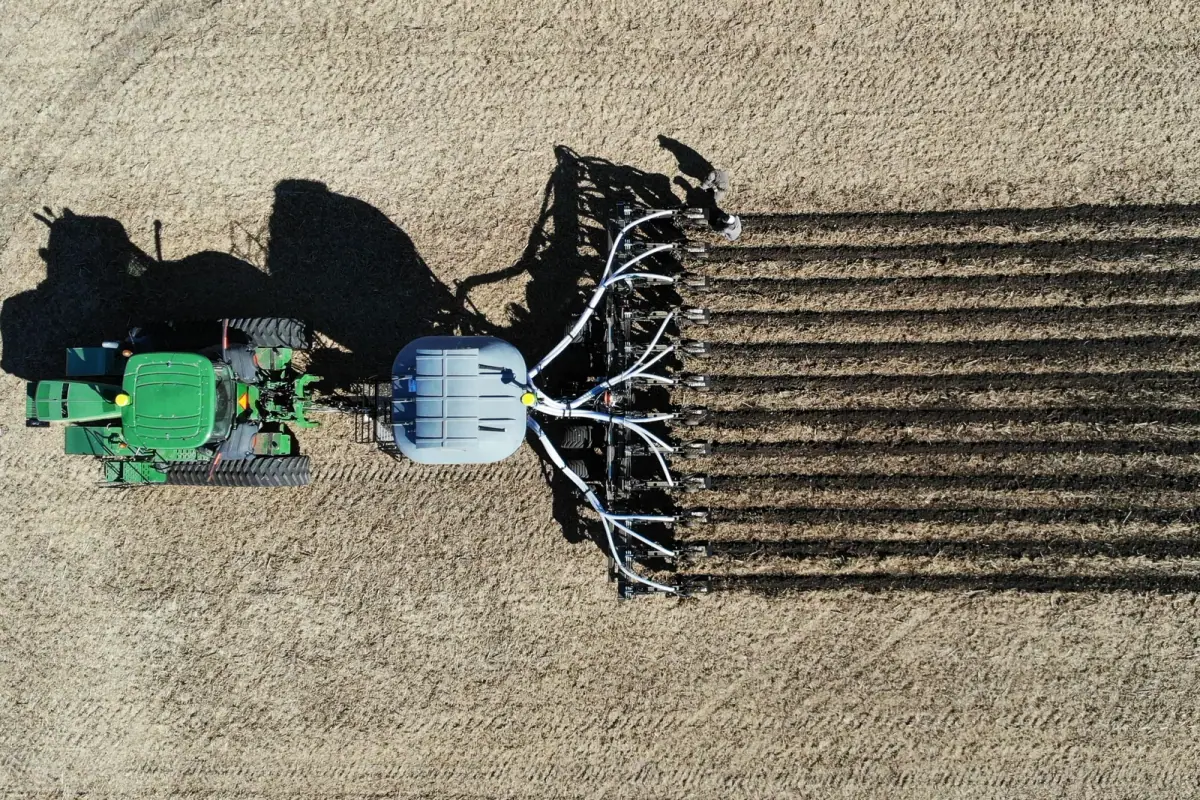 Photo: Dawn Equipment
Dawn EquipmentSycamore, Illinois manufacturer of US-made strip-till and cover crop equipment with more than 40 employees. Its lines cover toolbars from 15 to 60 feet, strip-till row units for high residue, planter row units with pneumatic downforce, and roller crimpers in in-row, full-swath and planter-mounted versions for planting into standing cover crops.Visit site
Photo: Dawn Equipment
Dawn EquipmentSycamore, Illinois manufacturer of US-made strip-till and cover crop equipment with more than 40 employees. Its lines cover toolbars from 15 to 60 feet, strip-till row units for high residue, planter row units with pneumatic downforce, and roller crimpers in in-row, full-swath and planter-mounted versions for planting into standing cover crops.Visit site
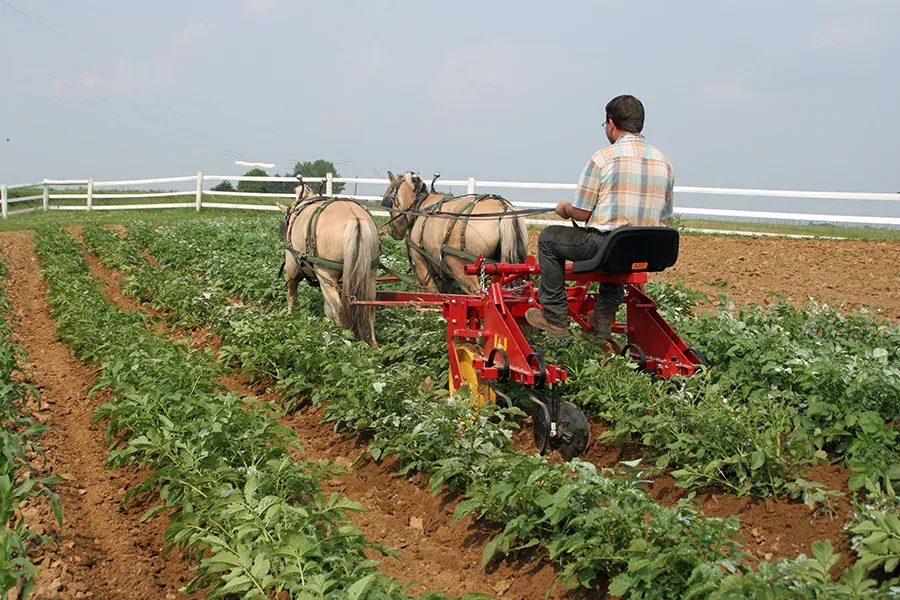 Photo: I & J Manufacturing
I & J ManufacturingFamily-owned fabrication shop in Gordonville, Lancaster County, Pennsylvania, in business since 1984 with a manufacturing facility near Intercourse. It builds crop rollers, cultivators, sickle mowers, forecarts and garden equipment for both horse-drawn and tractor use. Its cover crop roller crimpers appear in SARE on-farm research reports on organic no-till.Visit site
Photo: I & J Manufacturing
I & J ManufacturingFamily-owned fabrication shop in Gordonville, Lancaster County, Pennsylvania, in business since 1984 with a manufacturing facility near Intercourse. It builds crop rollers, cultivators, sickle mowers, forecarts and garden equipment for both horse-drawn and tractor use. Its cover crop roller crimpers appear in SARE on-farm research reports on organic no-till.Visit site
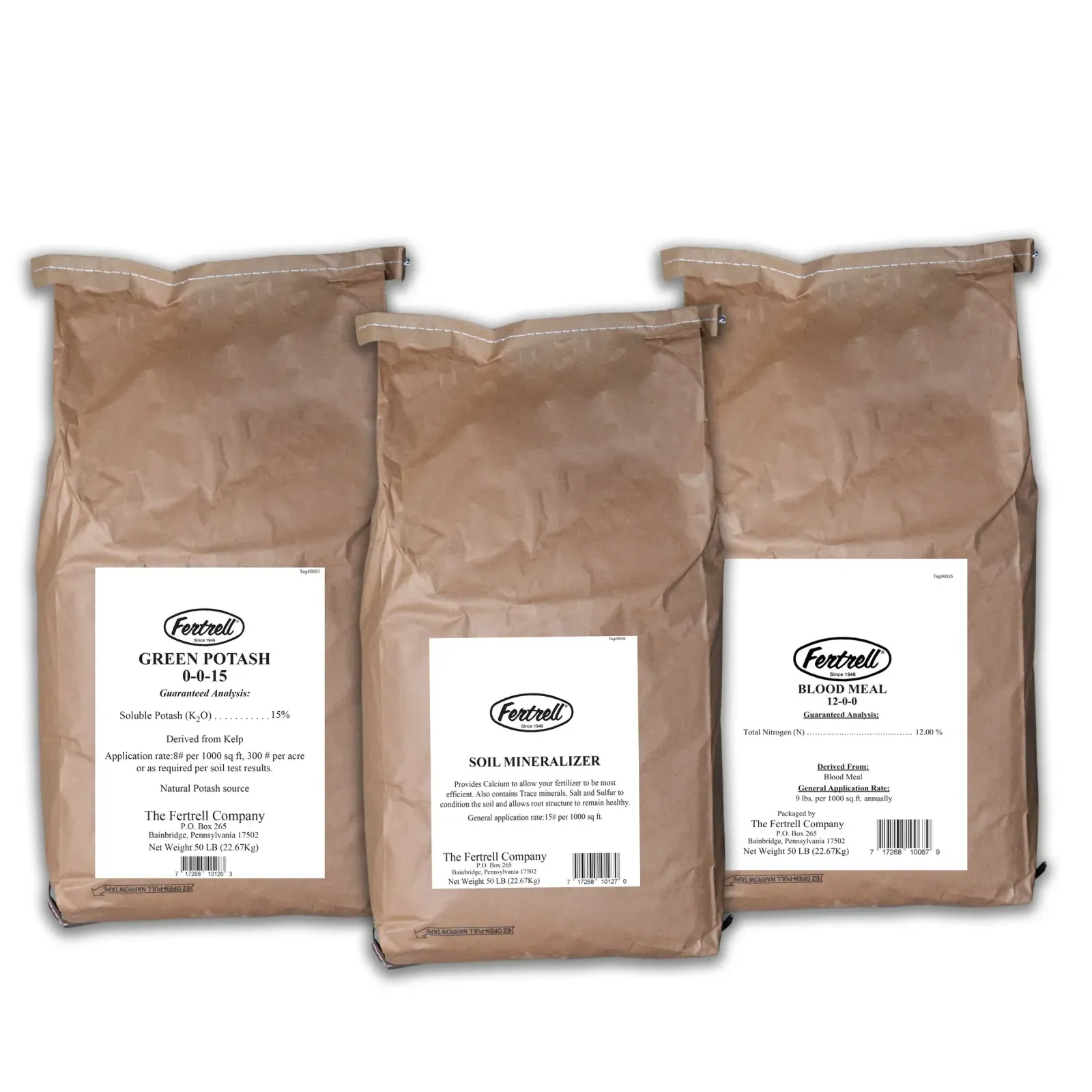 Photo: The Fertrell Company
The Fertrell CompanyEmployee-owned maker of natural and organic fertilizers, soil amendments and livestock nutrition products in Bainbridge, Pennsylvania, founded in 1946 and in Lancaster County since 1961. Its Nutri-Balancer poultry and livestock supplements date from 1974. The company sells through dealers to farms and homesteads across the United States and publishes regular articles on soil and animal health.Visit site
Photo: The Fertrell Company
The Fertrell CompanyEmployee-owned maker of natural and organic fertilizers, soil amendments and livestock nutrition products in Bainbridge, Pennsylvania, founded in 1946 and in Lancaster County since 1961. Its Nutri-Balancer poultry and livestock supplements date from 1974. The company sells through dealers to farms and homesteads across the United States and publishes regular articles on soil and animal health.Visit site
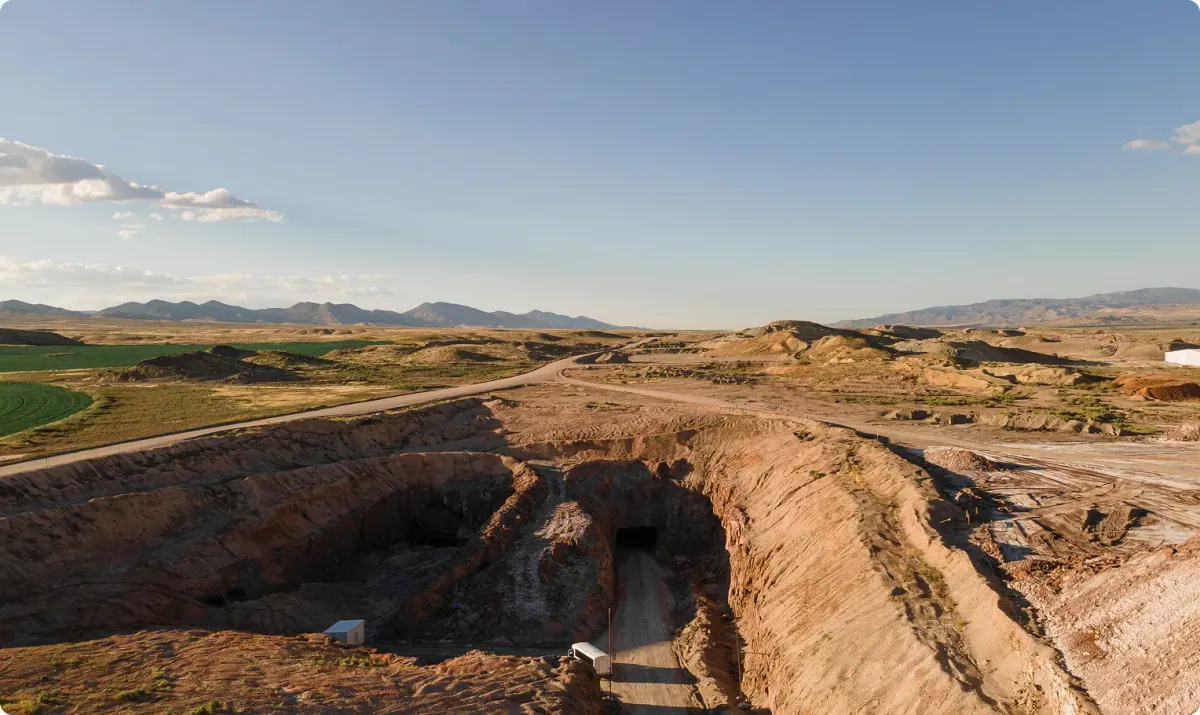 Photo: Redmond Agriculture
Redmond AgricultureMineral products company in Redmond, Utah, that mines an ancient sea salt and volcanic clay deposit in central Utah. It sells mineral and sea salt supplements for cattle, sheep, goats, bison and poultry and mineral soil amendments for pasture and cropland, and its blog covers livestock mineral programs, forage quality and poultry.Visit site
Photo: Redmond Agriculture
Redmond AgricultureMineral products company in Redmond, Utah, that mines an ancient sea salt and volcanic clay deposit in central Utah. It sells mineral and sea salt supplements for cattle, sheep, goats, bison and poultry and mineral soil amendments for pasture and cropland, and its blog covers livestock mineral programs, forage quality and poultry.Visit site
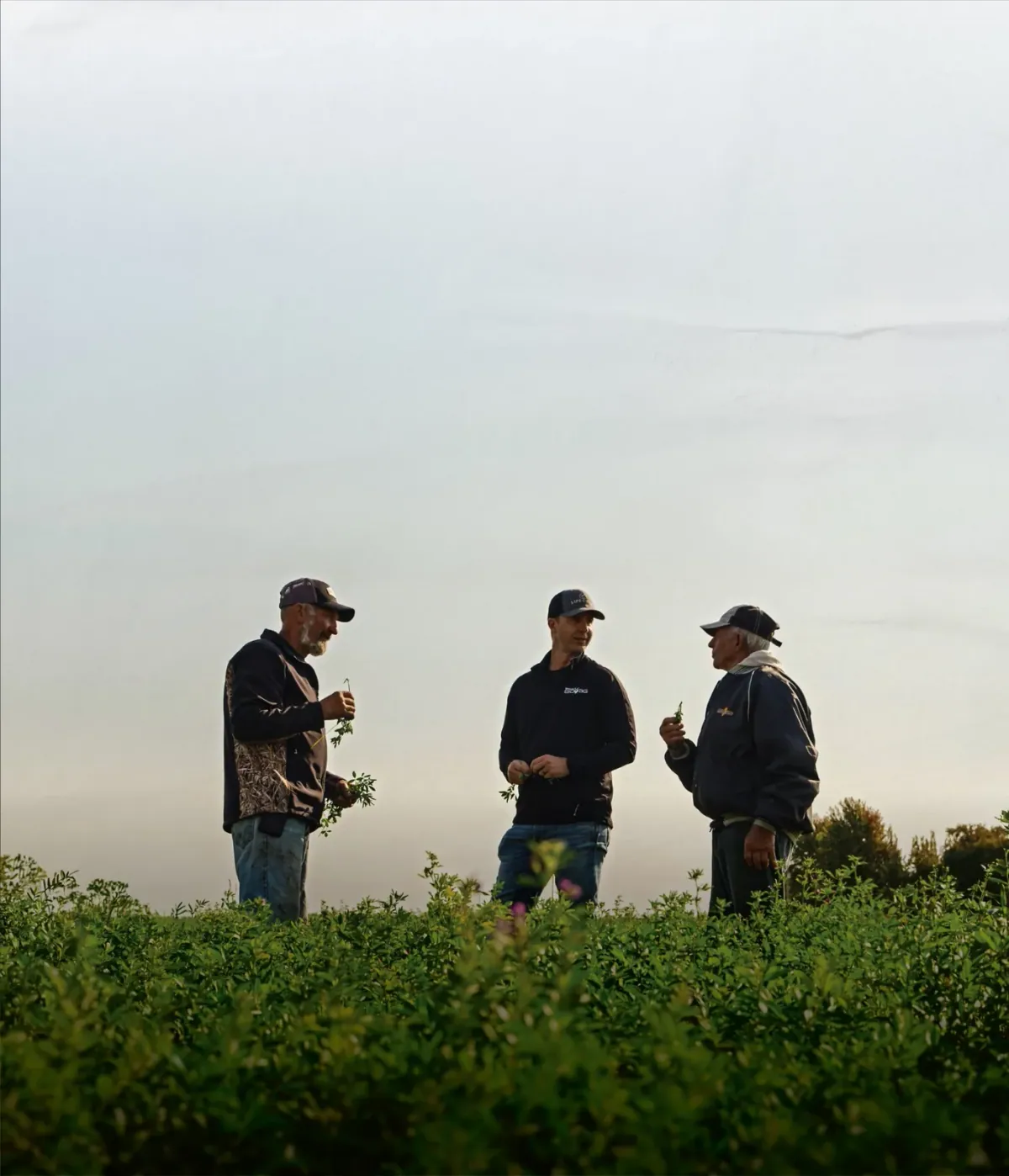 Photo: Midwestern BioAg
Midwestern BioAgBlue Mounds, Wisconsin company with about four decades in biological farming. It manufactures conventional, organic and TerraNu fertilizers, the Bio-Cal calcium amendment and Bio-Gel water-efficiency products, formulates livestock nutrition, and runs soil testing, forage and tissue analysis and application services for dairy, grain and produce farms across the Midwest.Visit site
Photo: Midwestern BioAg
Midwestern BioAgBlue Mounds, Wisconsin company with about four decades in biological farming. It manufactures conventional, organic and TerraNu fertilizers, the Bio-Cal calcium amendment and Bio-Gel water-efficiency products, formulates livestock nutrition, and runs soil testing, forage and tissue analysis and application services for dairy, grain and produce farms across the Midwest.Visit site
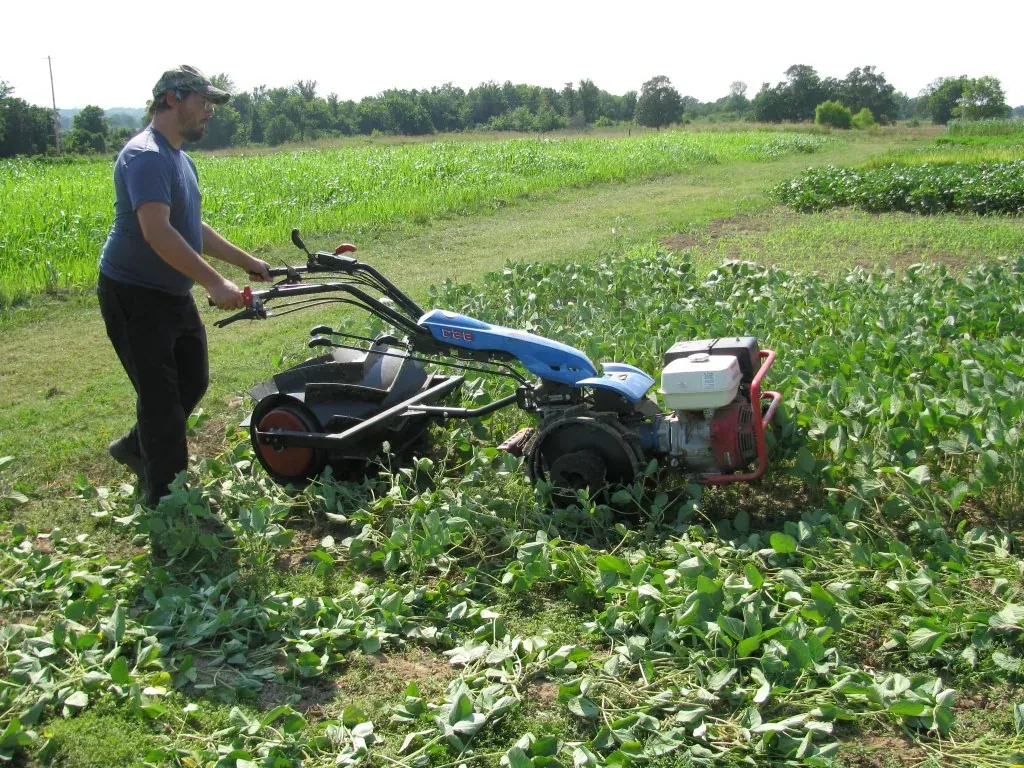 Photo: Earth Tools
Earth ToolsSmall farm equipment dealer and builder in Owenton, Kentucky. It sells and services BCS and Grillo walk-behind tractors with more than 45 implement types, keeps a large parts inventory, and makes its own implements, including a crimper-roller, a plastic mulch layer, the PowerBarrow and a buck-rake, for market gardens and homesteads.Visit site
Photo: Earth Tools
Earth ToolsSmall farm equipment dealer and builder in Owenton, Kentucky. It sells and services BCS and Grillo walk-behind tractors with more than 45 implement types, keeps a large parts inventory, and makes its own implements, including a crimper-roller, a plastic mulch layer, the PowerBarrow and a buck-rake, for market gardens and homesteads.Visit site
 Photo: Farmers Friend
Farmers FriendTennessee company that designs tools and structures for small farms and market gardens. Its founder's Quick-Cut Greens Harvester entered production in 2012 after a demonstration to Eliot Coleman, and the range now includes caterpillar and high tunnel kits, Quick-Plant fabric, silage tarps, overhead irrigation, a flame weeder and a 2026 guide to NRCS high tunnel grants.Visit site
Photo: Farmers Friend
Farmers FriendTennessee company that designs tools and structures for small farms and market gardens. Its founder's Quick-Cut Greens Harvester entered production in 2012 after a demonstration to Eliot Coleman, and the range now includes caterpillar and high tunnel kits, Quick-Plant fabric, silage tarps, overhead irrigation, a flame weeder and a 2026 guide to NRCS high tunnel grants.Visit site
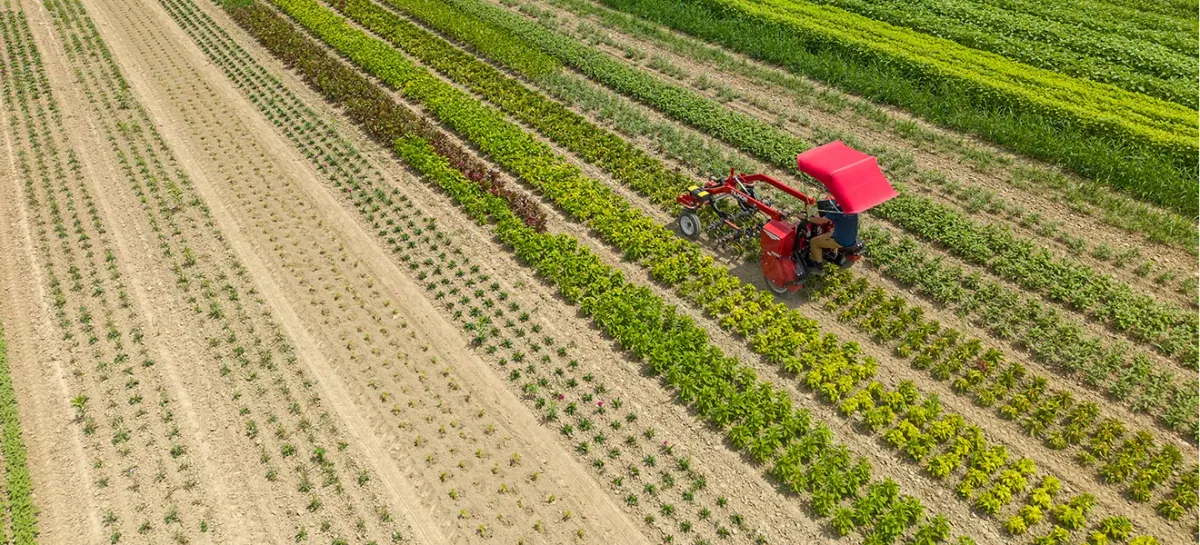 Photo: Tilmor
TilmorDalton, Ohio manufacturer of cultivation and planting equipment for small and market farms. Its lineup includes the Super E electric cultivating tractor, the 520M diesel tractor, the Power Ox two-wheel tractor, the E-Ox electric wheel hoe, finger weeders, custom toolbars and Wizard vacuum planters, built for mechanical weed control instead of herbicides.Visit site
Photo: Tilmor
TilmorDalton, Ohio manufacturer of cultivation and planting equipment for small and market farms. Its lineup includes the Super E electric cultivating tractor, the 520M diesel tractor, the Power Ox two-wheel tractor, the E-Ox electric wheel hoe, finger weeders, custom toolbars and Wizard vacuum planters, built for mechanical weed control instead of herbicides.Visit site
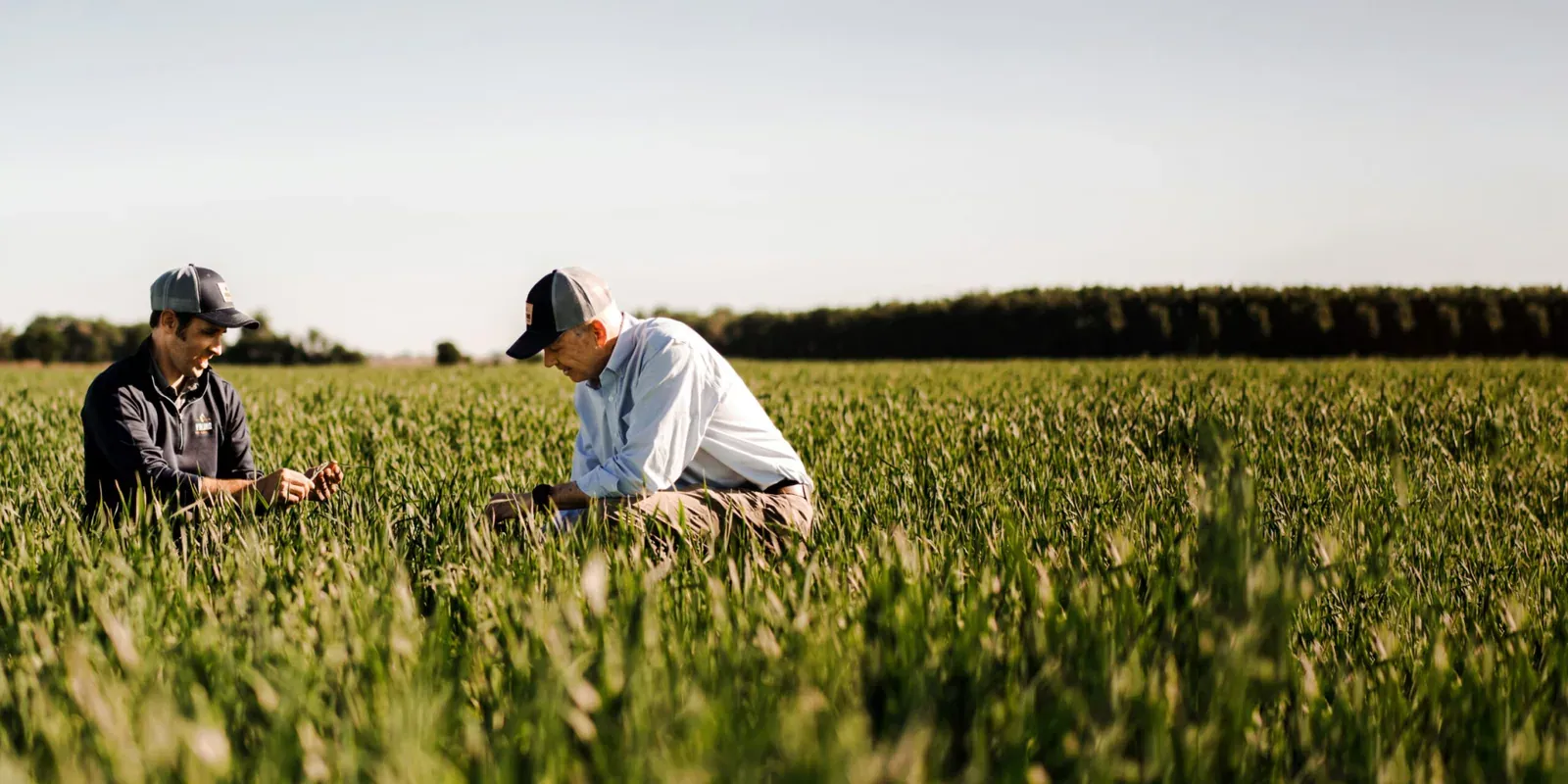 Photo: Albert Lea Seed
Albert Lea SeedFourth-generation, family-owned independent seed company in Albert Lea, Minnesota, in business for more than a century. It sells Blue River organic corn, soybeans and alfalfa, Viking non-GMO hybrids, and a wide cover crop range with mixes, brassicas, grasses and legumes, plus forages, small grains, native grasses and inoculants, and it publishes its own trial results.Visit site
Photo: Albert Lea Seed
Albert Lea SeedFourth-generation, family-owned independent seed company in Albert Lea, Minnesota, in business for more than a century. It sells Blue River organic corn, soybeans and alfalfa, Viking non-GMO hybrids, and a wide cover crop range with mixes, brassicas, grasses and legumes, plus forages, small grains, native grasses and inoculants, and it publishes its own trial results.Visit site
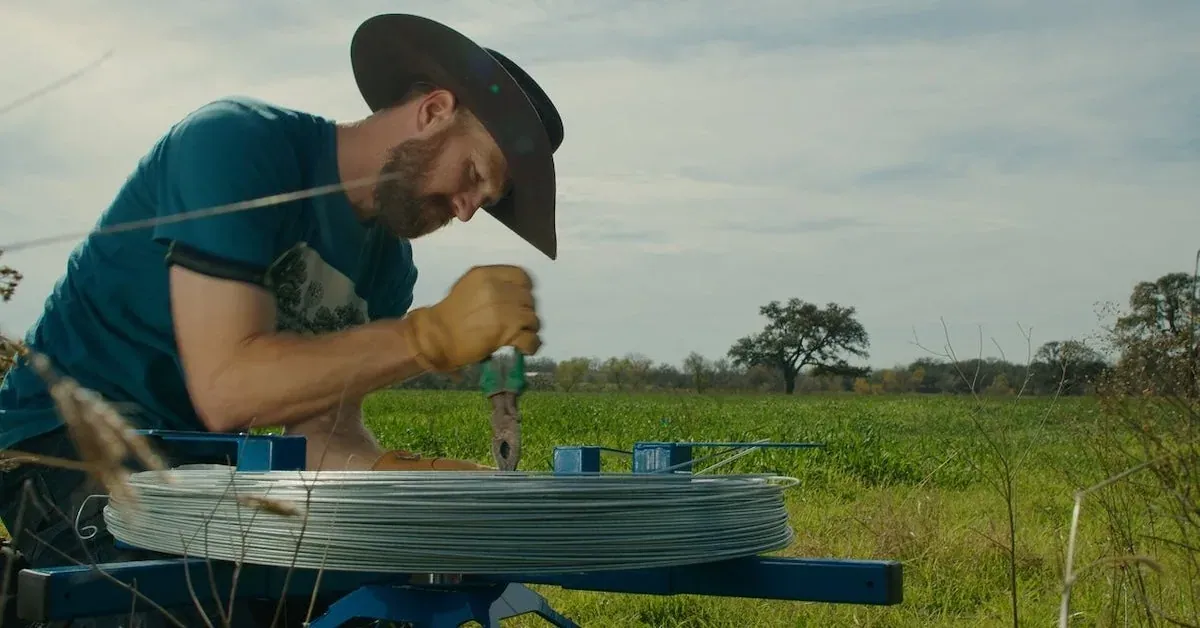 Photo: Powerflex Supply
Powerflex SupplyElectric fence and livestock water supplier founded in 1994 in Seymour, Missouri, where it keeps its store and warehouse, and now headquartered in Texas. It designs more than 50 products in-house, including Powerflex polybraid and hi-tensile woven wire, and stocks reels, step-in posts, energizers, HDPE pipe and tanks for rotational graziers, with a blog on grazing infrastructure.Visit site
Photo: Powerflex Supply
Powerflex SupplyElectric fence and livestock water supplier founded in 1994 in Seymour, Missouri, where it keeps its store and warehouse, and now headquartered in Texas. It designs more than 50 products in-house, including Powerflex polybraid and hi-tensile woven wire, and stocks reels, step-in posts, energizers, HDPE pipe and tanks for rotational graziers, with a blog on grazing infrastructure.Visit site
 Photo: Heliae Development (PhycoTerra)
Heliae (PhycoTerra)Gilbert, Arizona manufacturer that grew out of Arizona State University research and now trades as PhycoTerra. It produces microalgae-based soil amendments and seed, foliar and residue treatments that feed soil microbes and build organic matter, sold for corn, soybeans, wheat, canola and potatoes. Its blog publishes regular pieces on no-till, residue and manure management.Visit site
Photo: Heliae Development (PhycoTerra)
Heliae (PhycoTerra)Gilbert, Arizona manufacturer that grew out of Arizona State University research and now trades as PhycoTerra. It produces microalgae-based soil amendments and seed, foliar and residue treatments that feed soil microbes and build organic matter, sold for corn, soybeans, wheat, canola and potatoes. Its blog publishes regular pieces on no-till, residue and manure management.Visit site