
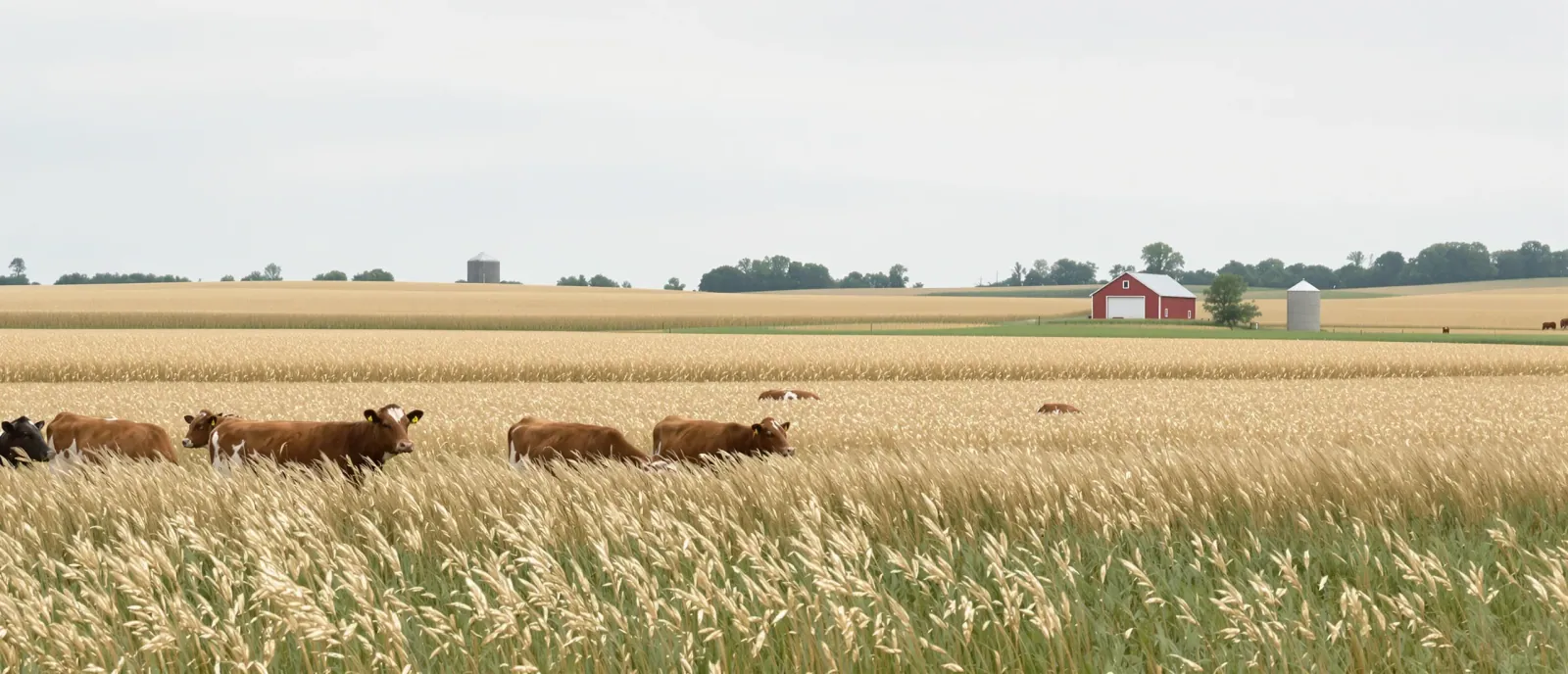
Food Brands
These are food brands that put regenerative farming at the center of what they sell: meat from animals raised on pasture for their whole lives, dairy from grass-based herds, grains and snacks bought through direct relationships with farmers, and labels such as Regenerative Organic Certified and Land to Market that verify outcomes on the land.
Every entry is a US company we checked in October 2026, with its own site live, products on sale and a soil-building practice, certification or program stated on it. Small farm-owned labels sit next to national brands, from Texas and the Northern Plains to California and Pennsylvania. Where a claim rests on the company's own reporting, the blurb says so.
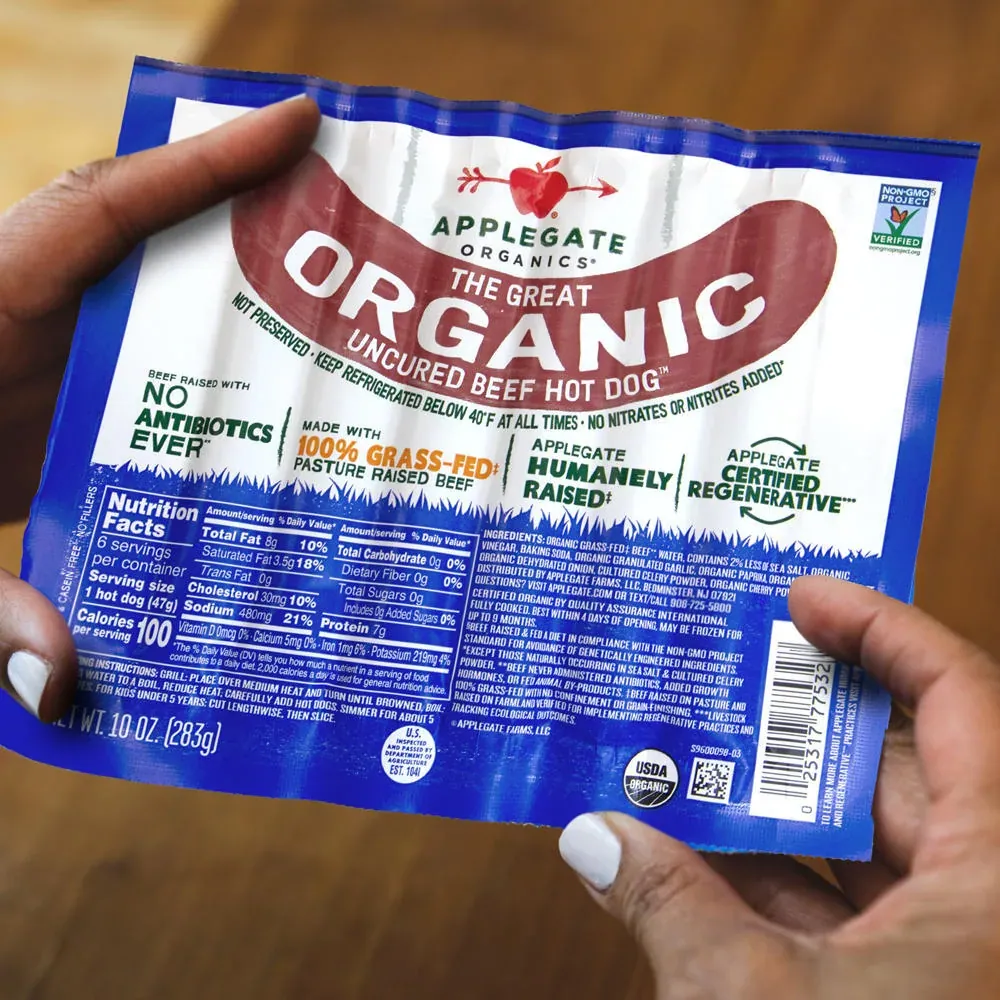 Photo: Applegate Farms
ApplegateApplegate, a Hormel Foods subsidiary based in Bridgewater, New Jersey, sells natural and organic hot dogs, sausages, bacon and deli meats. Since March 2025 it reports sourcing all of its beef hot dogs from certified regenerative farms, verified by Land to Market and Regenerative Organic Certified, which it says moved 10.8 million acres of grassland into certified regenerative management.Visit site
Photo: Applegate Farms
ApplegateApplegate, a Hormel Foods subsidiary based in Bridgewater, New Jersey, sells natural and organic hot dogs, sausages, bacon and deli meats. Since March 2025 it reports sourcing all of its beef hot dogs from certified regenerative farms, verified by Land to Market and Regenerative Organic Certified, which it says moved 10.8 million acres of grassland into certified regenerative management.Visit site
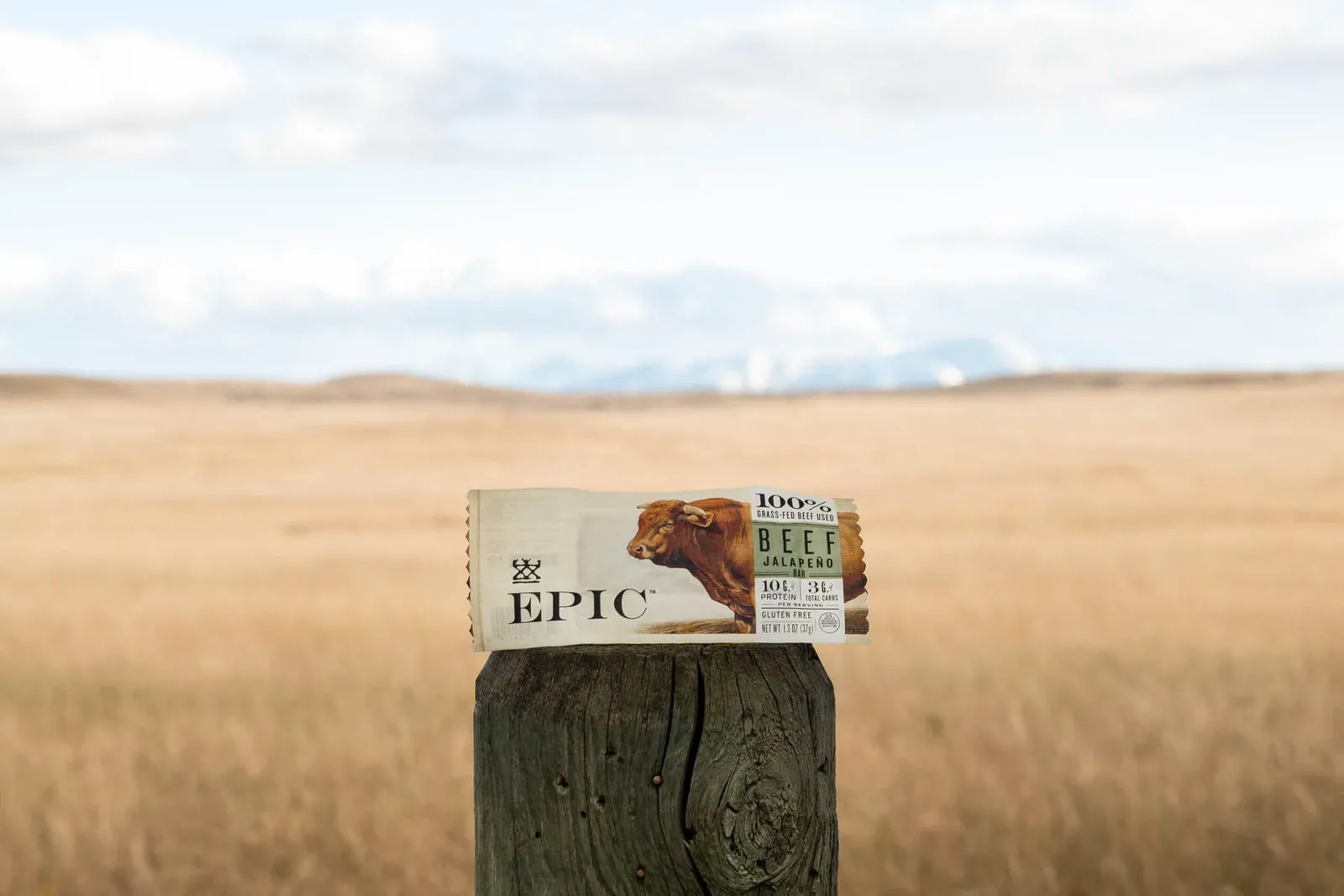 Photo: EPIC Provisions
EPIC ProvisionsEPIC Provisions, started in Austin, Texas, in 2013 and owned by General Mills since 2016, makes meat bars, bites, bone broth and cooking fats from grass-fed beef, bison and venison. Its site links to the Savory Institute, and its Beef Barbacoa bar is sold as Land to Market verified, the first bar to carry that seal in 2021.Visit site
Photo: EPIC Provisions
EPIC ProvisionsEPIC Provisions, started in Austin, Texas, in 2013 and owned by General Mills since 2016, makes meat bars, bites, bone broth and cooking fats from grass-fed beef, bison and venison. Its site links to the Savory Institute, and its Beef Barbacoa bar is sold as Land to Market verified, the first bar to carry that seal in 2021.Visit site
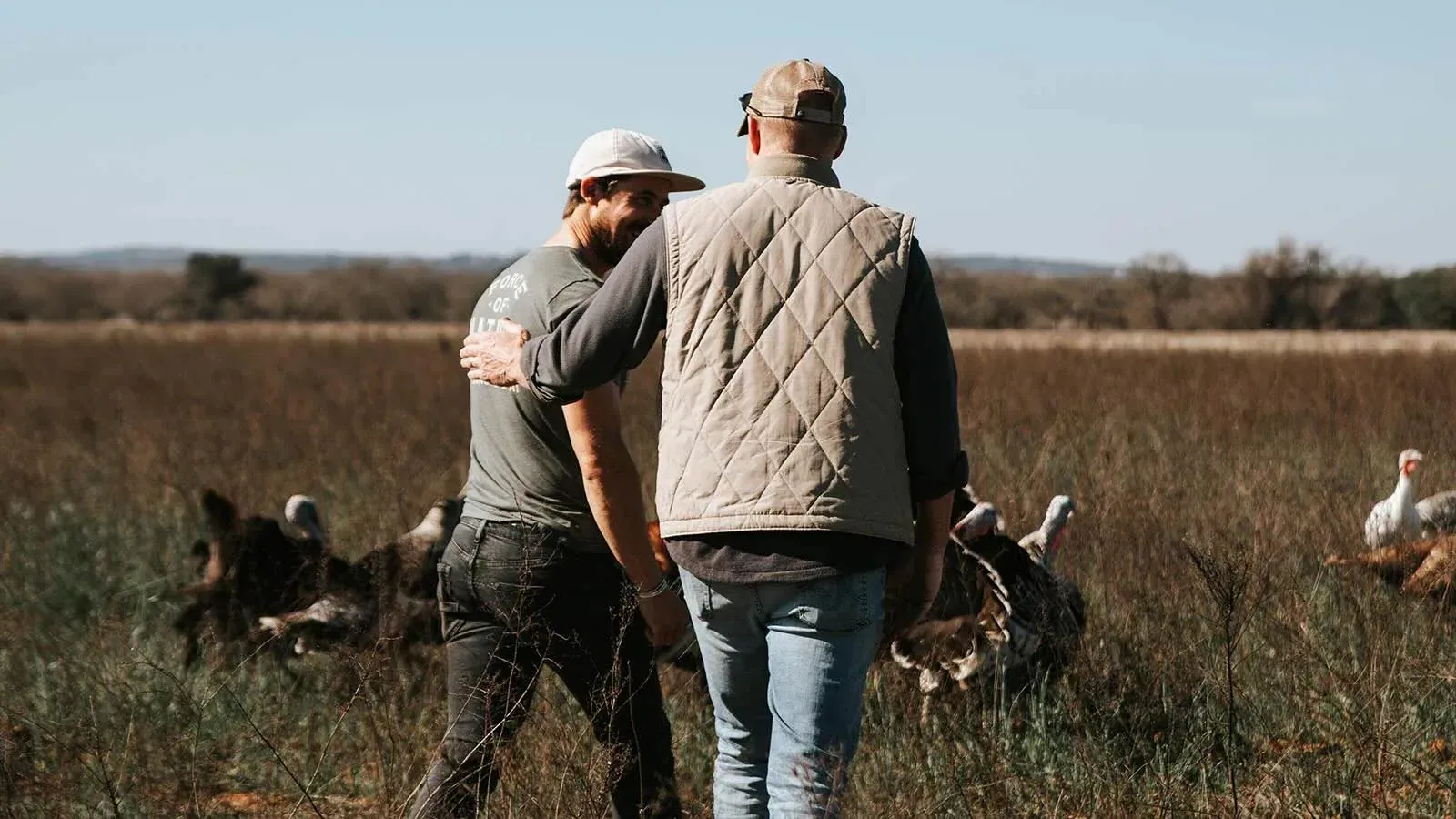 Photo: Force of Nature
Force of NatureForce of Nature is a regenerative meat company in Austin, Texas, selling grass-fed beef, bison, venison and slow-growth chicken online and in grocery stores. Its 2025 impact page counts 917 ranch partners across 20 states and four countries and about 3.76 million acres positively impacted. Animals have pasture access and no feedlots, antibiotics or added hormones.Visit site
Photo: Force of Nature
Force of NatureForce of Nature is a regenerative meat company in Austin, Texas, selling grass-fed beef, bison, venison and slow-growth chicken online and in grocery stores. Its 2025 impact page counts 917 ranch partners across 20 states and four countries and about 3.76 million acres positively impacted. Animals have pasture access and no feedlots, antibiotics or added hormones.Visit site
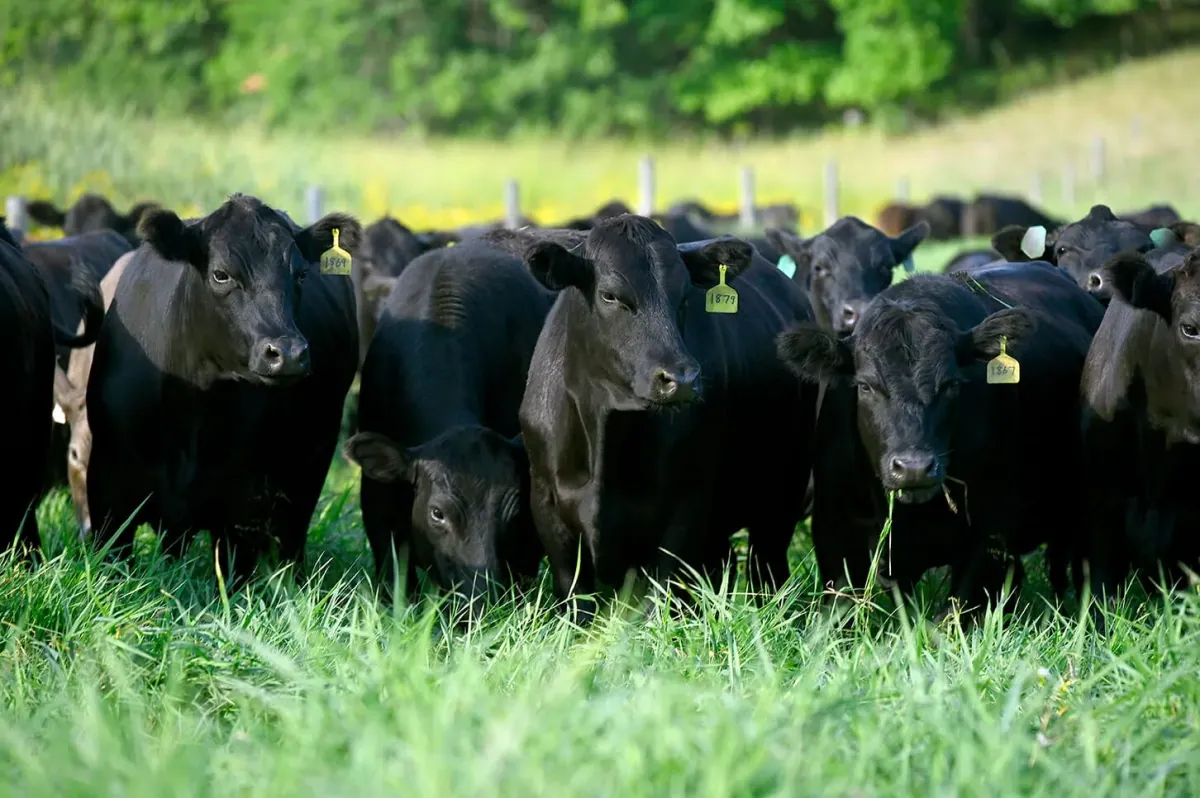 Photo: Thousand Hills Lifetime Grazed
Thousand Hills Lifetime GrazedThousand Hills Lifetime Grazed in Becker, Minnesota, sells 100 percent grass-fed beef from cattle raised on pasture for their whole lives. It sources from about 50 family farms in the Midwest, Northeast and West and reports 600,000 acres positively impacted. In January 2026 it acquired the Organic Prairie and Mighty Organic meat brands.Visit site
Photo: Thousand Hills Lifetime Grazed
Thousand Hills Lifetime GrazedThousand Hills Lifetime Grazed in Becker, Minnesota, sells 100 percent grass-fed beef from cattle raised on pasture for their whole lives. It sources from about 50 family farms in the Midwest, Northeast and West and reports 600,000 acres positively impacted. In January 2026 it acquired the Organic Prairie and Mighty Organic meat brands.Visit site
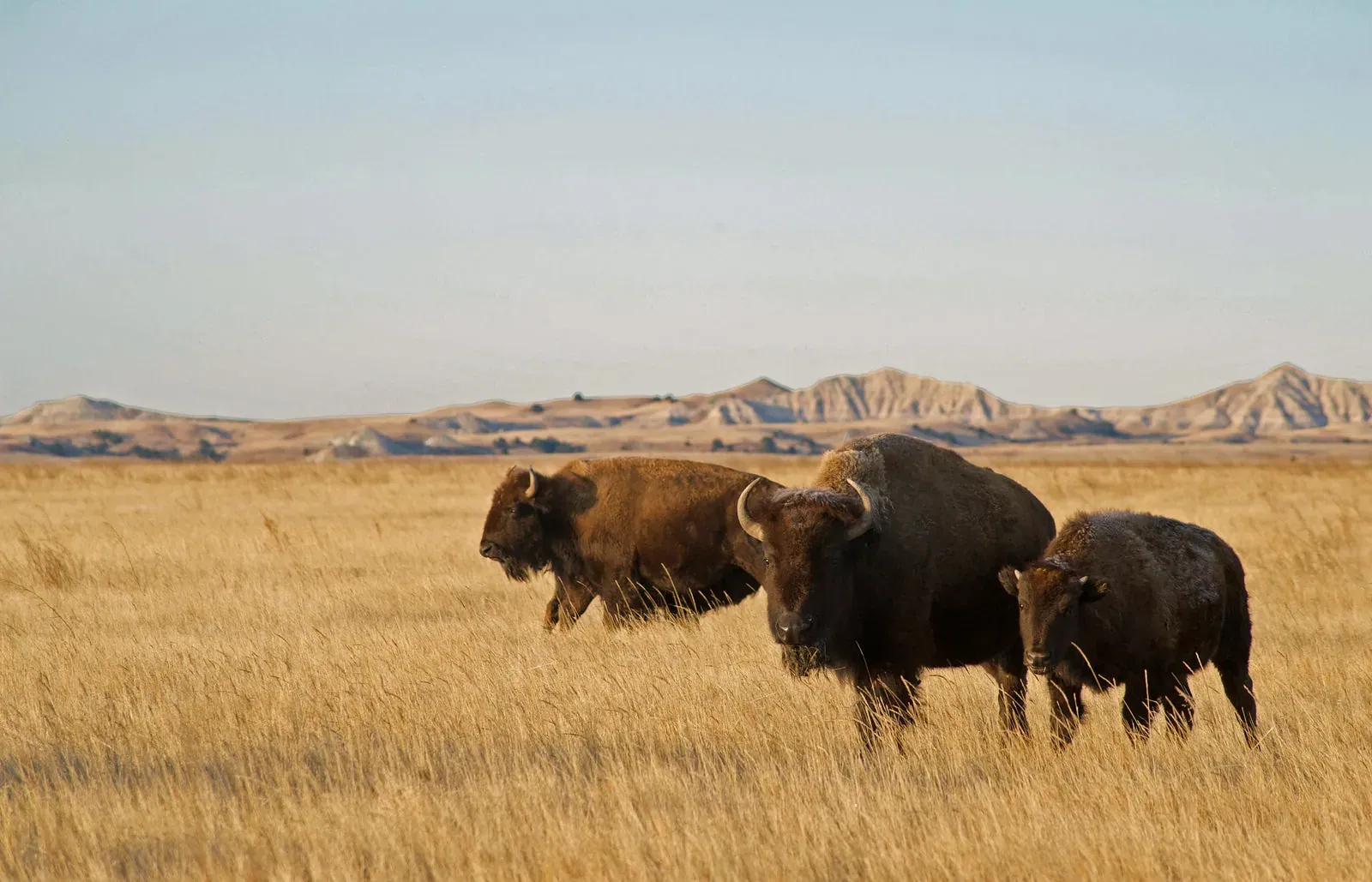 Photo: Wild Idea Buffalo Company
Wild Idea Buffalo CompanyWild Idea Buffalo Company raises 100 percent grass-fed bison on native prairie near Hermosa, South Dakota, and sells steaks, ground meat, roasts, hot dogs and sausages by mail order. The animals are field harvested on the prairie and never see a trailer or feedlot. The company describes itself as the first Regenerative Organic Certified buffalo operation in the country.Visit site
Photo: Wild Idea Buffalo Company
Wild Idea Buffalo CompanyWild Idea Buffalo Company raises 100 percent grass-fed bison on native prairie near Hermosa, South Dakota, and sells steaks, ground meat, roasts, hot dogs and sausages by mail order. The animals are field harvested on the prairie and never see a trailer or feedlot. The company describes itself as the first Regenerative Organic Certified buffalo operation in the country.Visit site
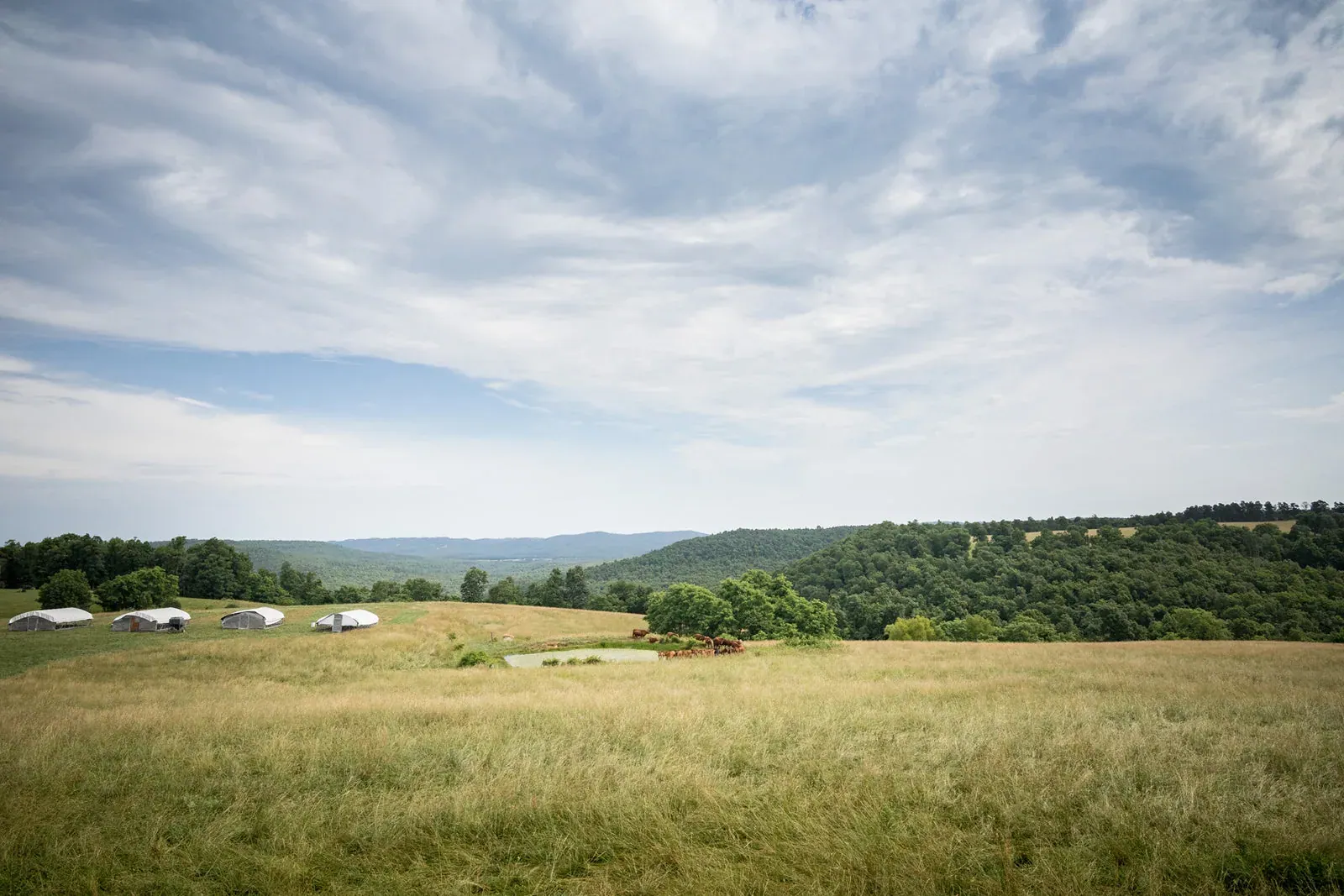 Photo: Grass Roots Farmers' Cooperative
Grass Roots Farmers' CooperativeGrass Roots Farmers' Cooperative is a farmer-owned meat company based in Clinton, Arkansas, that ships pasture-raised chicken, beef, pork, turkey and lamb nationwide. Member farms in Arkansas, Missouri, Mississippi, Oklahoma, Oregon and California use cover crops, no-till planting and rotational grazing, and the co-op has joined the Land to Market program.Visit site
Photo: Grass Roots Farmers' Cooperative
Grass Roots Farmers' CooperativeGrass Roots Farmers' Cooperative is a farmer-owned meat company based in Clinton, Arkansas, that ships pasture-raised chicken, beef, pork, turkey and lamb nationwide. Member farms in Arkansas, Missouri, Mississippi, Oklahoma, Oregon and California use cover crops, no-till planting and rotational grazing, and the co-op has joined the Land to Market program.Visit site
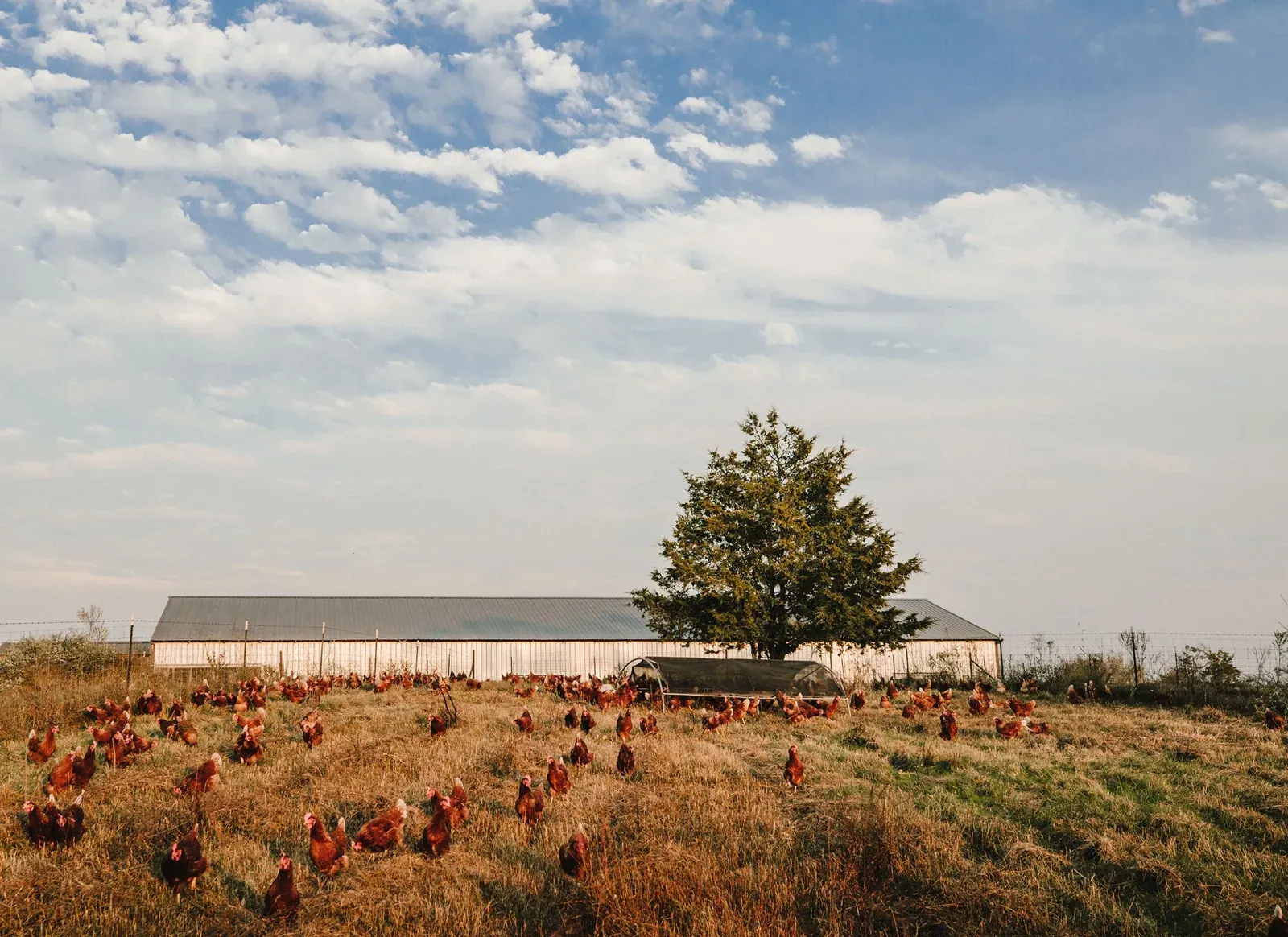 Photo: Vital Farms
Vital FarmsVital Farms, founded in 2007 and based in Austin, Texas, sells pasture-raised eggs and butter from more than 600 family farms and is a Certified B Corporation. Its 2026 impact update sets a goal to engage all of its farmers on regenerative practices by the end of 2026 and reports 59 percent progress, alongside a Restorative egg line.Visit site
Photo: Vital Farms
Vital FarmsVital Farms, founded in 2007 and based in Austin, Texas, sells pasture-raised eggs and butter from more than 600 family farms and is a Certified B Corporation. Its 2026 impact update sets a goal to engage all of its farmers on regenerative practices by the end of 2026 and reports 59 percent progress, alongside a Restorative egg line.Visit site
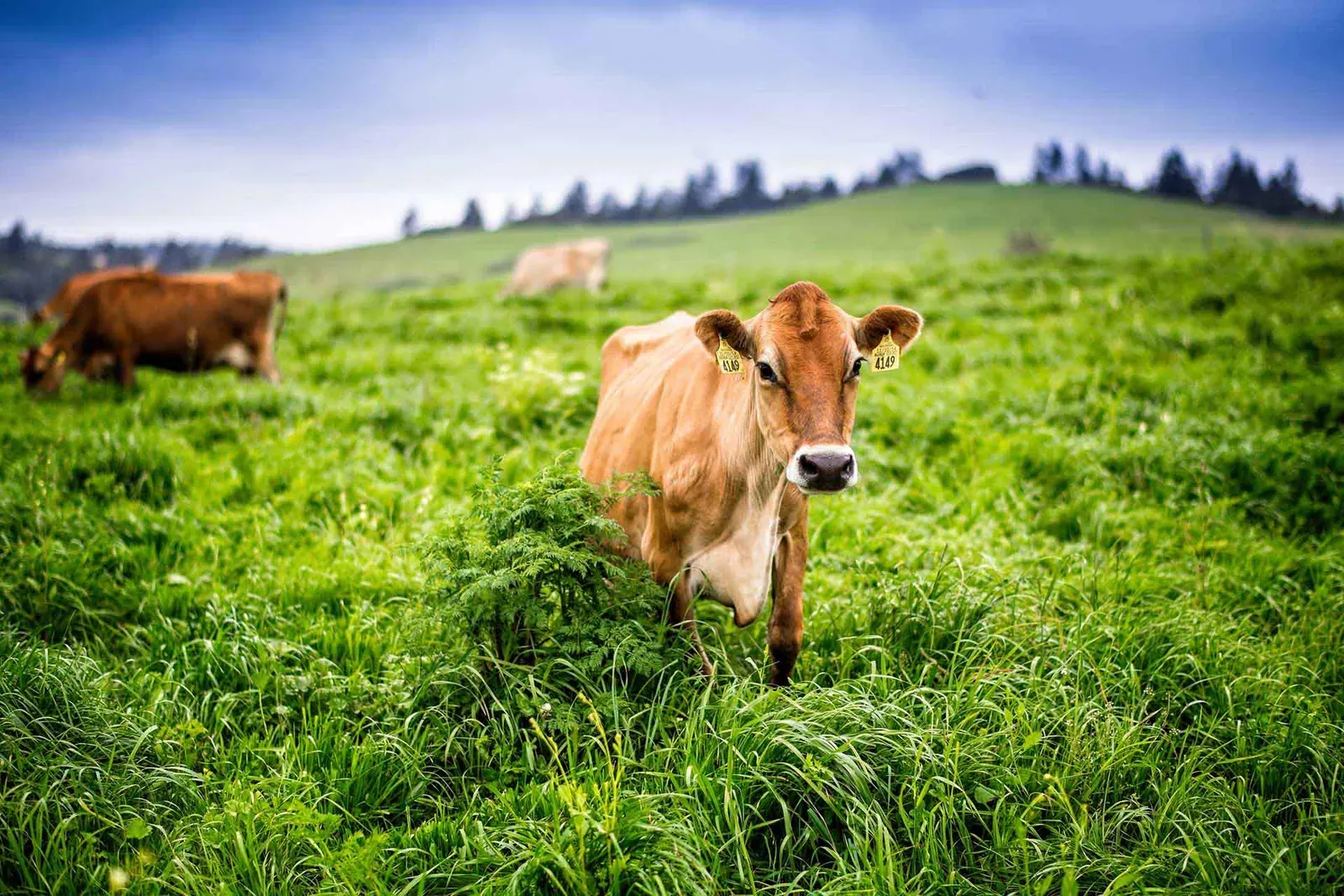 Photo: Straus Family Creamery
Straus Family CreameryStraus Family Creamery in Northern California makes organic milk, yogurt, butter and ice cream from about a dozen family dairies in Marin and Sonoma counties. Albert Straus adopted a Carbon Farm Plan in 2013, the home dairy runs a methane digester that powers farm vehicles, and the supplying farms are working toward carbon neutral operation by 2030.Visit site
Photo: Straus Family Creamery
Straus Family CreameryStraus Family Creamery in Northern California makes organic milk, yogurt, butter and ice cream from about a dozen family dairies in Marin and Sonoma counties. Albert Straus adopted a Carbon Farm Plan in 2013, the home dairy runs a methane digester that powers farm vehicles, and the supplying farms are working toward carbon neutral operation by 2030.Visit site
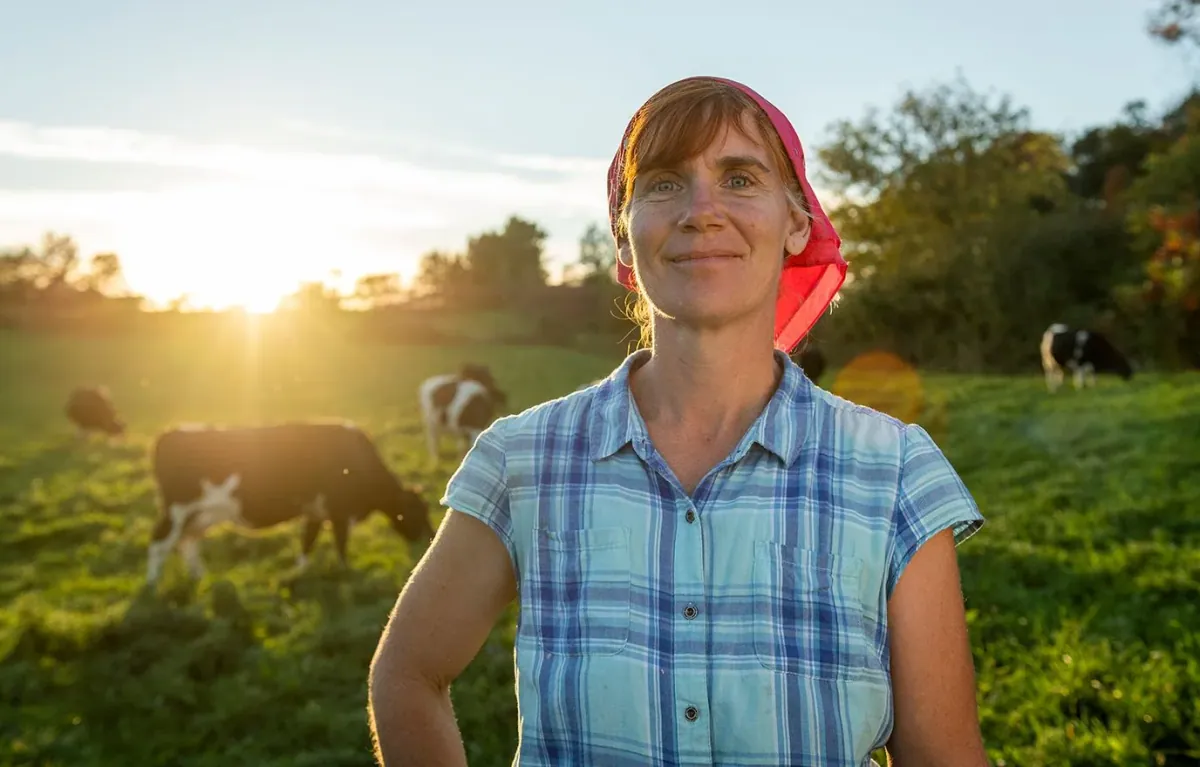 Photo: Organic Valley
Organic ValleyOrganic Valley is a farmer-owned cooperative in La Farge, Wisconsin, founded in 1988, with about 1,500 member family farms selling organic milk, cheese, butter, cream and eggs. Its carbon insetting program supports member farmers who adopt regenerative, climate-smart practices such as enhanced grazing, silvopasture and agroforestry, with projects across 34 states and a carbon neutral goal for 2050.Visit site
Photo: Organic Valley
Organic ValleyOrganic Valley is a farmer-owned cooperative in La Farge, Wisconsin, founded in 1988, with about 1,500 member family farms selling organic milk, cheese, butter, cream and eggs. Its carbon insetting program supports member farmers who adopt regenerative, climate-smart practices such as enhanced grazing, silvopasture and agroforestry, with projects across 34 states and a carbon neutral goal for 2050.Visit site
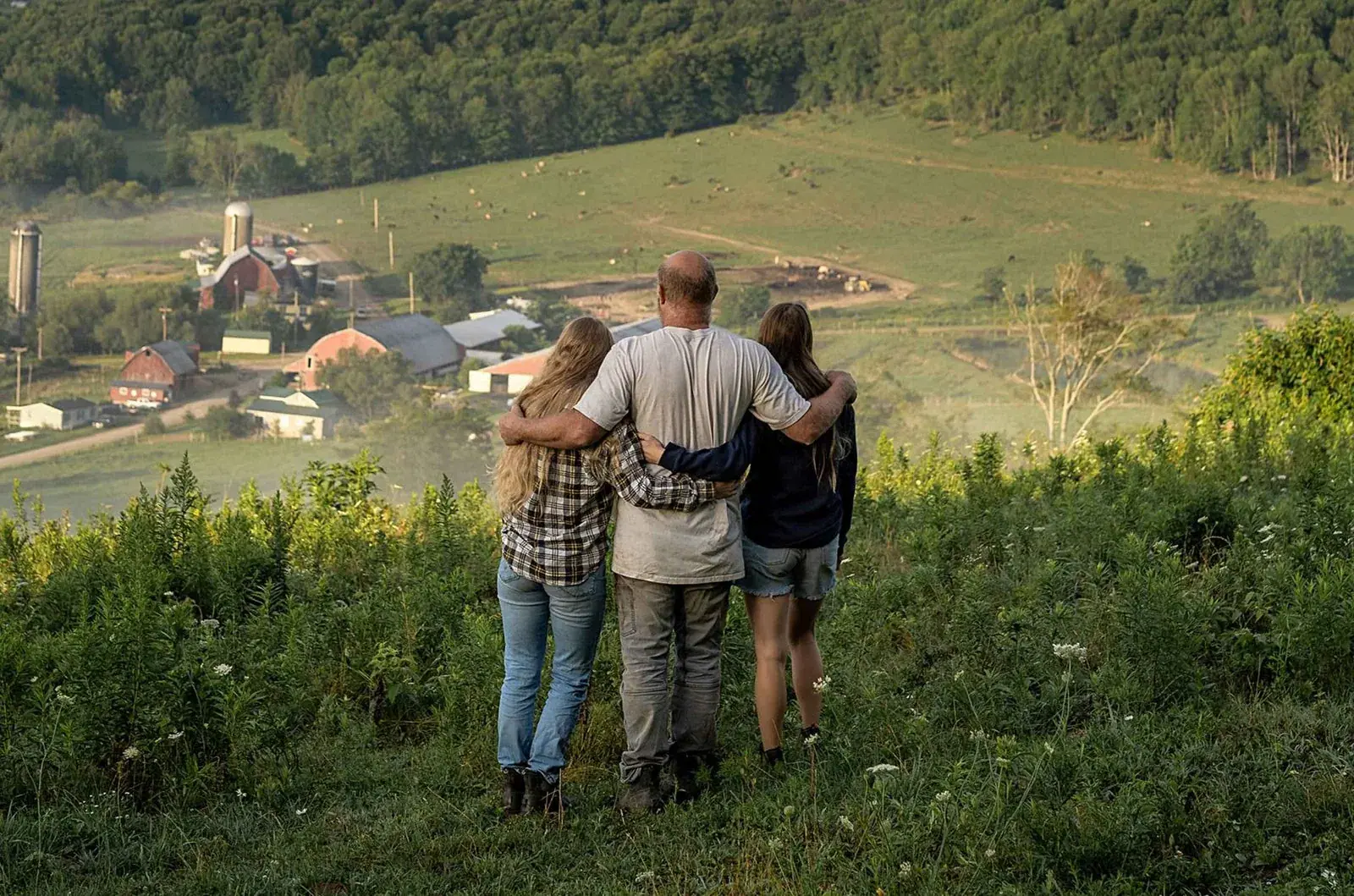 Photo: Painterland Sisters
Painterland SistersPainterland Sisters makes organic Icelandic-style skyr from the milk of the Painter family's fourth-generation dairy in Tioga County, Pennsylvania, and neighboring organic farms. The farm describes itself as organic and regenerative with cows grazing freely, and sisters Stephanie and Hayley Painter sold their first cups in March 2022. The lactose-free skyr is sold in 50 states.Visit site
Photo: Painterland Sisters
Painterland SistersPainterland Sisters makes organic Icelandic-style skyr from the milk of the Painter family's fourth-generation dairy in Tioga County, Pennsylvania, and neighboring organic farms. The farm describes itself as organic and regenerative with cows grazing freely, and sisters Stephanie and Hayley Painter sold their first cups in March 2022. The lactose-free skyr is sold in 50 states.Visit site
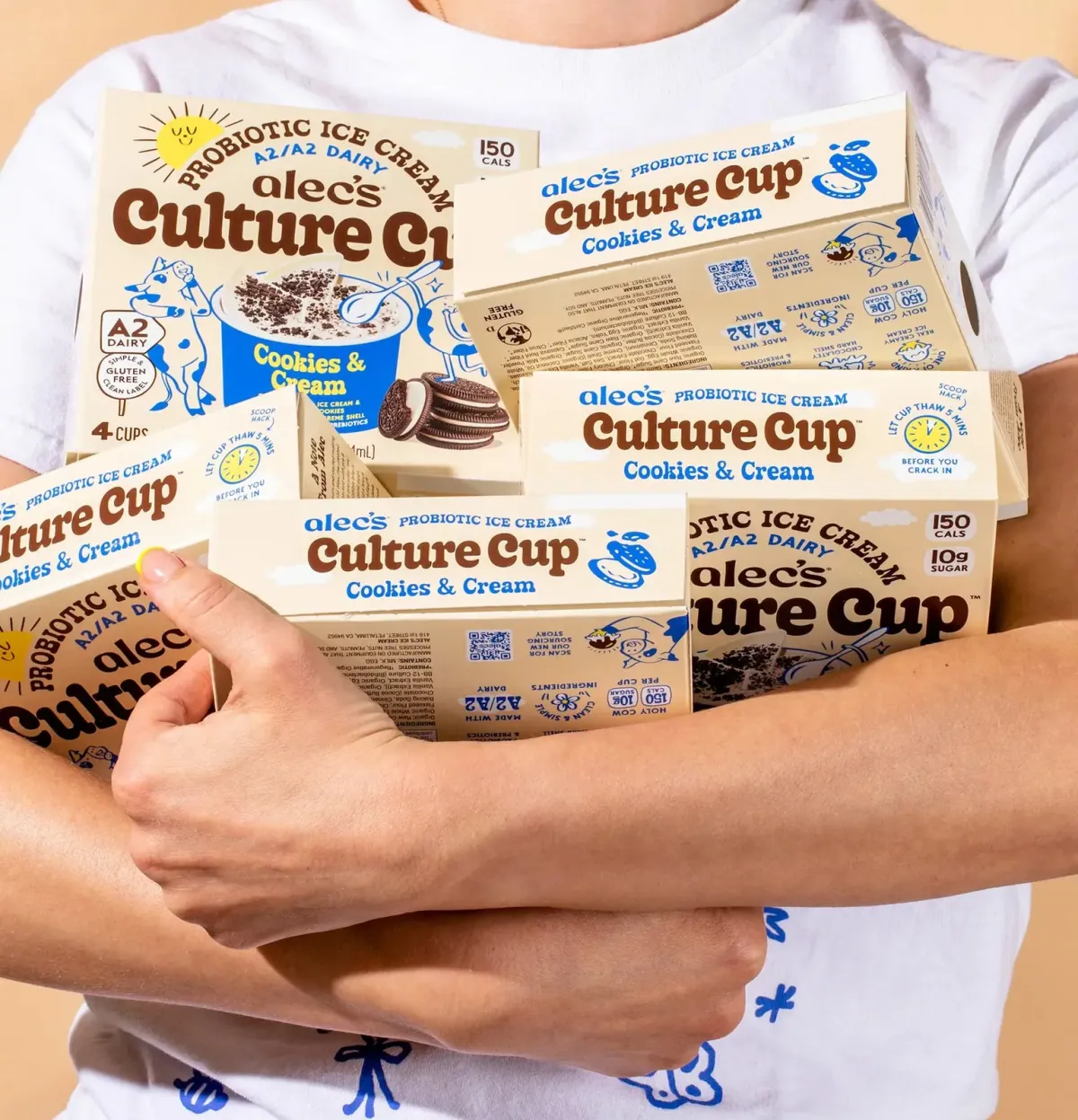 Photo: Alec's Ice Cream
Alec's Ice CreamAlec's Ice Cream in Petaluma, California, makes organic ice cream pints and single-serve Culture Cups from A2/A2 milk from grass-fed cows. Its cane sugar, bananas and cold-brew coffee come from Regenerative Organic Certified suppliers in Brazil and Nicaragua. In October 2025 it closed an 11 million dollar Series A round, with Culture Cups sold at Target, Whole Foods and Wegmans.Visit site
Photo: Alec's Ice Cream
Alec's Ice CreamAlec's Ice Cream in Petaluma, California, makes organic ice cream pints and single-serve Culture Cups from A2/A2 milk from grass-fed cows. Its cane sugar, bananas and cold-brew coffee come from Regenerative Organic Certified suppliers in Brazil and Nicaragua. In October 2025 it closed an 11 million dollar Series A round, with Culture Cups sold at Target, Whole Foods and Wegmans.Visit site
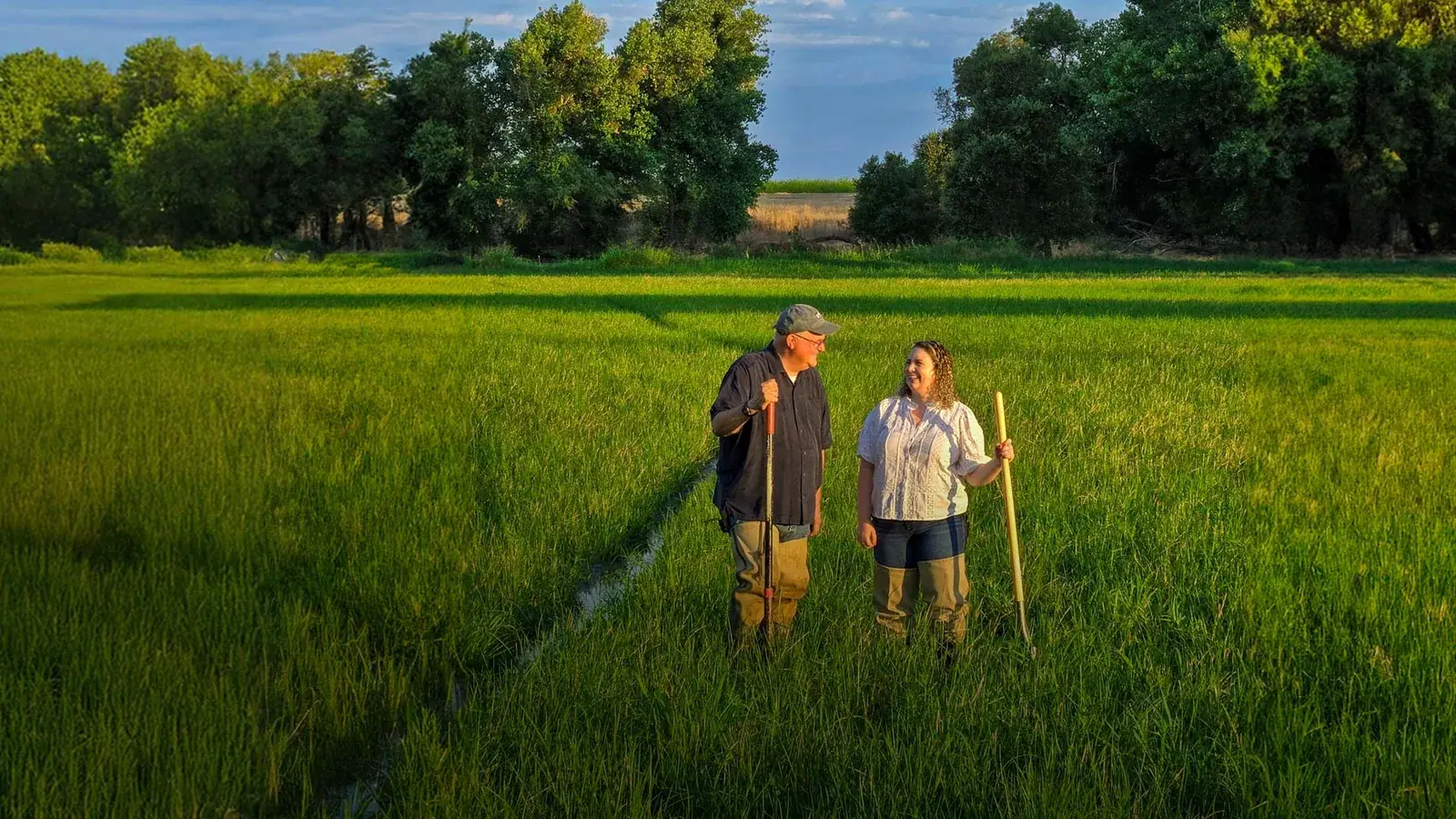 Photo: Lundberg Family Farms
Lundberg Family FarmsLundberg Family Farms has grown rice in Richvale, California, since 1937 and sells rice, rice cakes, ready-to-heat rice and seasoned mixes. Its rice is Regenerative Organic Certified alongside USDA Organic and Non-GMO Project verification. The family-run company publishes an annual report on its farming practices; the latest covers fiscal year 2025.Visit site
Photo: Lundberg Family Farms
Lundberg Family FarmsLundberg Family Farms has grown rice in Richvale, California, since 1937 and sells rice, rice cakes, ready-to-heat rice and seasoned mixes. Its rice is Regenerative Organic Certified alongside USDA Organic and Non-GMO Project verification. The family-run company publishes an annual report on its farming practices; the latest covers fiscal year 2025.Visit site
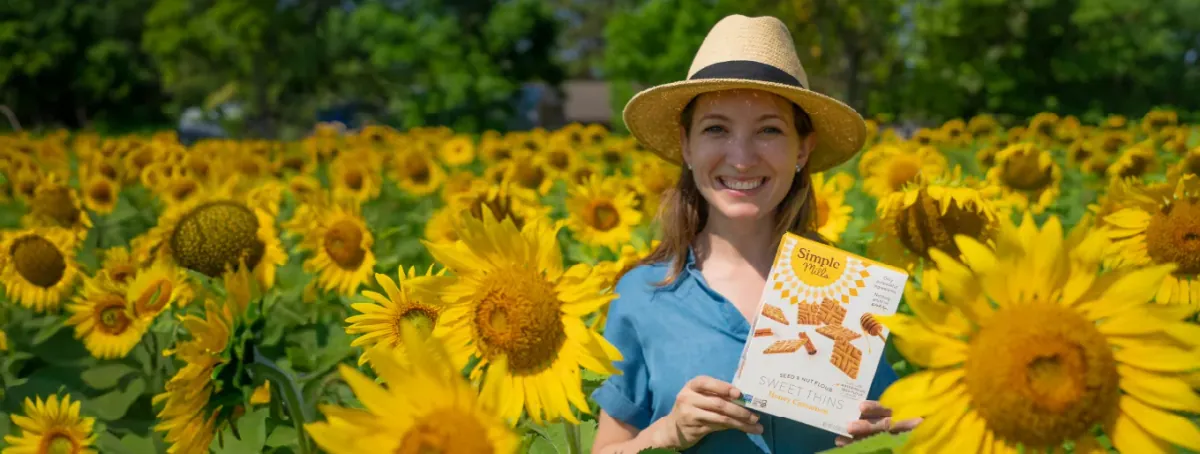 Photo: Simple Mills
Simple MillsSimple Mills, a Chicago snack company owned by Flowers Foods since 2025, makes almond flour crackers, cookies, bars and mixes. Since 2020 it buys sunflower seed directly from a farmer network, and in 2022 it launched The Almond Project, a five-year soil health trial on two 80-acre blocks in California's Central Valley. In February 2026 it gained Non-UPF Verified status.Visit site
Photo: Simple Mills
Simple MillsSimple Mills, a Chicago snack company owned by Flowers Foods since 2025, makes almond flour crackers, cookies, bars and mixes. Since 2020 it buys sunflower seed directly from a farmer network, and in 2022 it launched The Almond Project, a five-year soil health trial on two 80-acre blocks in California's Central Valley. In February 2026 it gained Non-UPF Verified status.Visit site
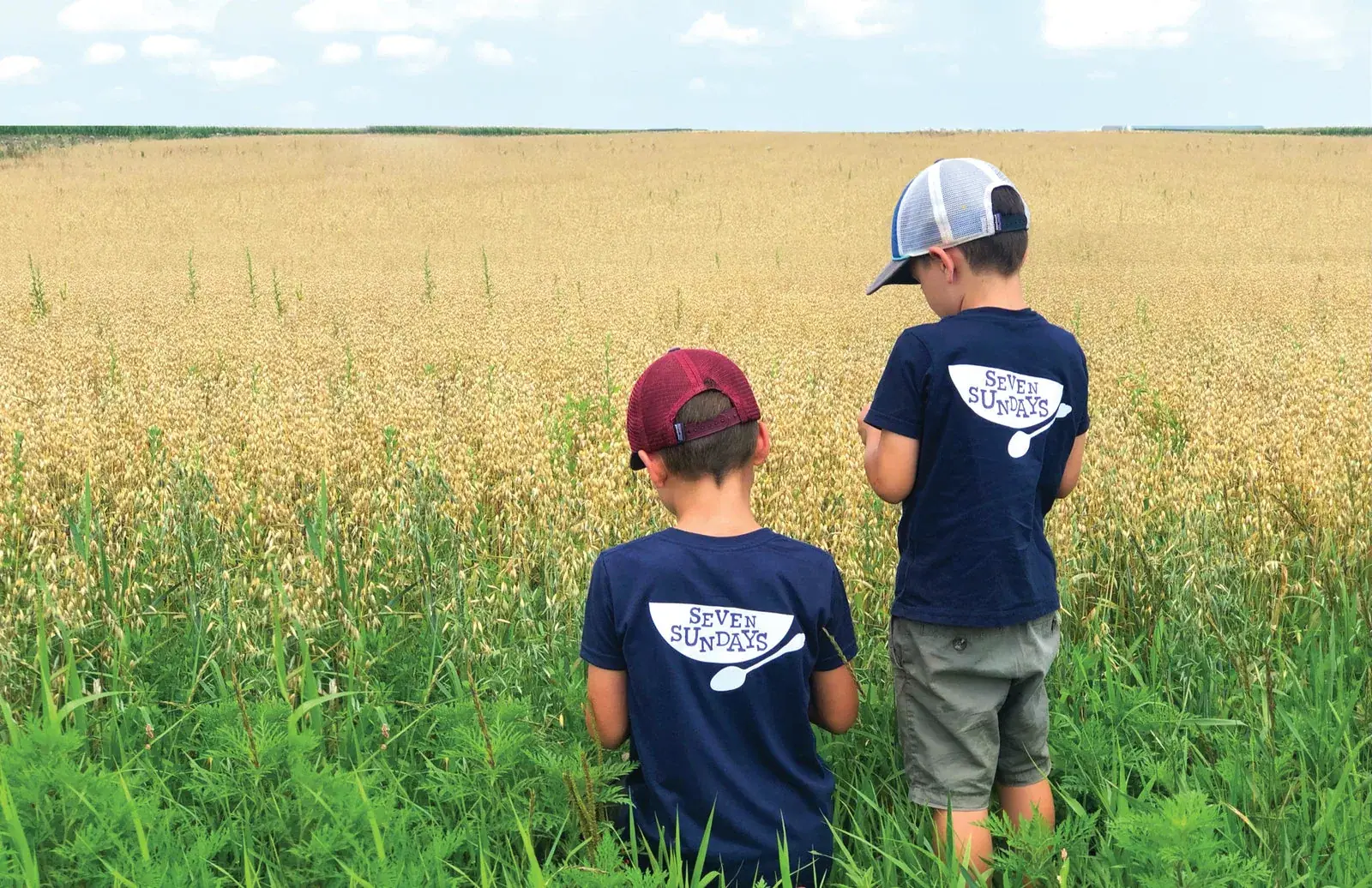 Photo: Seven Sundays
Seven SundaysSeven Sundays, a Minneapolis cereal company that sold its first bag of muesli at a farmers market in 2011, makes muesli, granola, protein oats and sunflower cereals from diversified crops such as oats, flax, sunflower and buckwheat. A founding member of the Soil Carbon Initiative, it has committed to verified regenerative practices across all of its supply acreage by 2030.Visit site
Photo: Seven Sundays
Seven SundaysSeven Sundays, a Minneapolis cereal company that sold its first bag of muesli at a farmers market in 2011, makes muesli, granola, protein oats and sunflower cereals from diversified crops such as oats, flax, sunflower and buckwheat. A founding member of the Soil Carbon Initiative, it has committed to verified regenerative practices across all of its supply acreage by 2030.Visit site
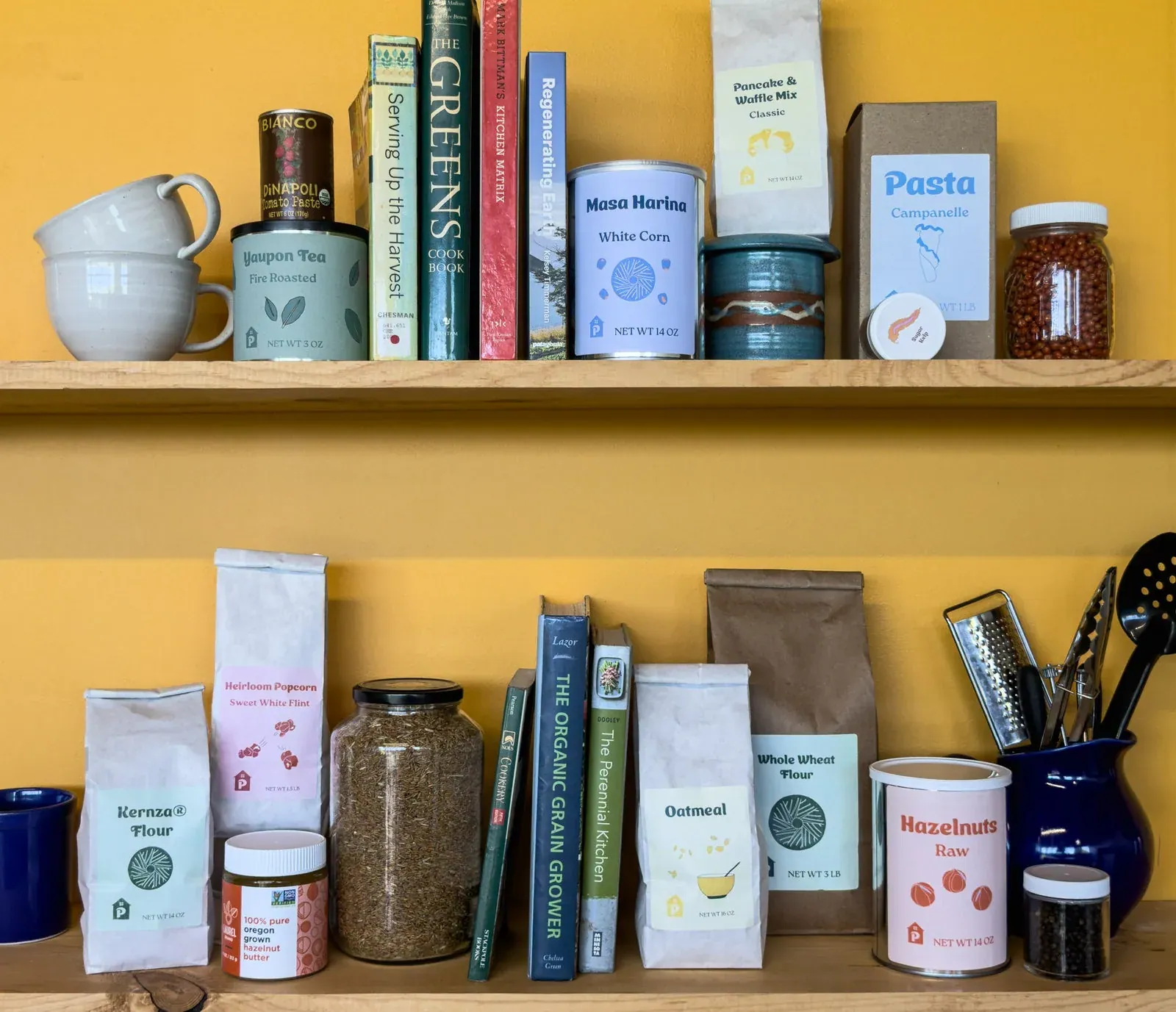 Photo: Perennial Pantry
Perennial PantryPerennial Pantry in Northfield, Minnesota, is a membership grocery built around perennial grains, selling Kernza grain and flour, baking flours, beans, wild rice and pantry staples online. Started in 2016 to rethink Midwestern grain growing, it publishes work on Kernza baking, breeding and malting and markets crops that keep living roots in the ground to restore soil and protect water.Visit site
Photo: Perennial Pantry
Perennial PantryPerennial Pantry in Northfield, Minnesota, is a membership grocery built around perennial grains, selling Kernza grain and flour, baking flours, beans, wild rice and pantry staples online. Started in 2016 to rethink Midwestern grain growing, it publishes work on Kernza baking, breeding and malting and markets crops that keep living roots in the ground to restore soil and protect water.Visit site
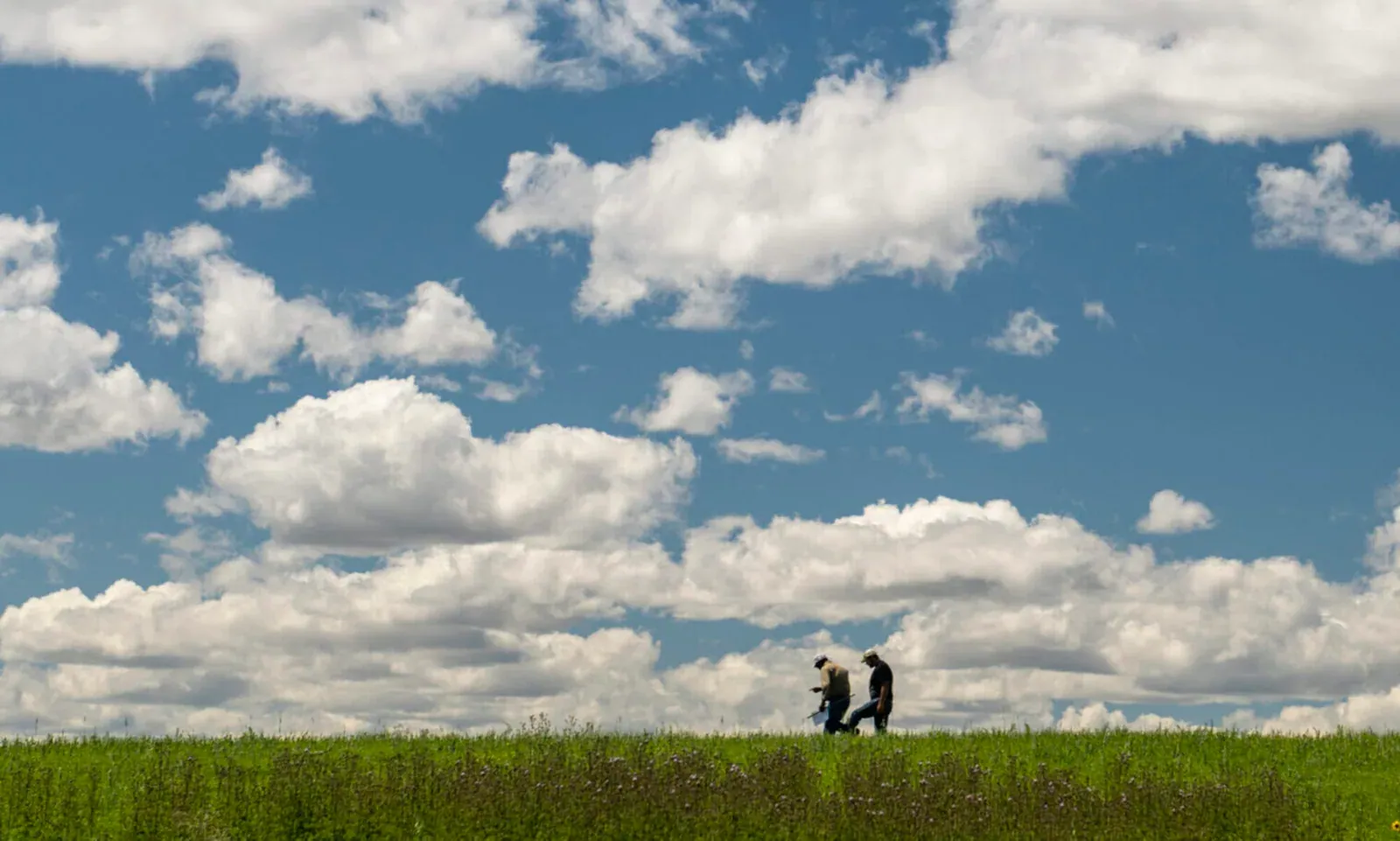 Photo: Timeless Natural Food
Timeless Natural FoodTimeless Natural Food in Ulm, Montana, grew out of Timeless Seeds, founded in 1987 by four farmers, and sells organic lentils, including Black Beluga lentils, chickpeas, wheat berries and farro through its online shop and natural food stores. Dozens of organic Montana farmers grow the crops in soil-building rotations, the network that Liz Carlisle's book Lentil Underground documents.Visit site
Photo: Timeless Natural Food
Timeless Natural FoodTimeless Natural Food in Ulm, Montana, grew out of Timeless Seeds, founded in 1987 by four farmers, and sells organic lentils, including Black Beluga lentils, chickpeas, wheat berries and farro through its online shop and natural food stores. Dozens of organic Montana farmers grow the crops in soil-building rotations, the network that Liz Carlisle's book Lentil Underground documents.Visit site
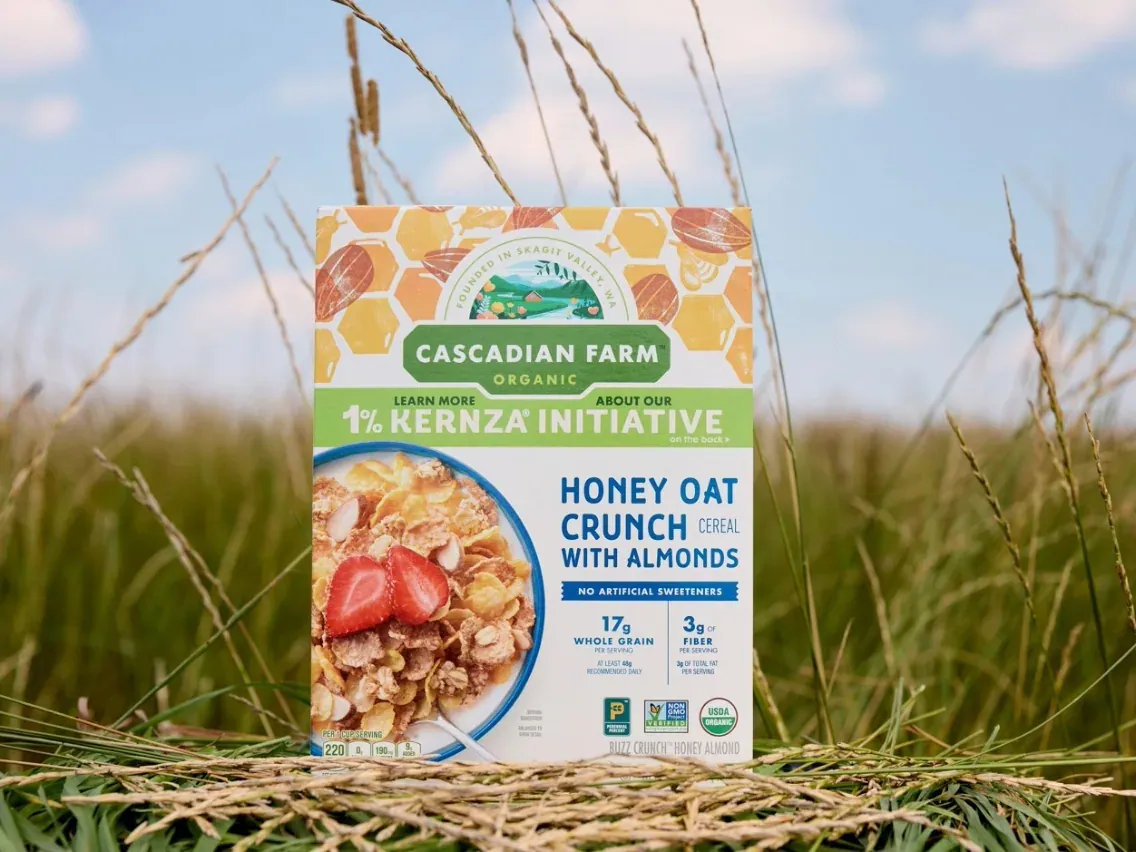 Photo: General Mills
General MillsGeneral Mills, the Minneapolis maker of Cheerios, Annie's, Cascadian Farm and EPIC, committed in 2019 to advance regenerative agriculture on one million acres by 2030. It works by supply shed in regions such as the Northern Plains, co-funds farmer projects with the National Fish and Wildlife Foundation, and in July 2026 added 40,000 Midwest wheat acres with ADM and Walmart.Visit site
Photo: General Mills
General MillsGeneral Mills, the Minneapolis maker of Cheerios, Annie's, Cascadian Farm and EPIC, committed in 2019 to advance regenerative agriculture on one million acres by 2030. It works by supply shed in regions such as the Northern Plains, co-funds farmer projects with the National Fish and Wildlife Foundation, and in July 2026 added 40,000 Midwest wheat acres with ADM and Walmart.Visit site
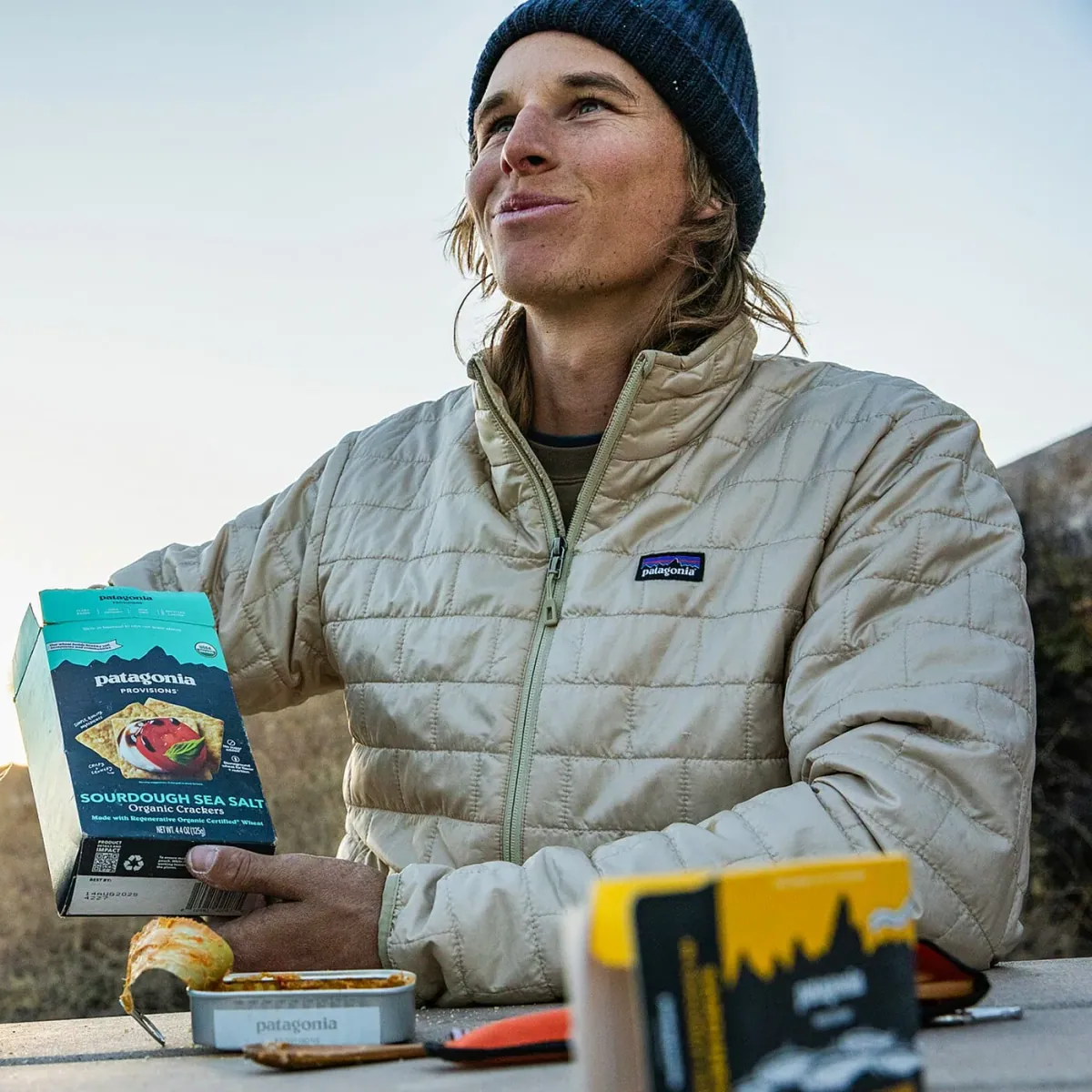 Photo: Patagonia Provisions
Patagonia ProvisionsPatagonia Provisions is the food and beverage division Patagonia founded in 2012, based in Sausalito, California, and a certified B Corp. It sells sourdough crackers, Kernza lagers brewed with Deschutes, Hopworks and Topa Topa, and non-alcoholic Kernza brews made with the perennial grain; the Regenerative Organic Alliance directory lists ten of its products as Regenerative Organic Certified.Visit site
Photo: Patagonia Provisions
Patagonia ProvisionsPatagonia Provisions is the food and beverage division Patagonia founded in 2012, based in Sausalito, California, and a certified B Corp. It sells sourdough crackers, Kernza lagers brewed with Deschutes, Hopworks and Topa Topa, and non-alcoholic Kernza brews made with the perennial grain; the Regenerative Organic Alliance directory lists ten of its products as Regenerative Organic Certified.Visit site
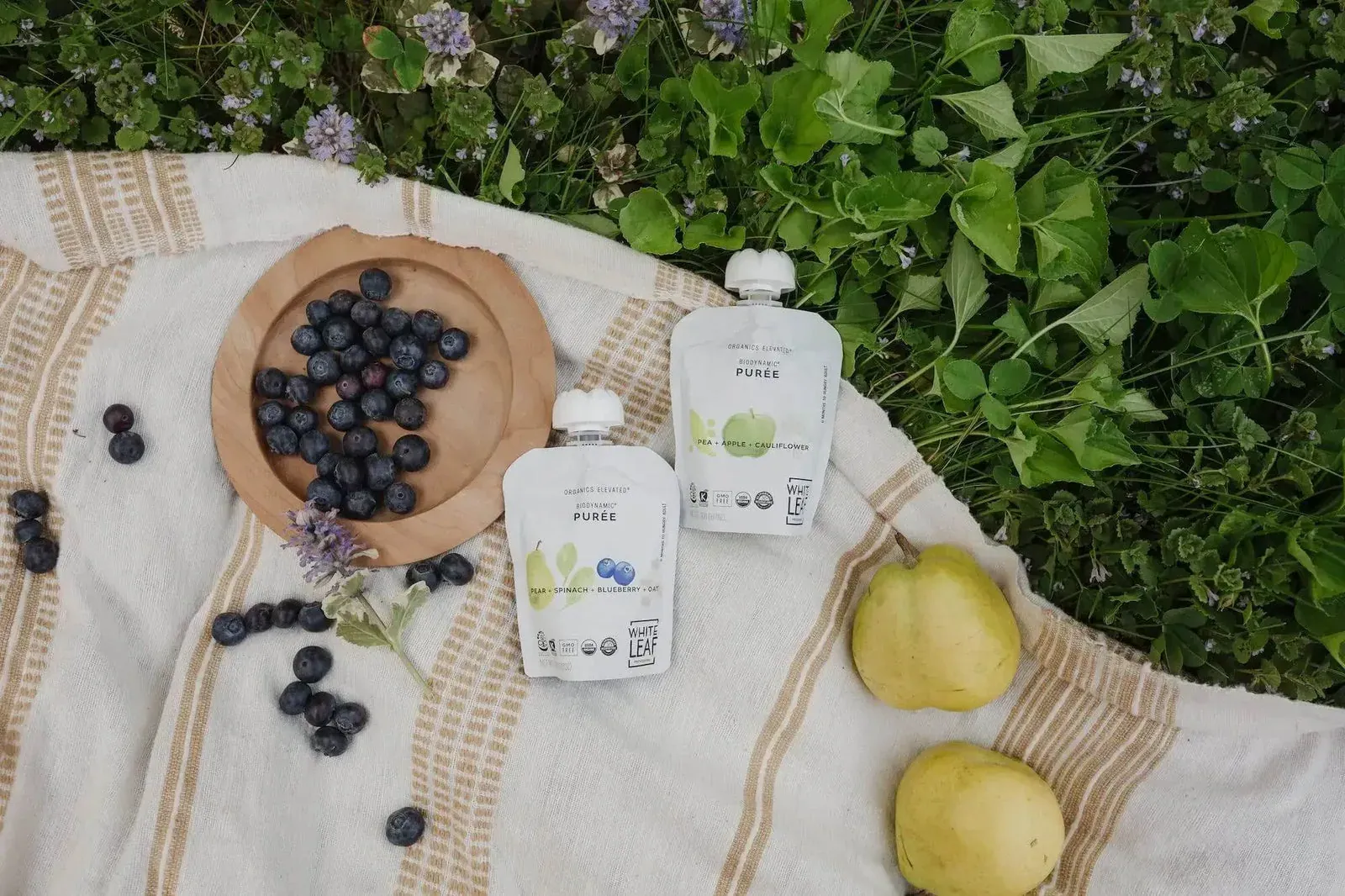 Photo: White Leaf Provisions
White Leaf ProvisionsWhite Leaf Provisions, a family company in Mount Pleasant, South Carolina, founded by Meghan and Keith Rowe, sells organic baby food purees and applesauce pouches under its Regeneratively Farmed trademark, with Demeter Biodynamic certification. It buys from a handful of selected organic farms at home and abroad that use composting, cover crops, crop rotation, low or no-till and mobile grazing.Visit site
Photo: White Leaf Provisions
White Leaf ProvisionsWhite Leaf Provisions, a family company in Mount Pleasant, South Carolina, founded by Meghan and Keith Rowe, sells organic baby food purees and applesauce pouches under its Regeneratively Farmed trademark, with Demeter Biodynamic certification. It buys from a handful of selected organic farms at home and abroad that use composting, cover crops, crop rotation, low or no-till and mobile grazing.Visit site
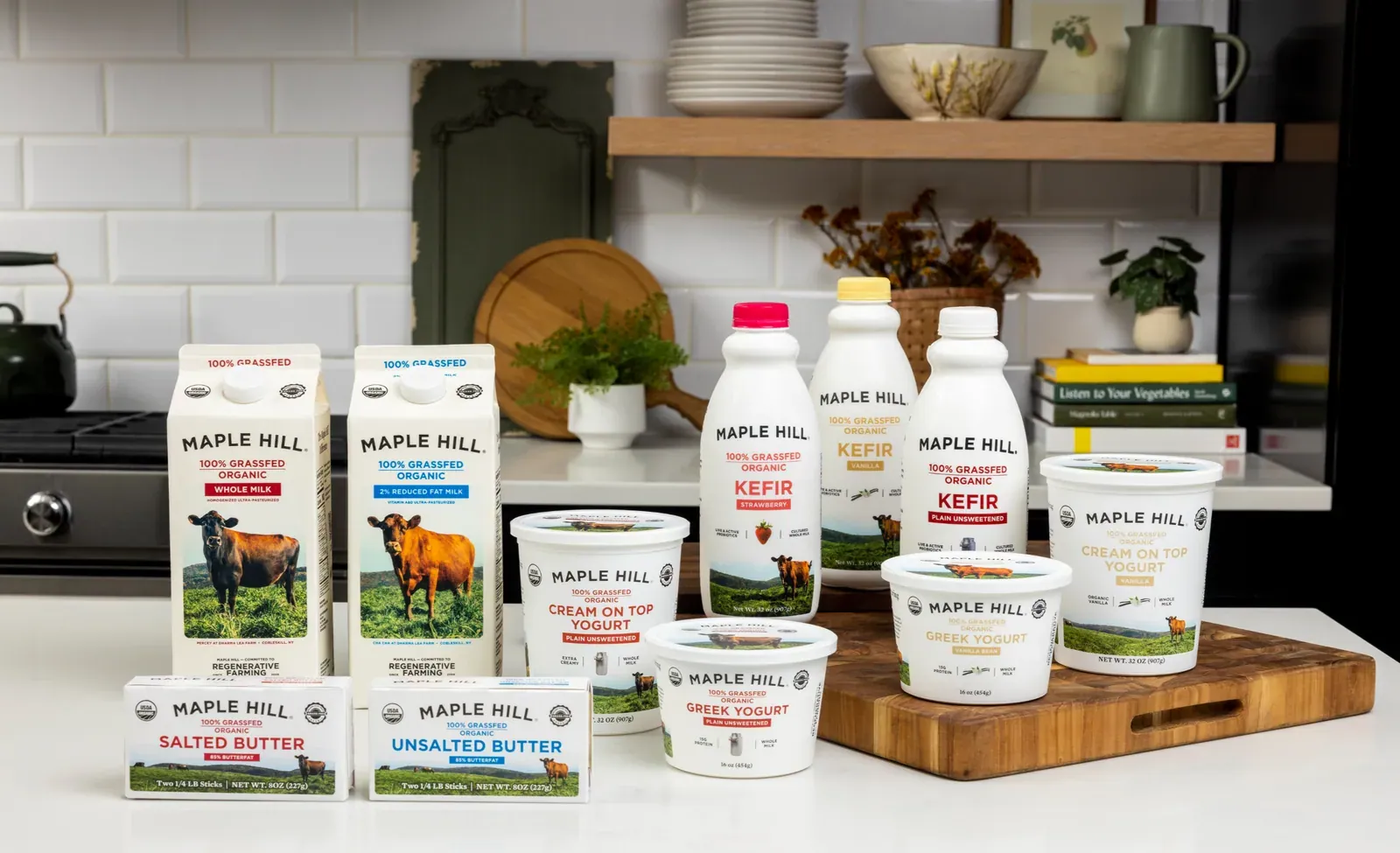 Photo: Maple Hill Creamery
Maple Hill CreameryMaple Hill Creamery, founded in 2009 by Tim and Laura Joseph and based in Stuyvesant, New York, makes 100 percent grass-fed milk, kefir, Greek yogurt, cream-on-top yogurt and butter from over 130 family farms. The first dairy brand certified 100 percent grass-fed by PCO and a USDA Climate Smart partner, its farmers graze cows rotationally to build better soil.Visit site
Photo: Maple Hill Creamery
Maple Hill CreameryMaple Hill Creamery, founded in 2009 by Tim and Laura Joseph and based in Stuyvesant, New York, makes 100 percent grass-fed milk, kefir, Greek yogurt, cream-on-top yogurt and butter from over 130 family farms. The first dairy brand certified 100 percent grass-fed by PCO and a USDA Climate Smart partner, its farmers graze cows rotationally to build better soil.Visit site
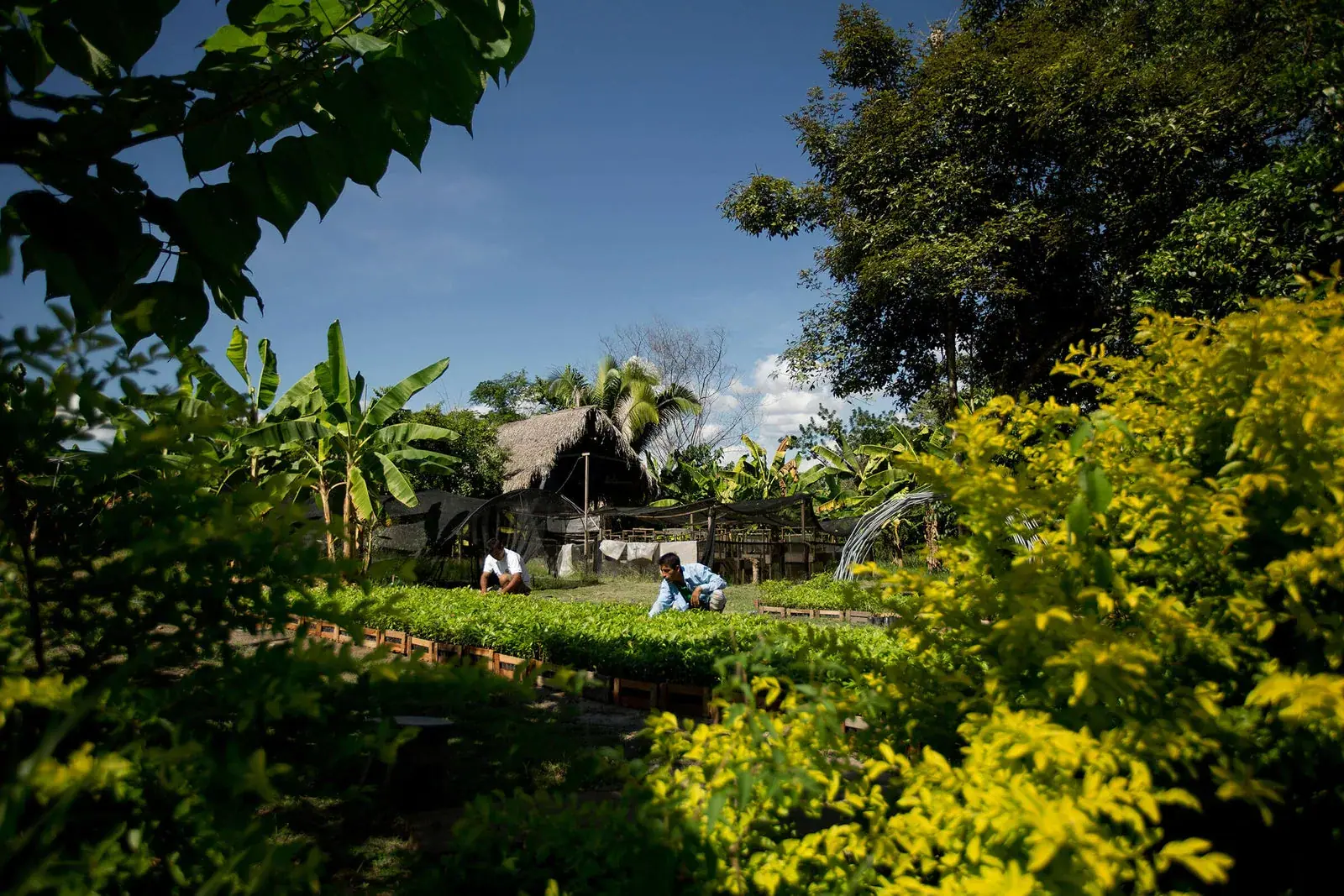 Photo: Alter Eco
Alter EcoAlter Eco, founded in 2005 and headquartered in Houston, Texas, sells organic, Fair for Life chocolate bars, truffles, oat clusters and granola, with cacao grown under agroforestry by cooperatives in Ecuador and Peru. A B Corp since 2009, it has planted trees with Pur Projet to offset its emissions since 2010 and publishes a regeneration report, the latest for 2025.Visit site
Photo: Alter Eco
Alter EcoAlter Eco, founded in 2005 and headquartered in Houston, Texas, sells organic, Fair for Life chocolate bars, truffles, oat clusters and granola, with cacao grown under agroforestry by cooperatives in Ecuador and Peru. A B Corp since 2009, it has planted trees with Pur Projet to offset its emissions since 2010 and publishes a regeneration report, the latest for 2025.Visit site