
Organizations
The organizations in this directory do the slow work behind regenerative agriculture in the United States: long-term research trials, farmer training, certification standards, land access, policy and the markets that reward healthy soil. Some are national institutes with decades of data. Others are regional coalitions, farmer-led networks and local food groups.
We list them because a farmer, a food business or a reader new to the subject needs to know who to call. Every entry links to the organization's own site and was checked in October 2026 for current activity. Where an organization runs a conference, a grant program or a certification, the blurb says so.
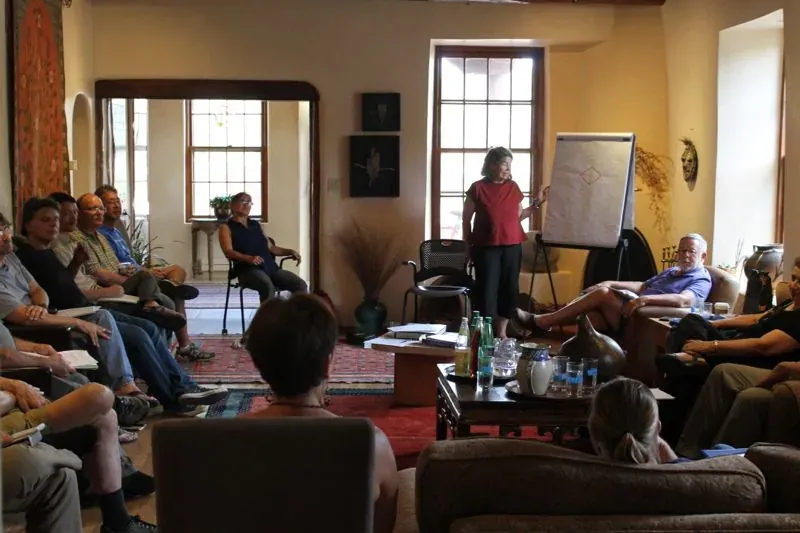 Photo: Regenesis Group
Regenesis GroupRegenesis Group is a regenerative development practice based in Santa Fe, New Mexico, with offices in Arlington, Massachusetts and Pearce, Arizona. It works on land use, community development and the built environment, and its education arm, the Regenesis Institute for Regenerative Practice, runs The Regenerative Practitioner Series, a hybrid course with cohorts in Santa Fe and other regions.Visit site
Photo: Regenesis Group
Regenesis GroupRegenesis Group is a regenerative development practice based in Santa Fe, New Mexico, with offices in Arlington, Massachusetts and Pearce, Arizona. It works on land use, community development and the built environment, and its education arm, the Regenesis Institute for Regenerative Practice, runs The Regenerative Practitioner Series, a hybrid course with cohorts in Santa Fe and other regions.Visit site
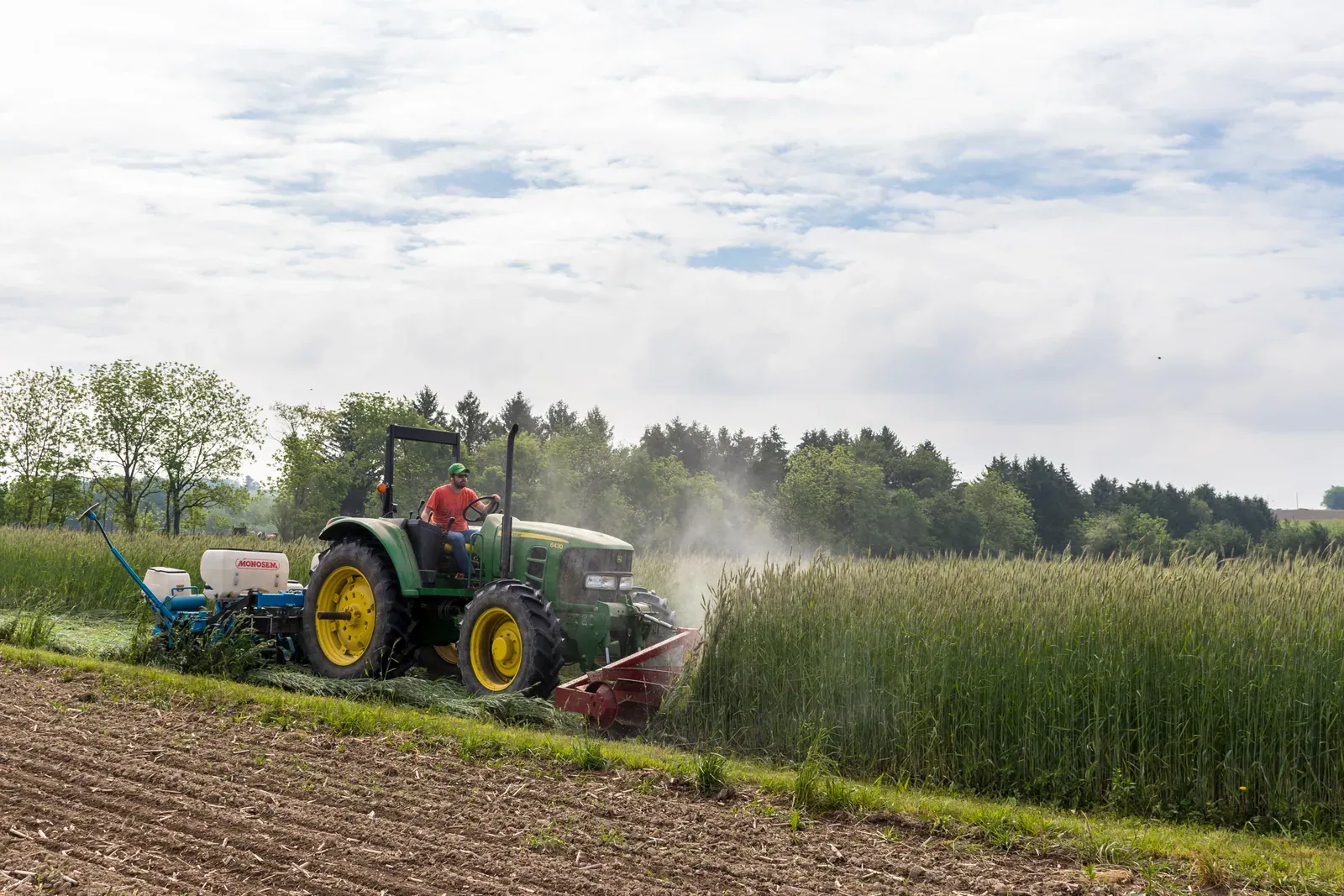 Photo: Jack Sherman / Rodale Institute
Rodale InstituteRodale Institute is a nonprofit research and education organization founded in 1947 and headquartered on a 386 acre farm in Kutztown, Pennsylvania. It runs the long-term Farming Systems Trial, trains farmers, offers consulting, operates regional resource centers, and is a founding partner of the Regenerative Organic Certified standard.Visit site
Photo: Jack Sherman / Rodale Institute
Rodale InstituteRodale Institute is a nonprofit research and education organization founded in 1947 and headquartered on a 386 acre farm in Kutztown, Pennsylvania. It runs the long-term Farming Systems Trial, trains farmers, offers consulting, operates regional resource centers, and is a founding partner of the Regenerative Organic Certified standard.Visit site
 Regenerative Organic AllianceThe Regenerative Organic Alliance is the Sacramento, California nonprofit that oversees the Regenerative Organic Certified seal for food, fiber and personal care ingredients. Its standard builds on organic certification with requirements for soil health, animal welfare and farmworker fairness, and it publishes public directories of certified farms and products.Visit site
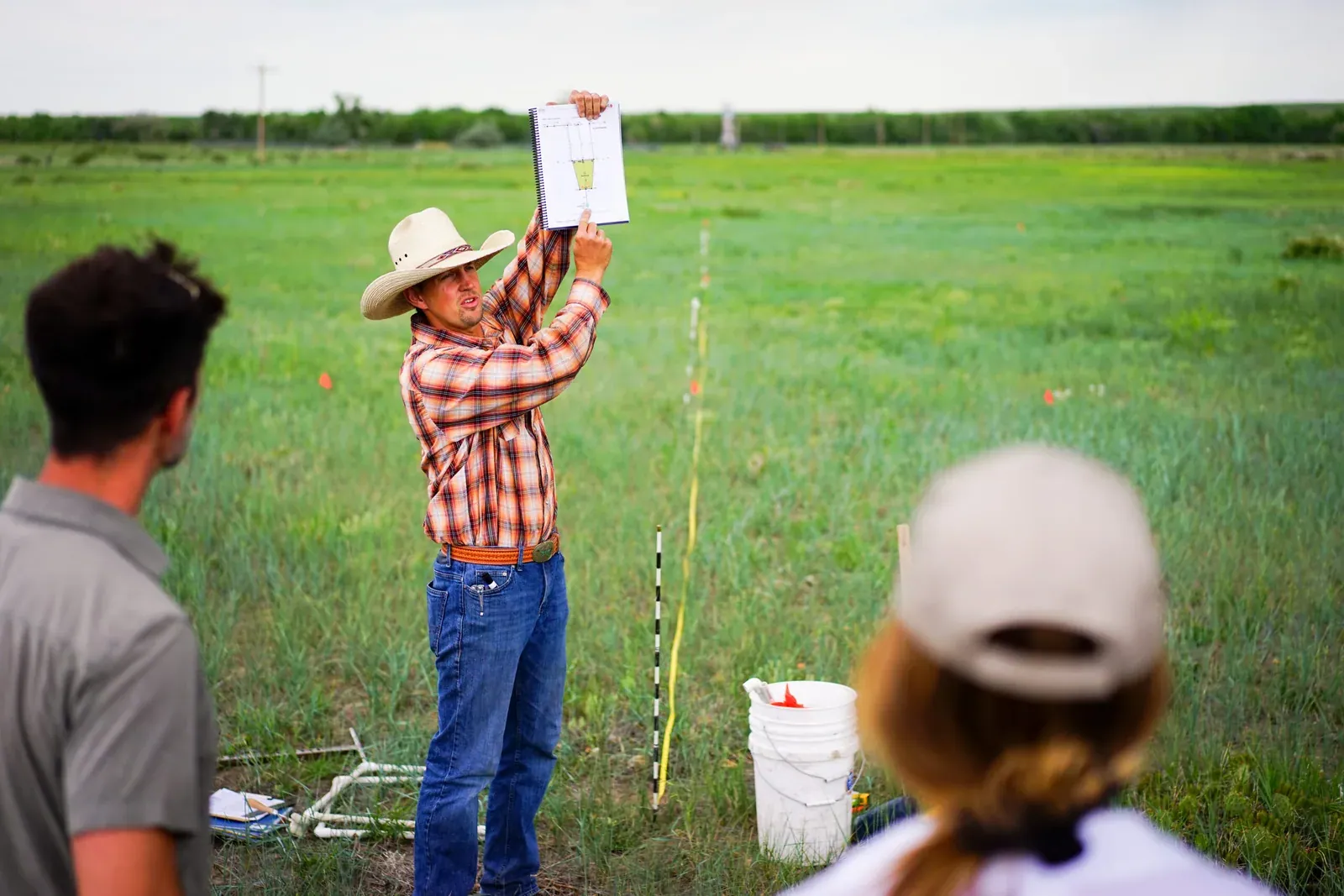 Photo: Savory Institute
Savory InstituteSavory Institute is a Boulder, Colorado nonprofit working to regenerate grasslands through Holistic Management, a planning framework for grazing and land decisions. It runs a global network of hubs, the Ecological Outcome Verification monitoring protocol, and the Land to Market program that connects verified ranches with brands. Founder Allan Savory announced his retirement in January 2026.Visit site
Photo: Savory Institute
Savory InstituteSavory Institute is a Boulder, Colorado nonprofit working to regenerate grasslands through Holistic Management, a planning framework for grazing and land decisions. It runs a global network of hubs, the Ecological Outcome Verification monitoring protocol, and the Land to Market program that connects verified ranches with brands. Founder Allan Savory announced his retirement in January 2026.Visit site
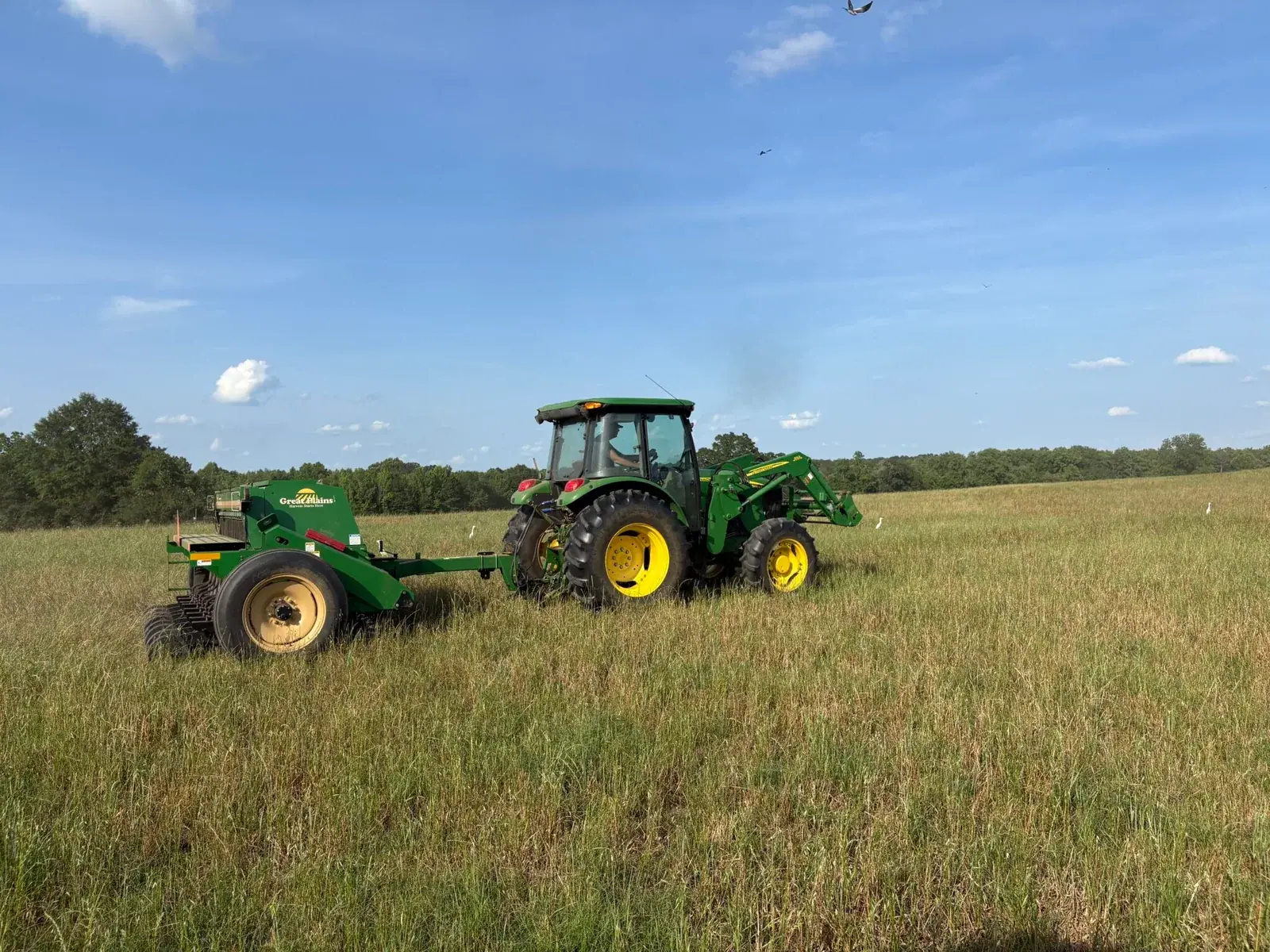 Photo: Kiss the Ground
Kiss the GroundKiss the Ground is a nonprofit that advocates for regenerative agriculture and soil health through media, education and grants to farmers. Its April 2026 Earth Month post reports a year of awarding $500,000 in grants to 215 small farms, supporting the transition of 73,000 acres of US farmland to regenerative practices, and its news page carries stories through June 2026.Visit site
Photo: Kiss the Ground
Kiss the GroundKiss the Ground is a nonprofit that advocates for regenerative agriculture and soil health through media, education and grants to farmers. Its April 2026 Earth Month post reports a year of awarding $500,000 in grants to 215 small farms, supporting the transition of 73,000 acres of US farmland to regenerative practices, and its news page carries stories through June 2026.Visit site
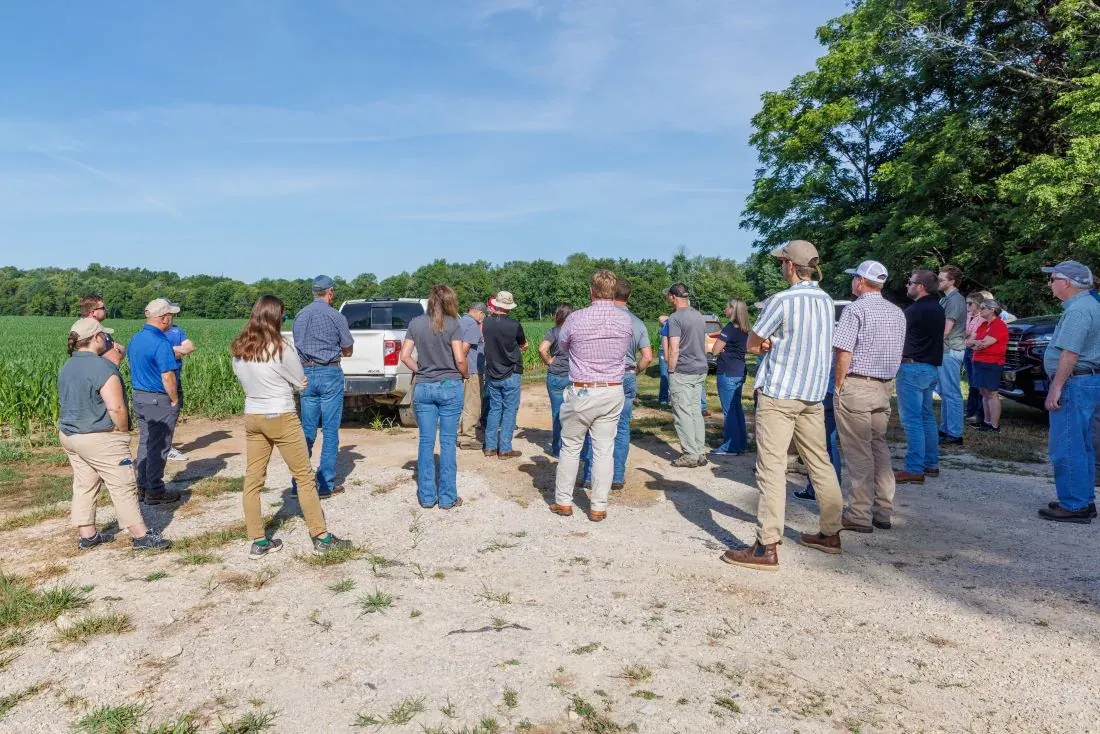 Photo: Soil Health Institute
Soil Health InstituteThe Soil Health Institute is a nonprofit based in Durham, North Carolina, that works to safeguard and enhance the vitality and productivity of soils through scientific research and grower education. It reports education programs for growers in 35 states, farmer-to-farmer networks in seven states, soil health benchmarks on more than 10 million acres, and resources for farmers, advisors and lenders.Visit site
Photo: Soil Health Institute
Soil Health InstituteThe Soil Health Institute is a nonprofit based in Durham, North Carolina, that works to safeguard and enhance the vitality and productivity of soils through scientific research and grower education. It reports education programs for growers in 35 states, farmer-to-farmer networks in seven states, soil health benchmarks on more than 10 million acres, and resources for farmers, advisors and lenders.Visit site
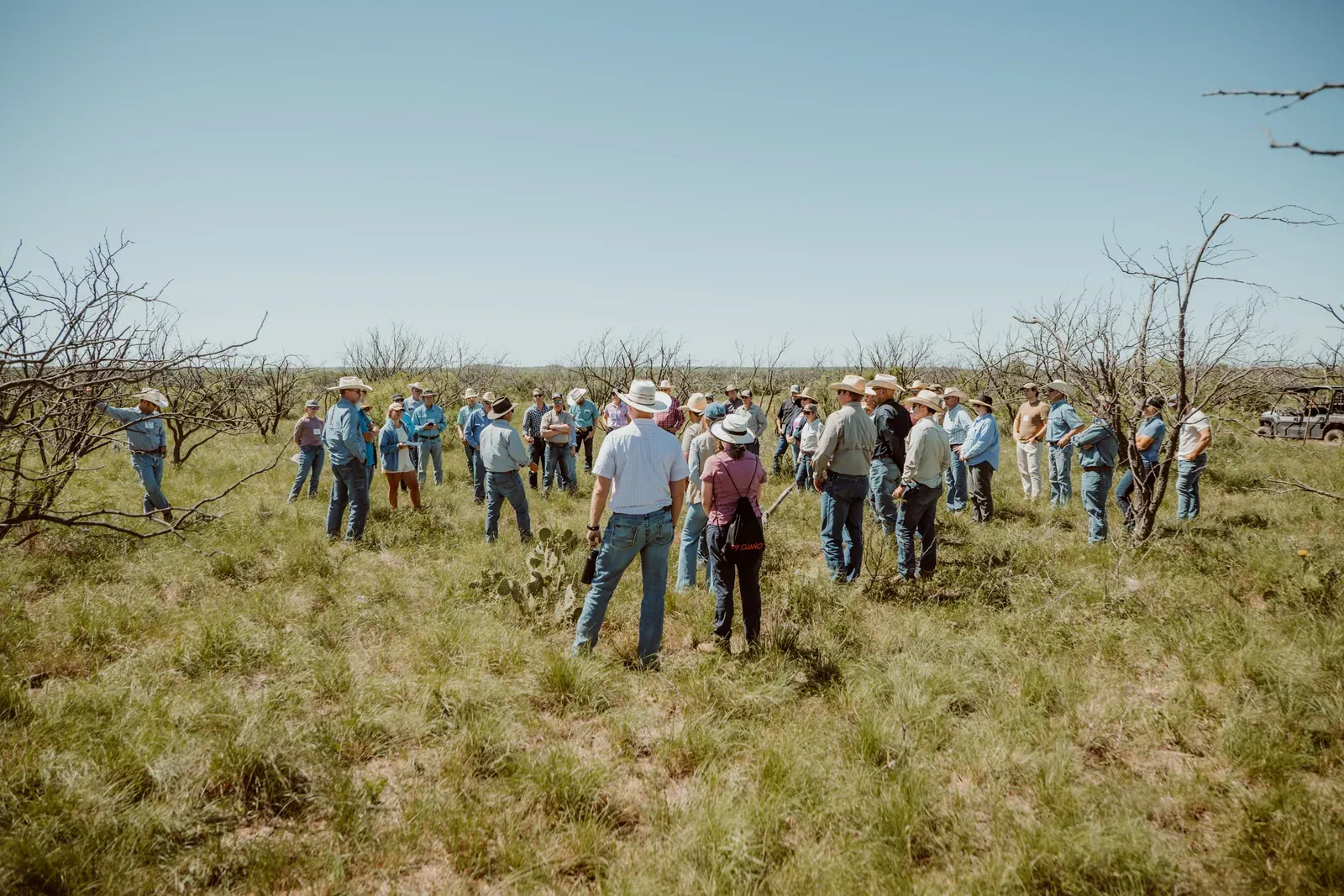 Photo: Soil Health Academy
Soil Health AcademySoil Health Academy teaches regenerative agriculture to farmers, ranchers, educators and food professionals through multi-day schools held on working farms. Its academies page lists 2026 schools on regenerative land stewardship for wildlife and habitat at CS Ranch in Cimarron, New Mexico in June, and on adaptive grazing systems at Voss Farms in Paynesville, Minnesota in August.Visit site
Photo: Soil Health Academy
Soil Health AcademySoil Health Academy teaches regenerative agriculture to farmers, ranchers, educators and food professionals through multi-day schools held on working farms. Its academies page lists 2026 schools on regenerative land stewardship for wildlife and habitat at CS Ranch in Cimarron, New Mexico in June, and on adaptive grazing systems at Voss Farms in Paynesville, Minnesota in August.Visit site
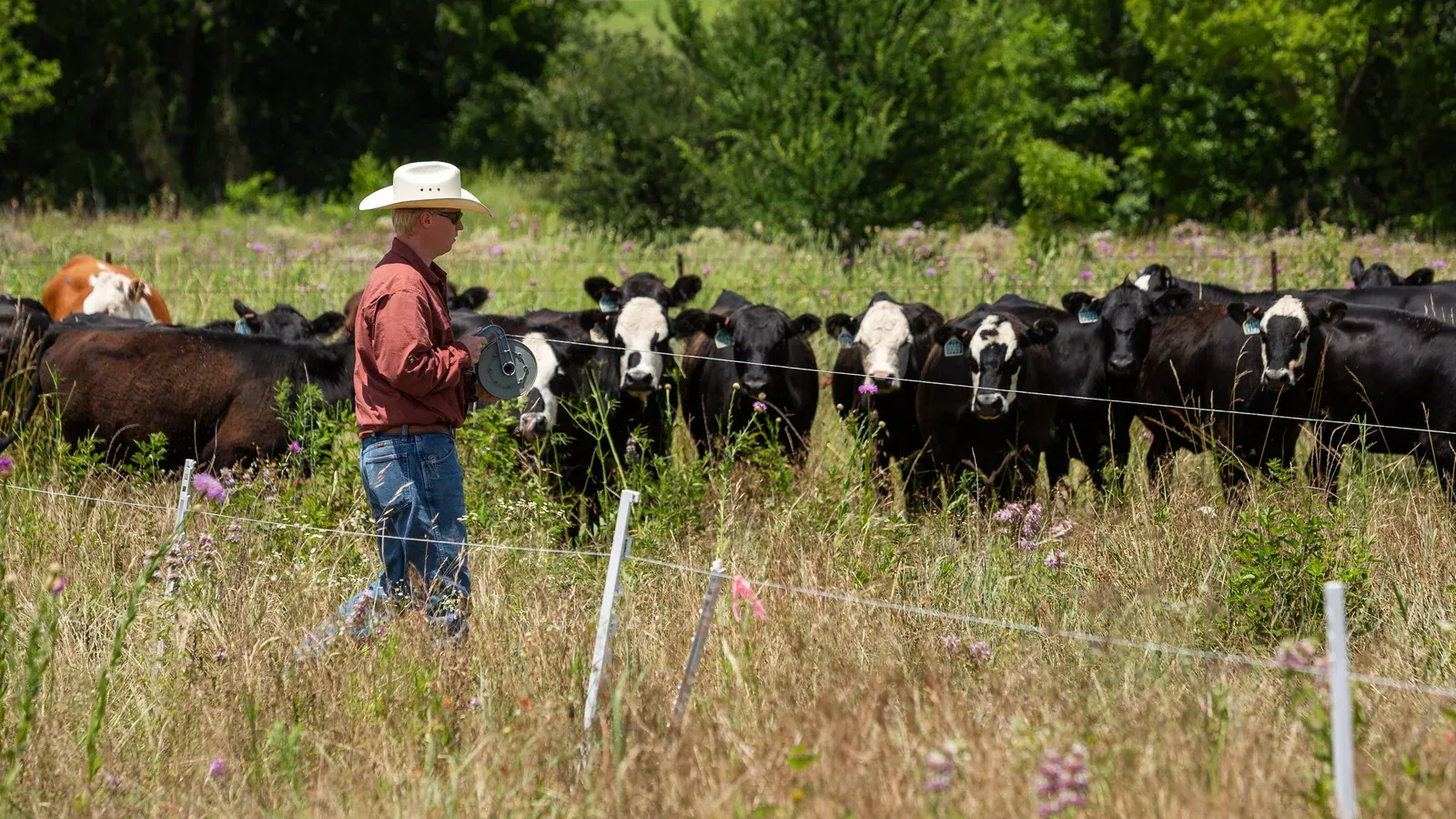 Photo: Noble Research Institute
Noble Research InstituteNoble Research Institute in Ardmore, Oklahoma, is a nonprofit focused on regenerative ranching. It manages 13,500 acres of grazing land and livestock operations in southern Oklahoma under regenerative management, offers in-person and online courses on soil health, grazing and ranch profitability, provides on-site consultation, and publishes the Legacy magazine.Visit site
Photo: Noble Research Institute
Noble Research InstituteNoble Research Institute in Ardmore, Oklahoma, is a nonprofit focused on regenerative ranching. It manages 13,500 acres of grazing land and livestock operations in southern Oklahoma under regenerative management, offers in-person and online courses on soil health, grazing and ranch profitability, provides on-site consultation, and publishes the Legacy magazine.Visit site
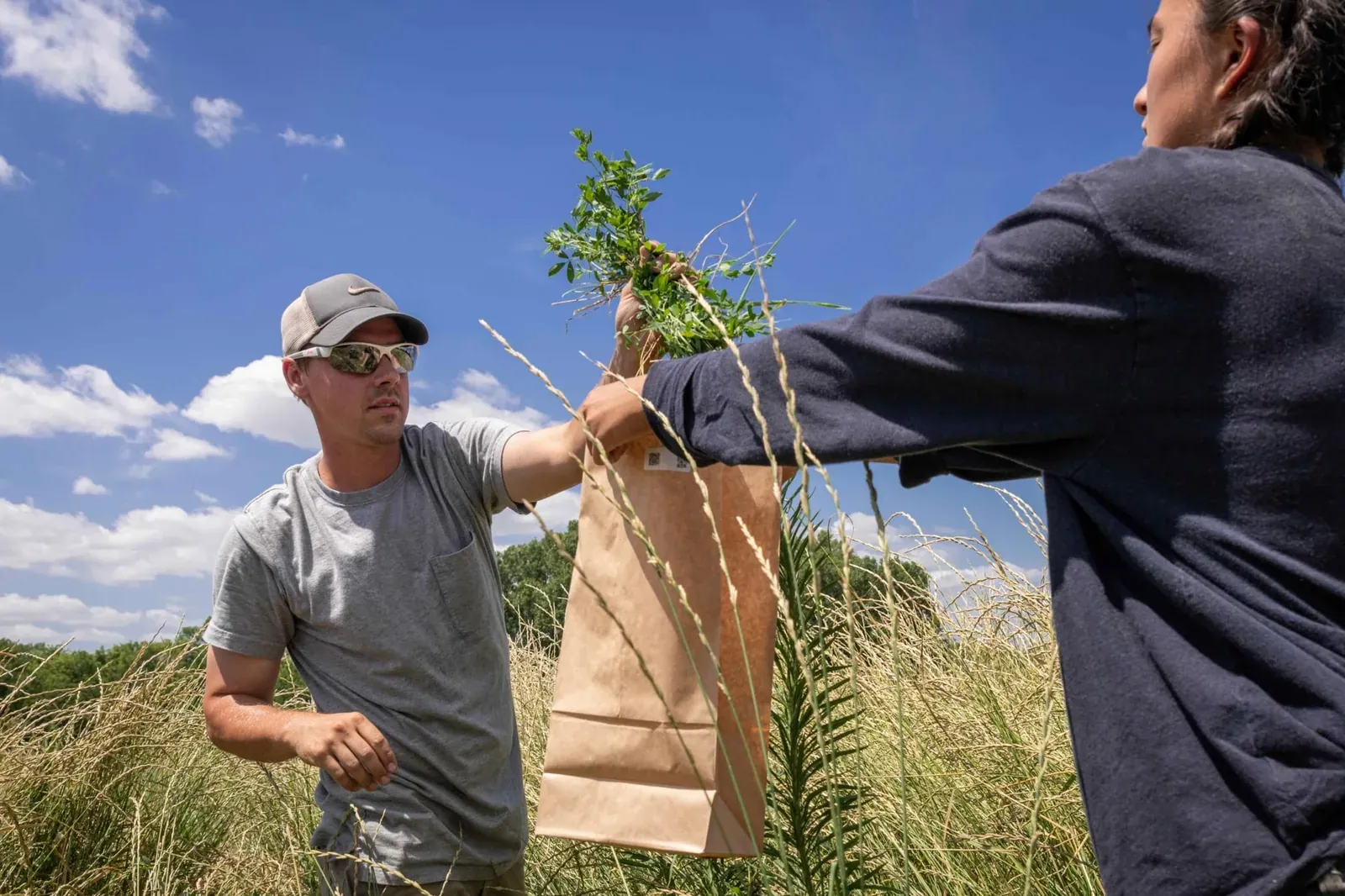 Photo: The Land Institute
The Land InstituteThe Land Institute near Salina, Kansas, founded in 1976, develops perennial grain crops and the farming systems to grow them. Its work includes Kernza perennial wheatgrass, perennial sorghum, natural systems agriculture research, participatory science, and scaling perennial crops to market, with research updates published through October 2026.Visit site
Photo: The Land Institute
The Land InstituteThe Land Institute near Salina, Kansas, founded in 1976, develops perennial grain crops and the farming systems to grow them. Its work includes Kernza perennial wheatgrass, perennial sorghum, natural systems agriculture research, participatory science, and scaling perennial crops to market, with research updates published through October 2026.Visit site
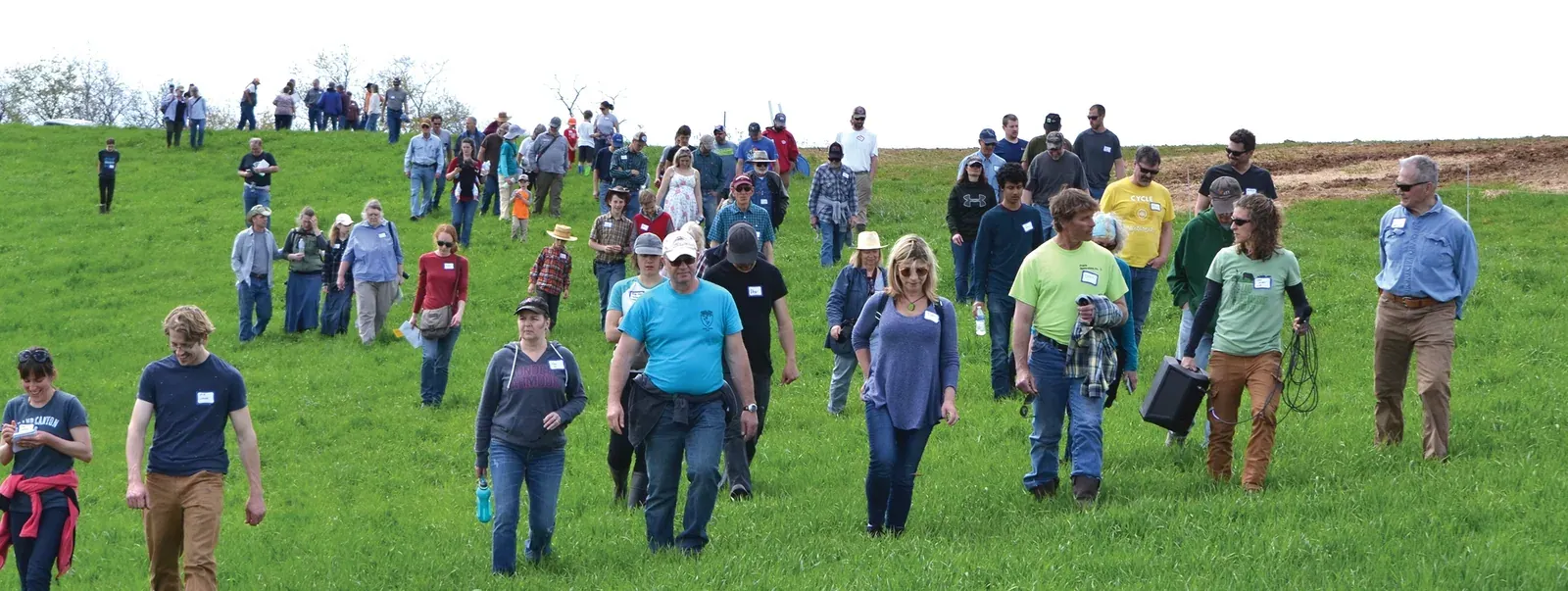 Photo: Land Stewardship Project
Land Stewardship ProjectThe Land Stewardship Project is a Minnesota membership organization with offices in Montevideo, Lewiston and Minneapolis. It works on soil health, beginning farmer training, land access and farm policy, publishes the Land Stewardship Letter, and runs field days and workshops, including October 2026 events in St. Paul and Lewiston.Visit site
Photo: Land Stewardship Project
Land Stewardship ProjectThe Land Stewardship Project is a Minnesota membership organization with offices in Montevideo, Lewiston and Minneapolis. It works on soil health, beginning farmer training, land access and farm policy, publishes the Land Stewardship Letter, and runs field days and workshops, including October 2026 events in St. Paul and Lewiston.Visit site
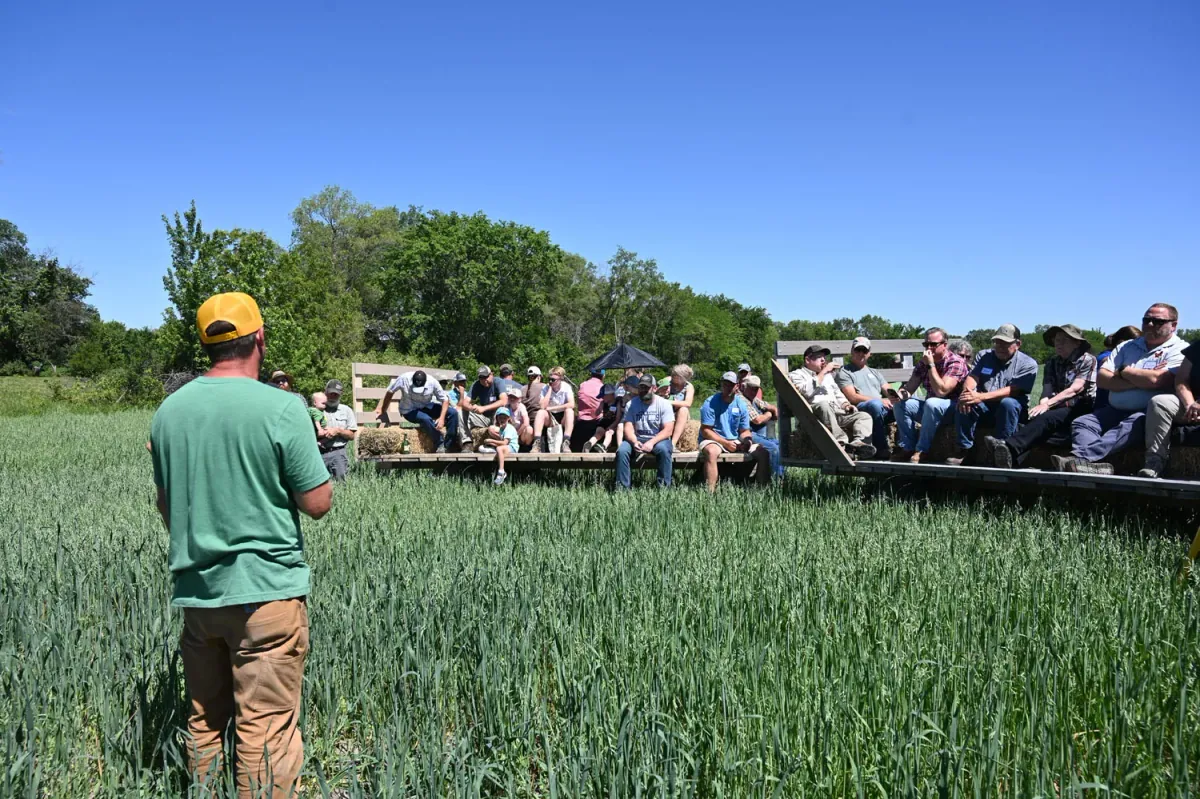 Photo: Practical Farmers of Iowa
Practical Farmers of IowaPractical Farmers of Iowa is a farmer-led organization in Ames, Iowa, with the mission of equipping farmers to build resilient farms. It runs farmer-led on-farm research, field days, cost-share programs, webinars and an annual conference, with research reports published in October 2026 and the 2027 conference set for January 8 to 9.Visit site
Photo: Practical Farmers of Iowa
Practical Farmers of IowaPractical Farmers of Iowa is a farmer-led organization in Ames, Iowa, with the mission of equipping farmers to build resilient farms. It runs farmer-led on-farm research, field days, cost-share programs, webinars and an annual conference, with research reports published in October 2026 and the 2027 conference set for January 8 to 9.Visit site
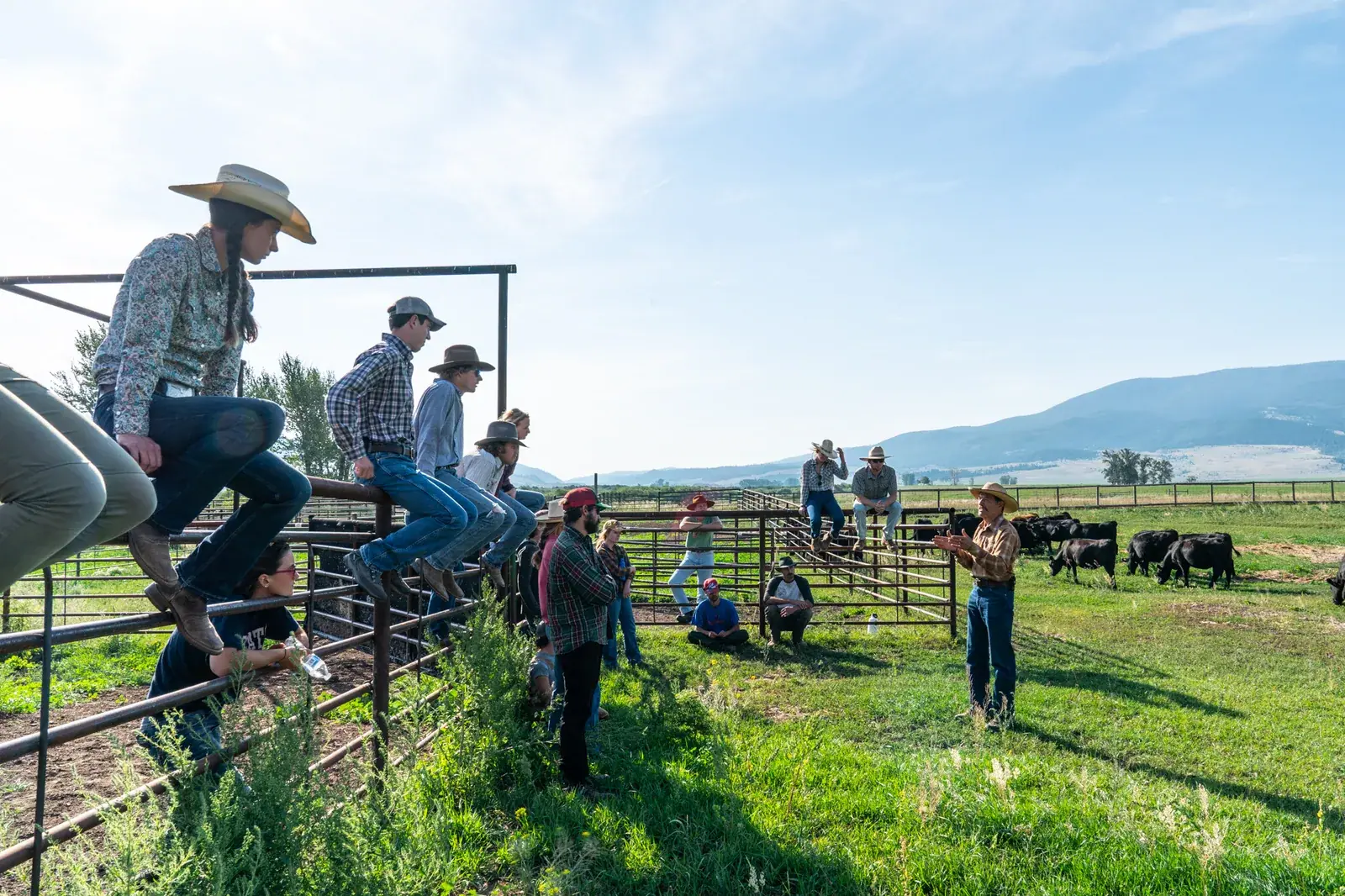 Photo: Alexis Bonogofsky / Quivira Coalition
Quivira CoalitionThe Quivira Coalition in Santa Fe, New Mexico, promotes regenerative agriculture and land stewardship on working lands in the Southwest. Its Carbon Ranch Initiative supports evidence-based land management, its New Agrarian Program places apprentices on ranches, and it co-hosts the REGENERATE Conference, held October 28 to 30, 2026 in Santa Fe.Visit site
Photo: Alexis Bonogofsky / Quivira Coalition
Quivira CoalitionThe Quivira Coalition in Santa Fe, New Mexico, promotes regenerative agriculture and land stewardship on working lands in the Southwest. Its Carbon Ranch Initiative supports evidence-based land management, its New Agrarian Program places apprentices on ranches, and it co-hosts the REGENERATE Conference, held October 28 to 30, 2026 in Santa Fe.Visit site
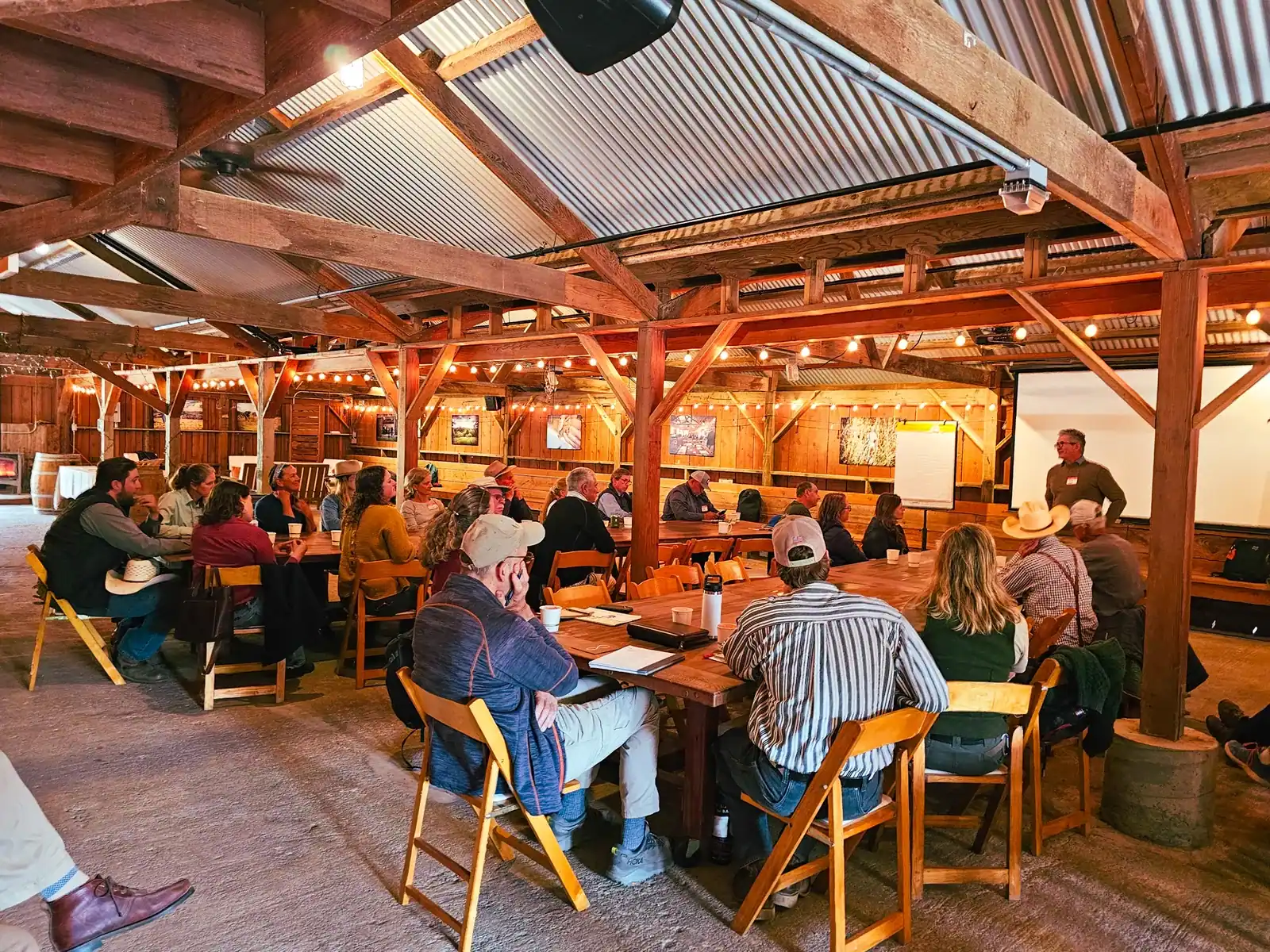 Photo: Holistic Management International
Holistic Management InternationalHolistic Management International is an Albuquerque, New Mexico nonprofit that teaches Holistic Management, a decision-making framework for farms and ranches that plans grazing, finances and land together. It offers courses, certified educator training and on-farm programs, and co-hosts the REGENERATE Conference in Santa Fe, October 28 to 30, 2026.Visit site
Photo: Holistic Management International
Holistic Management InternationalHolistic Management International is an Albuquerque, New Mexico nonprofit that teaches Holistic Management, a decision-making framework for farms and ranches that plans grazing, finances and land together. It offers courses, certified educator training and on-farm programs, and co-hosts the REGENERATE Conference in Santa Fe, October 28 to 30, 2026.Visit site
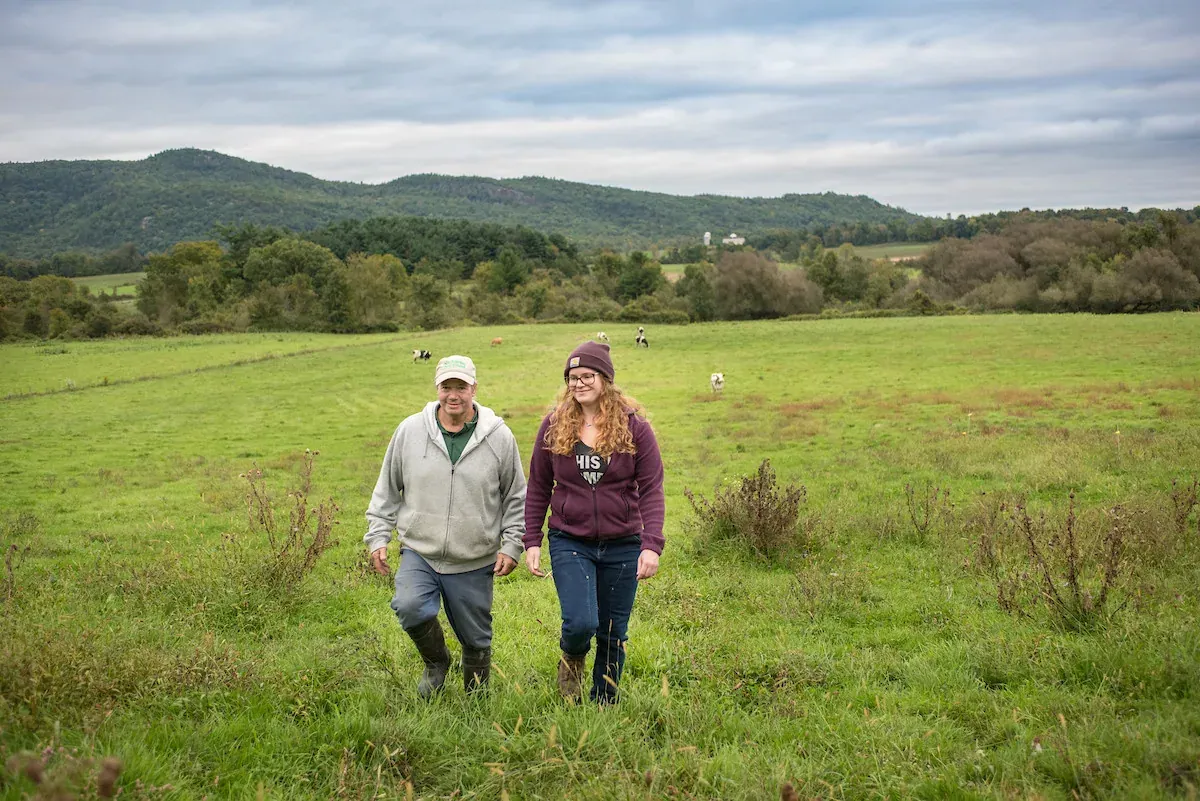 Photo: American Farmland Trust
American Farmland TrustAmerican Farmland Trust, founded in 1980 and based in Washington, D.C., works to protect farmland, promote sound farming practices and keep farmers on the land. Its Climate and Soil Health program supports conservation practices on working farms, and it publishes research and news on farmland loss and farm viability nationwide.Visit site
Photo: American Farmland Trust
American Farmland TrustAmerican Farmland Trust, founded in 1980 and based in Washington, D.C., works to protect farmland, promote sound farming practices and keep farmers on the land. Its Climate and Soil Health program supports conservation practices on working farms, and it publishes research and news on farmland loss and farm viability nationwide.Visit site
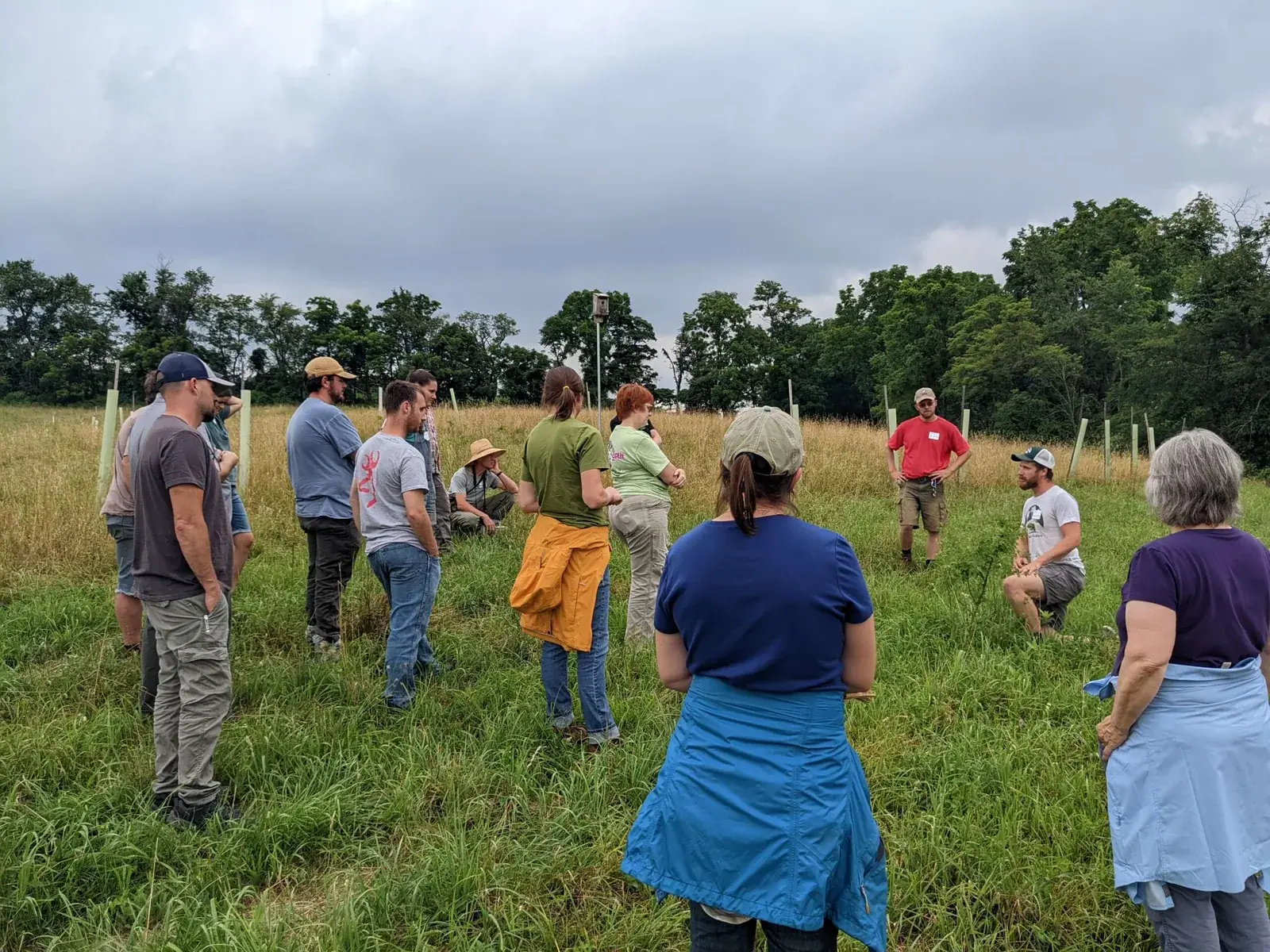 Photo: Pasa Sustainable Agriculture
Pasa Sustainable AgriculturePasa Sustainable Agriculture is a Harrisburg, Pennsylvania nonprofit that cultivates environmentally sound, economically viable and community-focused farms and food systems. It runs farmer education and training, farm-based research and community programs, and hosts an annual sustainable agriculture conference, with program updates posted in September 2026.Visit site
Photo: Pasa Sustainable Agriculture
Pasa Sustainable AgriculturePasa Sustainable Agriculture is a Harrisburg, Pennsylvania nonprofit that cultivates environmentally sound, economically viable and community-focused farms and food systems. It runs farmer education and training, farm-based research and community programs, and hosts an annual sustainable agriculture conference, with program updates posted in September 2026.Visit site
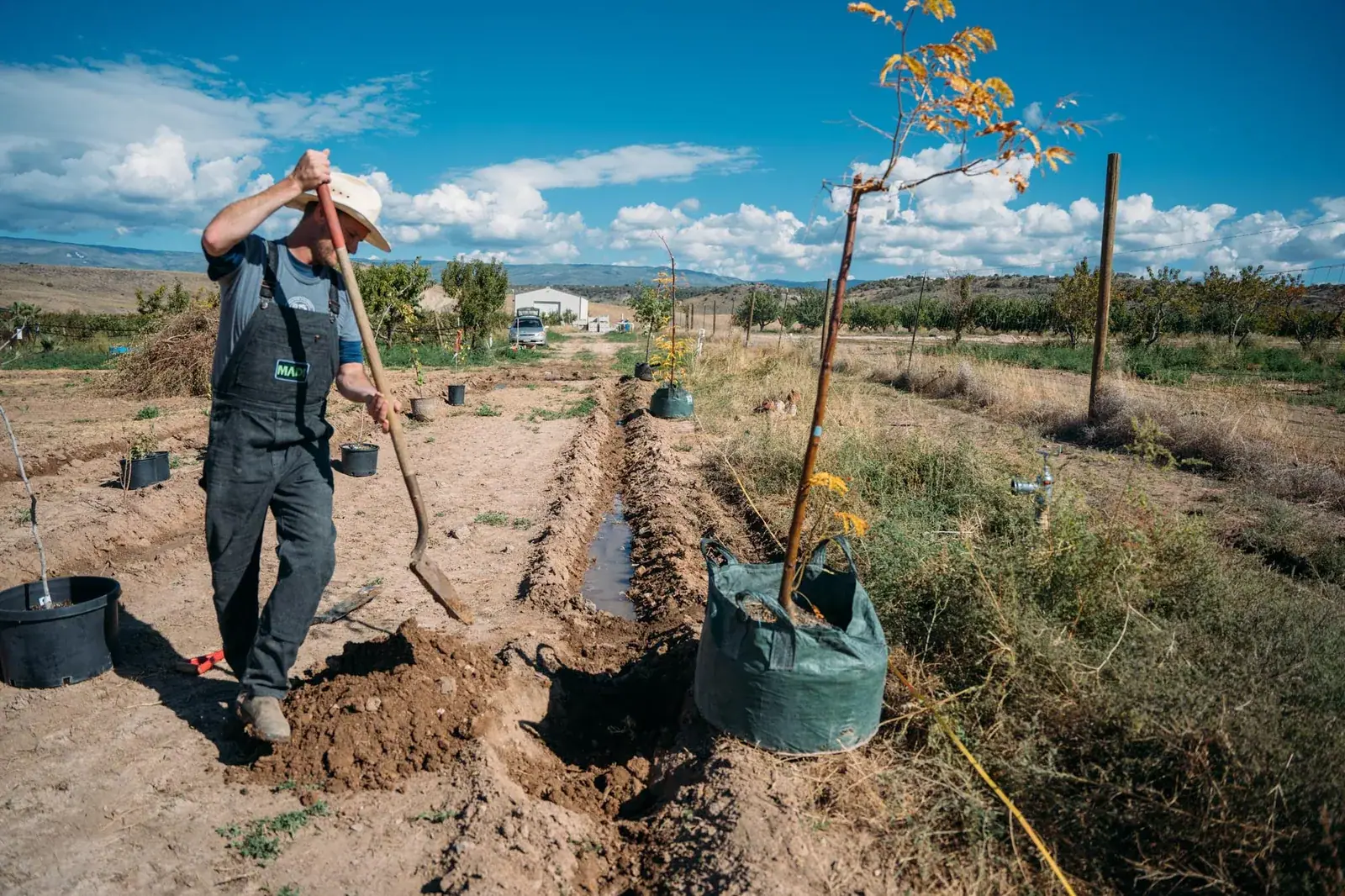 Photo: Mad Agriculture
Mad AgricultureMad Agriculture is a Boulder, Colorado nonprofit that helps farmers and ranchers transition to regenerative agriculture through long-term farm and ranch consulting. Its Wilding program works toward a connected wild grid across the United States, its Bison program offers the National Bison Production and Marketing Grant, and its journal publishes essays from the field, with posts dated October 2026.Visit site
Photo: Mad Agriculture
Mad AgricultureMad Agriculture is a Boulder, Colorado nonprofit that helps farmers and ranchers transition to regenerative agriculture through long-term farm and ranch consulting. Its Wilding program works toward a connected wild grid across the United States, its Bison program offers the National Bison Production and Marketing Grant, and its journal publishes essays from the field, with posts dated October 2026.Visit site
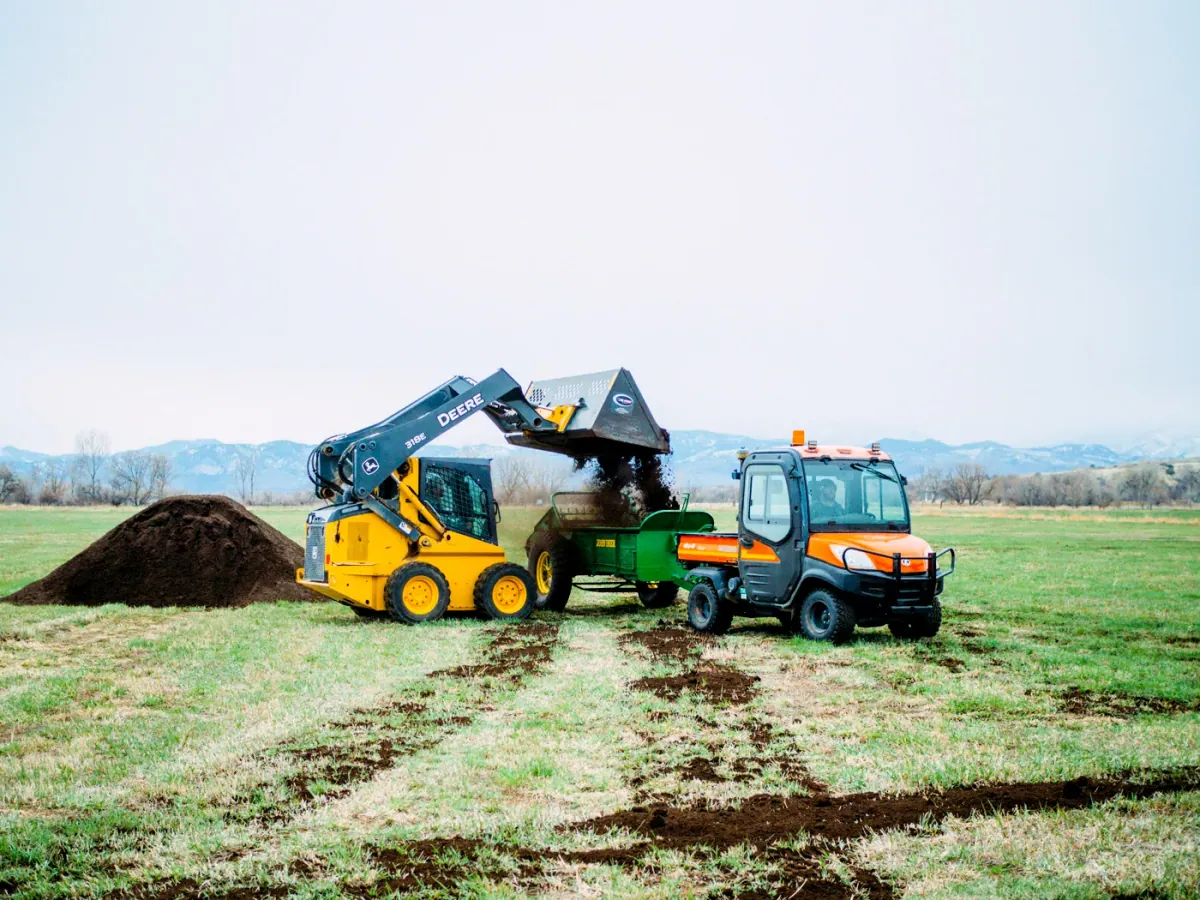 Photo: Jane Cavagnero / Zero Foodprint
Zero FoodprintZero Foodprint is a nonprofit, led by executive director and chef Anthony Myint, that rallies restaurants and food businesses behind regenerative agriculture. Members commit ongoing contributions, typically one percent of sales, and the pooled funds pay for Restore grants of up to $25,000 for soil health practices on farms and ranches in California, Colorado, Oregon and Washington.Visit site
Photo: Jane Cavagnero / Zero Foodprint
Zero FoodprintZero Foodprint is a nonprofit, led by executive director and chef Anthony Myint, that rallies restaurants and food businesses behind regenerative agriculture. Members commit ongoing contributions, typically one percent of sales, and the pooled funds pay for Restore grants of up to $25,000 for soil health practices on farms and ranches in California, Colorado, Oregon and Washington.Visit site
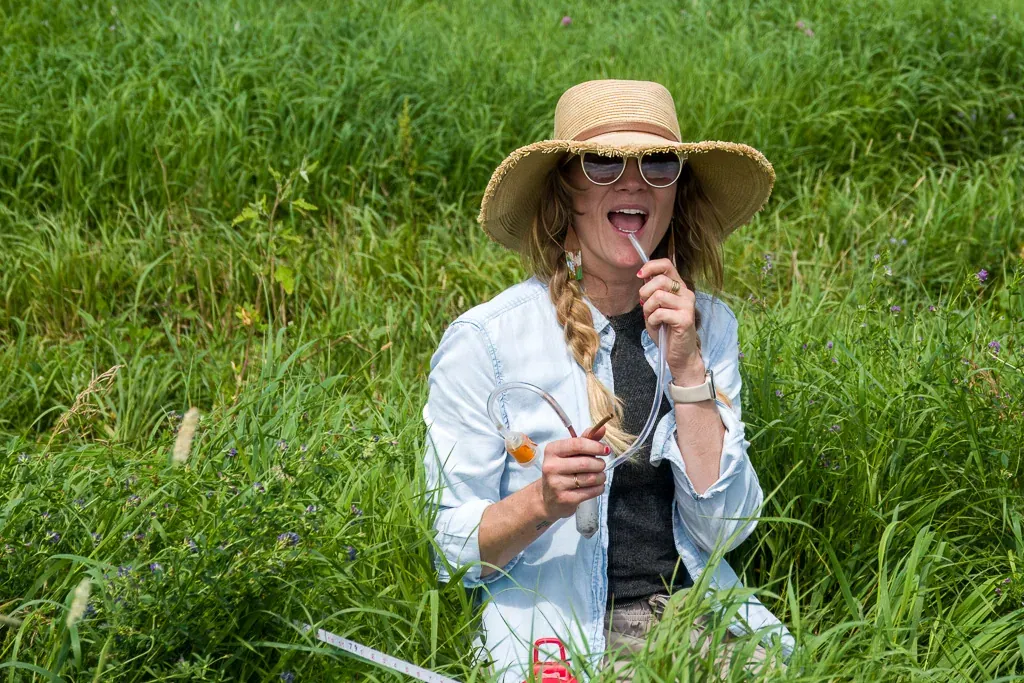 Photo: Ecdysis Foundation
Ecdysis FoundationEcdysis Foundation is a nonprofit research organization at Blue Dasher Farm near Estelline, South Dakota, that studies regenerative agriculture with the farmers who practice it. Its 1000 Farms Initiative, launched in 2022, has sampled more than 1,000 farms across North America, measuring soil, water, insects, birds, crop nutrients and profitability, and each producer receives a Grower Report for the farm.Visit site
Photo: Ecdysis Foundation
Ecdysis FoundationEcdysis Foundation is a nonprofit research organization at Blue Dasher Farm near Estelline, South Dakota, that studies regenerative agriculture with the farmers who practice it. Its 1000 Farms Initiative, launched in 2022, has sampled more than 1,000 farms across North America, measuring soil, water, insects, birds, crop nutrients and profitability, and each producer receives a Grower Report for the farm.Visit site
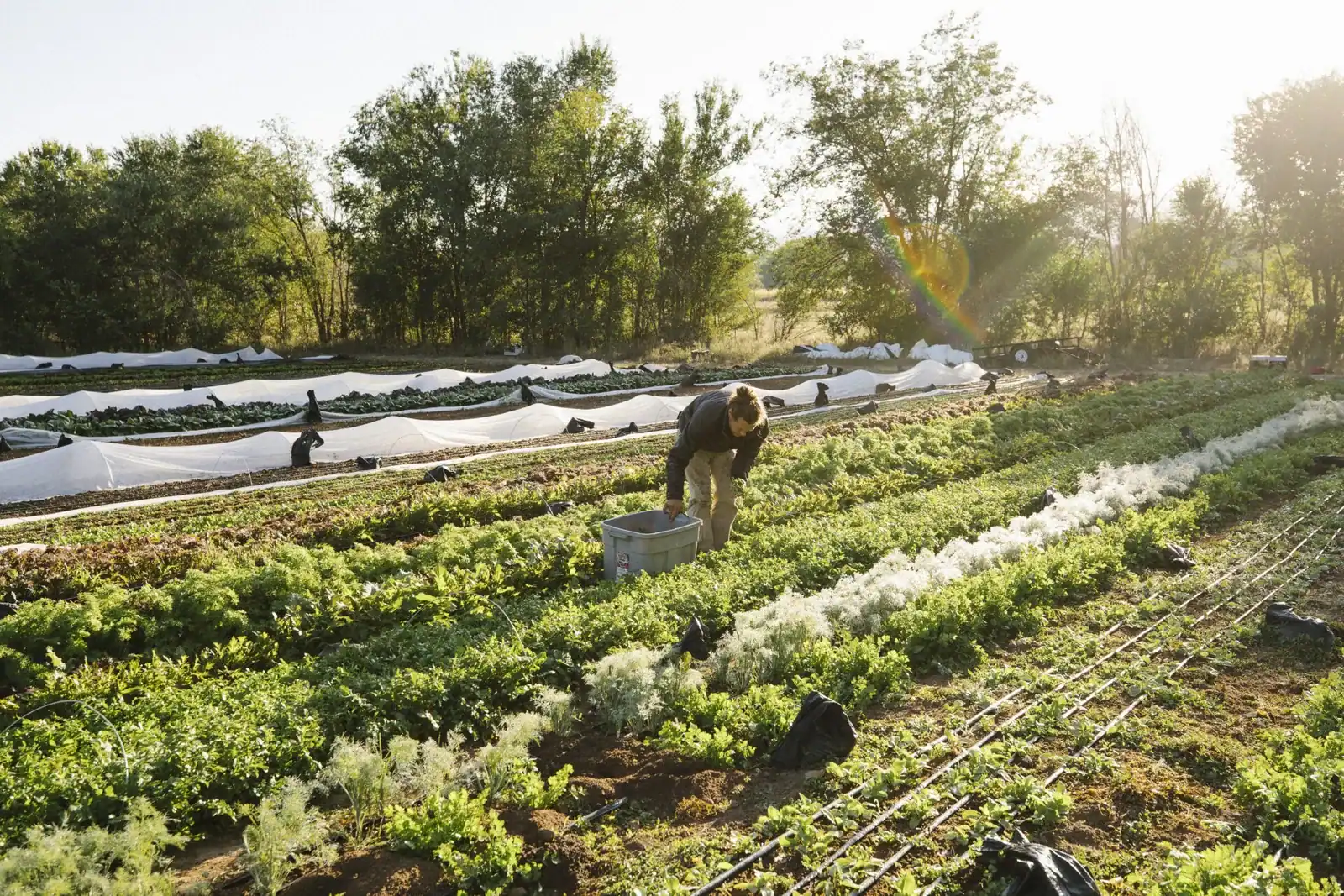 Photo: Stella Kalinina / National Young Farmers Coalition
National Young Farmers CoalitionThe National Young Farmers Coalition is a farmer-led network based in Hudson, New York, that works to change federal farm policy so new farmers and ranchers get fair access to land, water and support. It runs local chapters, a fellowship, advocacy campaigns and the Next Generation Farmer Fund, with policy updates posted through October 2026.Visit site
Photo: Stella Kalinina / National Young Farmers Coalition
National Young Farmers CoalitionThe National Young Farmers Coalition is a farmer-led network based in Hudson, New York, that works to change federal farm policy so new farmers and ranchers get fair access to land, water and support. It runs local chapters, a fellowship, advocacy campaigns and the Next Generation Farmer Fund, with policy updates posted through October 2026.Visit site
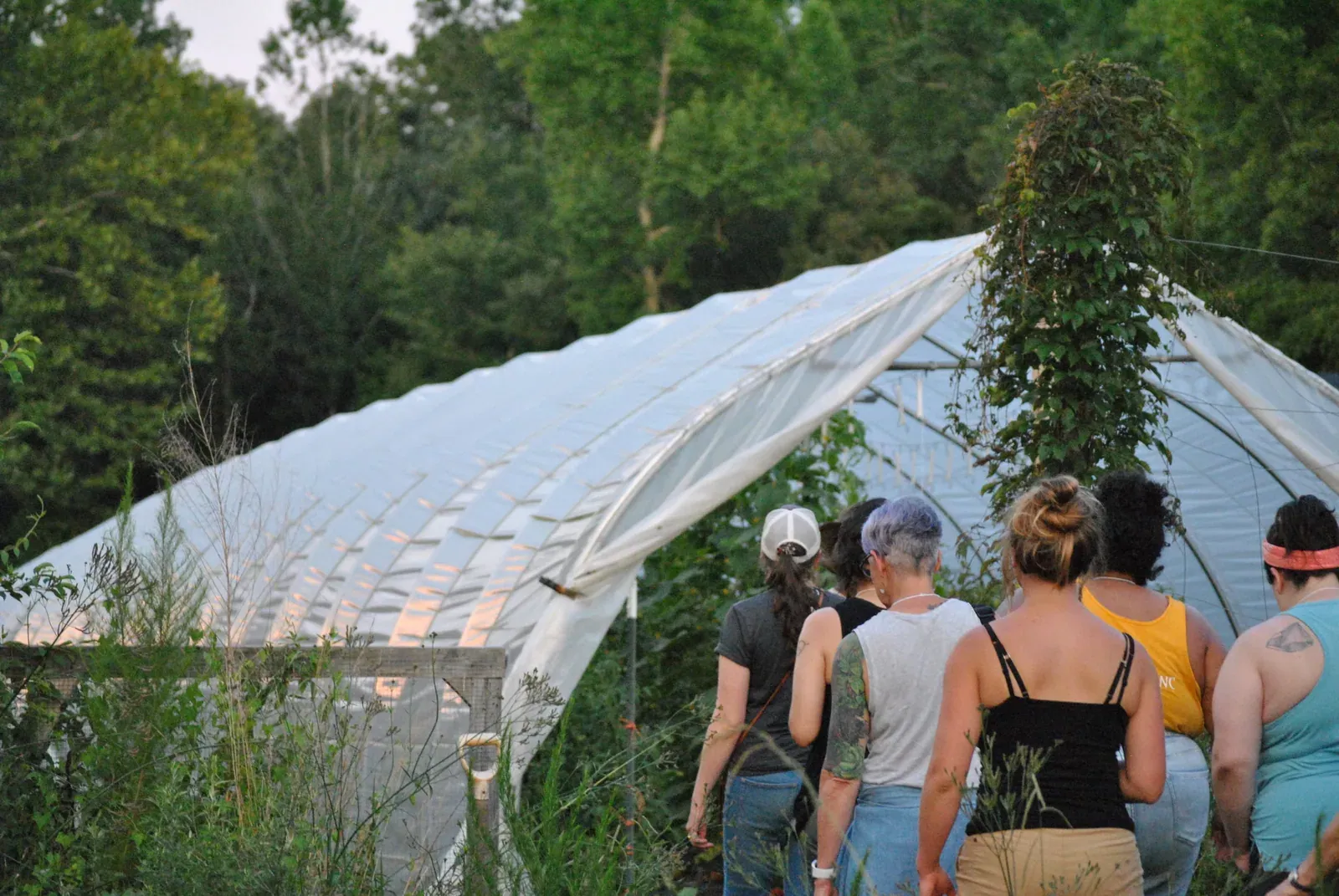 Photo: Madeline Turner / National Sustainable Agriculture Coalition
National Sustainable Agriculture CoalitionThe National Sustainable Agriculture Coalition is an alliance of grassroots organizations based in Washington, D.C. that advocates for federal policy reform supporting sustainable food systems, natural resources and rural communities. It tracks the Farm Bill and USDA conservation and research programs, and publishes a policy blog with posts through October 2026.Visit site
Photo: Madeline Turner / National Sustainable Agriculture Coalition
National Sustainable Agriculture CoalitionThe National Sustainable Agriculture Coalition is an alliance of grassroots organizations based in Washington, D.C. that advocates for federal policy reform supporting sustainable food systems, natural resources and rural communities. It tracks the Farm Bill and USDA conservation and research programs, and publishes a policy blog with posts through October 2026.Visit site
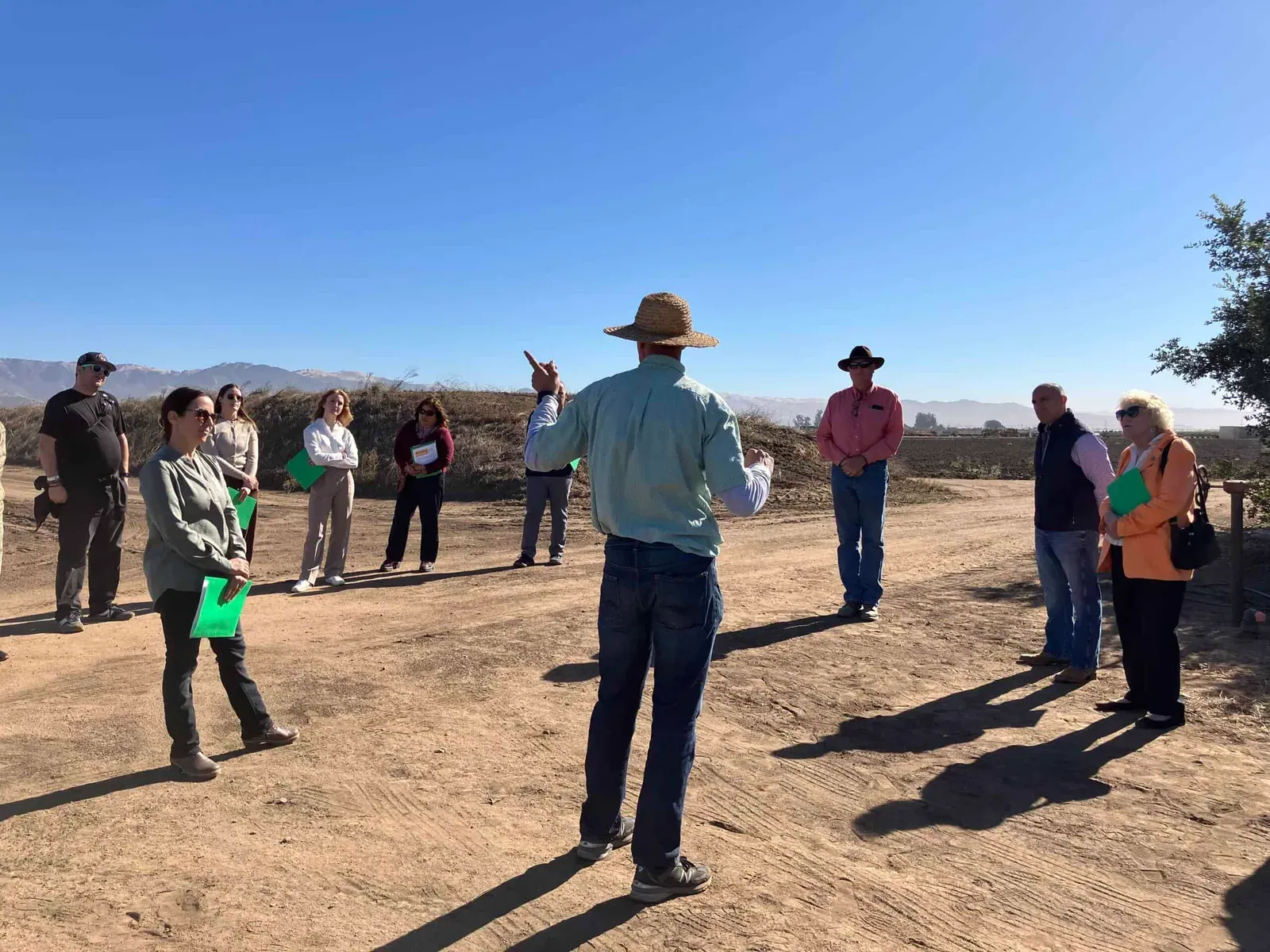 Photo: Organic Farming Research Foundation
Organic Farming Research FoundationThe Organic Farming Research Foundation in Santa Cruz, California, works to foster the improvement and widespread adoption of organic farming systems. It funds farmer-led research trials, maintains an online Organic Research Hub, publishes guides to government programs for organic and transitioning farmers, and advocates for organic research funding, with news posted in October 2026.Visit site
Photo: Organic Farming Research Foundation
Organic Farming Research FoundationThe Organic Farming Research Foundation in Santa Cruz, California, works to foster the improvement and widespread adoption of organic farming systems. It funds farmer-led research trials, maintains an online Organic Research Hub, publishes guides to government programs for organic and transitioning farmers, and advocates for organic research funding, with news posted in October 2026.Visit site
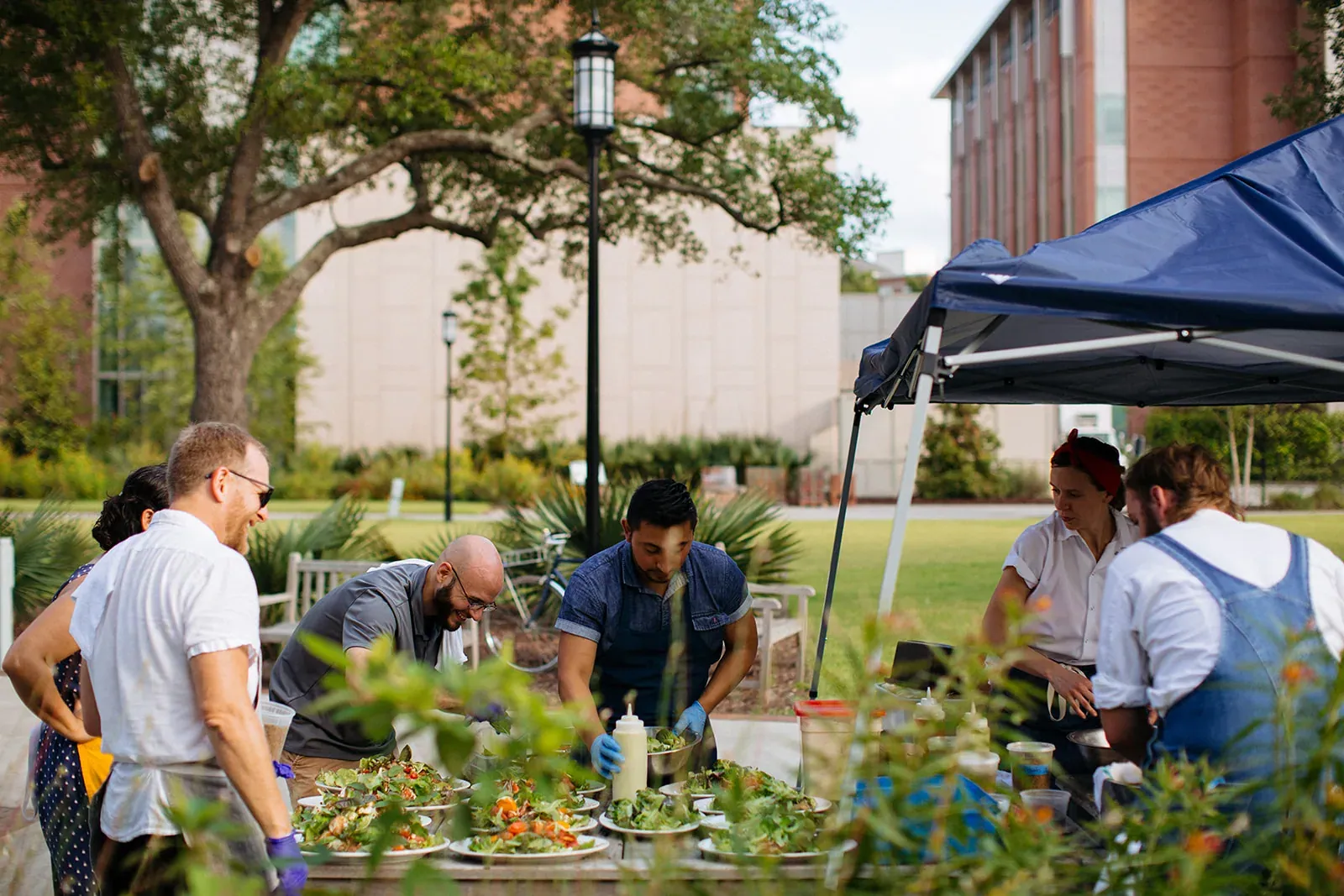 Photo: Lindsay Shorter / Slow Food USA
Slow Food USASlow Food USA, based in Brooklyn, New York, is the national arm of the Slow Food movement, with more than 100 local chapters. Its programs include the Ark of Taste catalog of heritage foods, the Snail of Approval for restaurants and producers, school gardens, the Cooks' Alliance and food and farm policy, with chapter calls scheduled through November 2026.Visit site
Photo: Lindsay Shorter / Slow Food USA
Slow Food USASlow Food USA, based in Brooklyn, New York, is the national arm of the Slow Food movement, with more than 100 local chapters. Its programs include the Ark of Taste catalog of heritage foods, the Snail of Approval for restaurants and producers, school gardens, the Cooks' Alliance and food and farm policy, with chapter calls scheduled through November 2026.Visit site
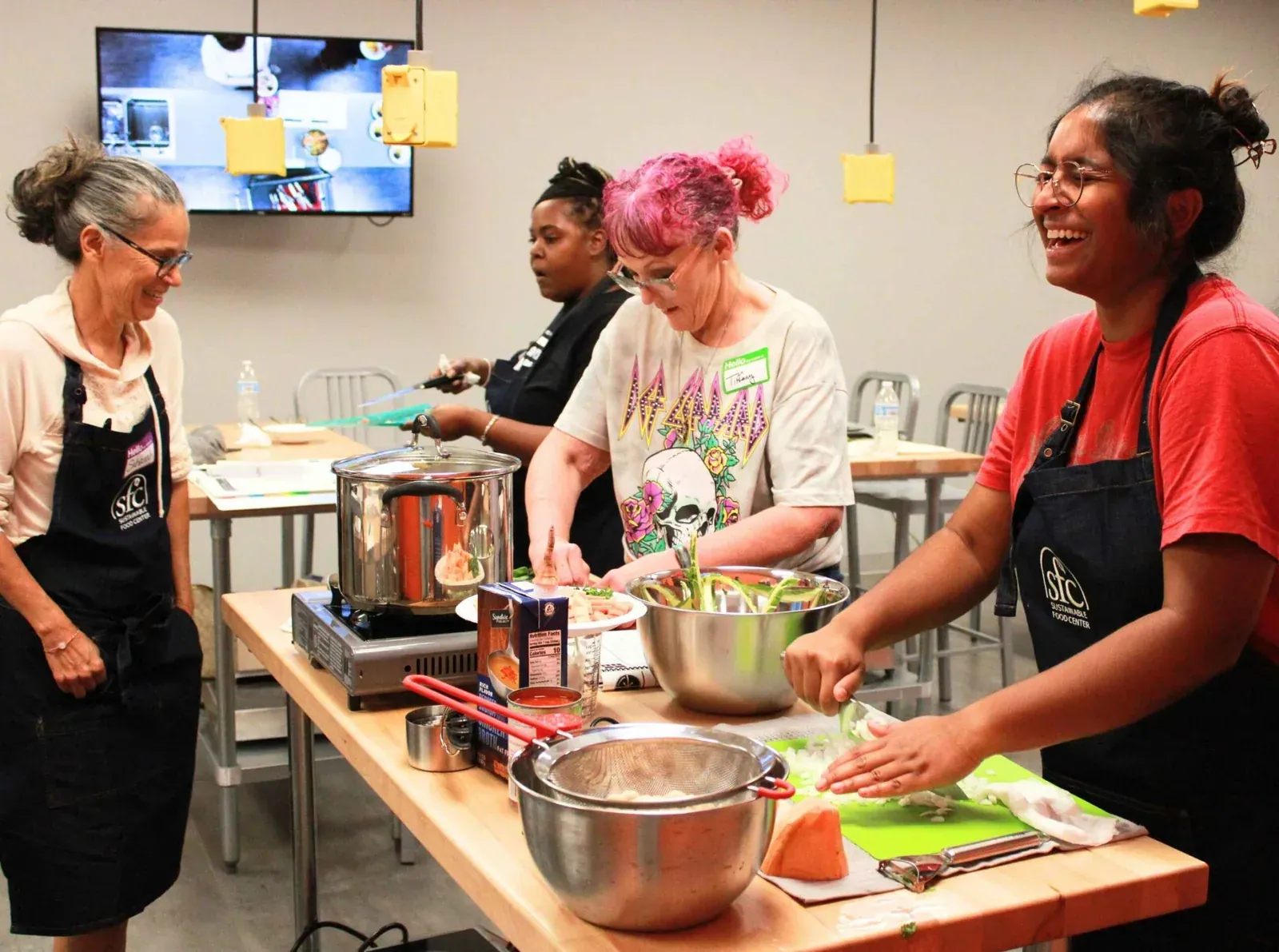 Photo: Sustainable Food Center
Sustainable Food CenterSustainable Food Center is an Austin, Texas nonprofit serving Central and West Texas. It operates the SFC Farmers' Markets at Republic Square downtown and at Sunset Valley every Saturday year-round, runs Double Up Food Bucks Texas for SNAP and WIC shoppers, teaches cooking classes, supports farmers and ranchers with business services, and works on food policy.Visit site
Photo: Sustainable Food Center
Sustainable Food CenterSustainable Food Center is an Austin, Texas nonprofit serving Central and West Texas. It operates the SFC Farmers' Markets at Republic Square downtown and at Sunset Valley every Saturday year-round, runs Double Up Food Bucks Texas for SNAP and WIC shoppers, teaches cooking classes, supports farmers and ranchers with business services, and works on food policy.Visit site
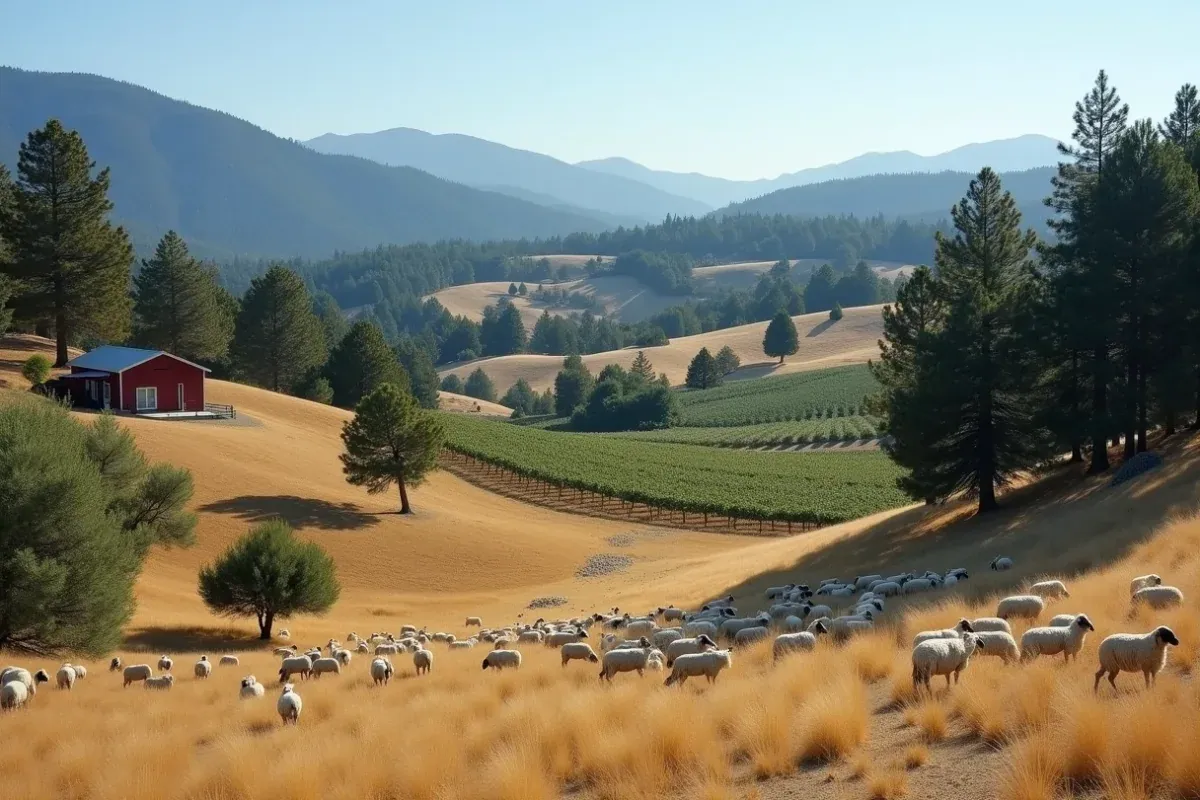 Land CoreLand Core is a nonprofit based in Grass Valley, California, that advances soil health policies and programs creating value for farmers, businesses and communities. Its work covers federal policy recommendations, a risk modeling program building a predictive model of how soil health reduces risk for lenders, insurers and investors, and education, with a monthly newsletter published through September 2026.Visit site
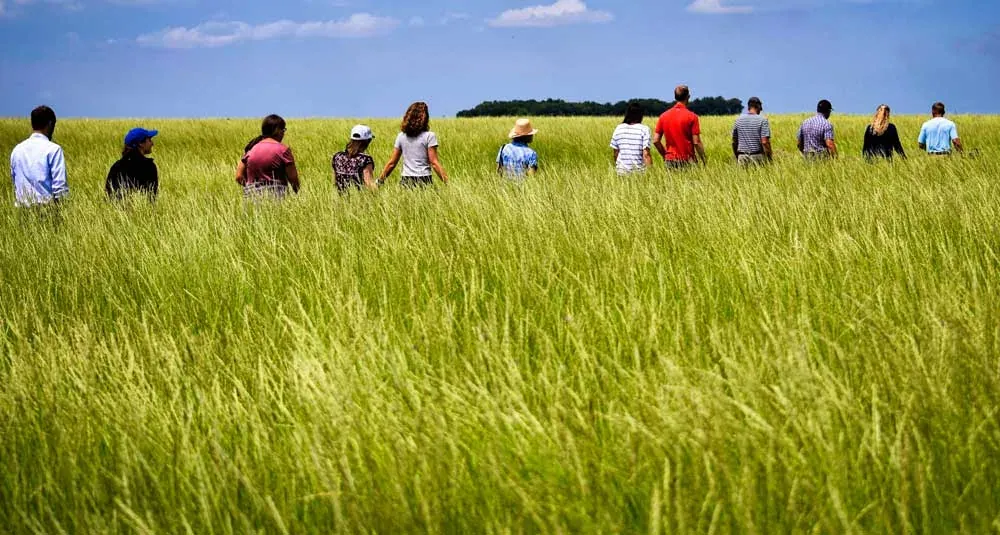 Photo: Marbleseed
MarbleseedMarbleseed, formerly MOSES, is a farmer-led nonprofit in Spring Valley, Wisconsin, that supports organic and regenerative farmers across the Upper Midwest. It offers organic specialists, resources, field days, webinars, New Farmer U and Organic University, and hosts the annual Marbleseed Organic Farming Conference, next held February 26 to 27, 2027 in Delavan, Wisconsin.Visit site
Photo: Marbleseed
MarbleseedMarbleseed, formerly MOSES, is a farmer-led nonprofit in Spring Valley, Wisconsin, that supports organic and regenerative farmers across the Upper Midwest. It offers organic specialists, resources, field days, webinars, New Farmer U and Organic University, and hosts the annual Marbleseed Organic Farming Conference, next held February 26 to 27, 2027 in Delavan, Wisconsin.Visit site
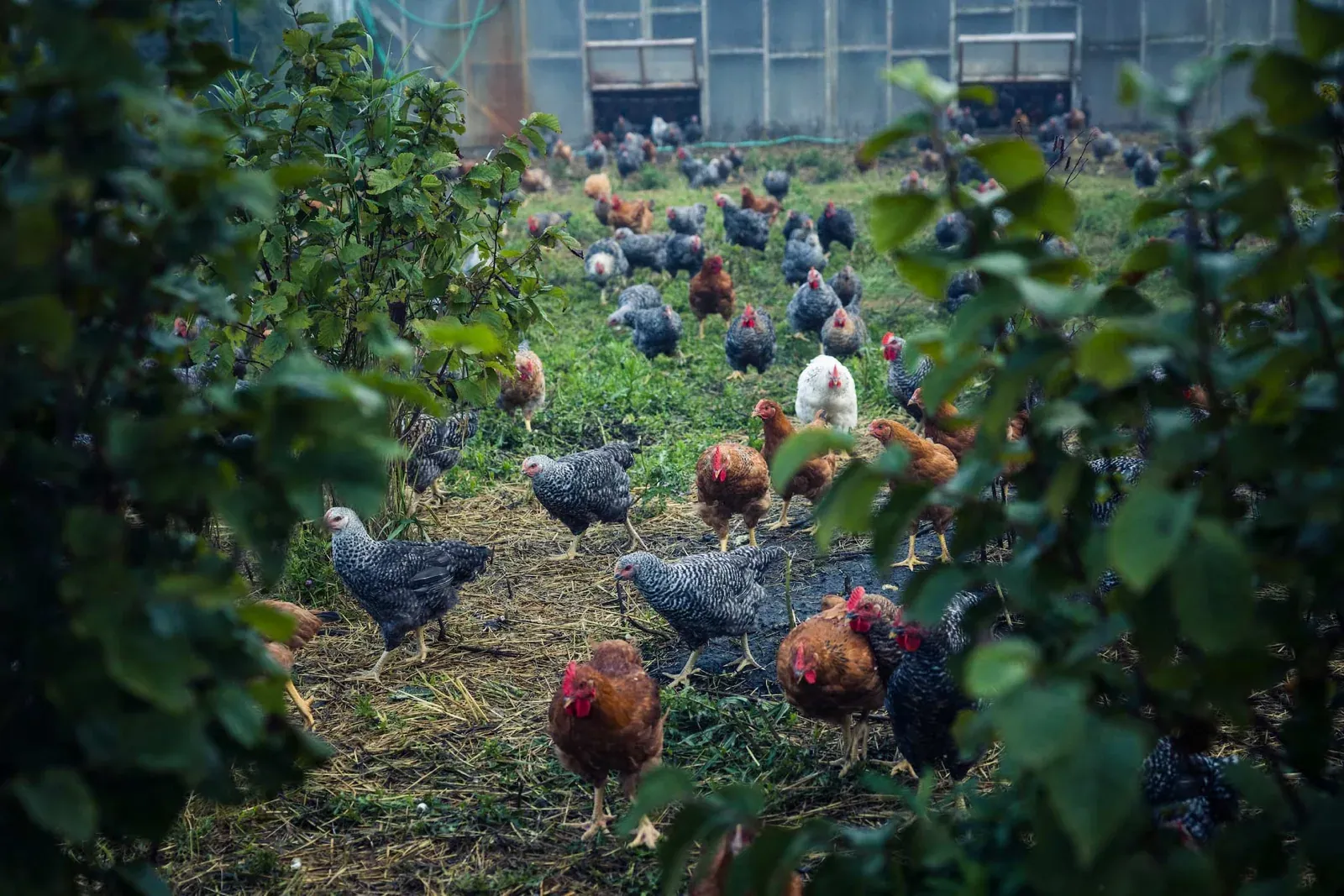 Photo: Regenerative Agriculture Alliance
Regenerative Agriculture AllianceThe Regenerative Agriculture Alliance is a Midwest nonprofit founded by Reginaldo Haslett-Marroquin and led by executive director Diane Christofore. It builds a regenerative poultry system called Tree-Range farming, in which chickens range under a canopy of trees and woody perennials, runs poultry processing in Stacyville, Iowa and farmer training, and keeps a calendar of regenerative events through November 2026.Visit site
Photo: Regenerative Agriculture Alliance
Regenerative Agriculture AllianceThe Regenerative Agriculture Alliance is a Midwest nonprofit founded by Reginaldo Haslett-Marroquin and led by executive director Diane Christofore. It builds a regenerative poultry system called Tree-Range farming, in which chickens range under a canopy of trees and woody perennials, runs poultry processing in Stacyville, Iowa and farmer training, and keeps a calendar of regenerative events through November 2026.Visit site
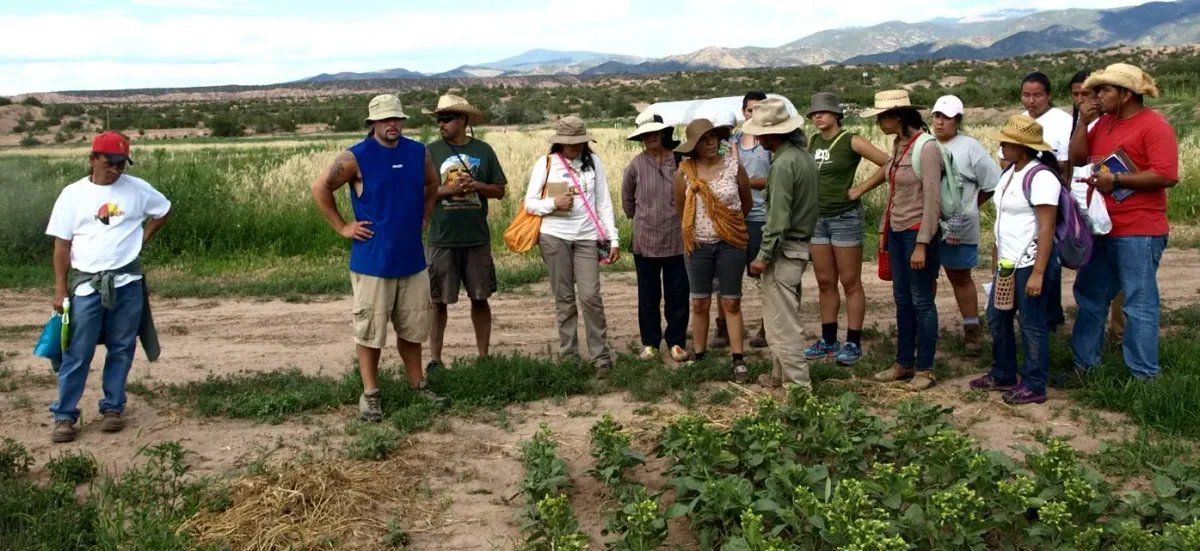 Photo: Traditional Native American Farmers Association
Traditional Native American Farmers AssociationFounded in 1992 by Native farmers and elders from Arizona and New Mexico, TNAFA works to revitalize traditional agriculture in Native communities. A program of the Seventh Generation Fund, it conserves heirloom seeds, trains farmers and youth in community-scale organic farming and runs the annual Indigenous Sustainable Communities Design Course in northern New Mexico.Visit site
Photo: Traditional Native American Farmers Association
Traditional Native American Farmers AssociationFounded in 1992 by Native farmers and elders from Arizona and New Mexico, TNAFA works to revitalize traditional agriculture in Native communities. A program of the Seventh Generation Fund, it conserves heirloom seeds, trains farmers and youth in community-scale organic farming and runs the annual Indigenous Sustainable Communities Design Course in northern New Mexico.Visit site
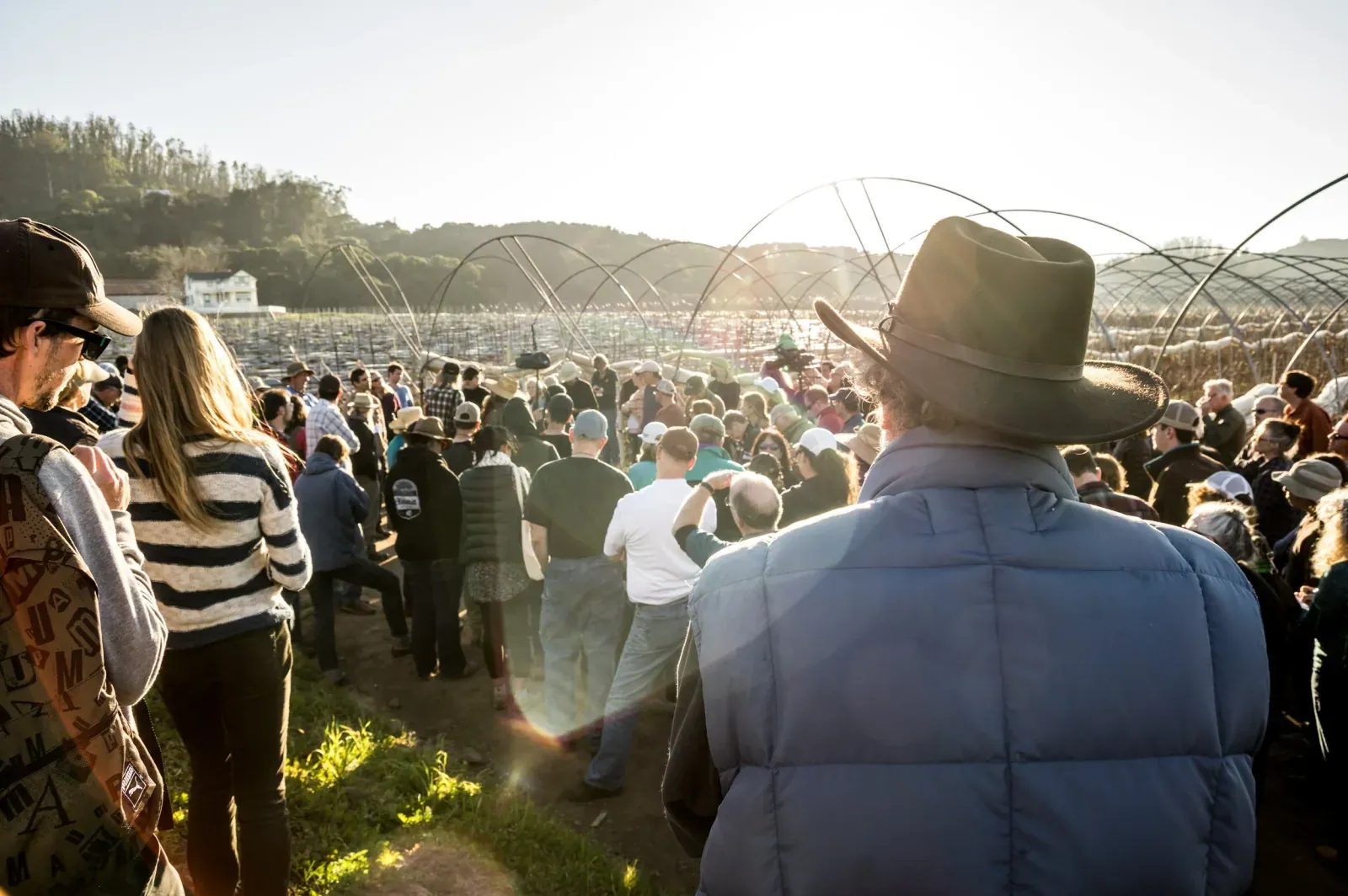 Photo: Ecological Farming Association (EcoFarm)
Ecological Farming Association (EcoFarm)The Ecological Farming Association, a California nonprofit based in Santa Cruz, has run the annual EcoFarm Conference since the early 1980s, now at Asilomar in Pacific Grove; the 47th conference is set for January 2027. It also runs the Hoes Down Harvest Festival at Full Belly Farm, beginning-farmer scholarships, a work trade program and regional farmer-led workshops.Visit site
Photo: Ecological Farming Association (EcoFarm)
Ecological Farming Association (EcoFarm)The Ecological Farming Association, a California nonprofit based in Santa Cruz, has run the annual EcoFarm Conference since the early 1980s, now at Asilomar in Pacific Grove; the 47th conference is set for January 2027. It also runs the Hoes Down Harvest Festival at Full Belly Farm, beginning-farmer scholarships, a work trade program and regional farmer-led workshops.Visit site
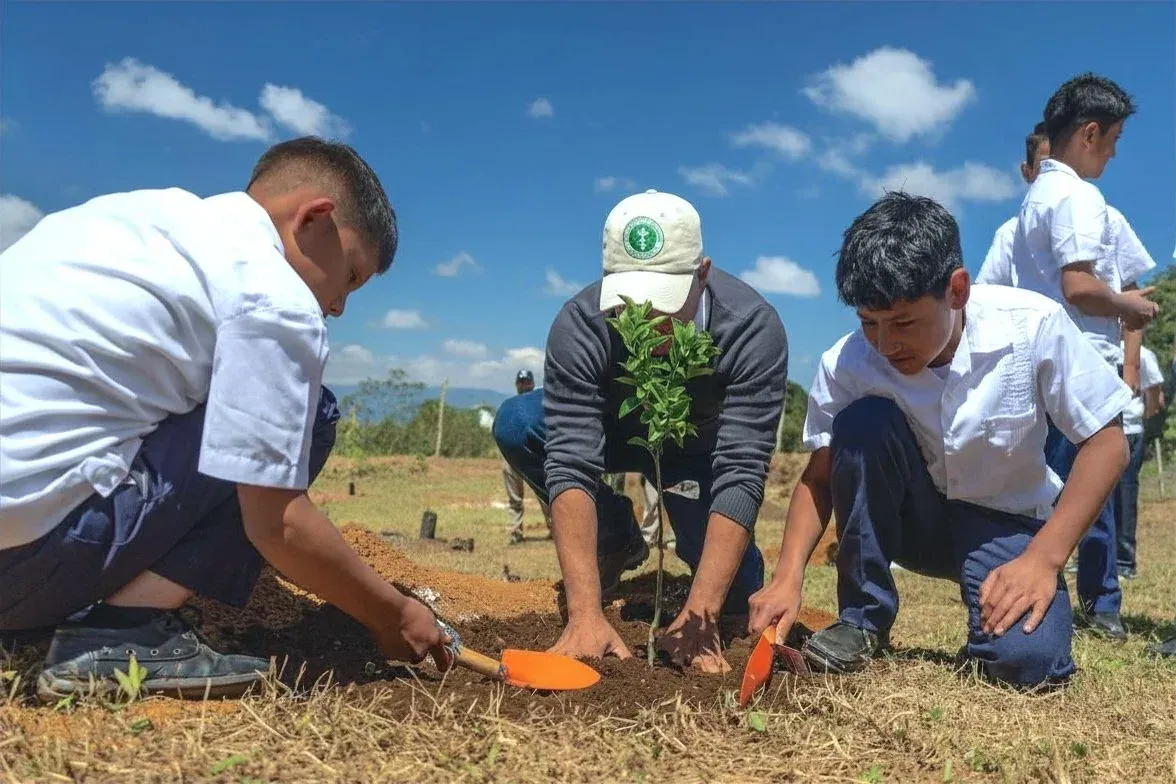 Photo: Sustainable Harvest International
Sustainable Harvest InternationalA US nonprofit founded in 1997 by Florence Reed, with offices in Boston and Washington, DC. It trains farming families in Central America, currently in Honduras, in agroforestry and regenerative practices, and reports more than 4,000 families reached and 5 million trees planted. Its programs include the TREE Program, the Million Farm Transformation and the Roots of Renewal film.Visit site
Photo: Sustainable Harvest International
Sustainable Harvest InternationalA US nonprofit founded in 1997 by Florence Reed, with offices in Boston and Washington, DC. It trains farming families in Central America, currently in Honduras, in agroforestry and regenerative practices, and reports more than 4,000 families reached and 5 million trees planted. Its programs include the TREE Program, the Million Farm Transformation and the Roots of Renewal film.Visit site
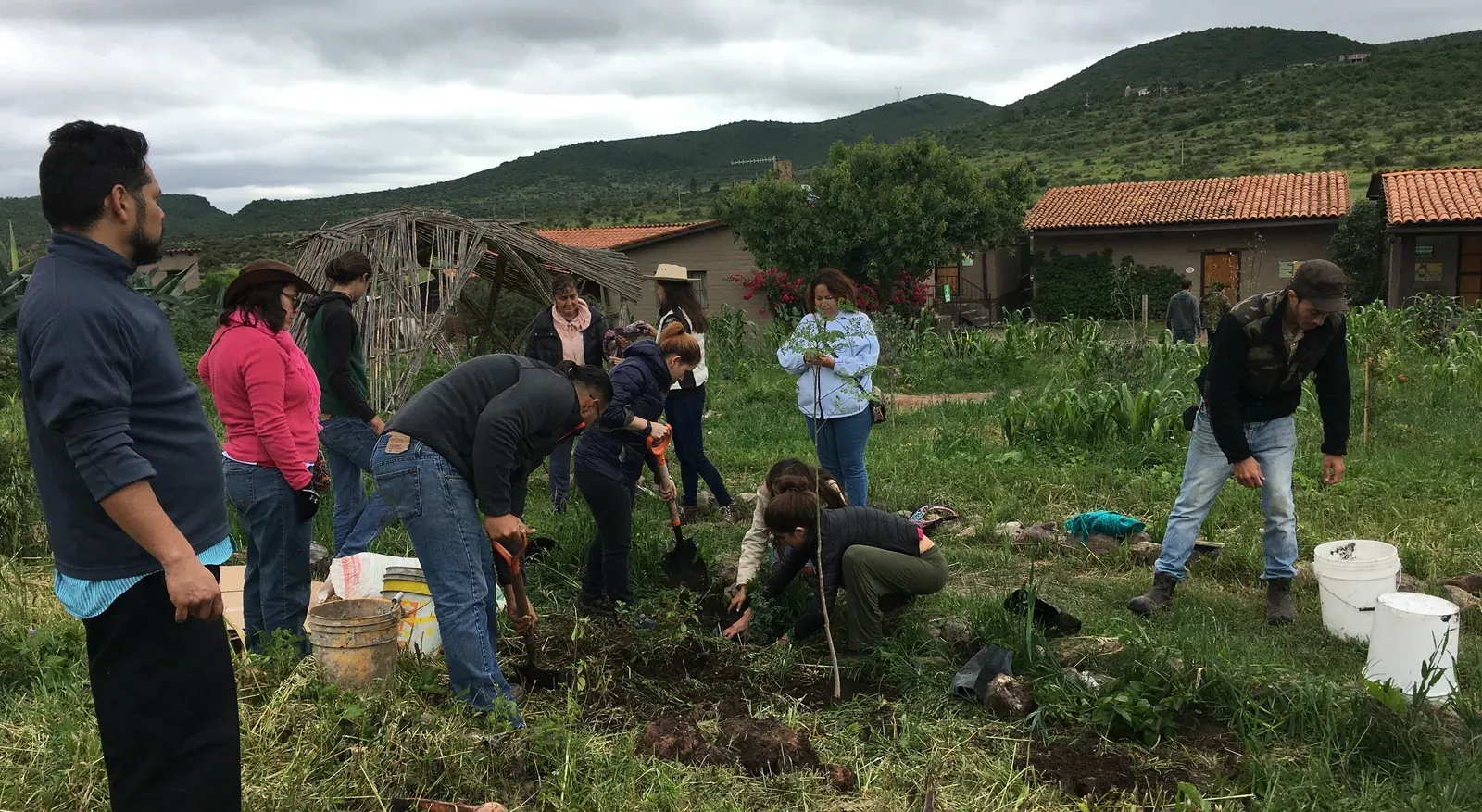 Photo: Regeneration International / Vía Orgánica
Regeneration InternationalA US-registered 501(c)(3) nonprofit building a global movement for agroecological, regenerative and organic agriculture, with a partner network that includes Farmers and Ranchers for a Green New Deal in the US and Via Organica in Mexico. Its programs include the Billion Agave Project, a regenerative farm map, the People's Food Summit, a certificate course and the RI Standard.Visit site
Photo: Regeneration International / Vía Orgánica
Regeneration InternationalA US-registered 501(c)(3) nonprofit building a global movement for agroecological, regenerative and organic agriculture, with a partner network that includes Farmers and Ranchers for a Green New Deal in the US and Via Organica in Mexico. Its programs include the Billion Agave Project, a regenerative farm map, the People's Food Summit, a certificate course and the RI Standard.Visit site