
Farms & Ranches
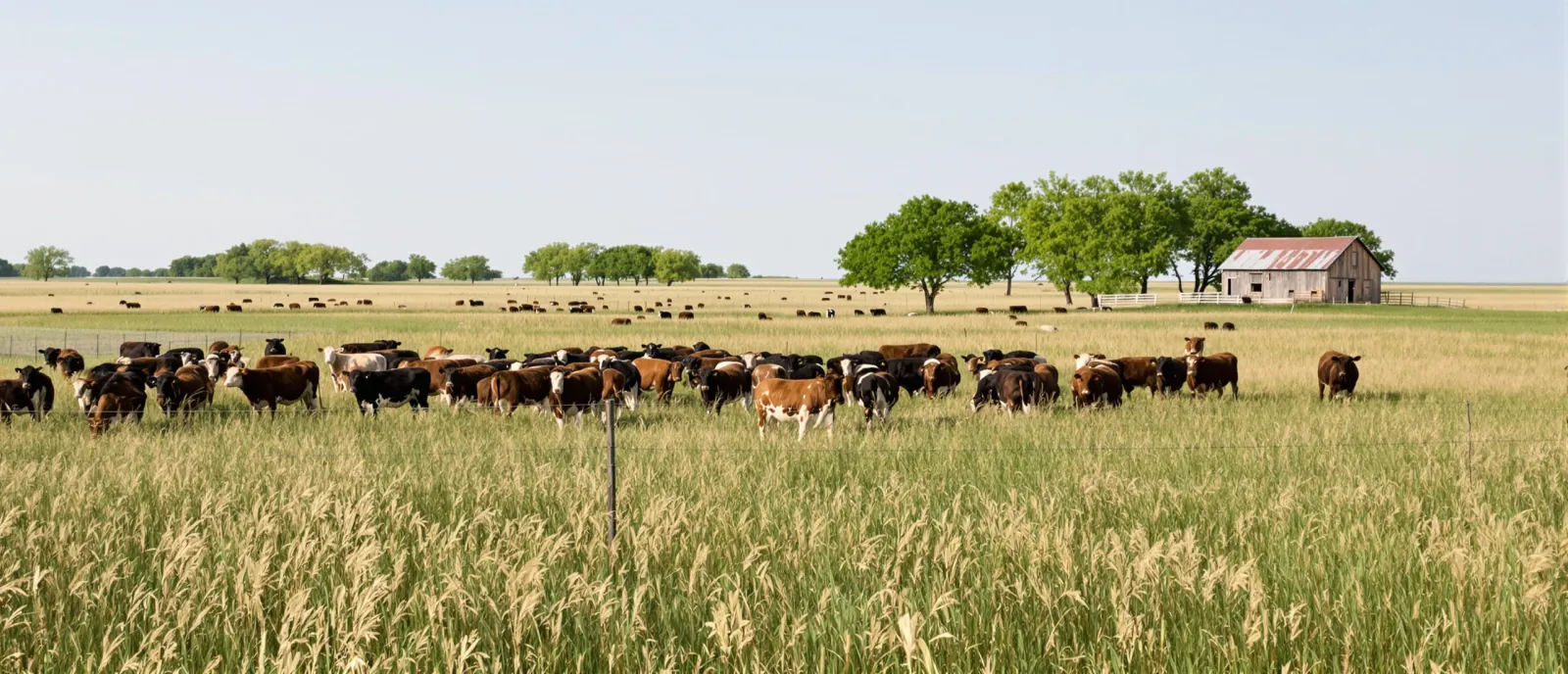
These are working farms and ranches across the United States that build soil while they feed people. Some run cattle or bison on thousands of acres of native grassland, some grow vegetables on a few acres without a plow. All of them describe their practice on their own sites, and most sell directly to households, chefs and butchers.
We checked every entry in October 2026: the site is live, the farm is operating, and the farm explains its own methods in its own words. Use the list to find food near you, a place to visit, or a model for your own ground.
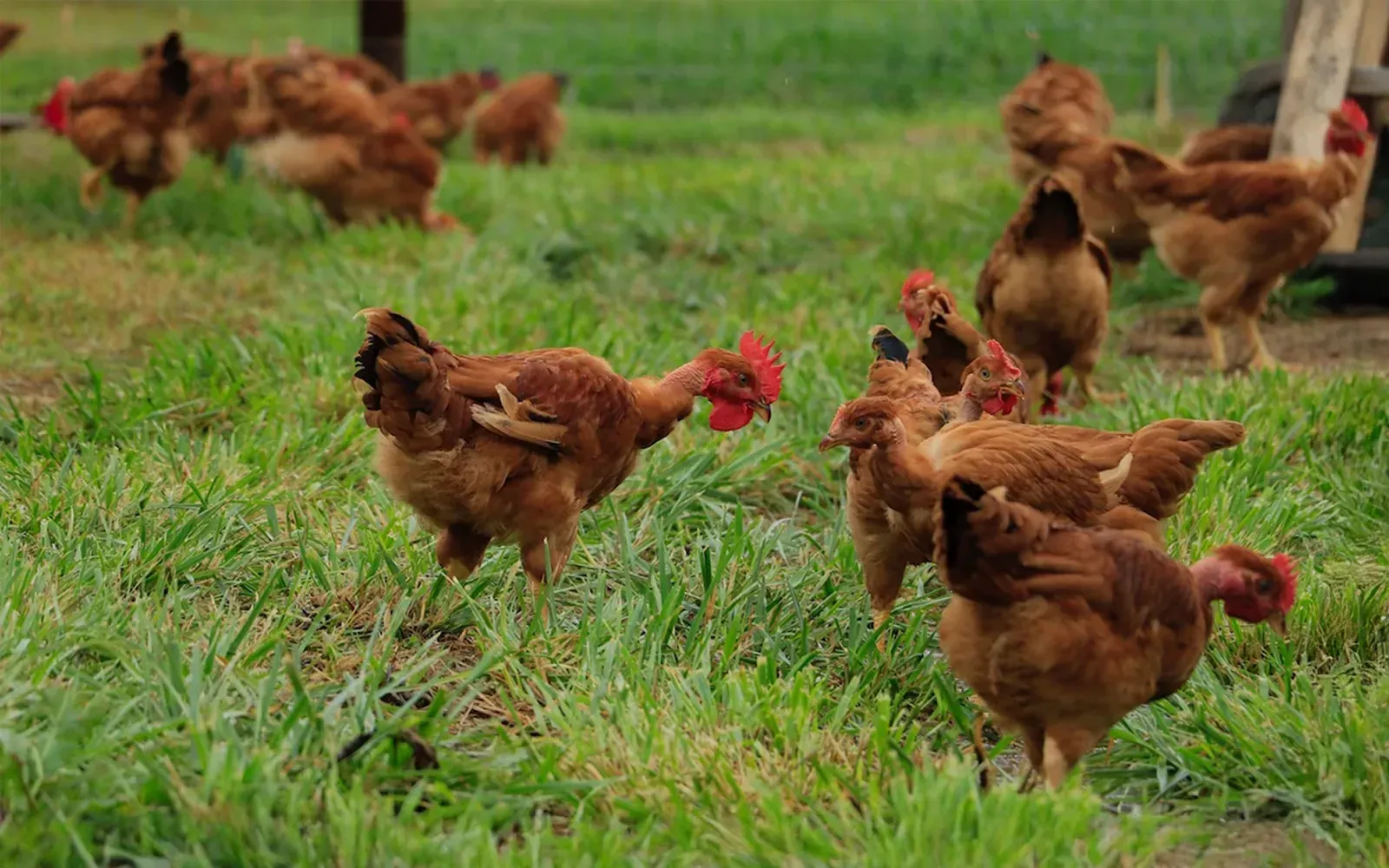 Photo: Joyce Farms
Joyce FarmsJoyce Farms in Winston-Salem, North Carolina, is a family company founded by Alvin Joyce in 1962 and now in its third generation. It raises Poulet Rouge heritage chicken, Angus beef and game birds under a regenerative program with five principles: know your context, no tilling, no chemical inputs, diversity and livestock integration. It sells to home cooks, chefs and butchers.Visit site
Photo: Joyce Farms
Joyce FarmsJoyce Farms in Winston-Salem, North Carolina, is a family company founded by Alvin Joyce in 1962 and now in its third generation. It raises Poulet Rouge heritage chicken, Angus beef and game birds under a regenerative program with five principles: know your context, no tilling, no chemical inputs, diversity and livestock integration. It sells to home cooks, chefs and butchers.Visit site
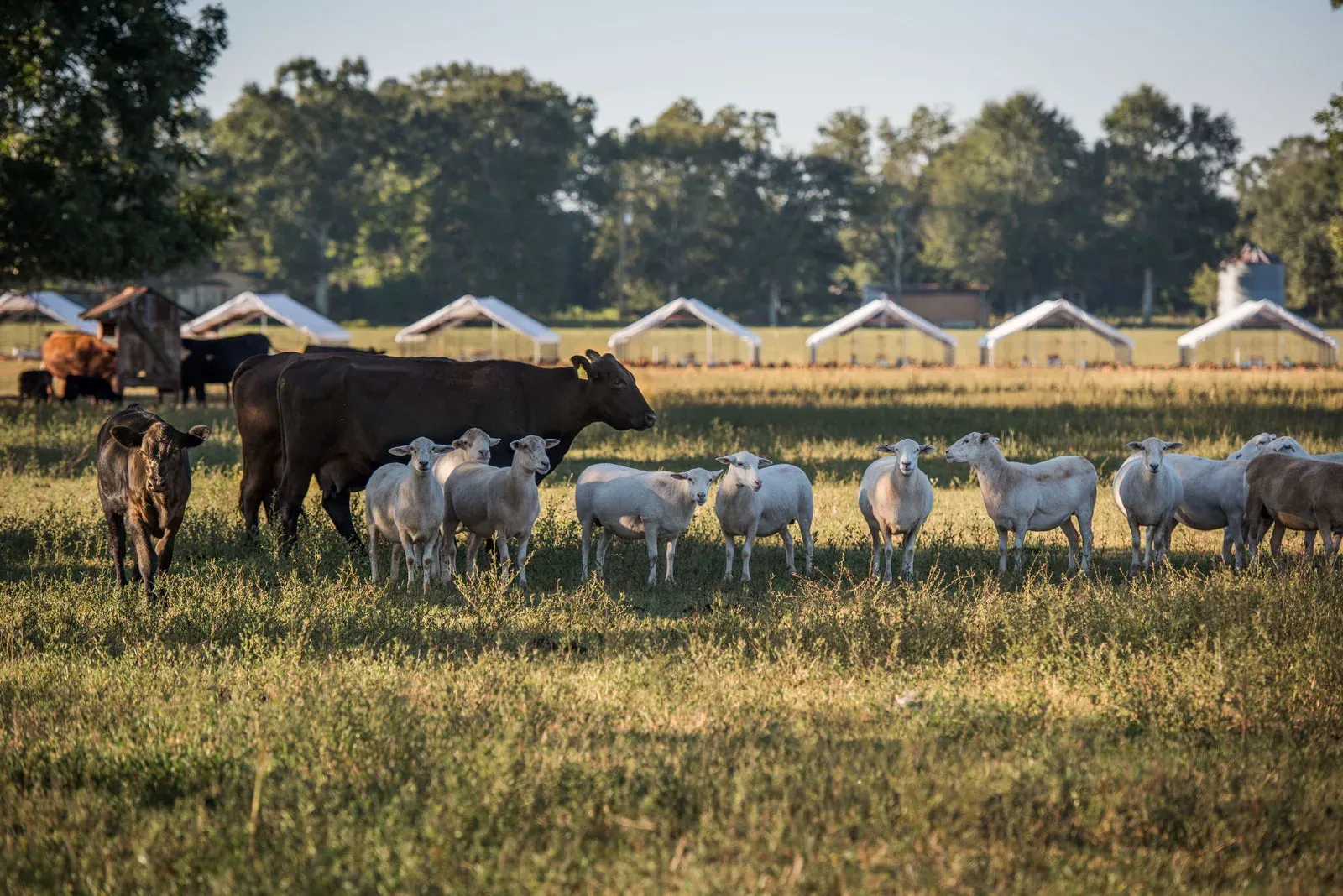 Photo: White Oak Pastures
White Oak PasturesWhite Oak Pastures is a family farm in Bluffton, Georgia, on land farmed since 1866, which owner Will Harris moved away from industrial methods in 1995. It raises cattle, hogs, sheep, goats, rabbits and poultry on pasture, slaughters and butchers on site in a zero-waste system, and sells meat online. Cabins, tours and a training center welcome visitors.Visit site
Photo: White Oak Pastures
White Oak PasturesWhite Oak Pastures is a family farm in Bluffton, Georgia, on land farmed since 1866, which owner Will Harris moved away from industrial methods in 1995. It raises cattle, hogs, sheep, goats, rabbits and poultry on pasture, slaughters and butchers on site in a zero-waste system, and sells meat online. Cabins, tours and a training center welcome visitors.Visit site
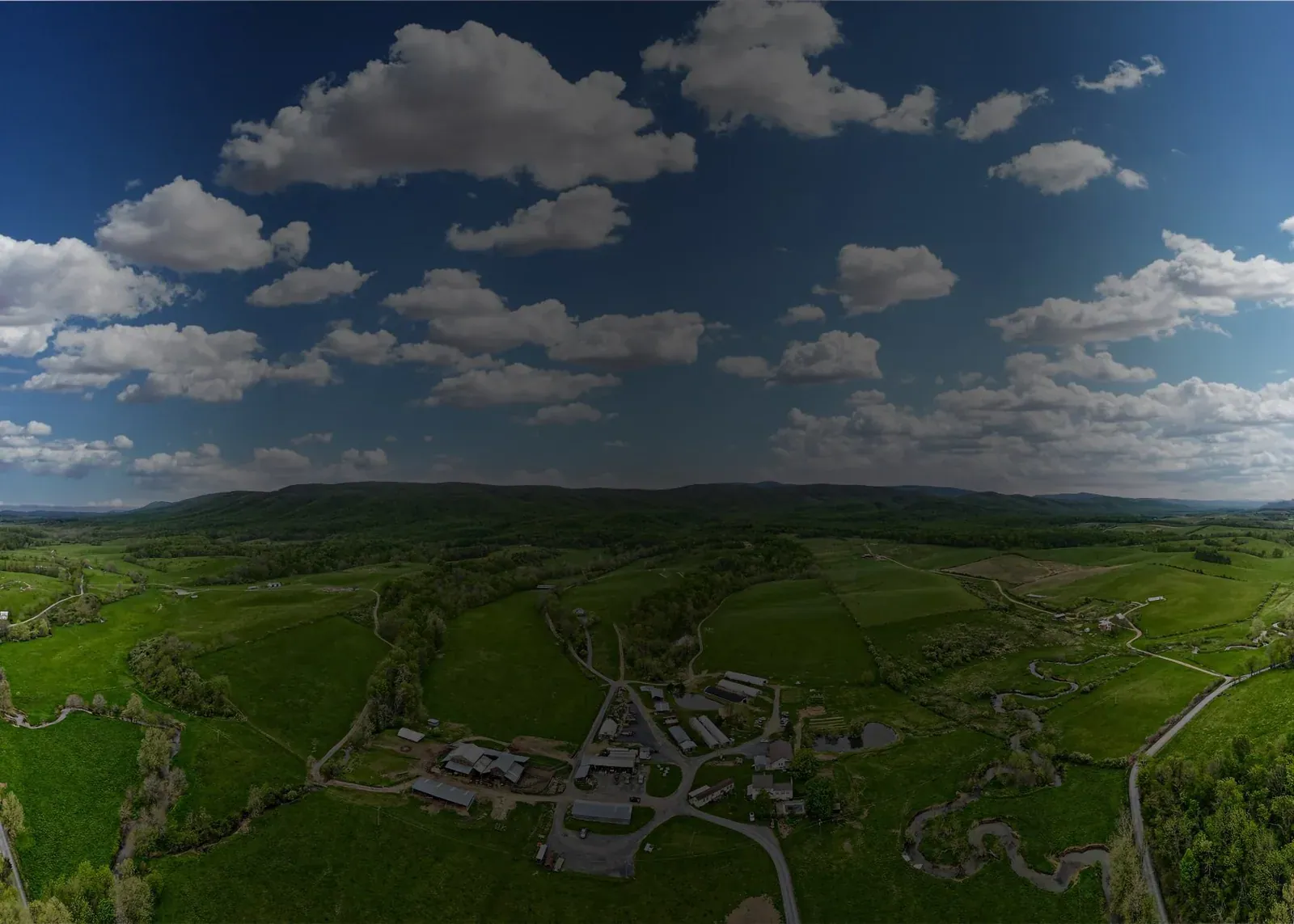 Photo: Polyface Farms
Polyface FarmsPolyface Farms in Swoope, Virginia, is the Salatin family's pasture-based farm in the Shenandoah Valley. Cattle, pigs, broilers, laying hens and turkeys move to fresh pasture in a grass-based system. It sells pastured pork, beef, chicken, turkey and eggs online and through pickup locations, and offers farm tours, farm stays, courses, workshops and on-farm events.Visit site
Photo: Polyface Farms
Polyface FarmsPolyface Farms in Swoope, Virginia, is the Salatin family's pasture-based farm in the Shenandoah Valley. Cattle, pigs, broilers, laying hens and turkeys move to fresh pasture in a grass-based system. It sells pastured pork, beef, chicken, turkey and eggs online and through pickup locations, and offers farm tours, farm stays, courses, workshops and on-farm events.Visit site
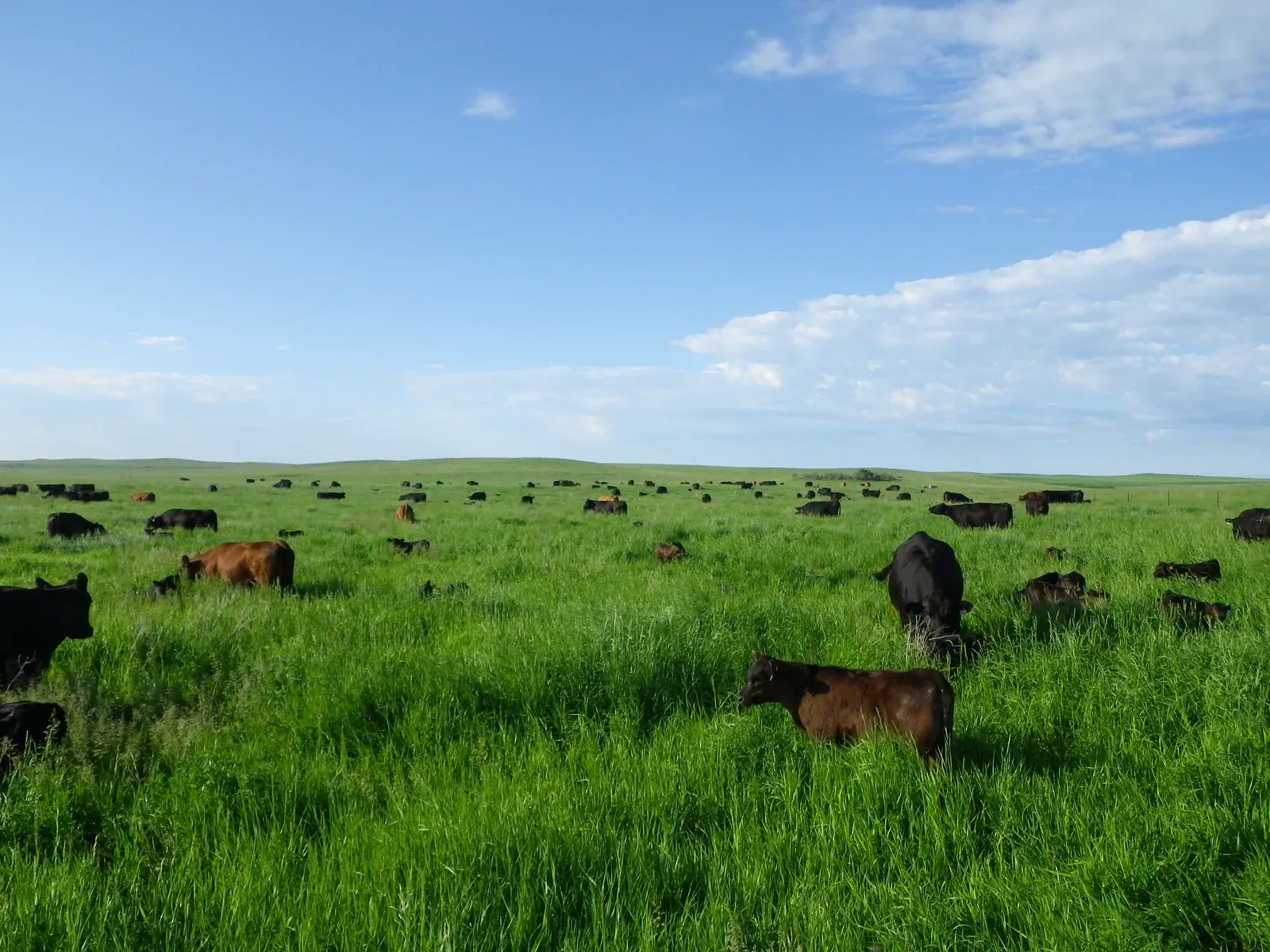 Photo: Brown's Ranch
Brown's RanchBrown's Ranch east of Bismarck, North Dakota, is the 5,000-acre family operation built by Gabe and Shelly Brown and now managed by their son Paul and his wife Jazmin. It has farmed no-till since 1993, grows diverse cover and companion crops, and grazes livestock under Holistic Management with long pasture recovery. Ranch-raised products sell through its Nourished by Nature store.Visit site
Photo: Brown's Ranch
Brown's RanchBrown's Ranch east of Bismarck, North Dakota, is the 5,000-acre family operation built by Gabe and Shelly Brown and now managed by their son Paul and his wife Jazmin. It has farmed no-till since 1993, grows diverse cover and companion crops, and grazes livestock under Holistic Management with long pasture recovery. Ranch-raised products sell through its Nourished by Nature store.Visit site
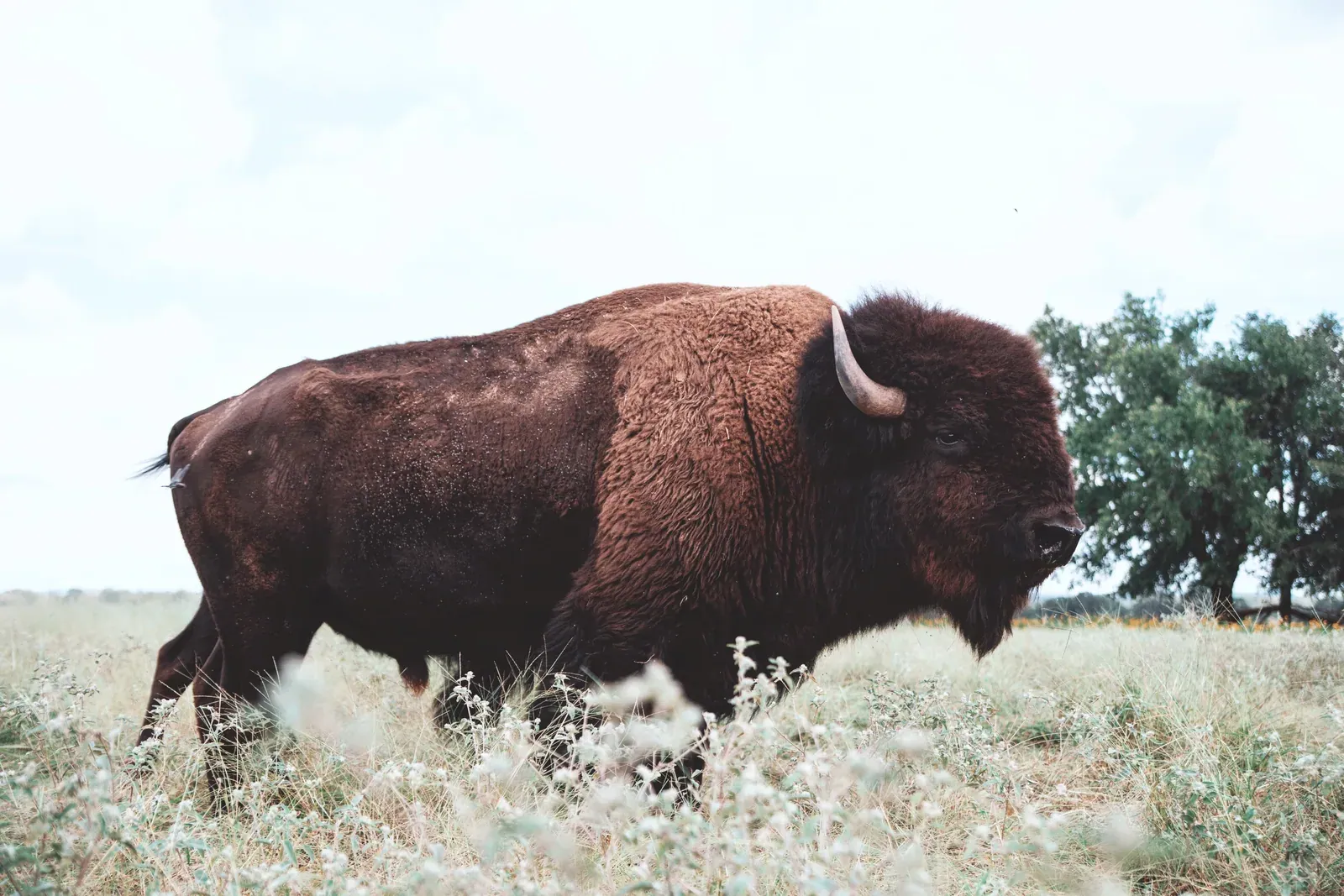 Photo: Roam Ranch
Roam RanchRoam Ranch is a 600-acre regenerative farm outside Fredericksburg in the Texas Hill Country, started in 2017 by Katie Forrest and Taylor Collins, co-founders of EPIC Provisions. Bison, heritage pigs, chickens, turkeys, ducks and geese share pastures under planned multispecies grazing, and the ranch monitors soil organic matter, carbon and water infiltration. It hosts tours, harvest days and dinners.Visit site
Photo: Roam Ranch
Roam RanchRoam Ranch is a 600-acre regenerative farm outside Fredericksburg in the Texas Hill Country, started in 2017 by Katie Forrest and Taylor Collins, co-founders of EPIC Provisions. Bison, heritage pigs, chickens, turkeys, ducks and geese share pastures under planned multispecies grazing, and the ranch monitors soil organic matter, carbon and water infiltration. It hosts tours, harvest days and dinners.Visit site
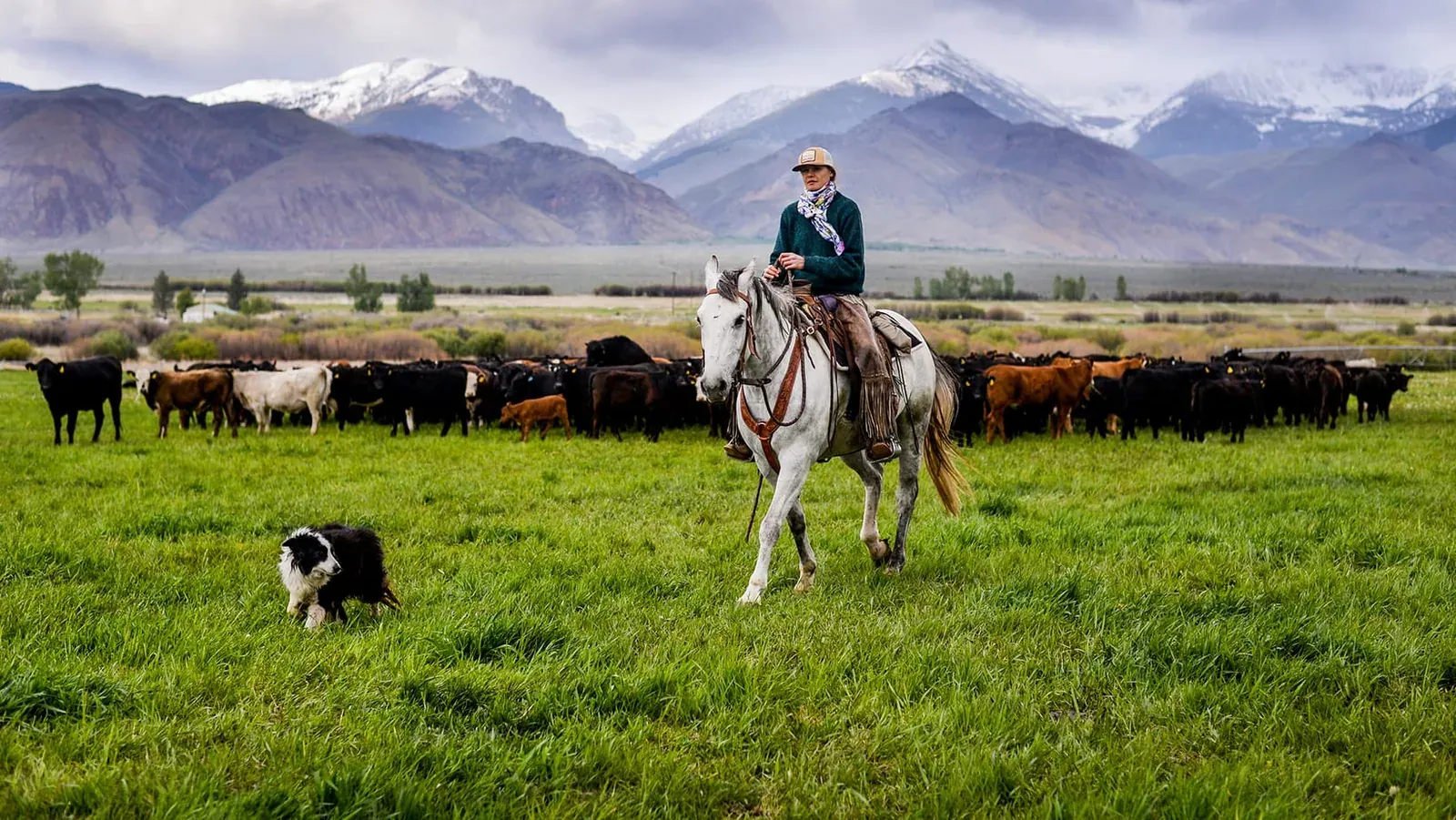 Photo: Alderspring Ranch
Alderspring RanchAlderspring Ranch raises certified organic, 100 percent grass-fed beef on Idaho mountain rangeland. In summer Glenn and Caryl Elzinga's family rides with the herd across 70 square miles of certified organic range, a method they call inherding. The ranch ships frozen beef nationwide, also sells organic lamb, pastured butter and sheep cheese, and publishes a weekly newsletter.Visit site
Photo: Alderspring Ranch
Alderspring RanchAlderspring Ranch raises certified organic, 100 percent grass-fed beef on Idaho mountain rangeland. In summer Glenn and Caryl Elzinga's family rides with the herd across 70 square miles of certified organic range, a method they call inherding. The ranch ships frozen beef nationwide, also sells organic lamb, pastured butter and sheep cheese, and publishes a weekly newsletter.Visit site
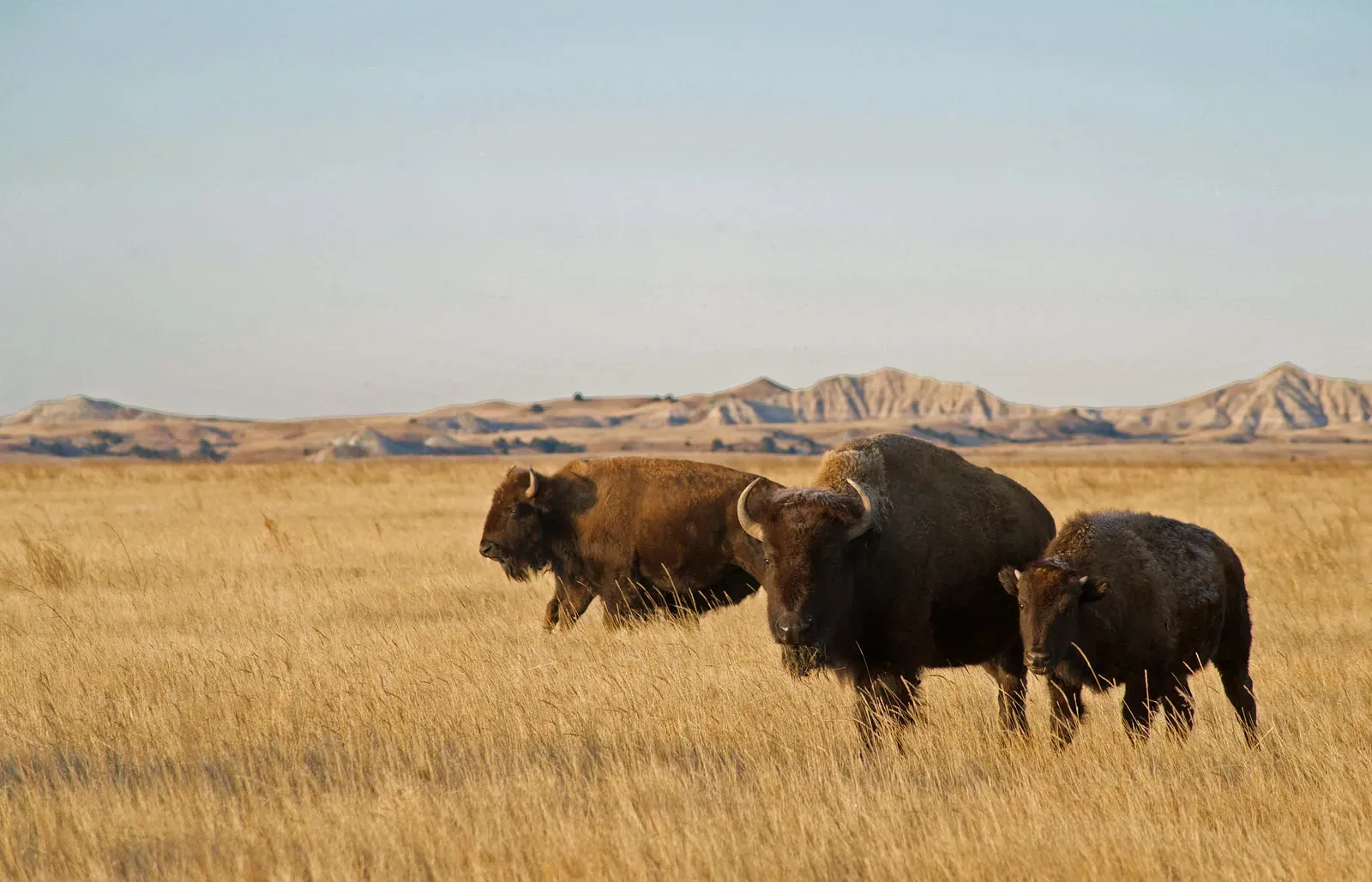 Photo: Wild Idea Buffalo
Wild Idea BuffaloWild Idea Buffalo raises 100 percent grass-fed and grass-finished bison on native prairie near Hermosa, South Dakota. The company describes itself as the first Regenerative Organic Certified buffalo operation in the country and also lists USDA Organic, Certified Grassfed and Animal Welfare Approved status. Animals are field harvested on the prairie and the meat ships direct to customers.Visit site
Photo: Wild Idea Buffalo
Wild Idea BuffaloWild Idea Buffalo raises 100 percent grass-fed and grass-finished bison on native prairie near Hermosa, South Dakota. The company describes itself as the first Regenerative Organic Certified buffalo operation in the country and also lists USDA Organic, Certified Grassfed and Animal Welfare Approved status. Animals are field harvested on the prairie and the meat ships direct to customers.Visit site
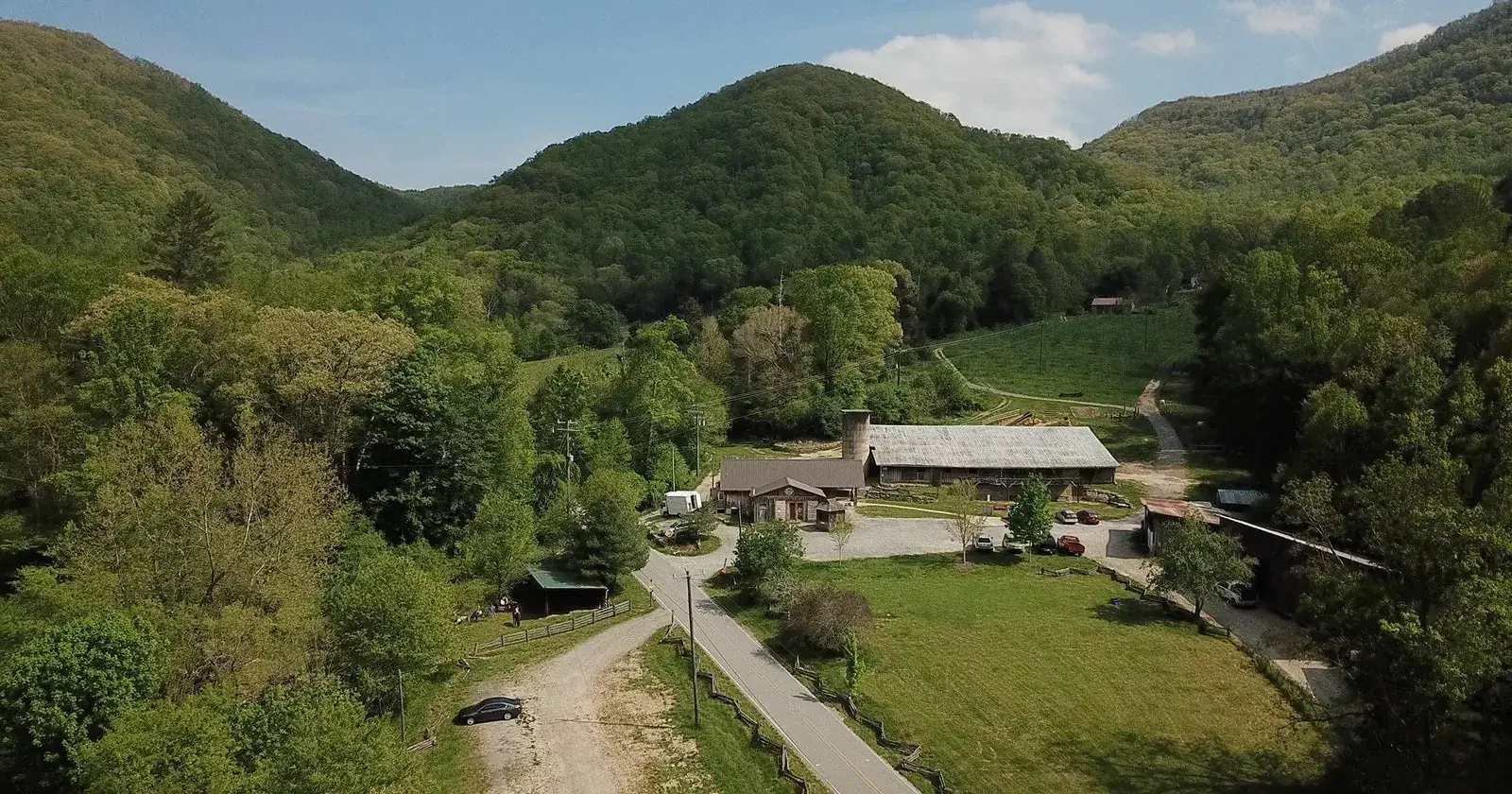 Photo: Hickory Nut Gap Farm
Hickory Nut Gap FarmHickory Nut Gap Farm in Fairview, North Carolina, has been family-farmed since 1916 and is led by Jamie Ager, who co-founded the meat business with Amy Frey Ager. It raises grass-fed beef and pastured pork, sources regenerative meats from family farms across the Southeast, and has been a Savory Institute hub since 2021. A farm store and tours welcome visitors.Visit site
Photo: Hickory Nut Gap Farm
Hickory Nut Gap FarmHickory Nut Gap Farm in Fairview, North Carolina, has been family-farmed since 1916 and is led by Jamie Ager, who co-founded the meat business with Amy Frey Ager. It raises grass-fed beef and pastured pork, sources regenerative meats from family farms across the Southeast, and has been a Savory Institute hub since 2021. A farm store and tours welcome visitors.Visit site
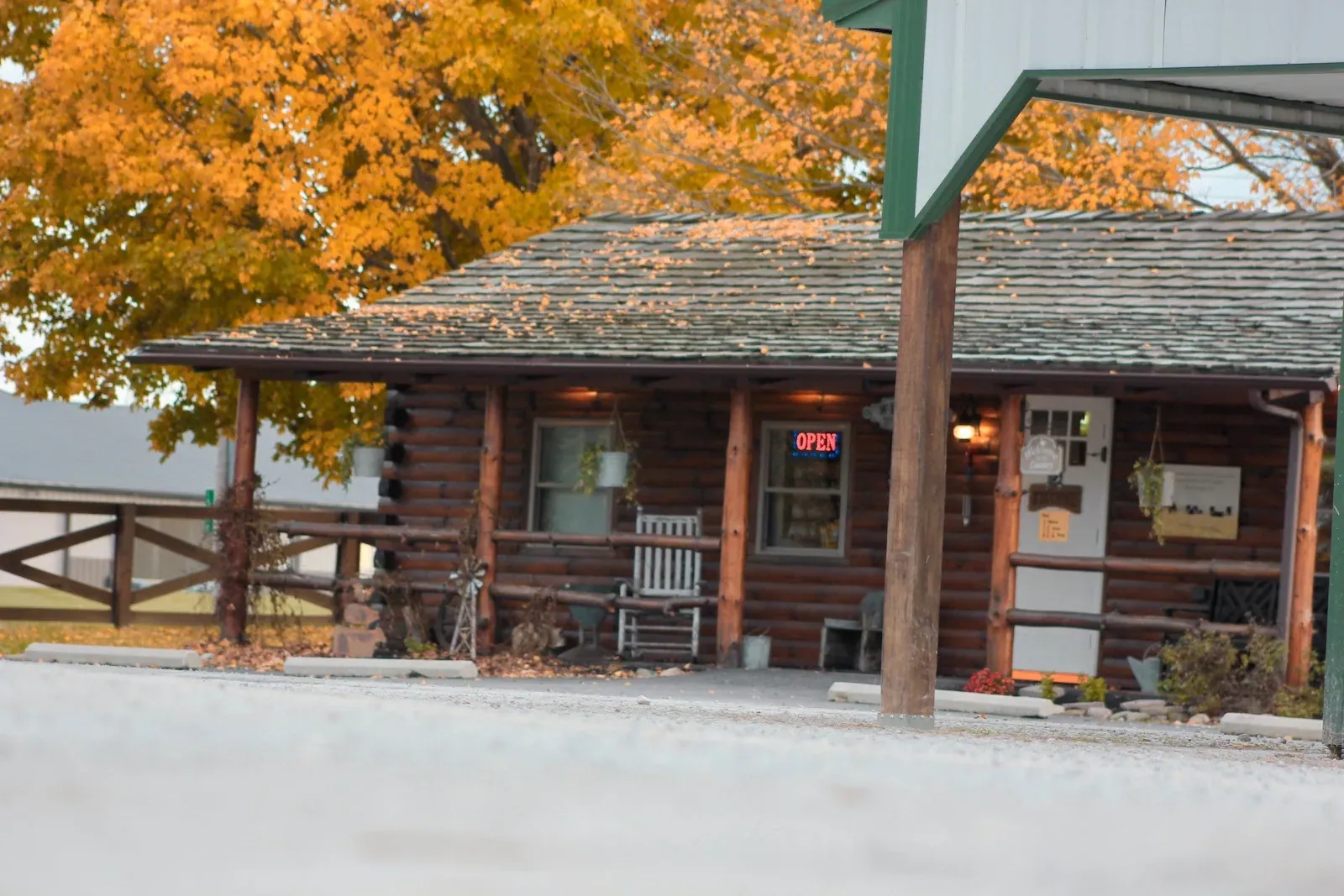 Photo: Seven Sons Farms
Seven Sons FarmsSeven Sons Farms in Roanoke, Indiana, is a fourth-generation family farm run by seven brothers. It raises grass-fed beef and pasture-raised pork and chicken, works with partner farms focused on soil health and animal welfare, and sells meat, eggs, dairy and wild-caught seafood through its farm store, home delivery and nationwide shipping. The farm has marked 25 years in business.Visit site
Photo: Seven Sons Farms
Seven Sons FarmsSeven Sons Farms in Roanoke, Indiana, is a fourth-generation family farm run by seven brothers. It raises grass-fed beef and pasture-raised pork and chicken, works with partner farms focused on soil health and animal welfare, and sells meat, eggs, dairy and wild-caught seafood through its farm store, home delivery and nationwide shipping. The farm has marked 25 years in business.Visit site
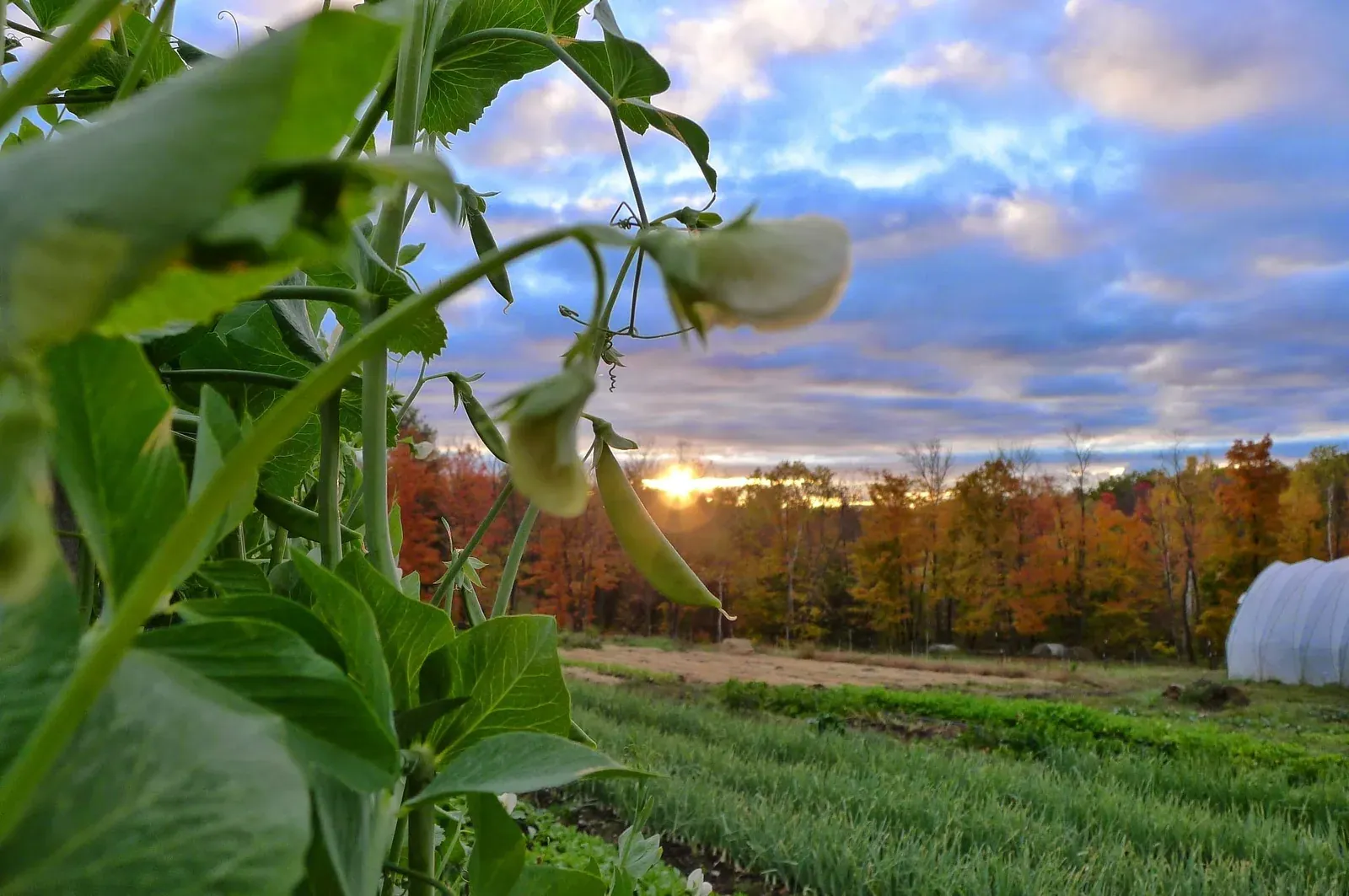 Photo: Soul Fire Farm
Soul Fire FarmSoul Fire Farm is an Afro-Indigenous centered community farm and training center in Petersburg, New York. It practices regenerative agroecology on a mountainside farm, distributes food through solidarity shares, and runs immersion trainings, youth programs and community farm days aimed at uprooting racism in the food system and building food and land sovereignty.Visit site
Photo: Soul Fire Farm
Soul Fire FarmSoul Fire Farm is an Afro-Indigenous centered community farm and training center in Petersburg, New York. It practices regenerative agroecology on a mountainside farm, distributes food through solidarity shares, and runs immersion trainings, youth programs and community farm days aimed at uprooting racism in the food system and building food and land sovereignty.Visit site
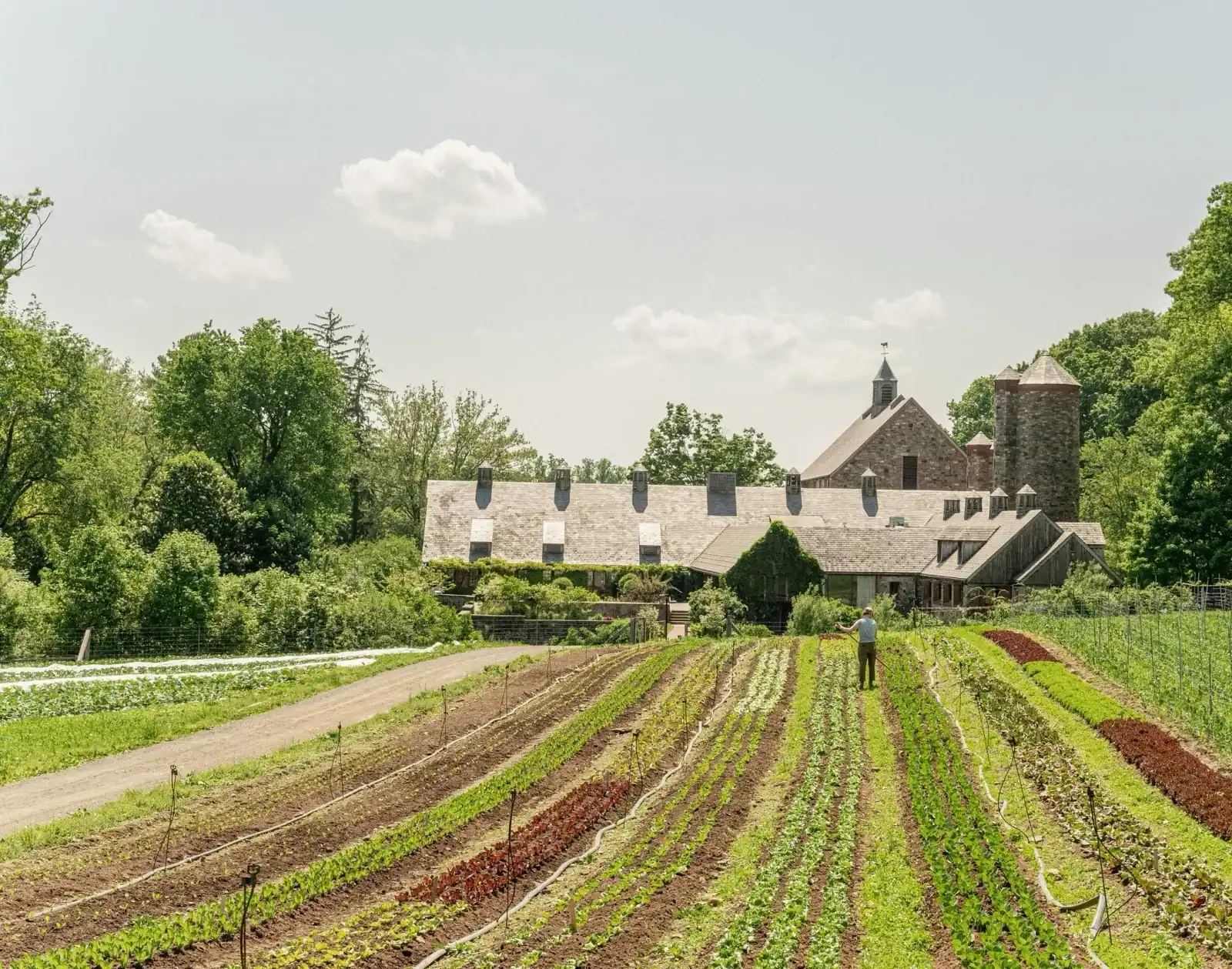 Photo: Luis Ruiz / Stone Barns Center for Food & Agriculture
Stone Barns Center for Food & AgricultureStone Barns Center is a nonprofit working farm, research and education center in Pocantico Hills in New York's Hudson Valley, founded in 2004. Its farmers and researchers work on agroforestry and disease-resistant chestnuts, and the campus hosts tours, a market and meals with the Blue Hill restaurant team. It opens to visitors Wednesday to Sunday.Visit site
Photo: Luis Ruiz / Stone Barns Center for Food & Agriculture
Stone Barns Center for Food & AgricultureStone Barns Center is a nonprofit working farm, research and education center in Pocantico Hills in New York's Hudson Valley, founded in 2004. Its farmers and researchers work on agroforestry and disease-resistant chestnuts, and the campus hosts tours, a market and meals with the Blue Hill restaurant team. It opens to visitors Wednesday to Sunday.Visit site
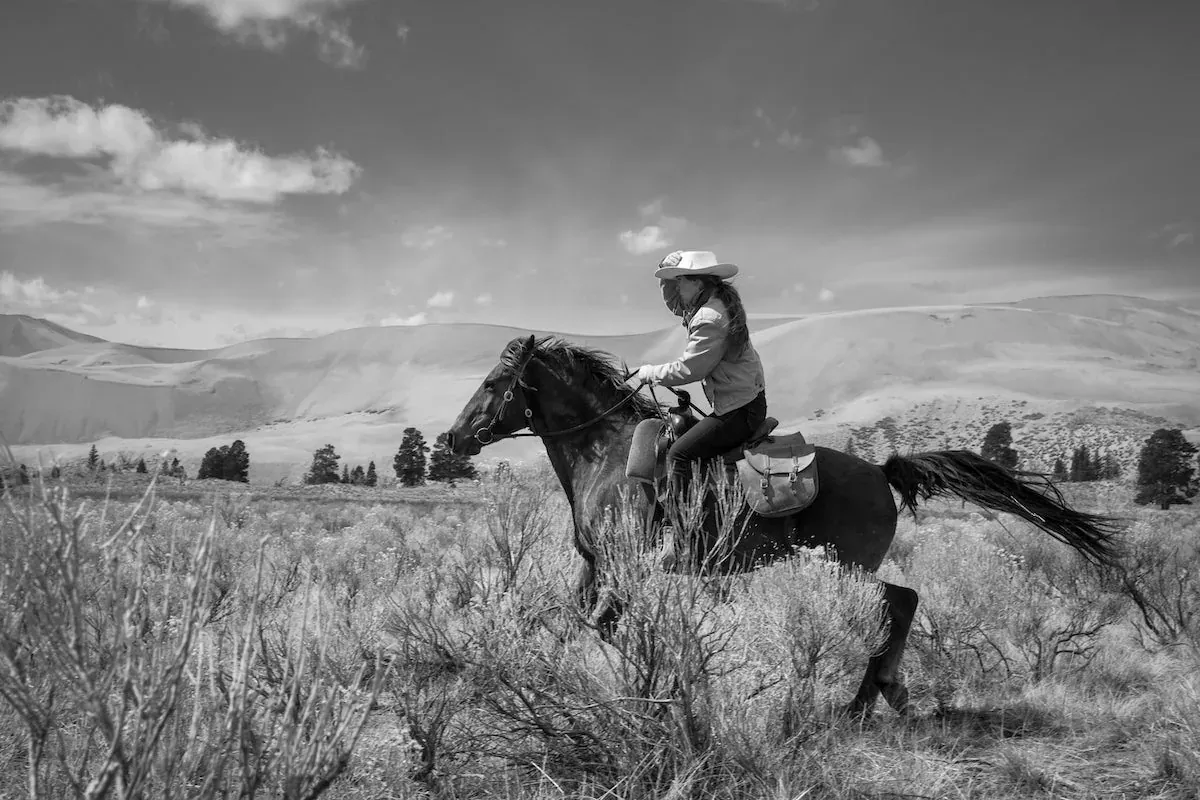 Photo: Ranchlands
RanchlandsRanchlands is a family-owned ranching company headquartered at Paintrock Canyon Ranch in Hyattville, Wyoming, that manages large working ranches with the stated aim of conserving rangeland and ranching traditions. It runs cow-calf herds on ranches it manages in New Mexico, Texas and Montana, trains ranch apprentices, publishes the Ranchlands Review and hosts guests at Paintrock Canyon Ranch.Visit site
Photo: Ranchlands
RanchlandsRanchlands is a family-owned ranching company headquartered at Paintrock Canyon Ranch in Hyattville, Wyoming, that manages large working ranches with the stated aim of conserving rangeland and ranching traditions. It runs cow-calf herds on ranches it manages in New Mexico, Texas and Montana, trains ranch apprentices, publishes the Ranchlands Review and hosts guests at Paintrock Canyon Ranch.Visit site
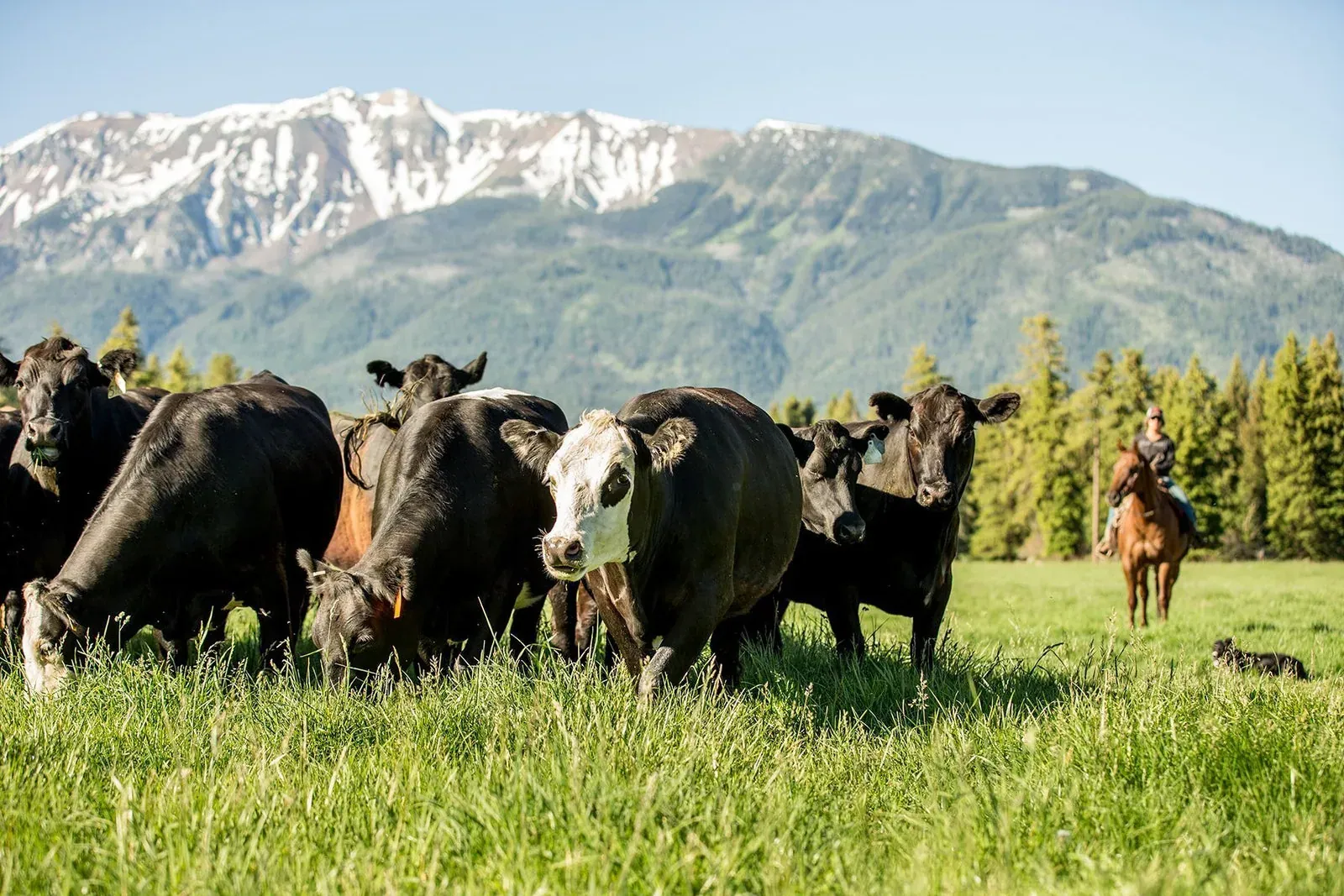 Photo: Carman Ranch
Carman RanchCarman Ranch is a fifth-generation family ranch at the foot of Oregon's Wallowa Mountains. It raises 100 percent grass-fed and grass-finished beef on native prairie and meadows in a forage chain the ranch says restores soil, and sells steaks, ground beef and bulk shares to households in Portland and Seattle through monthly deliveries and pickups.Visit site
Photo: Carman Ranch
Carman RanchCarman Ranch is a fifth-generation family ranch at the foot of Oregon's Wallowa Mountains. It raises 100 percent grass-fed and grass-finished beef on native prairie and meadows in a forage chain the ranch says restores soil, and sells steaks, ground beef and bulk shares to households in Portland and Seattle through monthly deliveries and pickups.Visit site
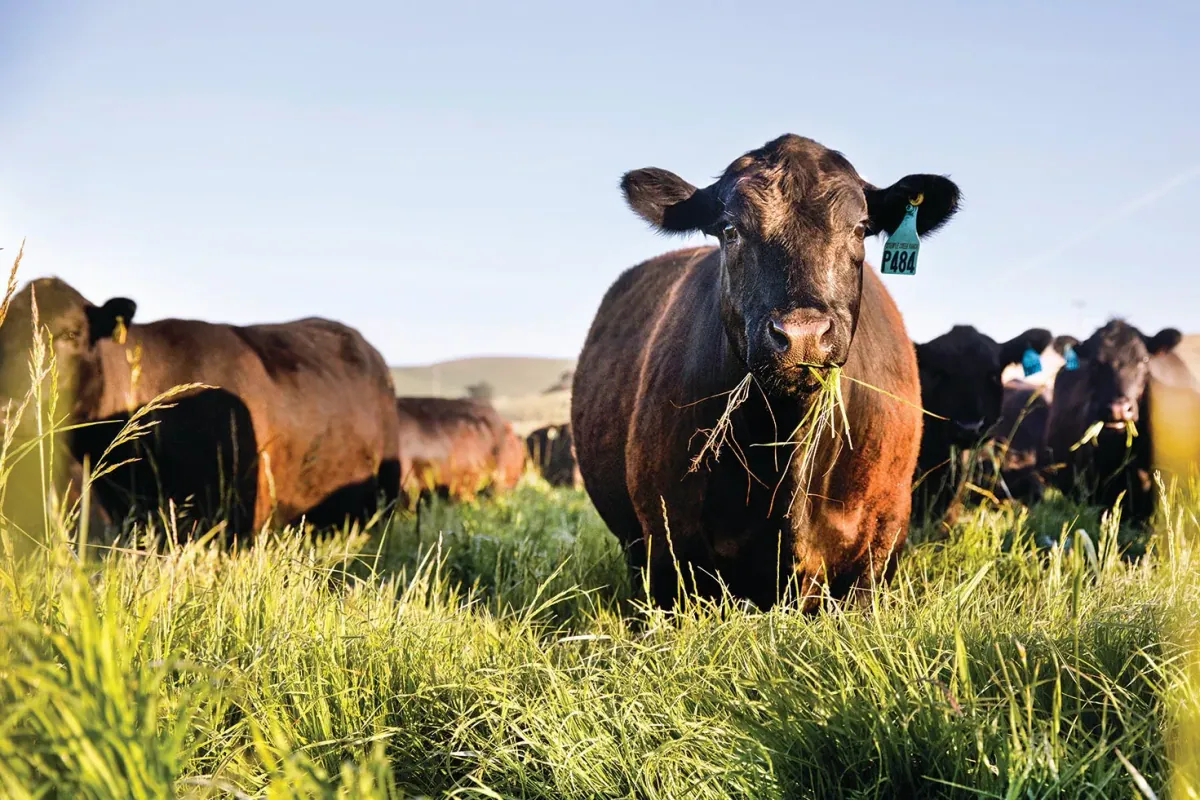 Photo: Paige Green / Stemple Creek Ranch
Stemple Creek RanchStemple Creek Ranch is a fourth-generation Poncia family ranch near Tomales in Marin County, California. It raises 100 percent grass-fed, grass-finished beef and lamb and pastured pork, rotationally grazes cattle and sheep on mostly certified organic pasture, works with the Marin Carbon Project on soil carbon, and ships nationwide. The ranch hosts stays, private tours and an annual open house.Visit site
Photo: Paige Green / Stemple Creek Ranch
Stemple Creek RanchStemple Creek Ranch is a fourth-generation Poncia family ranch near Tomales in Marin County, California. It raises 100 percent grass-fed, grass-finished beef and lamb and pastured pork, rotationally grazes cattle and sheep on mostly certified organic pasture, works with the Marin Carbon Project on soil carbon, and ships nationwide. The ranch hosts stays, private tours and an annual open house.Visit site
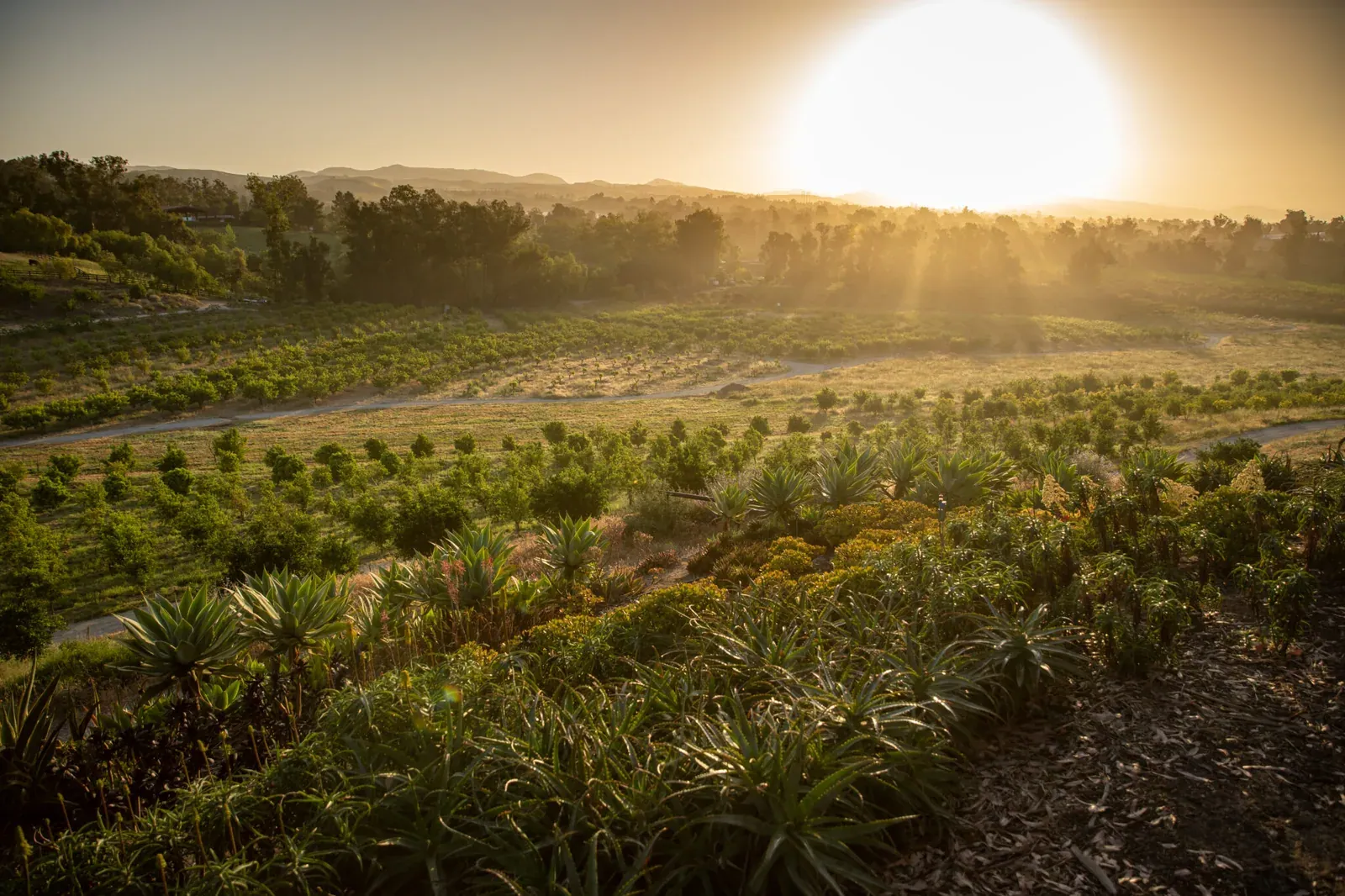 Photo: Apricot Lane Farms
Apricot Lane FarmsApricot Lane Farms is a 234-acre certified organic and biodynamic farm in Moorpark, California, founded in 2011 and the setting of the documentary The Biggest Little Farm. It grows more than 200 varieties of fruit and vegetables, keeps cows, sheep, pigs, chickens and ducks on pasture and in orchards, and offers seasonal tours, avocado boxes and avocado oil shipped nationwide.Visit site
Photo: Apricot Lane Farms
Apricot Lane FarmsApricot Lane Farms is a 234-acre certified organic and biodynamic farm in Moorpark, California, founded in 2011 and the setting of the documentary The Biggest Little Farm. It grows more than 200 varieties of fruit and vegetables, keeps cows, sheep, pigs, chickens and ducks on pasture and in orchards, and offers seasonal tours, avocado boxes and avocado oil shipped nationwide.Visit site
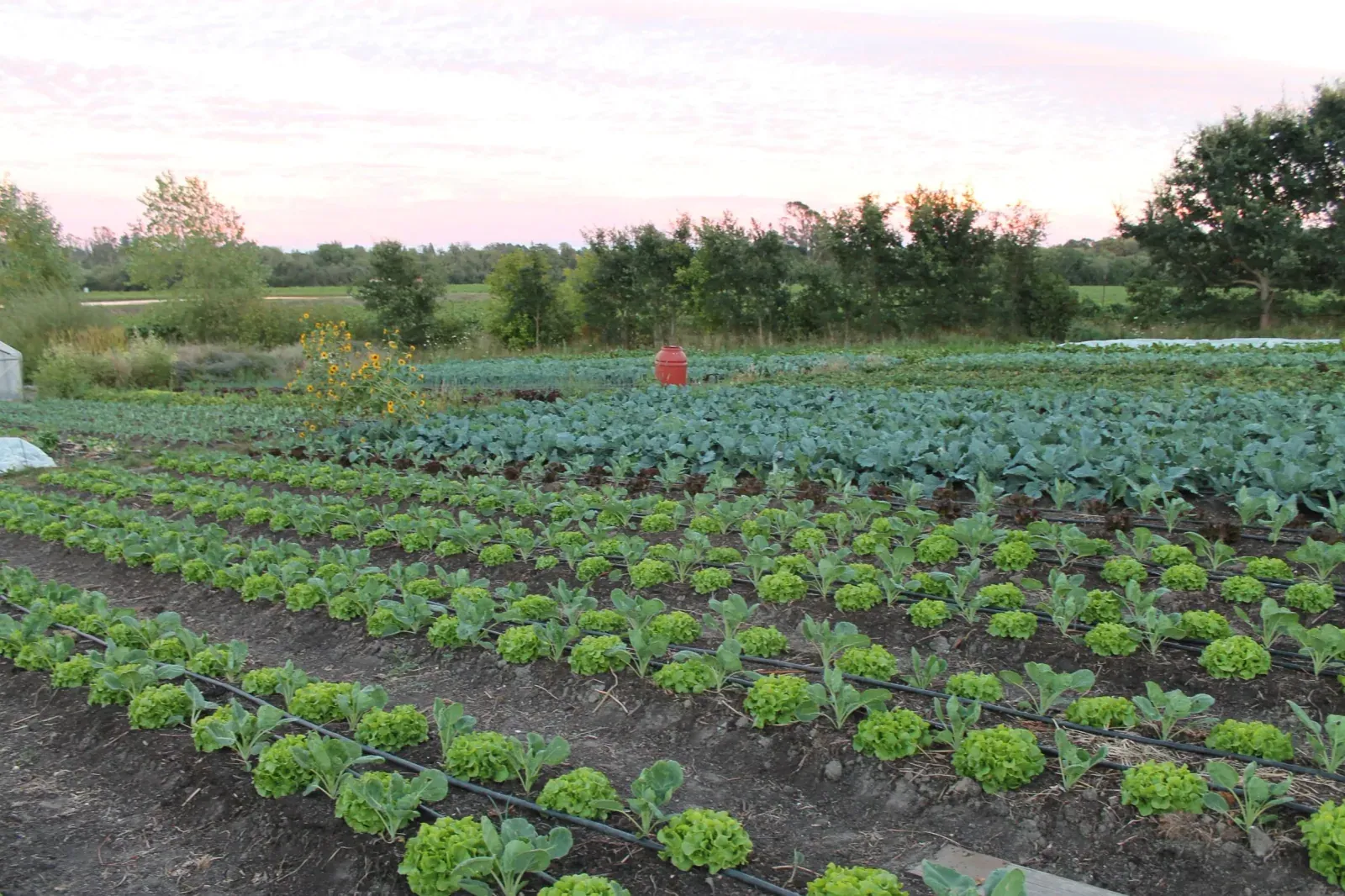 Photo: Singing Frogs Farm
Singing Frogs FarmSinging Frogs Farm is a family-run no-till, non-mechanized vegetable and flower farm in Sebastopol, Sonoma County, California, with the mission to grow soil, grow food and grow farmers. It grows year round, describes itself as pollinator friendly and carbon positive, and sells through vegetable and flower CSAs, farmers markets and restaurants. It also offers workshops, tours, consultations and speaking.Visit site
Photo: Singing Frogs Farm
Singing Frogs FarmSinging Frogs Farm is a family-run no-till, non-mechanized vegetable and flower farm in Sebastopol, Sonoma County, California, with the mission to grow soil, grow food and grow farmers. It grows year round, describes itself as pollinator friendly and carbon positive, and sells through vegetable and flower CSAs, farmers markets and restaurants. It also offers workshops, tours, consultations and speaking.Visit site
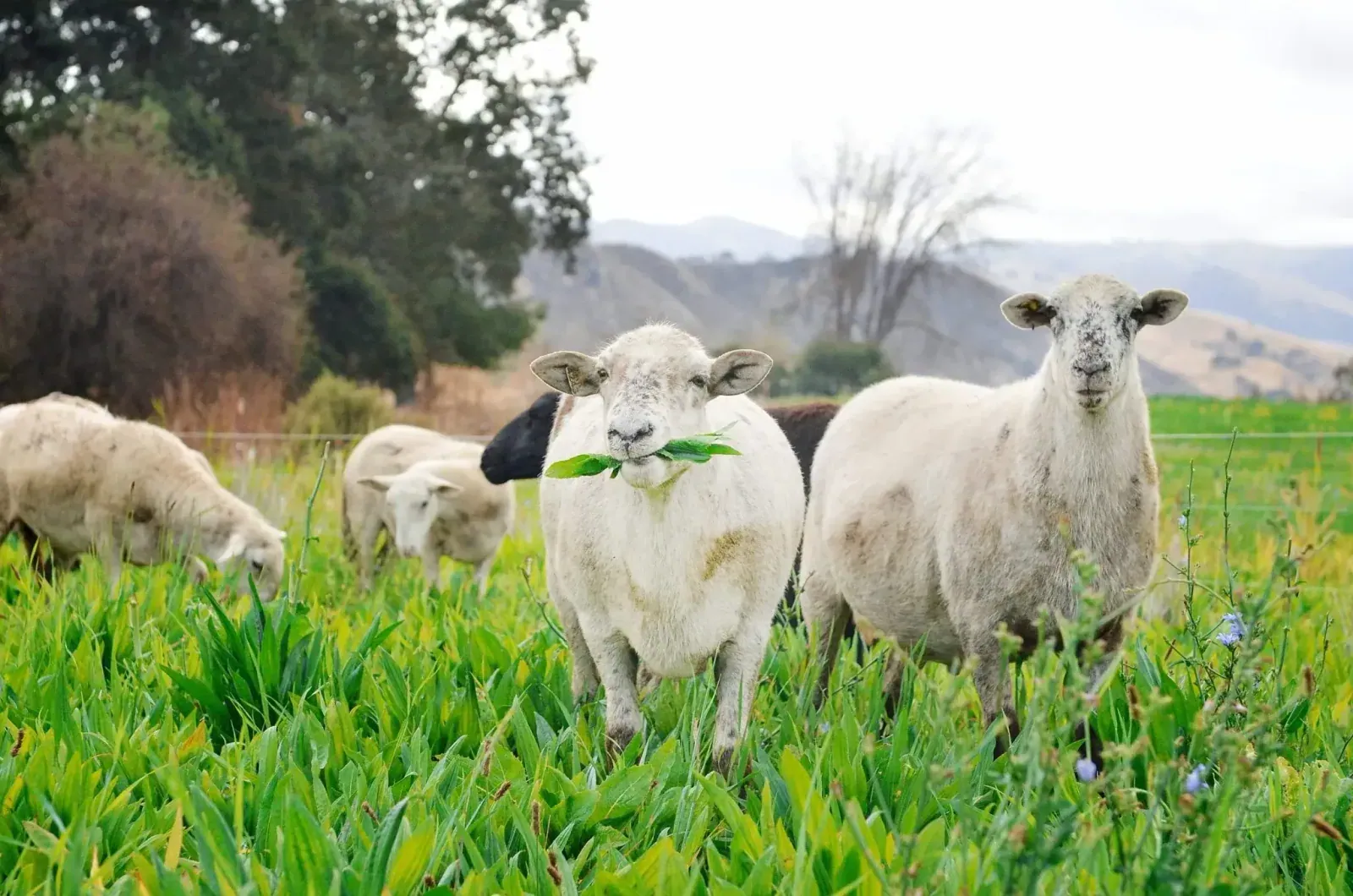 Photo: Paicines Ranch
Paicines RanchPaicines Ranch in San Benito County, California, is a regenerative ranch with 7,000 acres of rangeland, 550 acres of row crops and a 25-acre vineyard, all certified organic. Sheep graze the vineyard, cattle, turkeys and pigs are integrated on the land, and the ranch sells grass-fed lamb, beef, pastured meat and wine. It hosts dinners and events and offers lodging.Visit site
Photo: Paicines Ranch
Paicines RanchPaicines Ranch in San Benito County, California, is a regenerative ranch with 7,000 acres of rangeland, 550 acres of row crops and a 25-acre vineyard, all certified organic. Sheep graze the vineyard, cattle, turkeys and pigs are integrated on the land, and the ranch sells grass-fed lamb, beef, pastured meat and wine. It hosts dinners and events and offers lodging.Visit site
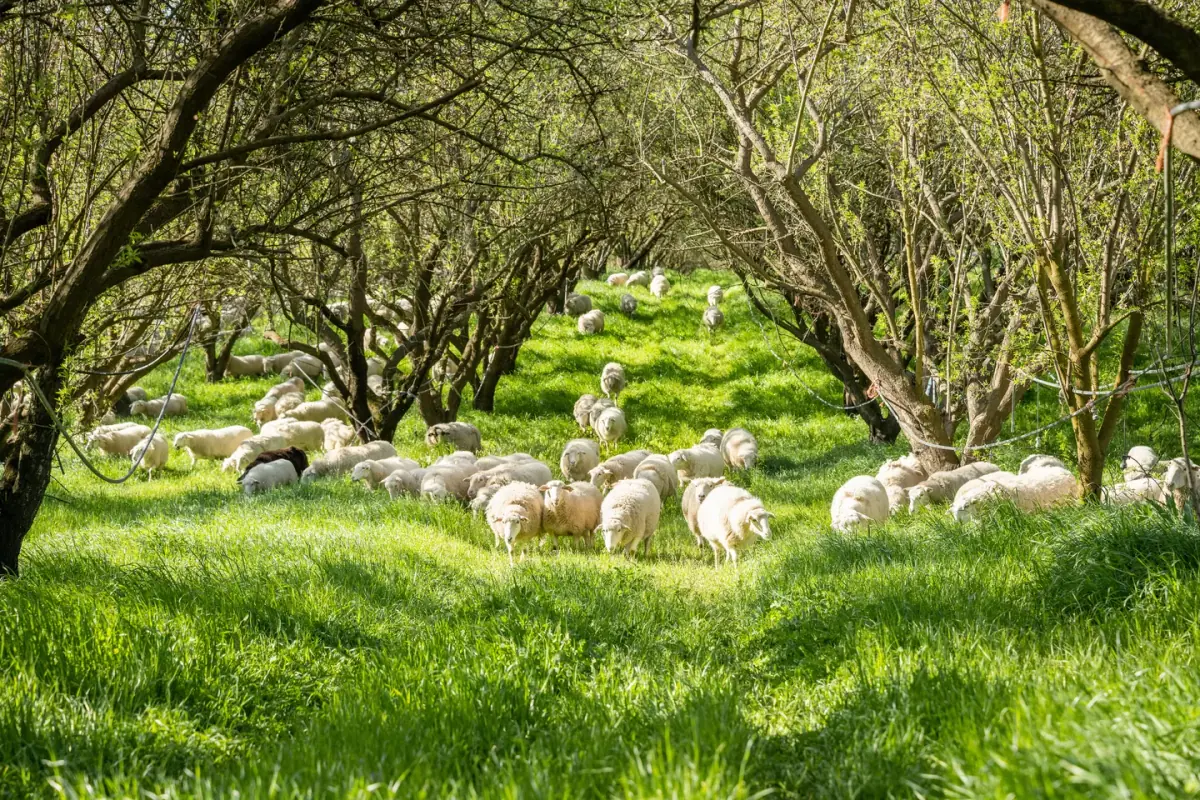 Photo: Burroughs Family Farms
Burroughs Family FarmsBurroughs Family Farms near Denair in California's San Joaquin Valley has farmed since 1906 and describes itself as the first Regenerative Organic Certified almond farm. Sheep graze the orchards and hens in mobile coops lay the eggs. It won the Leopold Conservation Award in 2020, hosts a Regenerative Tree Nut Field Day and sells almonds, walnuts, olive oil and eggs.Visit site
Photo: Burroughs Family Farms
Burroughs Family FarmsBurroughs Family Farms near Denair in California's San Joaquin Valley has farmed since 1906 and describes itself as the first Regenerative Organic Certified almond farm. Sheep graze the orchards and hens in mobile coops lay the eggs. It won the Leopold Conservation Award in 2020, hosts a Regenerative Tree Nut Field Day and sells almonds, walnuts, olive oil and eggs.Visit site
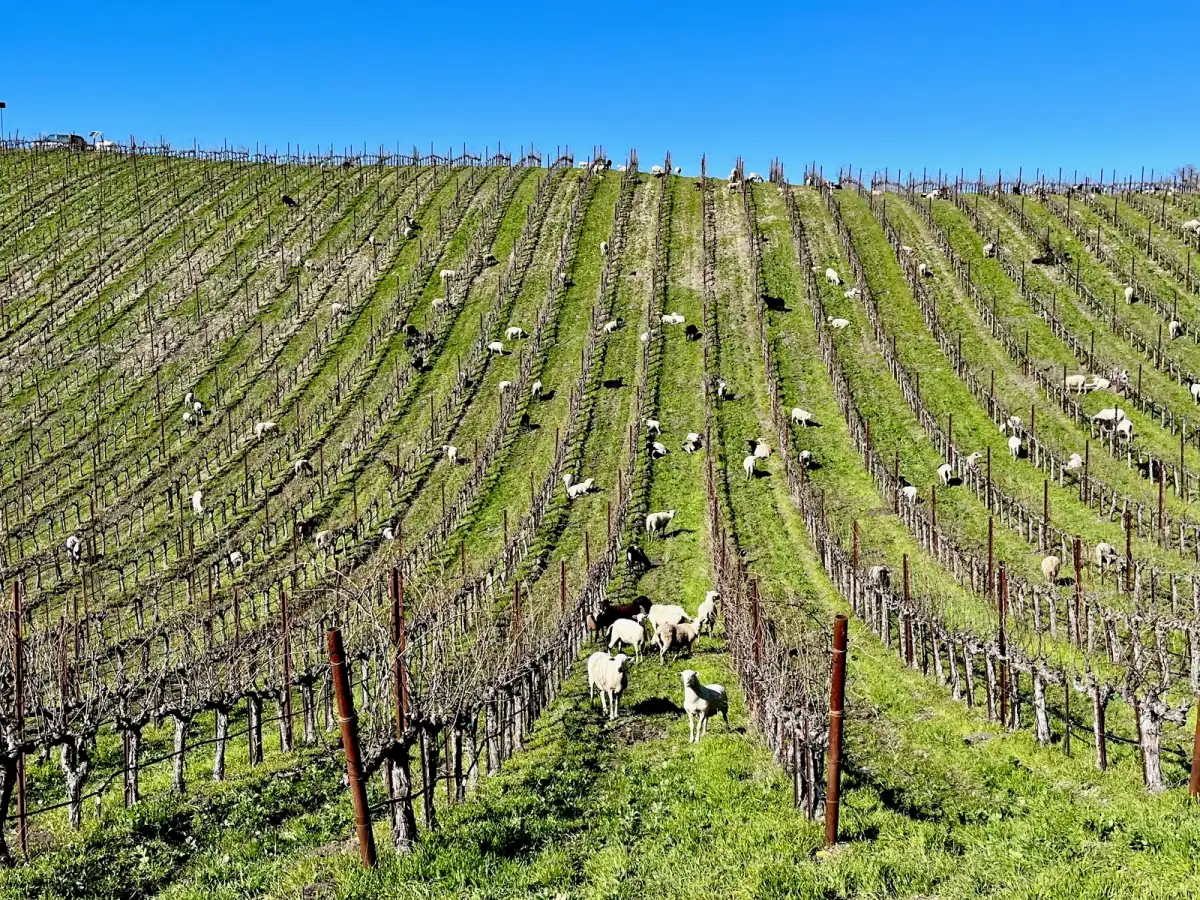 Photo: Tablas Creek Vineyard
Tablas Creek VineyardTablas Creek Vineyard in the Adelaida hills west of Paso Robles, California, is a Rhône-variety estate founded by the Perrin and Haas families. It calls itself the first Regenerative Organic Certified vineyard in the world, imported all fourteen Châteauneuf-du-Pape grape varieties to California, and documents its farming on a long-running blog. The tasting room is open to visitors.Visit site
Photo: Tablas Creek Vineyard
Tablas Creek VineyardTablas Creek Vineyard in the Adelaida hills west of Paso Robles, California, is a Rhône-variety estate founded by the Perrin and Haas families. It calls itself the first Regenerative Organic Certified vineyard in the world, imported all fourteen Châteauneuf-du-Pape grape varieties to California, and documents its farming on a long-running blog. The tasting room is open to visitors.Visit site
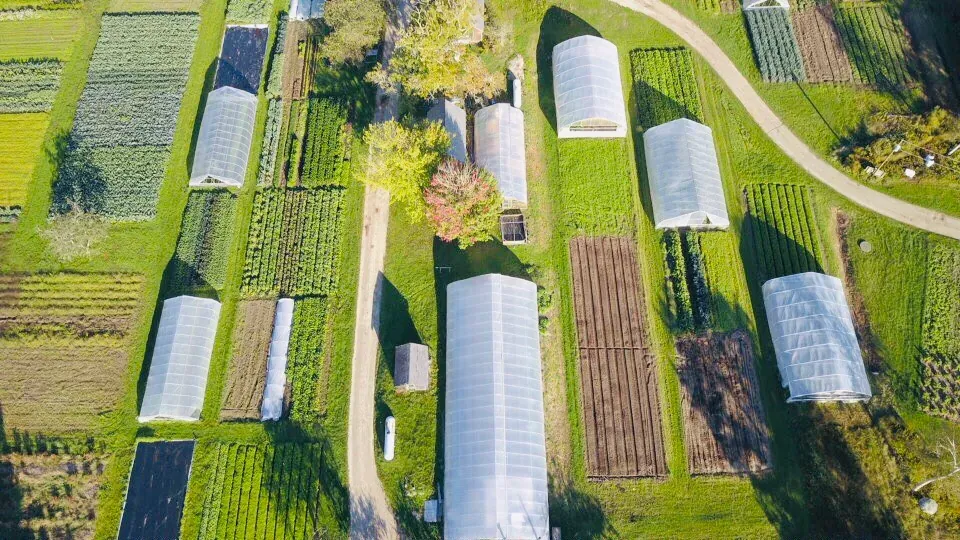 Photo: Four Season Farm
Four Season FarmFour Season Farm in Harborside, Maine, is the market garden Eliot Coleman and Barbara Damrosch built, a model of small-scale, year-round organic growing in greenhouses and high tunnels. Since 2024 farmers Molly Friedland and Caleb Hawkins of Little Red Flower Truck Farm lease the cropland. A seasonal farm stand, stores and restaurants take the harvest.Visit site
Photo: Four Season Farm
Four Season FarmFour Season Farm in Harborside, Maine, is the market garden Eliot Coleman and Barbara Damrosch built, a model of small-scale, year-round organic growing in greenhouses and high tunnels. Since 2024 farmers Molly Friedland and Caleb Hawkins of Little Red Flower Truck Farm lease the cropland. A seasonal farm stand, stores and restaurants take the harvest.Visit site