
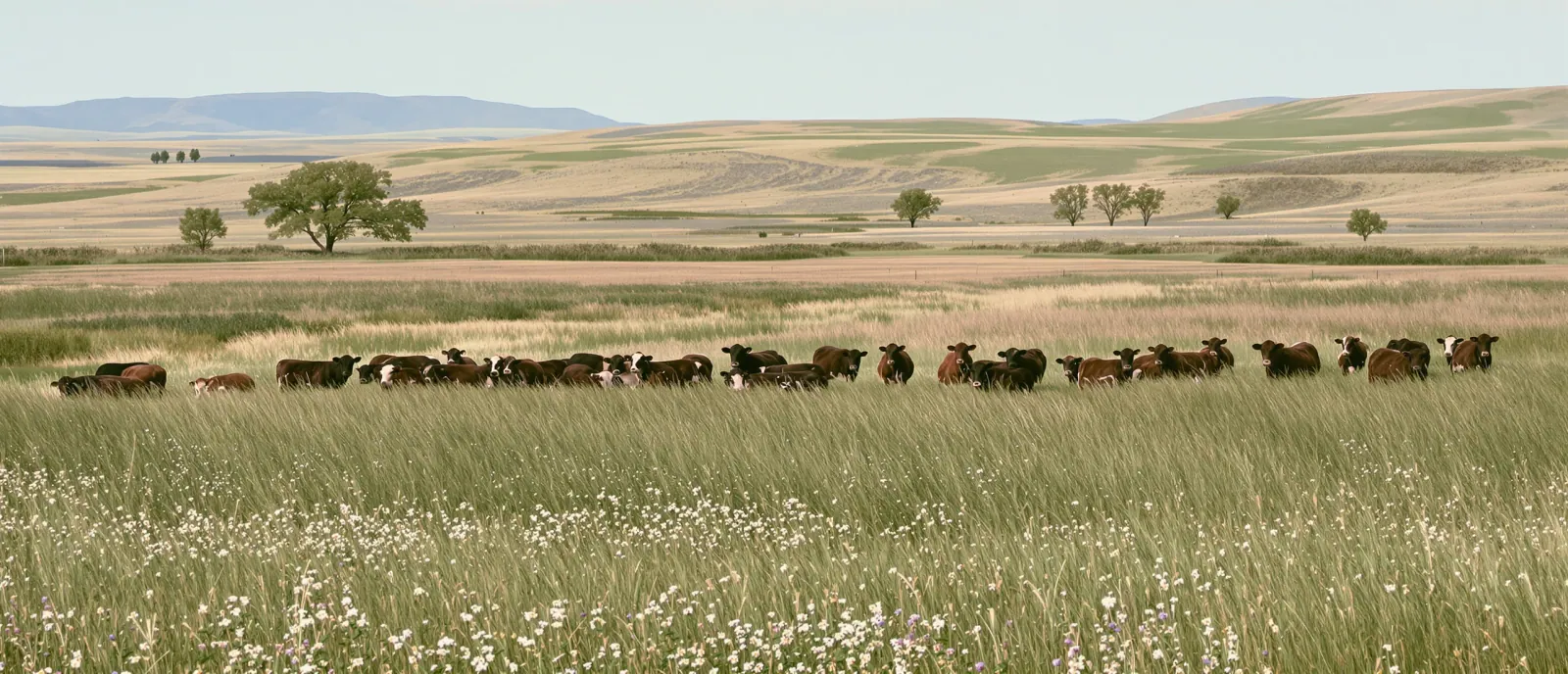
People
Regenerative agriculture in the United States has faces: ranchers who rebuilt their soil one paddock at a time, scientists who measure what that grazing does, teachers who have put thousands of farmers through their schools, and writers who explain it to the rest of us. This directory collects the people a reader meets again and again once they start paying attention.
Every entry links to the person's own site or to the farm, company or organization they lead, and each one was checked in October 2026 for current work: a school, a talk, a book, a harvest, a published result. Where a person is known for a practice, the photograph shows the practice rather than the person.
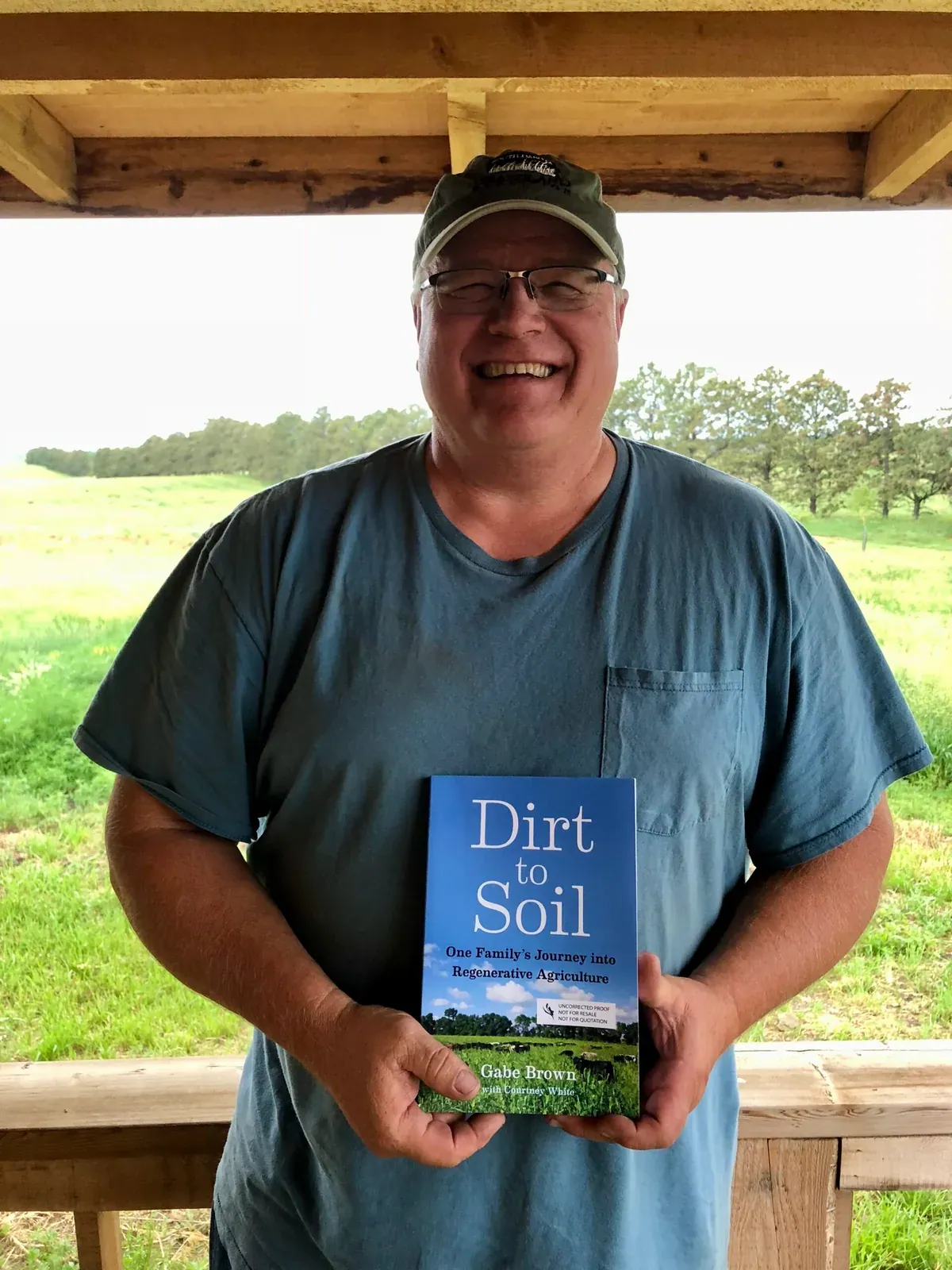 Photo: Brown's Ranch
Gabe BrownGabe Brown's family ranch east of Bismarck, North Dakota, has farmed without tillage since 1993, with diverse cover crops, integrated livestock and long pasture recovery periods. His son Paul now manages Brown's Ranch while Gabe works full-time with Understanding Ag as a senior partner, wrote Dirt to Soil and speaks at farm conferences across the country.Visit site
Photo: Brown's Ranch
Gabe BrownGabe Brown's family ranch east of Bismarck, North Dakota, has farmed without tillage since 1993, with diverse cover crops, integrated livestock and long pasture recovery periods. His son Paul now manages Brown's Ranch while Gabe works full-time with Understanding Ag as a senior partner, wrote Dirt to Soil and speaks at farm conferences across the country.Visit site
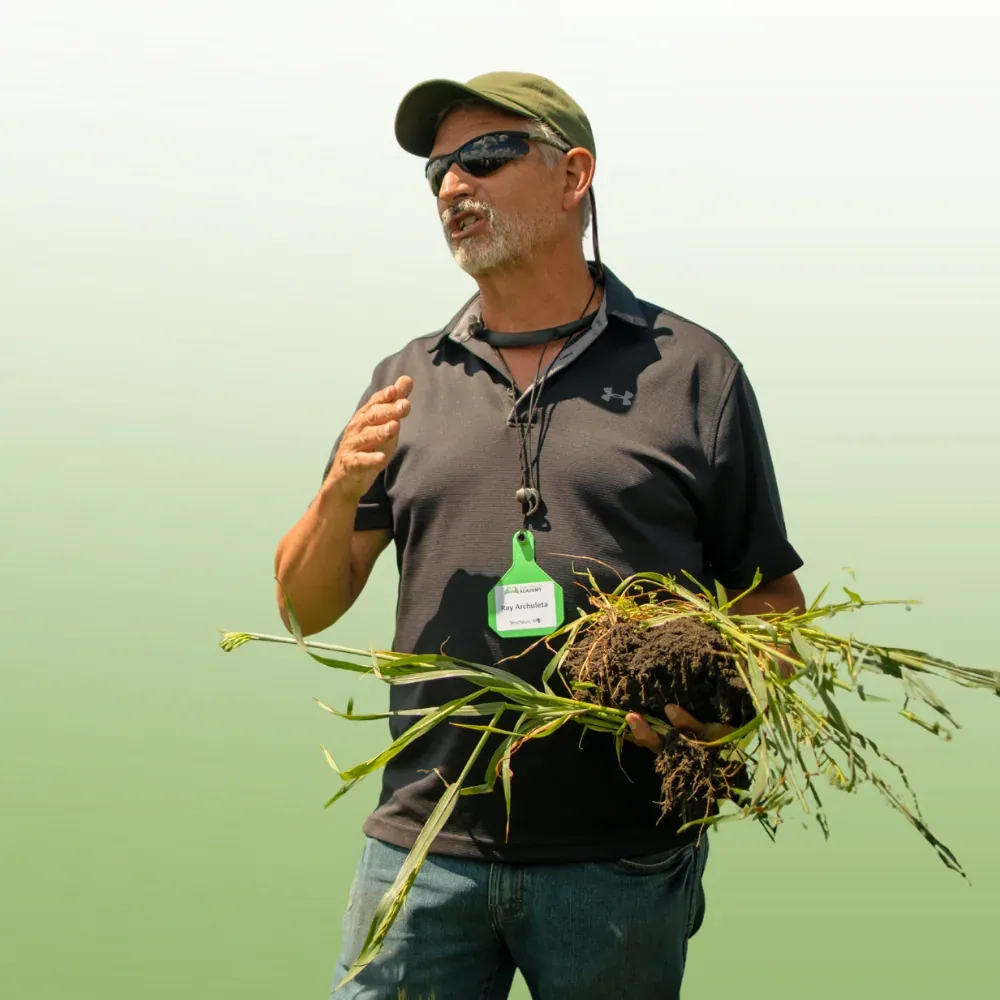 Photo: Soil Health Academy
Ray ArchuletaRay Archuleta spent 30 years with the USDA Natural Resources Conservation Service as a soil health specialist before co-founding Understanding Ag and the Soil Health Academy. He teaches how soil functions with slake tests and rainfall simulators at schools and field days nationwide, and ranches near Seymour, Missouri, where the academy held its homestead school in April 2026.Visit site
Photo: Soil Health Academy
Ray ArchuletaRay Archuleta spent 30 years with the USDA Natural Resources Conservation Service as a soil health specialist before co-founding Understanding Ag and the Soil Health Academy. He teaches how soil functions with slake tests and rainfall simulators at schools and field days nationwide, and ranches near Seymour, Missouri, where the academy held its homestead school in April 2026.Visit site
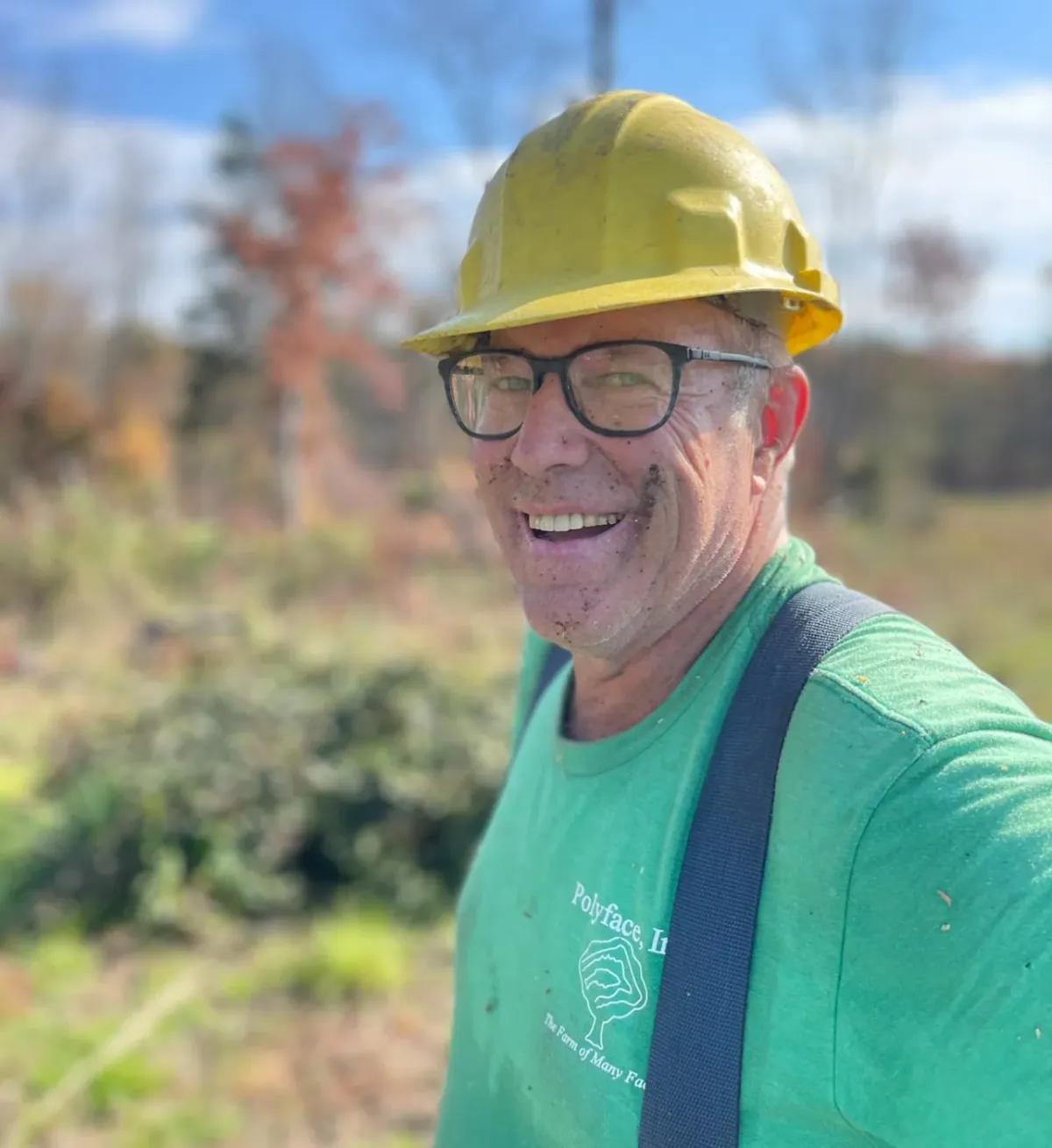 Photo: Polyface Farm
Joel SalatinJoel Salatin co-owns Polyface Farm in Swoope, Virginia, where cattle, pastured poultry and pigs move across the pastures in a planned rotation. He writes books on pasture-based farming, posts several times a week on his Lunatic Farmer blog, co-hosts the Beyond Labels podcast with Sina McCullough and speaks at farming and homesteading events nationwide.Visit site
Photo: Polyface Farm
Joel SalatinJoel Salatin co-owns Polyface Farm in Swoope, Virginia, where cattle, pastured poultry and pigs move across the pastures in a planned rotation. He writes books on pasture-based farming, posts several times a week on his Lunatic Farmer blog, co-hosts the Beyond Labels podcast with Sina McCullough and speaks at farming and homesteading events nationwide.Visit site
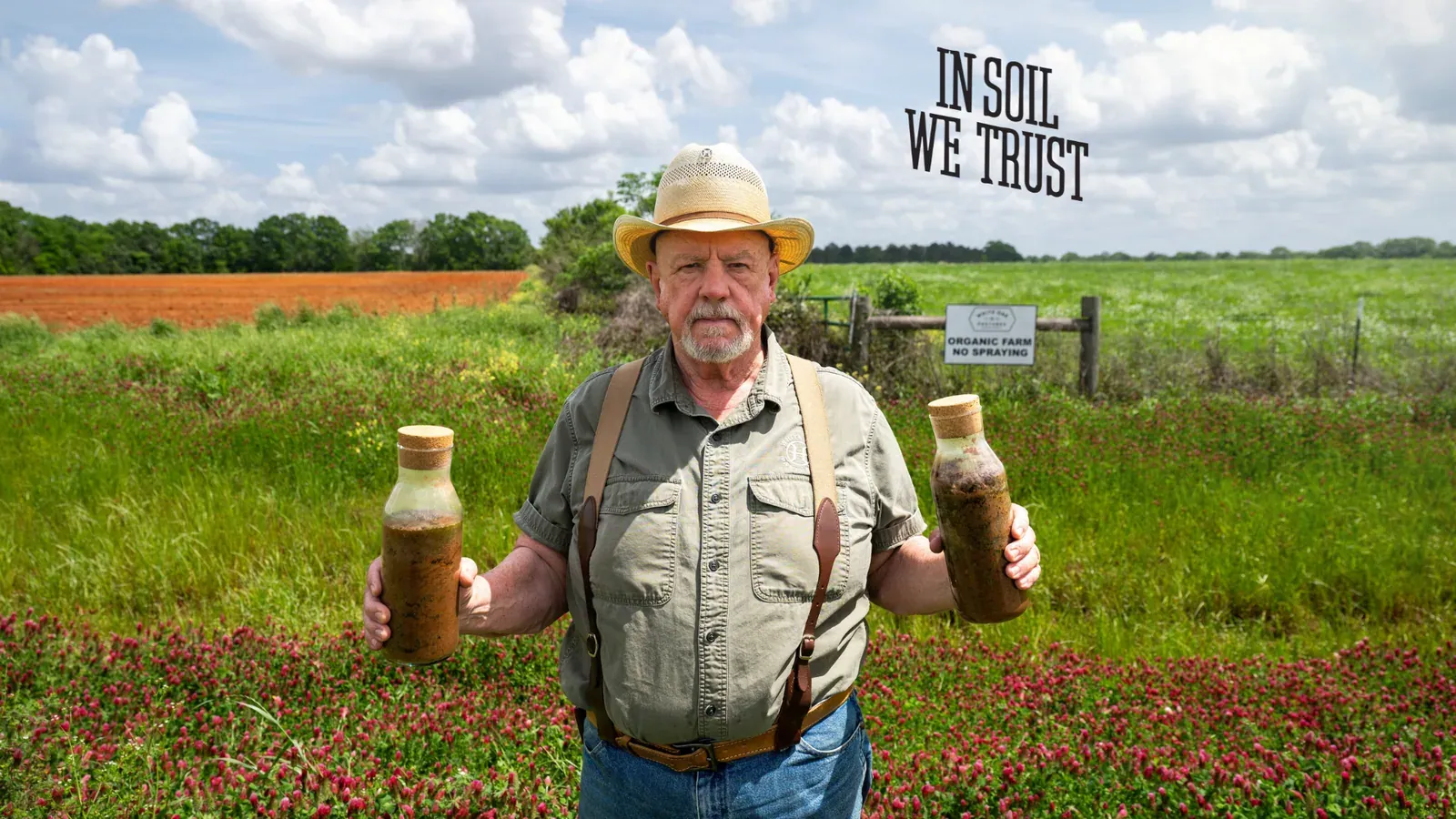 Photo: White Oak Pastures
Will HarrisWill Harris runs White Oak Pastures in Bluffton, Georgia, a family farm founded in 1866 that raises grassfed beef, heritage pork, pastured poultry, lamb and goat and butchers them on the farm in a zero-waste system. The farm employs more than 160 people in a town of about 100, and he wrote A Bold Return to Giving a Damn.Visit site
Photo: White Oak Pastures
Will HarrisWill Harris runs White Oak Pastures in Bluffton, Georgia, a family farm founded in 1866 that raises grassfed beef, heritage pork, pastured poultry, lamb and goat and butchers them on the farm in a zero-waste system. The farm employs more than 160 people in a town of about 100, and he wrote A Bold Return to Giving a Damn.Visit site
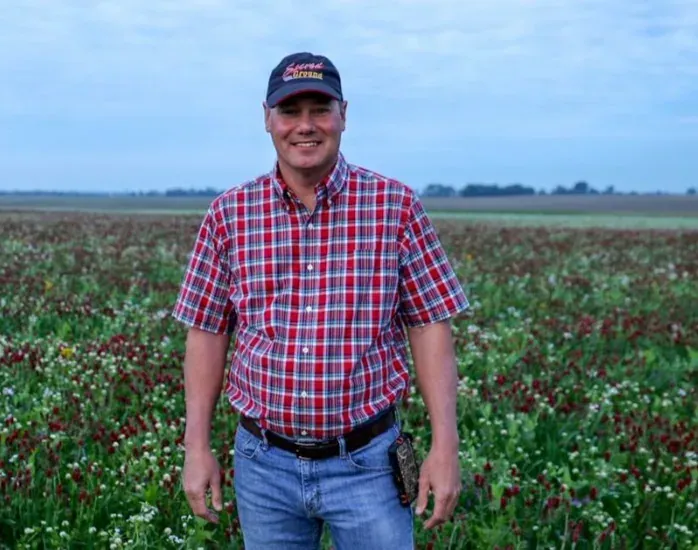 Photo: Farm Green (Clark Land & Cattle)
Rick ClarkRick Clark farms near Williamsport, Indiana, where the family operation runs a no-till regenerative organic system with diverse cover crops, no synthetic fertilizer or pesticides and more than seven crops growing at once. Through Farm Green he consults with farmers, speaks at conferences and gives interviews on soil health and farm economics.Visit site
Photo: Farm Green (Clark Land & Cattle)
Rick ClarkRick Clark farms near Williamsport, Indiana, where the family operation runs a no-till regenerative organic system with diverse cover crops, no synthetic fertilizer or pesticides and more than seven crops growing at once. Through Farm Green he consults with farmers, speaks at conferences and gives interviews on soil health and farm economics.Visit site
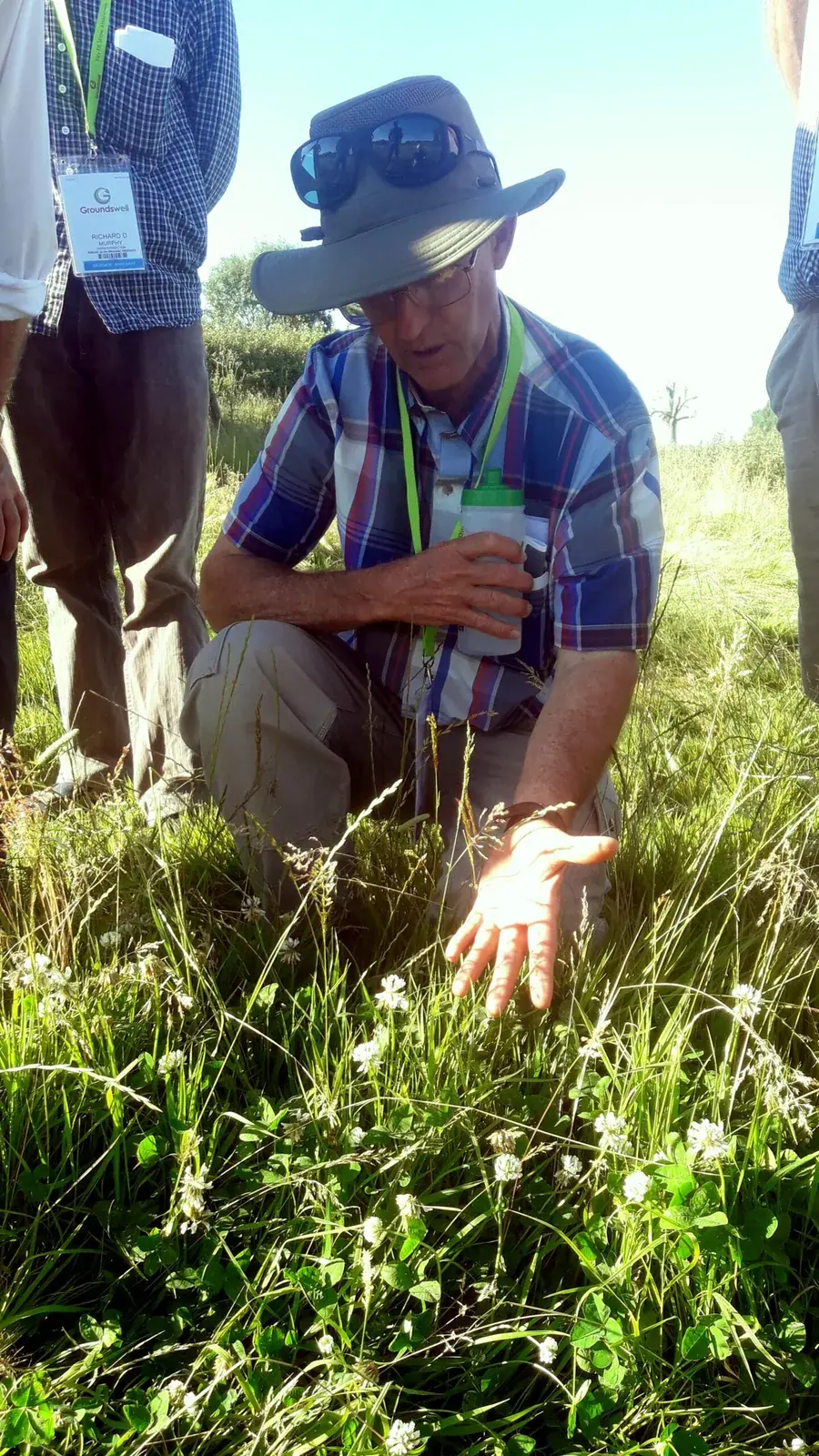 Photo: Green Pastures Farm
Greg JudyGreg and Jan Judy run Green Pastures Farm near Clarksville, Missouri, grazing cattle, sheep, pigs and chickens across 1,620 owned and leased acres and growing mushrooms. He teaches planned grazing, leasing land and low-input ranching through on-farm grazing schools, his YouTube channel, conference talks and the book No Risk Ranching.Visit site
Photo: Green Pastures Farm
Greg JudyGreg and Jan Judy run Green Pastures Farm near Clarksville, Missouri, grazing cattle, sheep, pigs and chickens across 1,620 owned and leased acres and growing mushrooms. He teaches planned grazing, leasing land and low-input ranching through on-farm grazing schools, his YouTube channel, conference talks and the book No Risk Ranching.Visit site
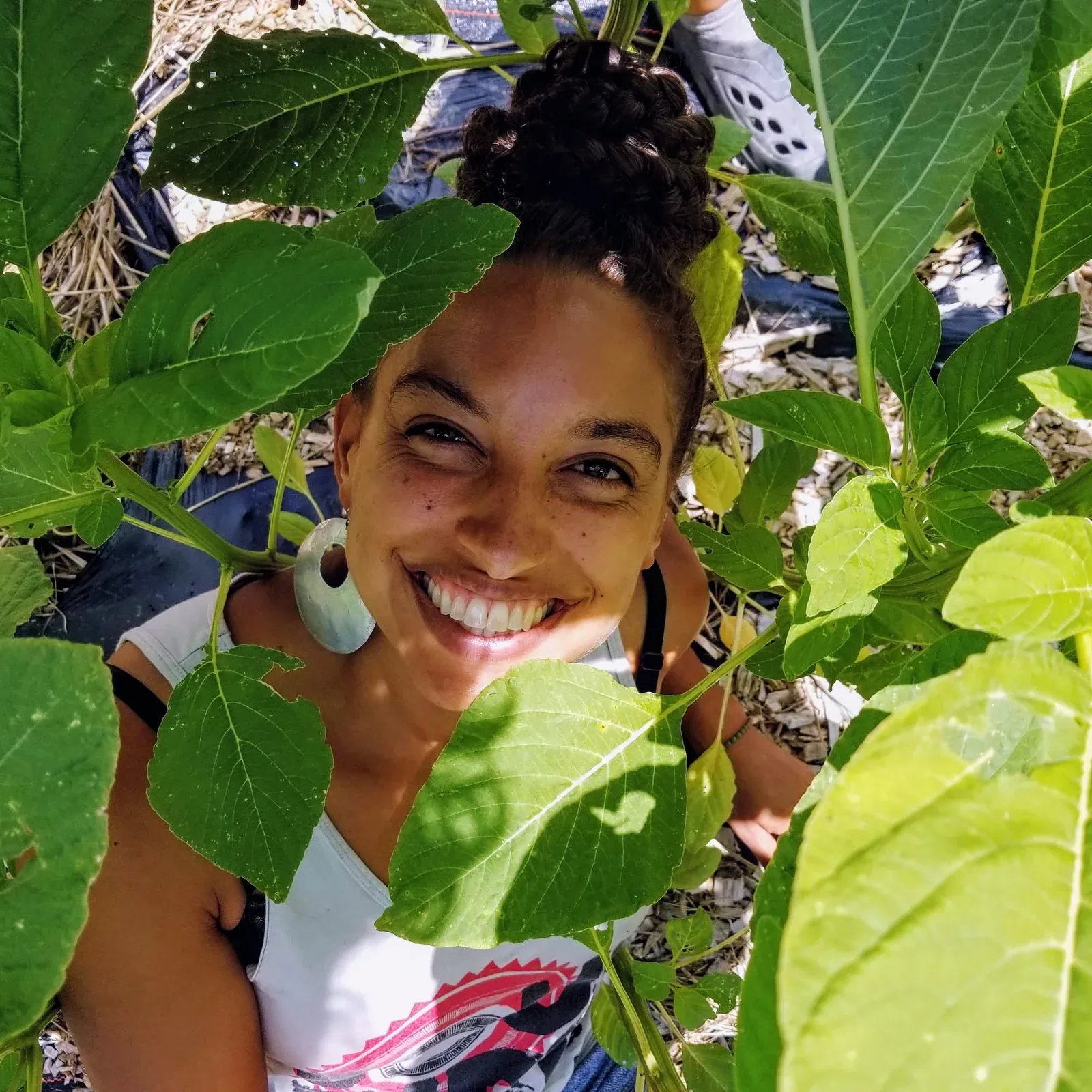 Photo: Soul Fire Farm
Leah PennimanLeah Penniman co-founded Soul Fire Farm in Petersburg, New York, an Afro-Indigenous centered community farm and training center whose programs equip Black, Indigenous and other farmers of color with growing techniques and land stewardship skills. She directs farm operations there, wrote Farming While Black and Black Earth Wisdom, and keynotes national conferences on food, land and justice.Visit site
Photo: Soul Fire Farm
Leah PennimanLeah Penniman co-founded Soul Fire Farm in Petersburg, New York, an Afro-Indigenous centered community farm and training center whose programs equip Black, Indigenous and other farmers of color with growing techniques and land stewardship skills. She directs farm operations there, wrote Farming While Black and Black Earth Wisdom, and keynotes national conferences on food, land and justice.Visit site
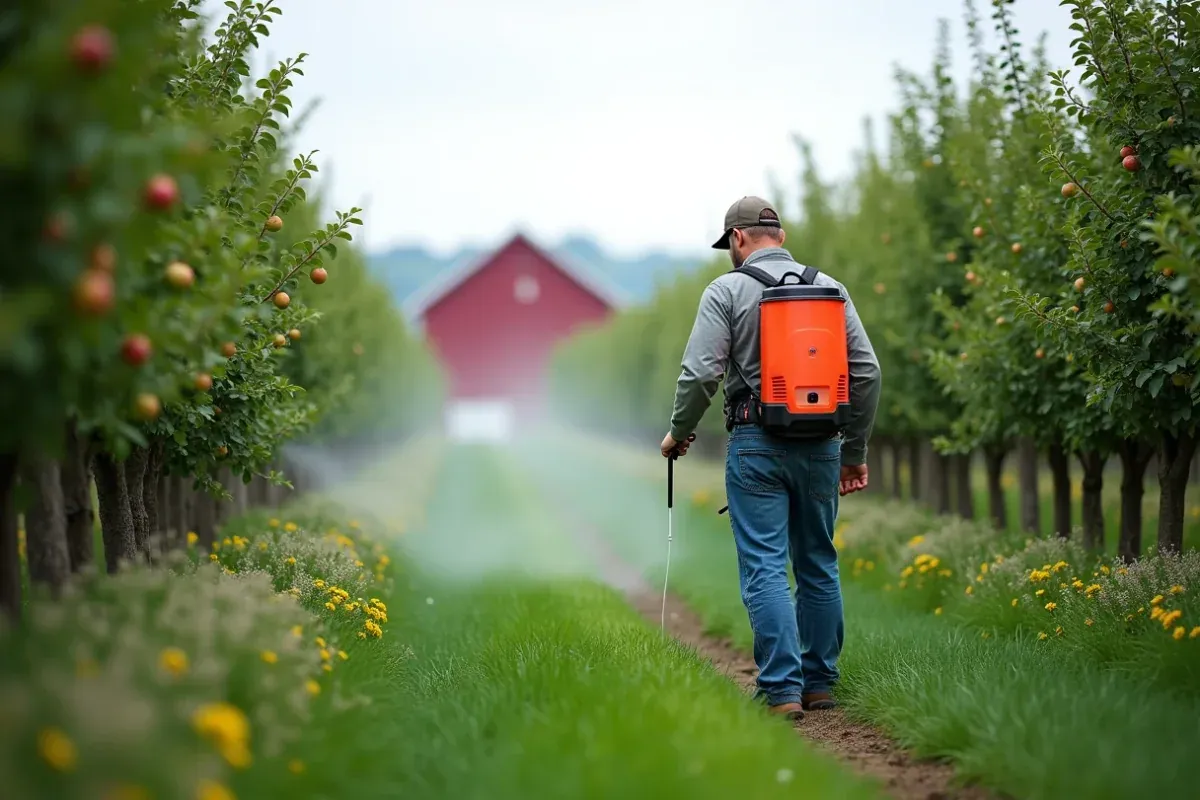 John KempfJohn Kempf founded Advancing Eco Agriculture, a regenerative agronomy consultancy, and Crop Health Labs. He hosts the Regenerative Agriculture Podcast, wrote Quality Agriculture, teaches two-day workshops for growers and runs regular Ask Me Anything webinars on plant nutrition, crop health and reducing inputs.Visit site
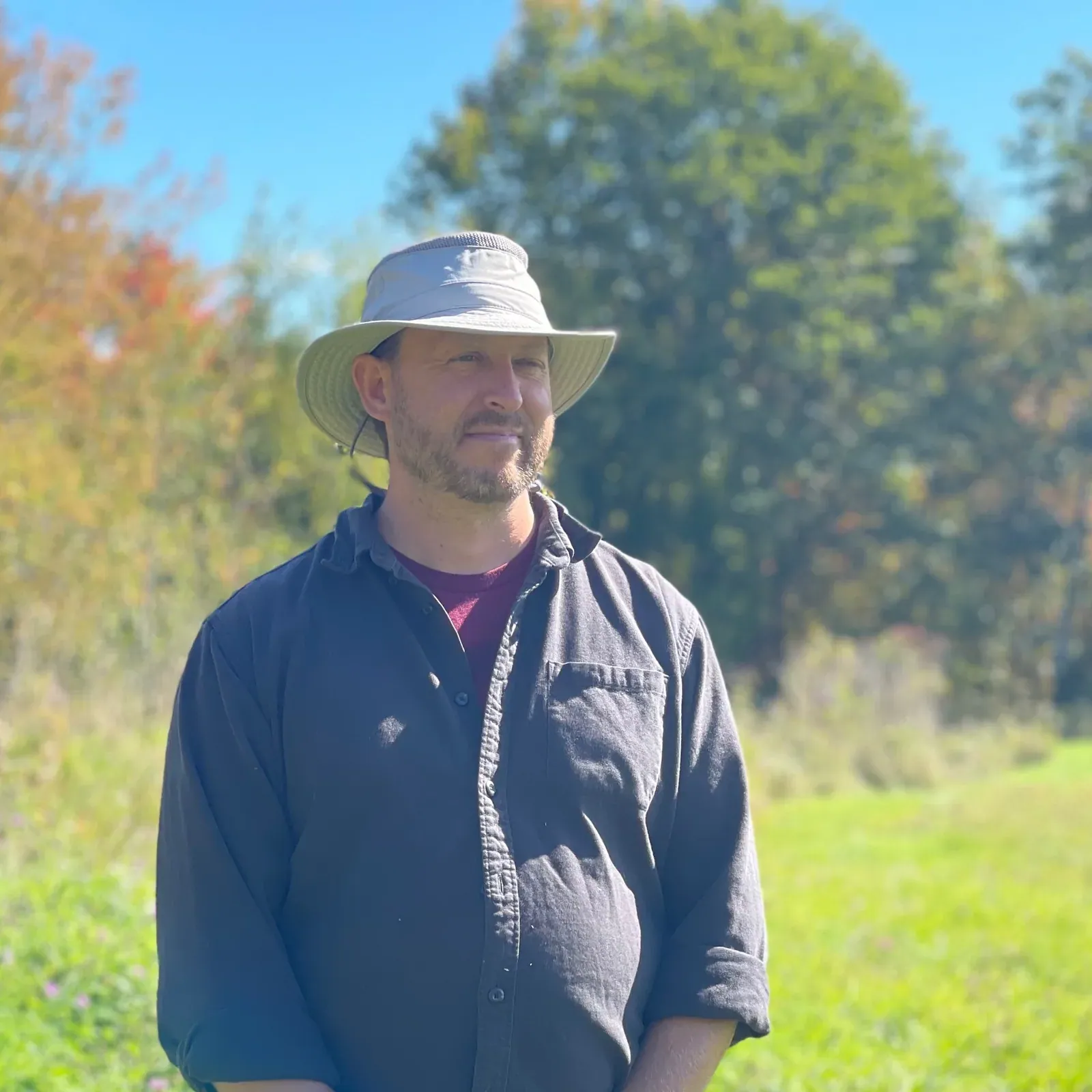 Photo: Ecdysis Foundation
Jonathan LundgrenJonathan Lundgren founded and directs the Ecdysis Foundation, a research nonprofit run from Blue Dasher Farm in Estelline, South Dakota. Its 1000 Farms Initiative studies farms as whole systems, measuring soil, biodiversity and profit on more than a thousand farms across North America, and its September 2026 soil carbon analysis drew on data from more than 2,000 farms.Visit site
Photo: Ecdysis Foundation
Jonathan LundgrenJonathan Lundgren founded and directs the Ecdysis Foundation, a research nonprofit run from Blue Dasher Farm in Estelline, South Dakota. Its 1000 Farms Initiative studies farms as whole systems, measuring soil, biodiversity and profit on more than a thousand farms across North America, and its September 2026 soil carbon analysis drew on data from more than 2,000 farms.Visit site
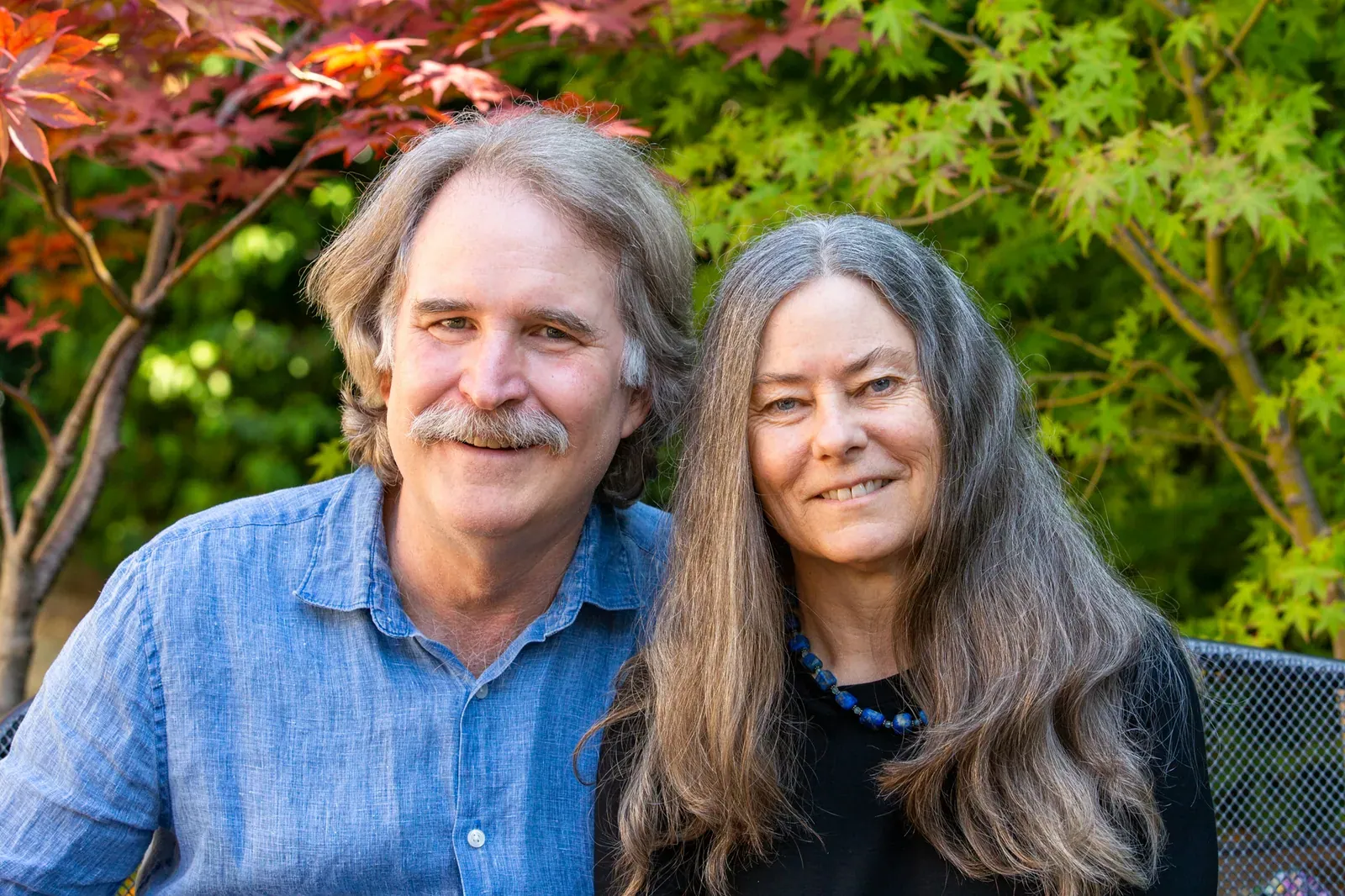 Photo: David R. Montgomery and Anne Biklé (Dig2Grow)
David R. Montgomery and Anne BikléDavid R. Montgomery, a University of Washington geologist, and Anne Biklé, a biologist, write on soil, microbes and health. Their books include Dirt, Growing a Revolution and the jointly written The Hidden Half of Nature and What Your Food Ate. Montgomery's ReGen: A New Future for Farming, Food, and Health came out in August 2026.Visit site
Photo: David R. Montgomery and Anne Biklé (Dig2Grow)
David R. Montgomery and Anne BikléDavid R. Montgomery, a University of Washington geologist, and Anne Biklé, a biologist, write on soil, microbes and health. Their books include Dirt, Growing a Revolution and the jointly written The Hidden Half of Nature and What Your Food Ate. Montgomery's ReGen: A New Future for Farming, Food, and Health came out in August 2026.Visit site
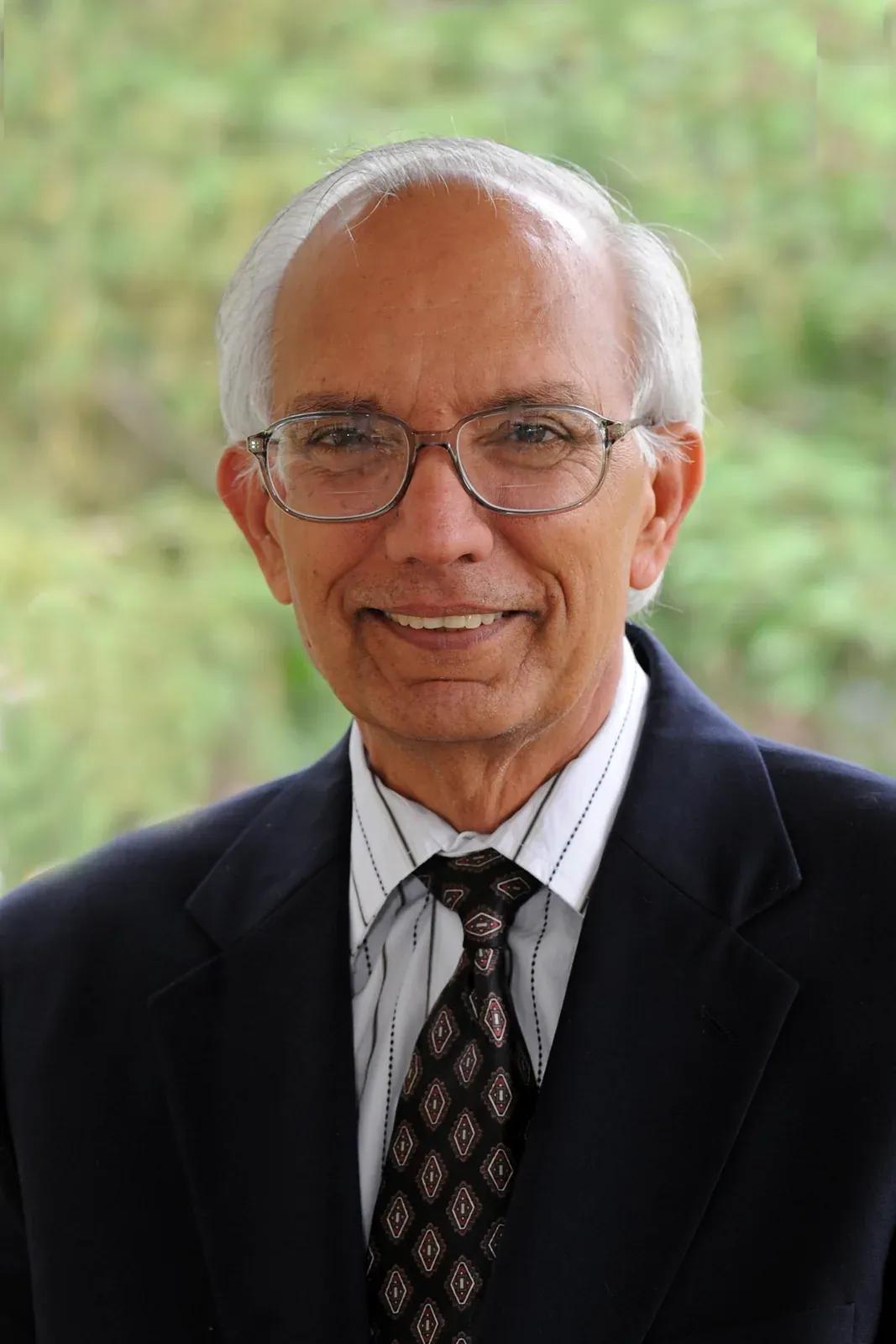 Photo: CFAES Rattan Lal Center for Carbon Management and Sequestration, The Ohio State University
Rattan LalRattan Lal is Distinguished Professor of Soil Science at The Ohio State University and founded and directs the CFAES Rattan Lal Center for Carbon Management and Sequestration in Columbus. His research on soil carbon, no-till and restoring degraded soils earned the 2019 Japan Prize and the 2020 World Food Prize, and he continues to lecture and publish.Visit site
Photo: CFAES Rattan Lal Center for Carbon Management and Sequestration, The Ohio State University
Rattan LalRattan Lal is Distinguished Professor of Soil Science at The Ohio State University and founded and directs the CFAES Rattan Lal Center for Carbon Management and Sequestration in Columbus. His research on soil carbon, no-till and restoring degraded soils earned the 2019 Japan Prize and the 2020 World Food Prize, and he continues to lecture and publish.Visit site
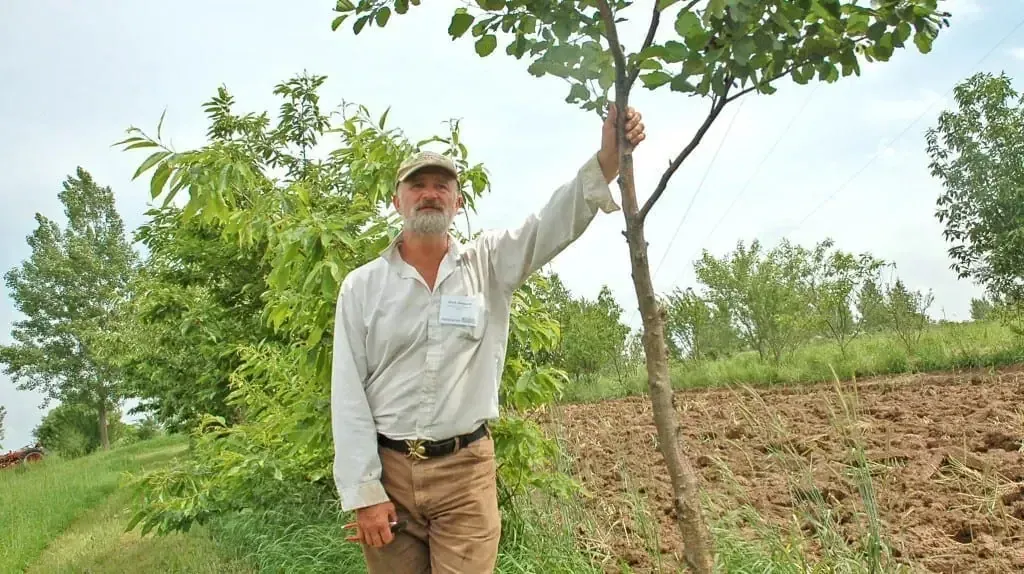 Photo: Restoration Agriculture Development
Mark ShepardMark Shepard turned a worn-out row-crop farm in Viola, Wisconsin, into New Forest Farm, a 106-acre perennial operation of chestnuts, hazelnuts, apples and grazing livestock modeled on oak savanna. He wrote Restoration Agriculture, runs Restoration Agriculture Development and teaches hands-on water management and agroforestry workshops.Visit site
Photo: Restoration Agriculture Development
Mark ShepardMark Shepard turned a worn-out row-crop farm in Viola, Wisconsin, into New Forest Farm, a 106-acre perennial operation of chestnuts, hazelnuts, apples and grazing livestock modeled on oak savanna. He wrote Restoration Agriculture, runs Restoration Agriculture Development and teaches hands-on water management and agroforestry workshops.Visit site
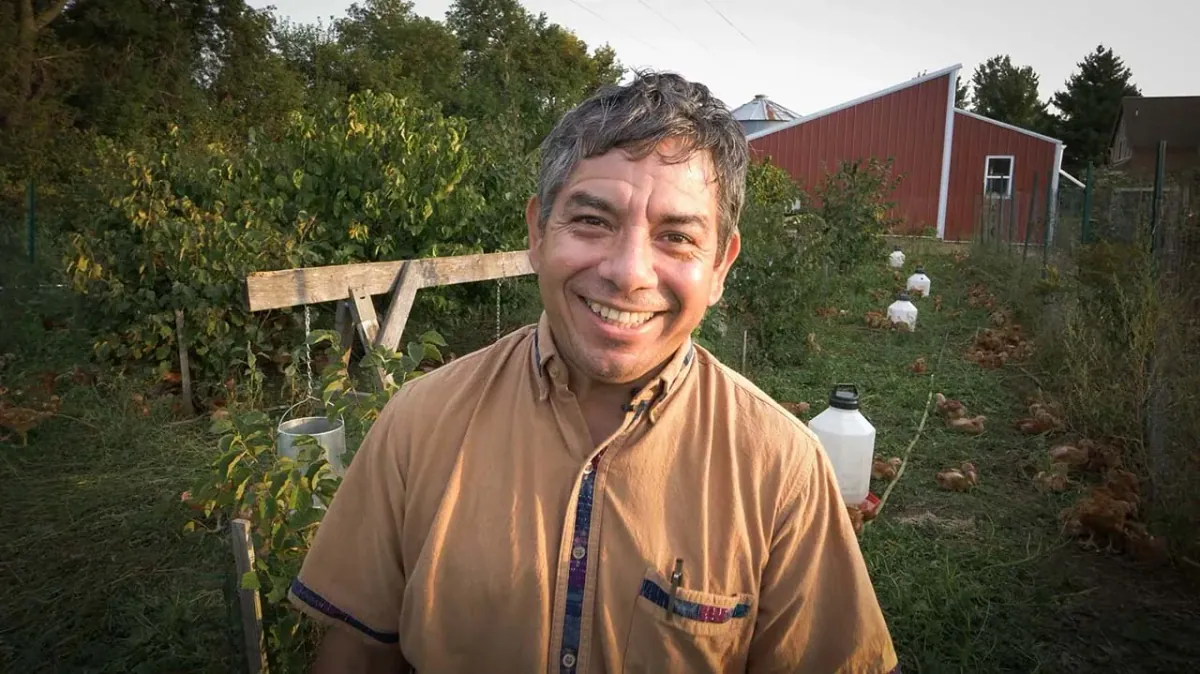 Photo: Tree-Range Farms
Reginaldo Haslett-MarroquinReginaldo Haslett-Marroquin developed a regenerative poultry system in which chickens range through forested pasture under tree cover, raised without antibiotics or close confinement. He leads Tree-Range Farms as CEO, directs innovation and strategy at the Regenerative Agriculture Alliance and works from Salvatierra Farms in Northfield, Minnesota, which trains farmers in the system; in 2026 the network has 13 producing farms.Visit site
Photo: Tree-Range Farms
Reginaldo Haslett-MarroquinReginaldo Haslett-Marroquin developed a regenerative poultry system in which chickens range through forested pasture under tree cover, raised without antibiotics or close confinement. He leads Tree-Range Farms as CEO, directs innovation and strategy at the Regenerative Agriculture Alliance and works from Salvatierra Farms in Northfield, Minnesota, which trains farmers in the system; in 2026 the network has 13 producing farms.Visit site
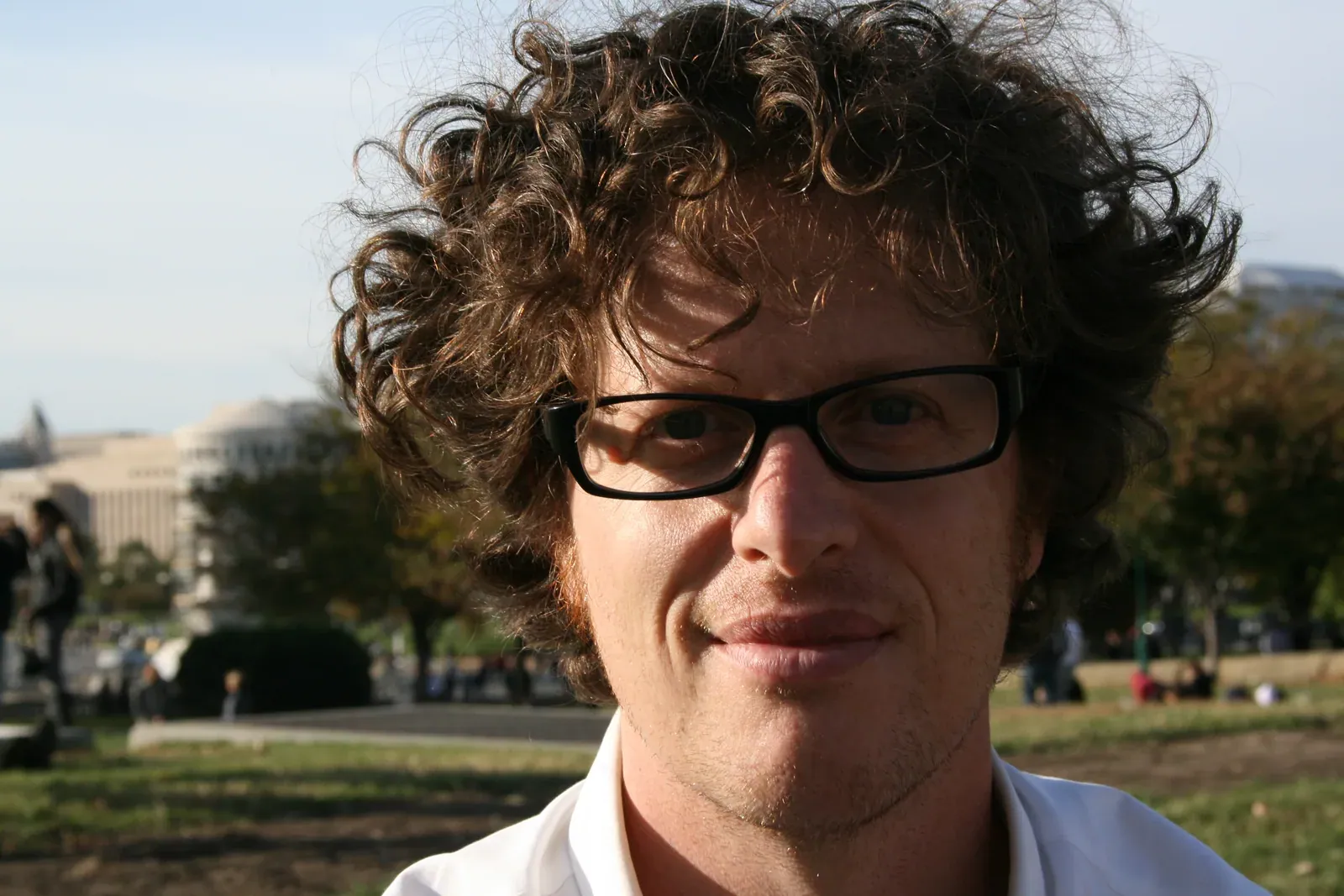 Photo: Chrisna van Zyl / Carbon Nation
Peter ByckPeter Byck is a documentary filmmaker who directs the Carbon Cowboys series and the four-part Roots So Deep, films that follow ranchers using adaptive multi-paddock grazing and the scientists measuring soil, water, insects and birds on their land. Community screenings run across the country, with dates through December 2026.Visit site
Photo: Chrisna van Zyl / Carbon Nation
Peter ByckPeter Byck is a documentary filmmaker who directs the Carbon Cowboys series and the four-part Roots So Deep, films that follow ranchers using adaptive multi-paddock grazing and the scientists measuring soil, water, insects and birds on their land. Community screenings run across the country, with dates through December 2026.Visit site
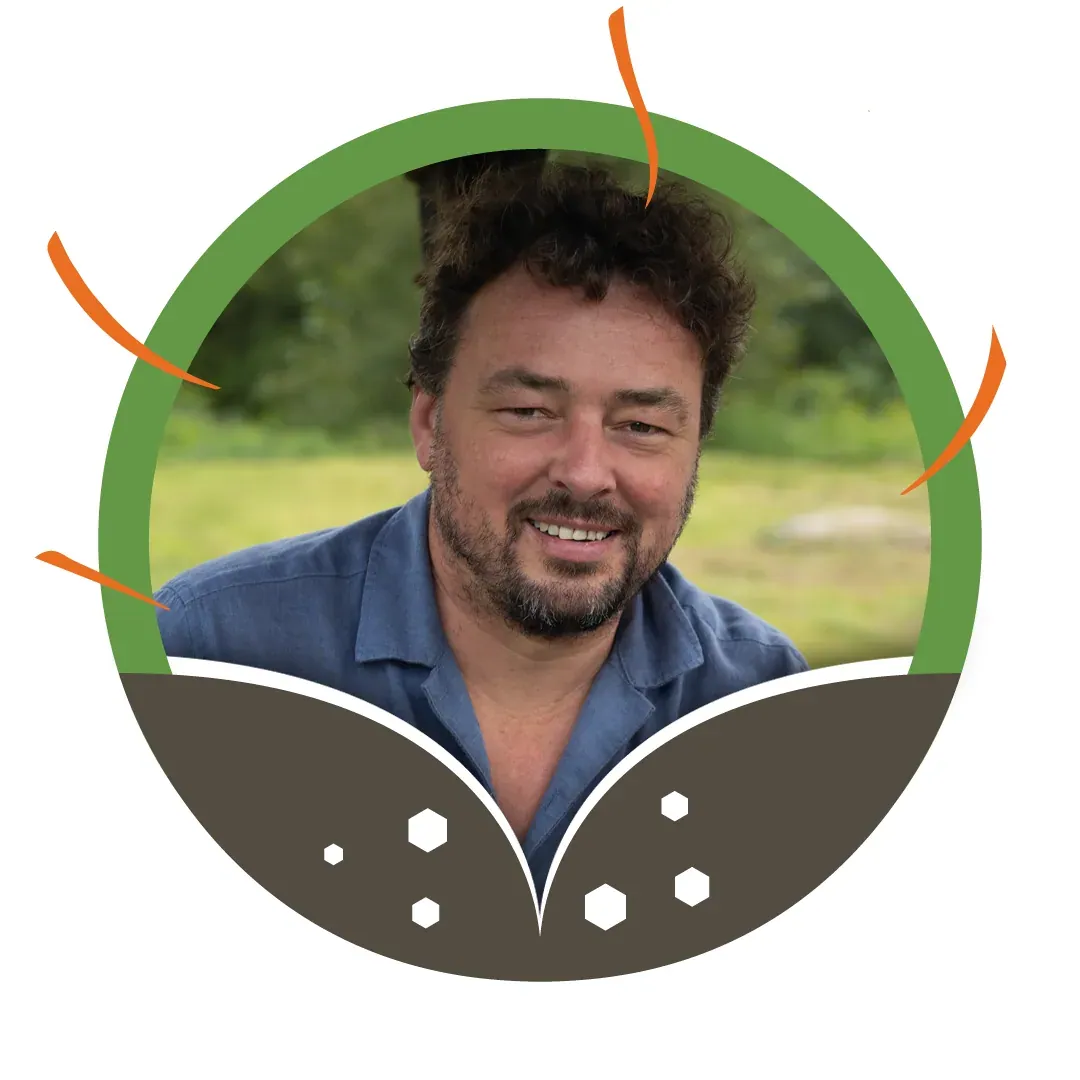 Photo: Bionutrient Food Association
Dan KittredgeDan Kittredge grew up on an organic farm in central Massachusetts and founded the Bionutrient Food Association in 2010 to connect soil health with the nutritional quality of food. The association runs the Soil and Nutrition Conference, courses and workshops, and the Bionutrient Institute, which develops tools to measure nutrient density in crops.Visit site
Photo: Bionutrient Food Association
Dan KittredgeDan Kittredge grew up on an organic farm in central Massachusetts and founded the Bionutrient Food Association in 2010 to connect soil health with the nutritional quality of food. The association runs the Soil and Nutrition Conference, courses and workshops, and the Bionutrient Institute, which develops tools to measure nutrient density in crops.Visit site
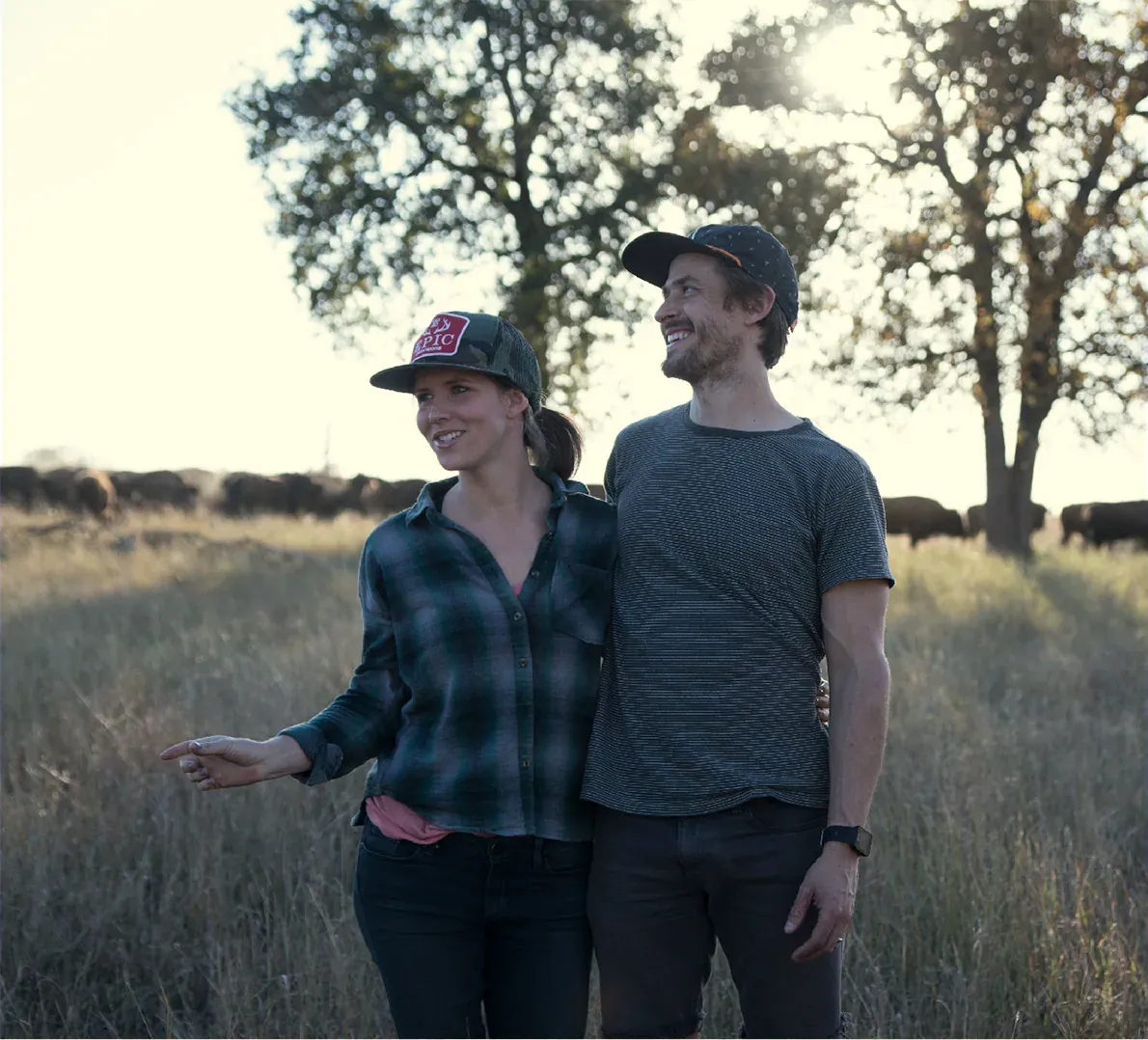 Photo: Roam Ranch
Taylor Collins and Katie ForrestTaylor Collins and Katie Forrest co-founded EPIC Provisions and in 2017 founded Roam Ranch on 600 acres of river-bottom land outside Fredericksburg, Texas. Bison, pigs, chickens, turkeys and ducks graze together under planned rotation, the ranch tracks its soil organic matter and water infiltration, and it opens for tours, harvests and conferences.Visit site
Photo: Roam Ranch
Taylor Collins and Katie ForrestTaylor Collins and Katie Forrest co-founded EPIC Provisions and in 2017 founded Roam Ranch on 600 acres of river-bottom land outside Fredericksburg, Texas. Bison, pigs, chickens, turkeys and ducks graze together under planned rotation, the ranch tracks its soil organic matter and water infiltration, and it opens for tours, harvests and conferences.Visit site
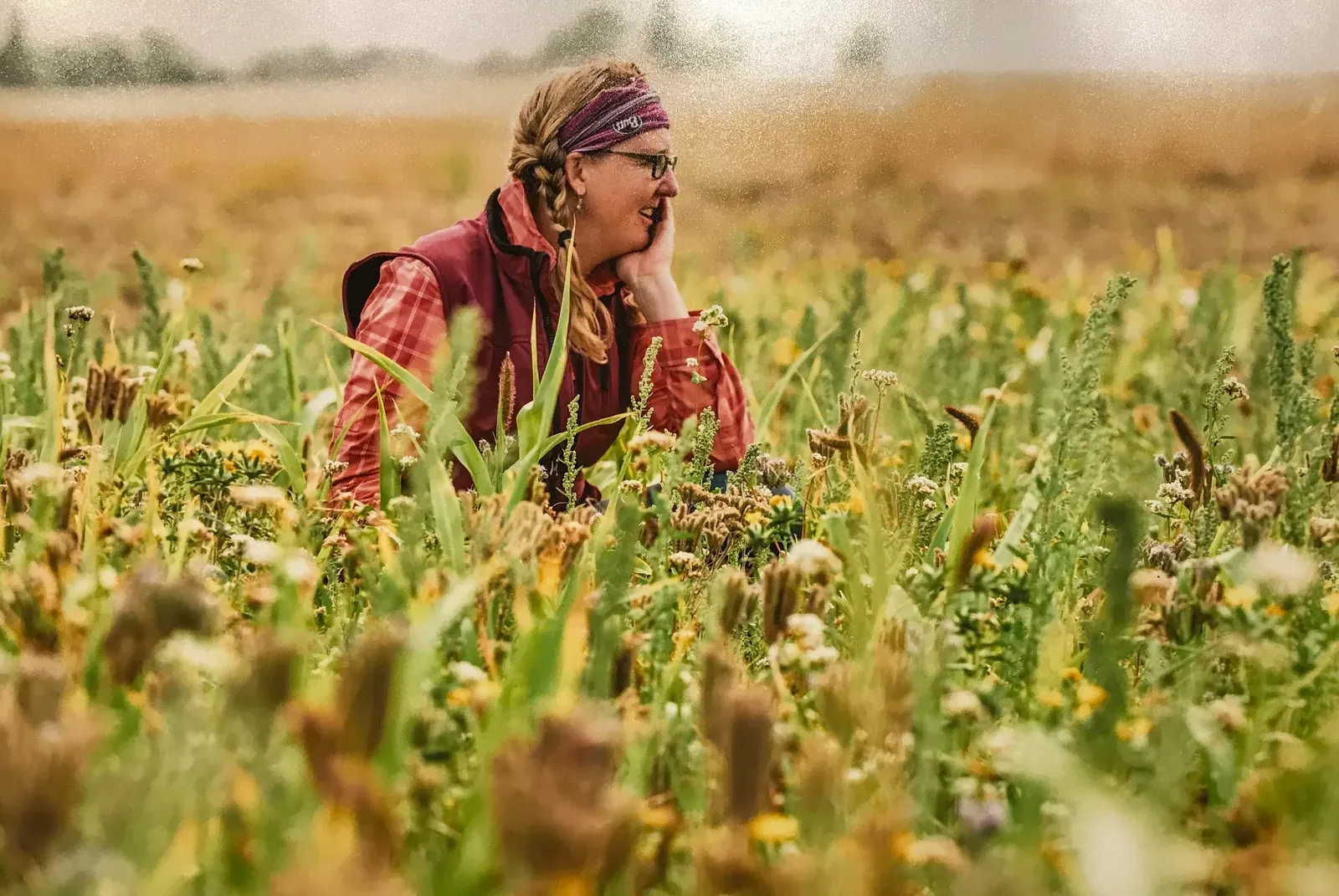 Photo: Vilicus Farms
Anna Jones-CrabtreeAnna Jones-Crabtree and Doug Crabtree own Vilicus Farms, a first-generation organic dryland crop farm near Havre, Montana, that has grown from 1,280 acres in 2009 to more than 9,600. The farm keeps 26 percent of its land in pollinator conservation, rotates more than 20 crops and has run a beginning-farmer apprenticeship since 2013, and she directs the Vilicus Institute.Visit site
Photo: Vilicus Farms
Anna Jones-CrabtreeAnna Jones-Crabtree and Doug Crabtree own Vilicus Farms, a first-generation organic dryland crop farm near Havre, Montana, that has grown from 1,280 acres in 2009 to more than 9,600. The farm keeps 26 percent of its land in pollinator conservation, rotates more than 20 crops and has run a beginning-farmer apprenticeship since 2013, and she directs the Vilicus Institute.Visit site
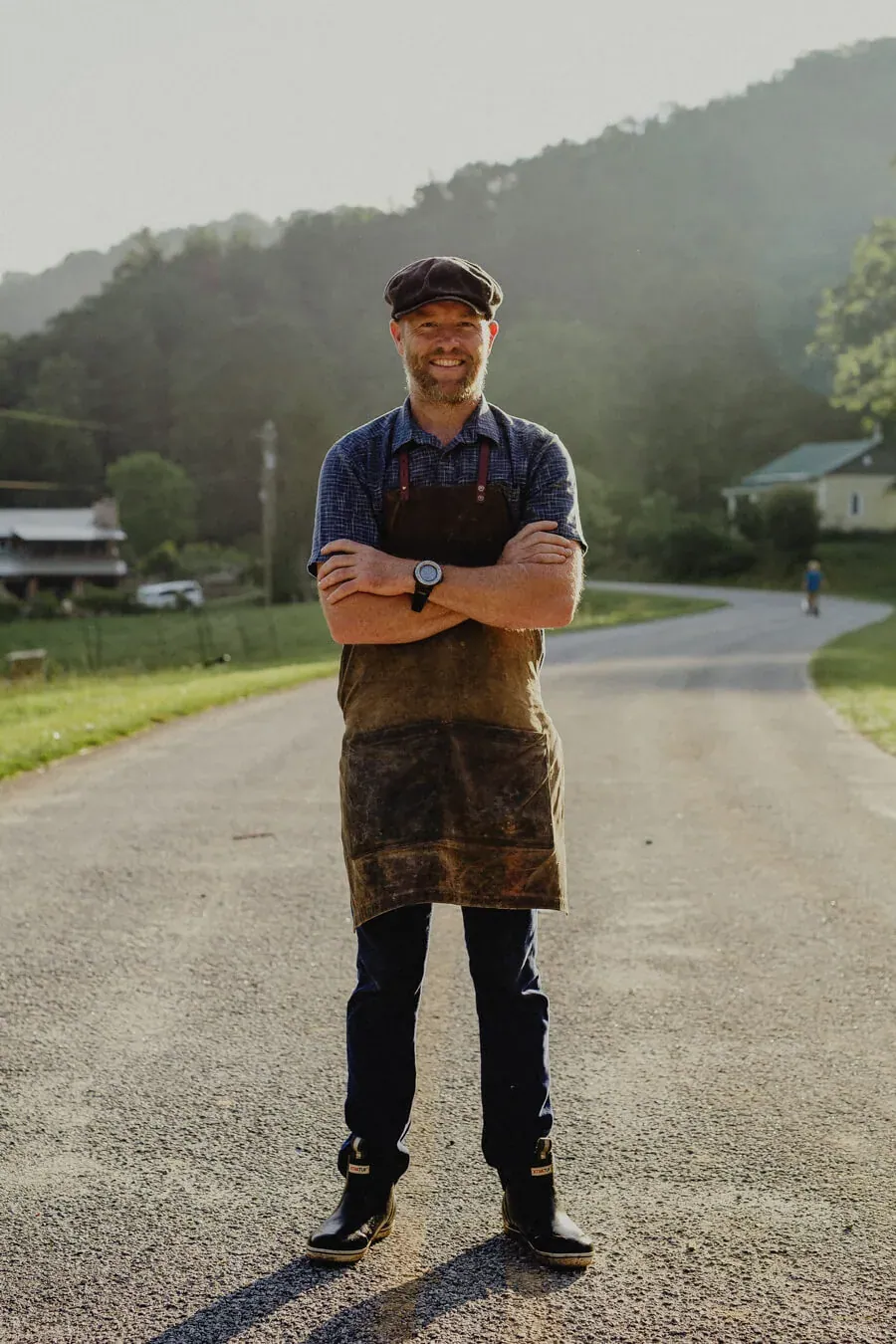 Photo: Abundant Permaculture (Justin Rhodes)
Justin RhodesJustin Rhodes and his wife Rebekah homestead about 140 acres in western North Carolina, feeding a family of seven from chickens, sheep, other livestock and gardens. His YouTube channel has 1.13 million subscribers and new videos every week, and Abundant Permaculture offers his courses, homestead design help, the book The Rooted Life and a 2026 tour schedule.Visit site
Photo: Abundant Permaculture (Justin Rhodes)
Justin RhodesJustin Rhodes and his wife Rebekah homestead about 140 acres in western North Carolina, feeding a family of seven from chickens, sheep, other livestock and gardens. His YouTube channel has 1.13 million subscribers and new videos every week, and Abundant Permaculture offers his courses, homestead design help, the book The Rooted Life and a 2026 tour schedule.Visit site