
Podcasts, Blogs & Videos
Regenerative agriculture in the United States is taught as much by ear and by camera as by textbook. Ranchers film their paddock moves, market gardeners record a daily show between harvests, and agronomists talk through nitrogen programs for two hours at a stretch. This directory collects the podcasts, blogs and video channels we follow ourselves.
Every entry was checked in October 2026: each one is US-based, has published within the last twelve months, and is linked to its own site or channel. The mix runs from Oklahoma research ranches to a Phoenix backyard, from Vermont organic growers to a Kansas perennial grain institute. For books and films, see our reading and viewing list.
Podcasts
 Photo: Urban Farm Team (Greg Peterson)
The Urban Farm PodcastGreg Peterson hosts weekly conversations with growers, seed savers, composters and small farmers from his base in the Phoenix area. The show has passed 1,000 episodes and focuses on growing food where you live: backyard fruit trees, community gardens, urban homesteads and the small market farms that supply local food scenes.Visit site
Photo: Urban Farm Team (Greg Peterson)
The Urban Farm PodcastGreg Peterson hosts weekly conversations with growers, seed savers, composters and small farmers from his base in the Phoenix area. The show has passed 1,000 episodes and focuses on growing food where you live: backyard fruit trees, community gardens, urban homesteads and the small market farms that supply local food scenes.Visit site
 Photo: John Kempf / Advancing Eco Agriculture
Regenerative Agriculture PodcastJohn Kempf, who founded Advancing Eco Agriculture in 2006, interviews agronomists, researchers and commercial growers about plant nutrition, soil biology, nitrogen management and the economics of regenerative crop production. Episodes are long and technical, made for farmers, agronomists and consultants rather than beginners, and the numbered series passed episode 190 in October 2026.Visit site
Photo: John Kempf / Advancing Eco Agriculture
Regenerative Agriculture PodcastJohn Kempf, who founded Advancing Eco Agriculture in 2006, interviews agronomists, researchers and commercial growers about plant nutrition, soil biology, nitrogen management and the economics of regenerative crop production. Episodes are long and technical, made for farmers, agronomists and consultants rather than beginners, and the numbered series passed episode 190 in October 2026.Visit site
 Photo: Working Cows (Clay Conry)
Working Cows PodcastClay Conry, a pastor in west central South Dakota who grew up on a cow-calf operation and recently bought a small ranch, talks with ranchers, graziers and consultants about regenerative ranching, grazing management and the economics of raising cattle on grass. More than 530 weekly episodes cover cow-calf operations, custom grazing, direct marketing and the mindset shifts behind low-input ranching.Visit site
Photo: Working Cows (Clay Conry)
Working Cows PodcastClay Conry, a pastor in west central South Dakota who grew up on a cow-calf operation and recently bought a small ranch, talks with ranchers, graziers and consultants about regenerative ranching, grazing management and the economics of raising cattle on grass. More than 530 weekly episodes cover cow-calf operations, custom grazing, direct marketing and the mindset shifts behind low-input ranching.Visit site
 Photo: Michael Kilpatrick / Thriving Farmer Podcast
Thriving Farmer PodcastMichael Kilpatrick, a farmer and farm educator in Ohio who runs In the Field Consultants, interviews farmers about building a profitable small farm: crew management, markets, tools, automation and family life. The show reached episode 350 in March 2026 and is currently paused for the farm season; its archive covers vegetable, flower and livestock farms across the US.Visit site
Photo: Michael Kilpatrick / Thriving Farmer Podcast
Thriving Farmer PodcastMichael Kilpatrick, a farmer and farm educator in Ohio who runs In the Field Consultants, interviews farmers about building a profitable small farm: crew management, markets, tools, automation and family life. The show reached episode 350 in March 2026 and is currently paused for the farm season; its archive covers vegetable, flower and livestock farms across the US.Visit site
 Photo: Real Organic Project
Real Organic PodcastDave Chapman of Long Wind Farm in Vermont and Linley Dixon, who grows certified organic vegetables in southwest Colorado, co-direct the Real Organic Project and host its interview series with farmers, scientists, chefs and journalists. Episodes cover soil-based organic farming, nutrition, pesticides, farm policy and where organic and regenerative practice overlap, from a farmer-led add-on certification to USDA organic.Visit site
Photo: Real Organic Project
Real Organic PodcastDave Chapman of Long Wind Farm in Vermont and Linley Dixon, who grows certified organic vegetables in southwest Colorado, co-direct the Real Organic Project and host its interview series with farmers, scientists, chefs and journalists. Episodes cover soil-based organic farming, nutrition, pesticides, farm policy and where organic and regenerative practice overlap, from a farmer-led add-on certification to USDA organic.Visit site
 Photo: Growing for Market
Growing for Market PodcastThe podcast of Growing for Market, the magazine for local food and flower growers published since 1992. Editor Andrew Mefferd, who farms in Maine, and Oregon farmer Katie Kulla interview market farmers about crop planning, farmers markets, CSAs, cut flowers and the business side of selling directly to local customers.Visit site
Photo: Growing for Market
Growing for Market PodcastThe podcast of Growing for Market, the magazine for local food and flower growers published since 1992. Editor Andrew Mefferd, who farms in Maine, and Oregon farmer Katie Kulla interview market farmers about crop planning, farmers markets, CSAs, cut flowers and the business side of selling directly to local customers.Visit site
 Photo: No-Till Growers
No-Till Growers PodcastsNo-Till Growers, the nonprofit built around Kentucky market gardener Jesse Frost, runs a family of shows: The No-Till Market Garden Podcast, the daily Growers Daily, and podcasts on composting, winter growing, seed production and collaborative farming. The focus is practical ecological vegetable growing on small acreage, with short daily episodes alongside long interviews.Visit site
Photo: No-Till Growers
No-Till Growers PodcastsNo-Till Growers, the nonprofit built around Kentucky market gardener Jesse Frost, runs a family of shows: The No-Till Market Garden Podcast, the daily Growers Daily, and podcasts on composting, winter growing, seed production and collaborative farming. The focus is practical ecological vegetable growing on small acreage, with short daily episodes alongside long interviews.Visit site
 Photo: Acres U.S.A.
Acres U.S.A. PodcastThe weekly interview show of Acres U.S.A., the Viroqua, Wisconsin publisher that has covered production-scale organic and regenerative farming for more than fifty years. Episodes are published on the magazine's YouTube channel alongside its webinars; recent guests include Will Harris of White Oak Pastures, agronomist Brian Dougherty and soil fertility consultants working in the Albrecht tradition.Visit site
Photo: Acres U.S.A.
Acres U.S.A. PodcastThe weekly interview show of Acres U.S.A., the Viroqua, Wisconsin publisher that has covered production-scale organic and regenerative farming for more than fifty years. Episodes are published on the magazine's YouTube channel alongside its webinars; recent guests include Will Harris of White Oak Pastures, agronomist Brian Dougherty and soil fertility consultants working in the Albrecht tradition.Visit site
Blogs
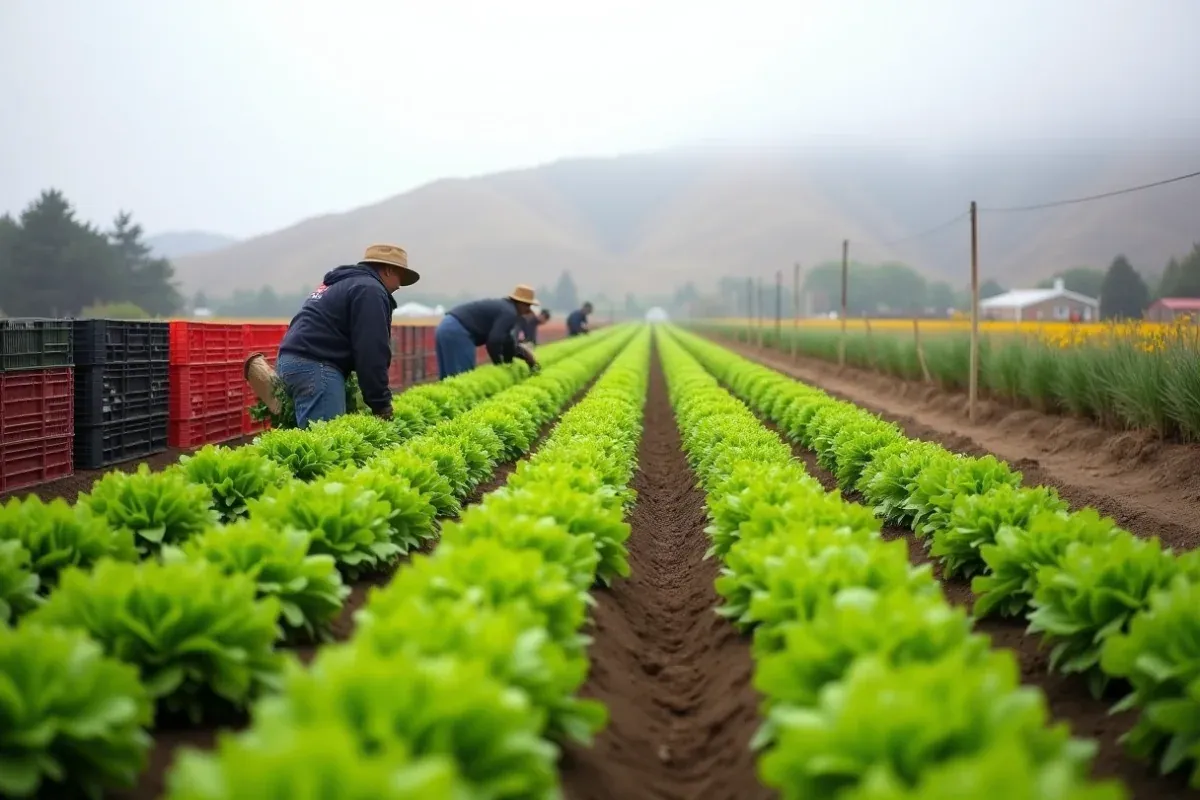 Civil EatsA nonprofit newsroom co-founded in January 2009 that reports on the American food system: farm policy, soil and climate, labor, ranching, urban agriculture and the people building regional food economies. Headquartered in the San Francisco Bay Area with staff across the country, it publishes original reporting and op-eds most weekdays, with regular coverage of regenerative agriculture.Visit site
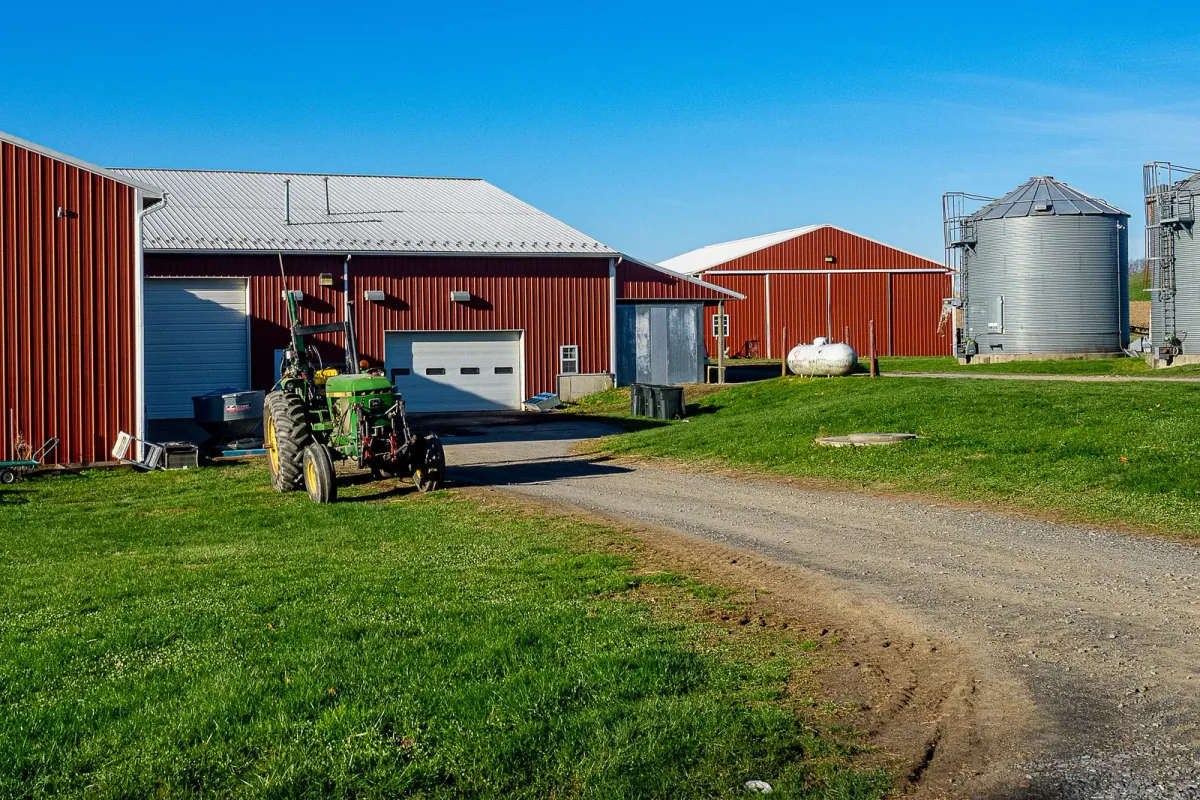 Photo: Kent Fairfield / Rodale Institute
Rodale Institute BlogRodale Institute in Kutztown, Pennsylvania has researched organic farming since 1947. Its blog publishes findings from the Farming Systems Trial, cover crop and hemp studies, farmer training programs, organic market reports and news from its regional organic centers in Iowa, California and Washington, written for farmers and advisors who want research they can apply on regenerative organic operations.Visit site
Photo: Kent Fairfield / Rodale Institute
Rodale Institute BlogRodale Institute in Kutztown, Pennsylvania has researched organic farming since 1947. Its blog publishes findings from the Farming Systems Trial, cover crop and hemp studies, farmer training programs, organic market reports and news from its regional organic centers in Iowa, California and Washington, written for farmers and advisors who want research they can apply on regenerative organic operations.Visit site
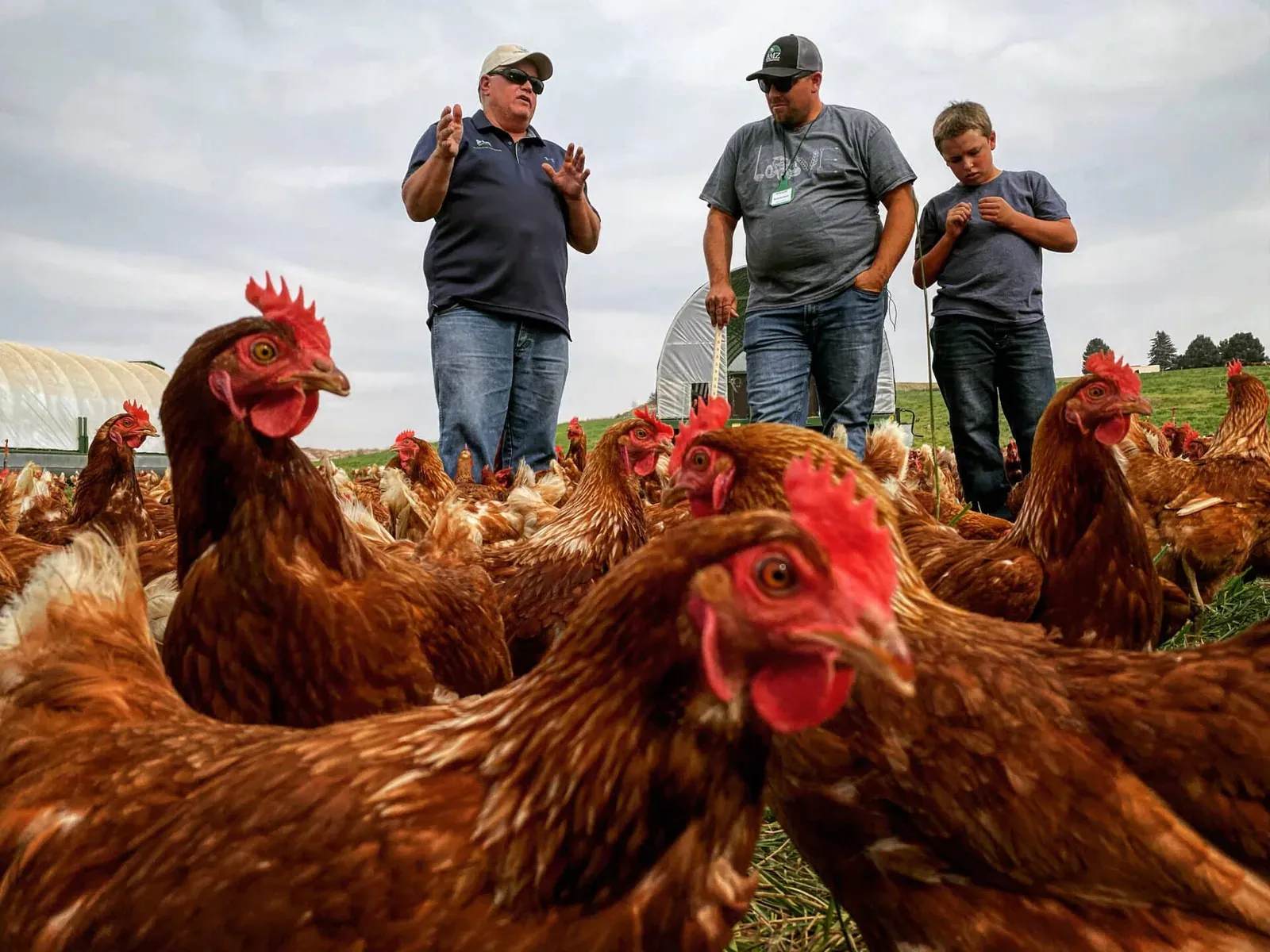 Photo: Understanding Ag
Understanding Ag: From Our ExpertsShort technical articles from the consultants of Understanding Ag, the regenerative consulting firm based in Garnett, Kansas whose senior partners include Gabe Brown and Burke Teichert. Posts cover the soil health principles, the four ecosystem processes, nutrient cycling, soil aggregation, phytonutrients, grazing and the profit drivers of livestock operations, written for working farmers and ranchers across the US.Visit site
Photo: Understanding Ag
Understanding Ag: From Our ExpertsShort technical articles from the consultants of Understanding Ag, the regenerative consulting firm based in Garnett, Kansas whose senior partners include Gabe Brown and Burke Teichert. Posts cover the soil health principles, the four ecosystem processes, nutrient cycling, soil aggregation, phytonutrients, grazing and the profit drivers of livestock operations, written for working farmers and ranchers across the US.Visit site
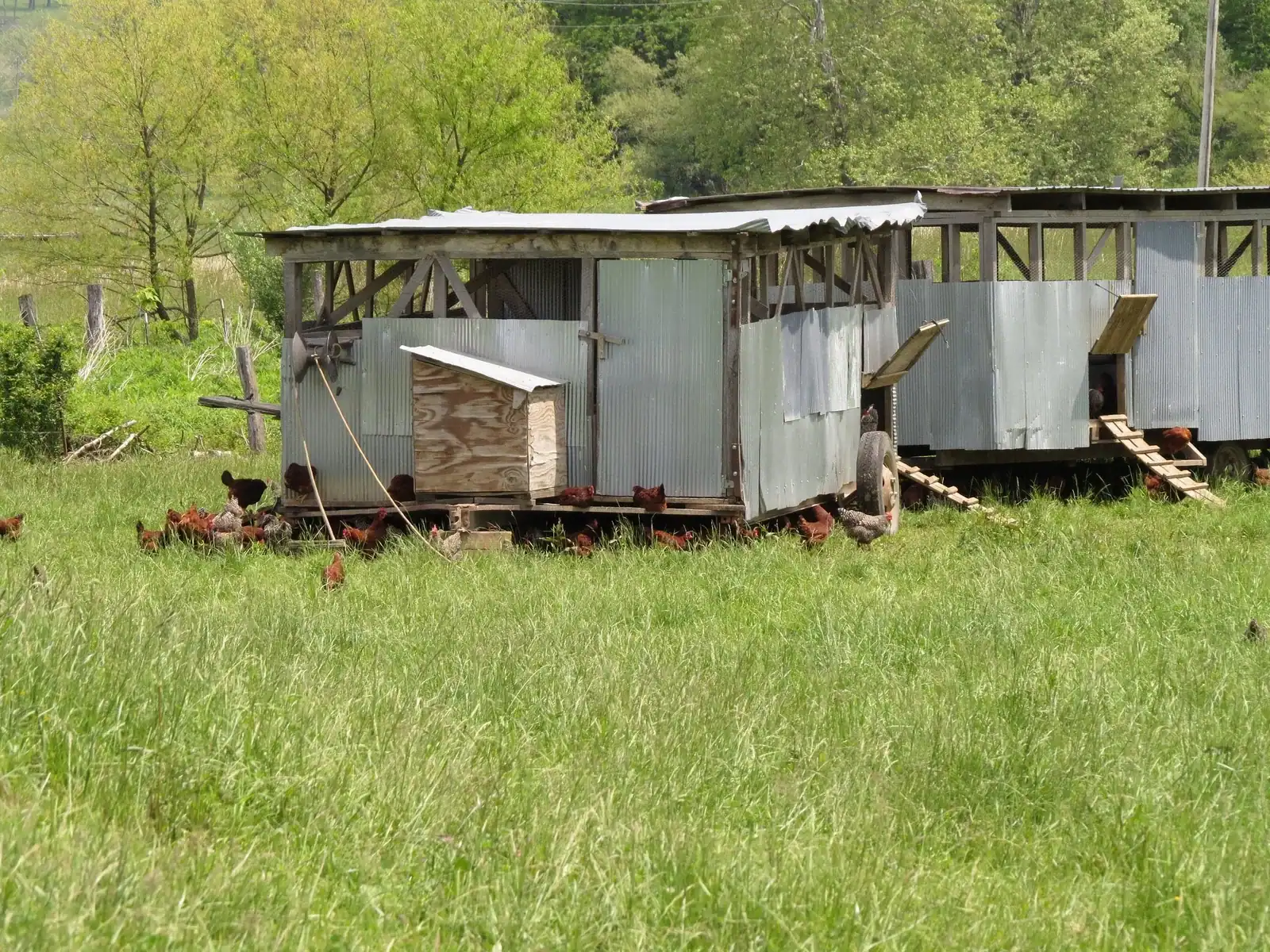 Photo: Joel Salatin / The Lunatic Farmer
The Lunatic FarmerJoel Salatin of Polyface Farm in Swoope, Virginia posts several times a week on food, farming, pastured livestock and the politics of local food. The entries are short, opinionated and personal, drawn from daily life on a multi-species grazing farm in the Shenandoah Valley and from his travels as a speaker.Visit site
Photo: Joel Salatin / The Lunatic Farmer
The Lunatic FarmerJoel Salatin of Polyface Farm in Swoope, Virginia posts several times a week on food, farming, pastured livestock and the politics of local food. The entries are short, opinionated and personal, drawn from daily life on a multi-species grazing farm in the Shenandoah Valley and from his travels as a speaker.Visit site
 Photo: Offrange (Ambrook)
OffrangeOffrange, formerly Ambrook Research, is an independent online magazine published by the farm finance company Ambrook. It runs reported features on American agriculture beyond the headlines: cover crops, the meaning of soil health, no-till at scale, land access, labor, fisheries and policy, with a weekly newsletter and a podcast.Visit site
Photo: Offrange (Ambrook)
OffrangeOffrange, formerly Ambrook Research, is an independent online magazine published by the farm finance company Ambrook. It runs reported features on American agriculture beyond the headlines: cover crops, the meaning of soil health, no-till at scale, land access, labor, fisheries and policy, with a weekly newsletter and a podcast.Visit site
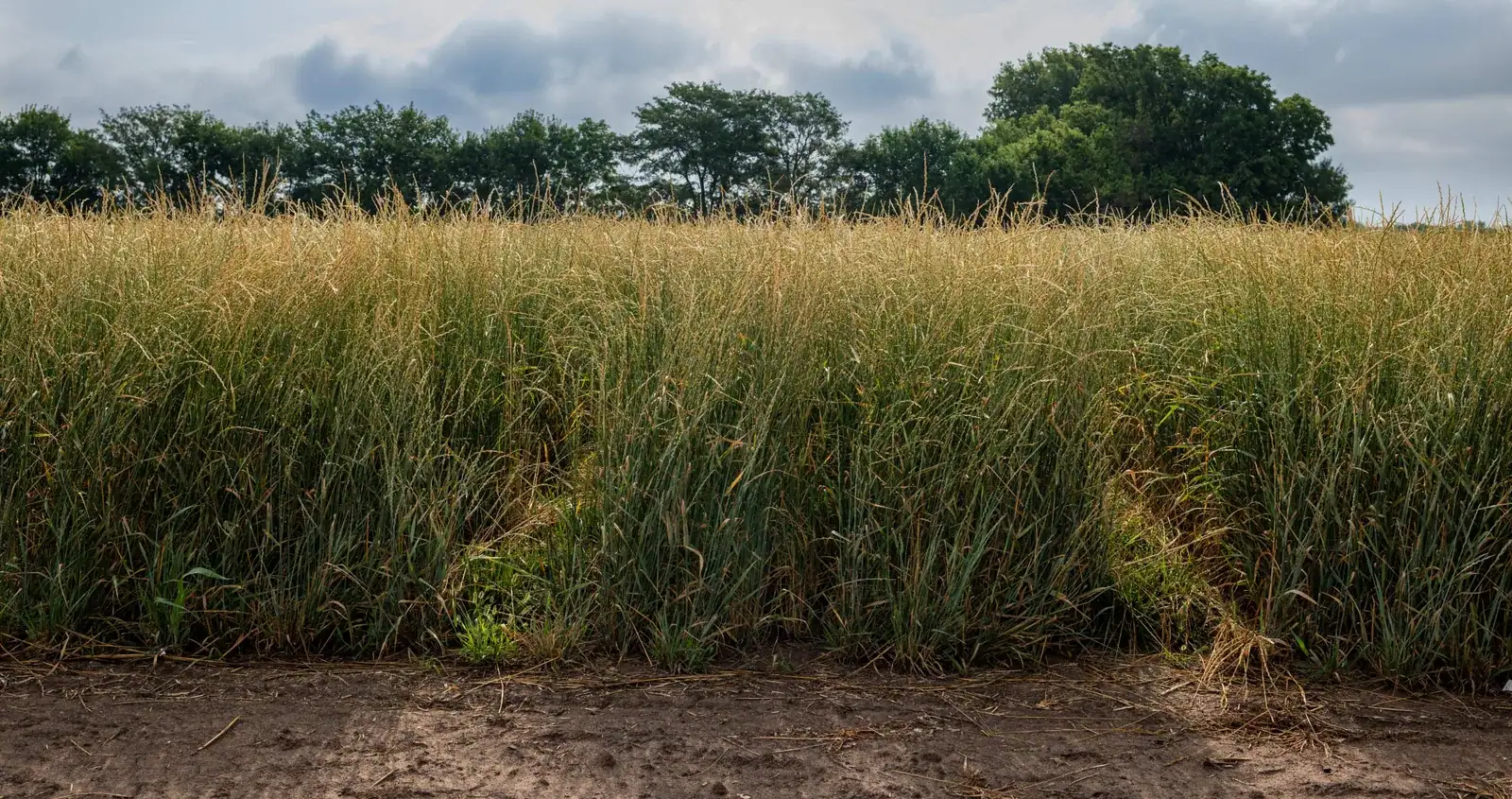 Photo: The Land Institute
The Land InstituteThe Land Institute in Salina, Kansas works on perennial grain crops, including the Kernza wheatgrass it developed, as a replacement for annual tillage agriculture. Its news section carries research updates, program announcements, book launches and the annual Prairie Festival, which in 2026 marked the institute's fiftieth anniversary.Visit site
Photo: The Land Institute
The Land InstituteThe Land Institute in Salina, Kansas works on perennial grain crops, including the Kernza wheatgrass it developed, as a replacement for annual tillage agriculture. Its news section carries research updates, program announcements, book launches and the annual Prairie Festival, which in 2026 marked the institute's fiftieth anniversary.Visit site
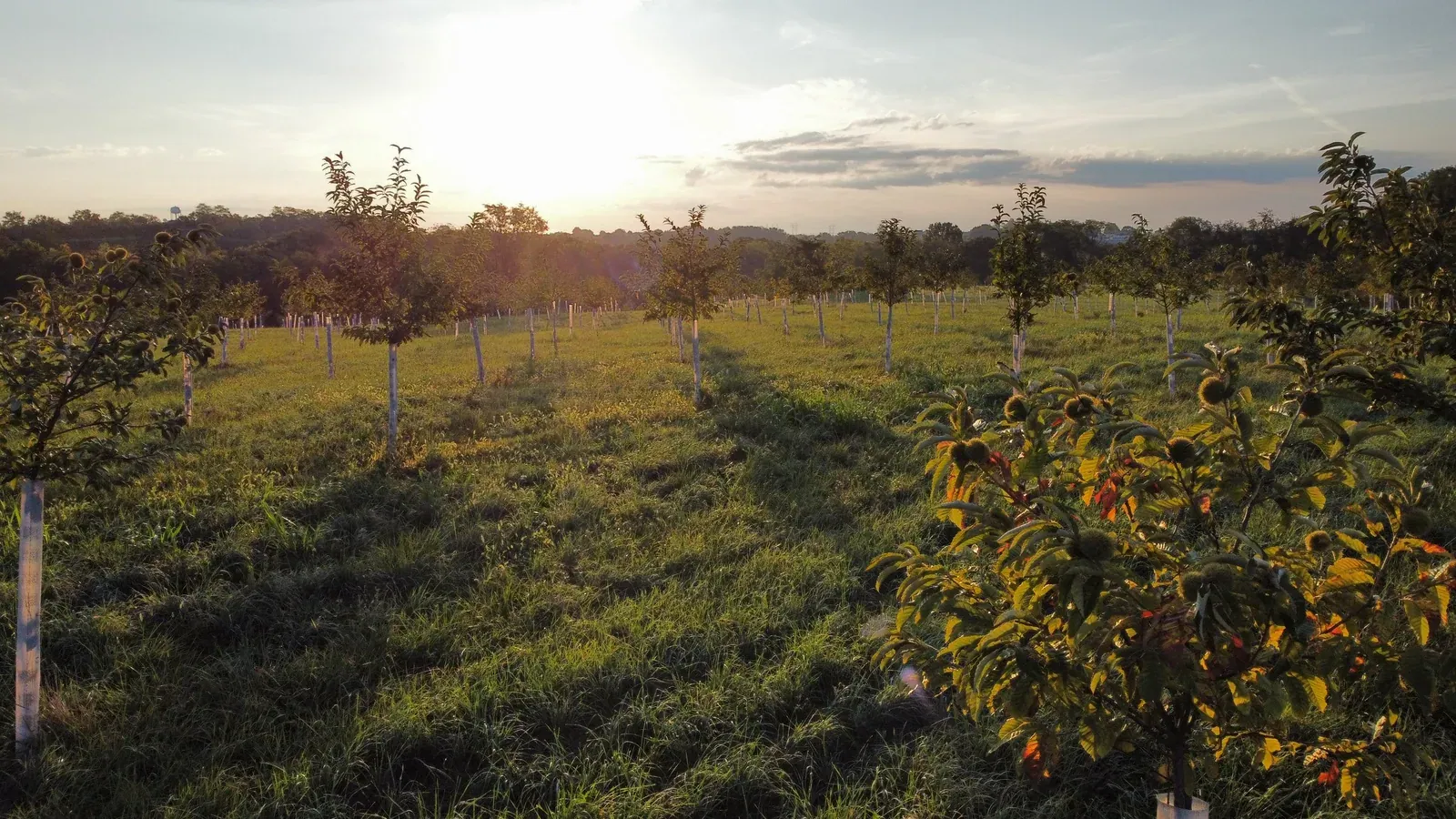 Photo: Propagate
PropagatePropagate is an agroforestry company that has planted chestnuts, black locust, hazelnuts and other tree crops with American farms since 2018 and owns and operates 585 acres of its own. Its blog covers tree crop markets and pricing, site preparation and equipment, riparian buffers, blight-resistant hazelnuts and the economics of bringing agroforestry into mainstream US farming.Visit site
Photo: Propagate
PropagatePropagate is an agroforestry company that has planted chestnuts, black locust, hazelnuts and other tree crops with American farms since 2018 and owns and operates 585 acres of its own. Its blog covers tree crop markets and pricing, site preparation and equipment, riparian buffers, blight-resistant hazelnuts and the economics of bringing agroforestry into mainstream US farming.Visit site
Videos
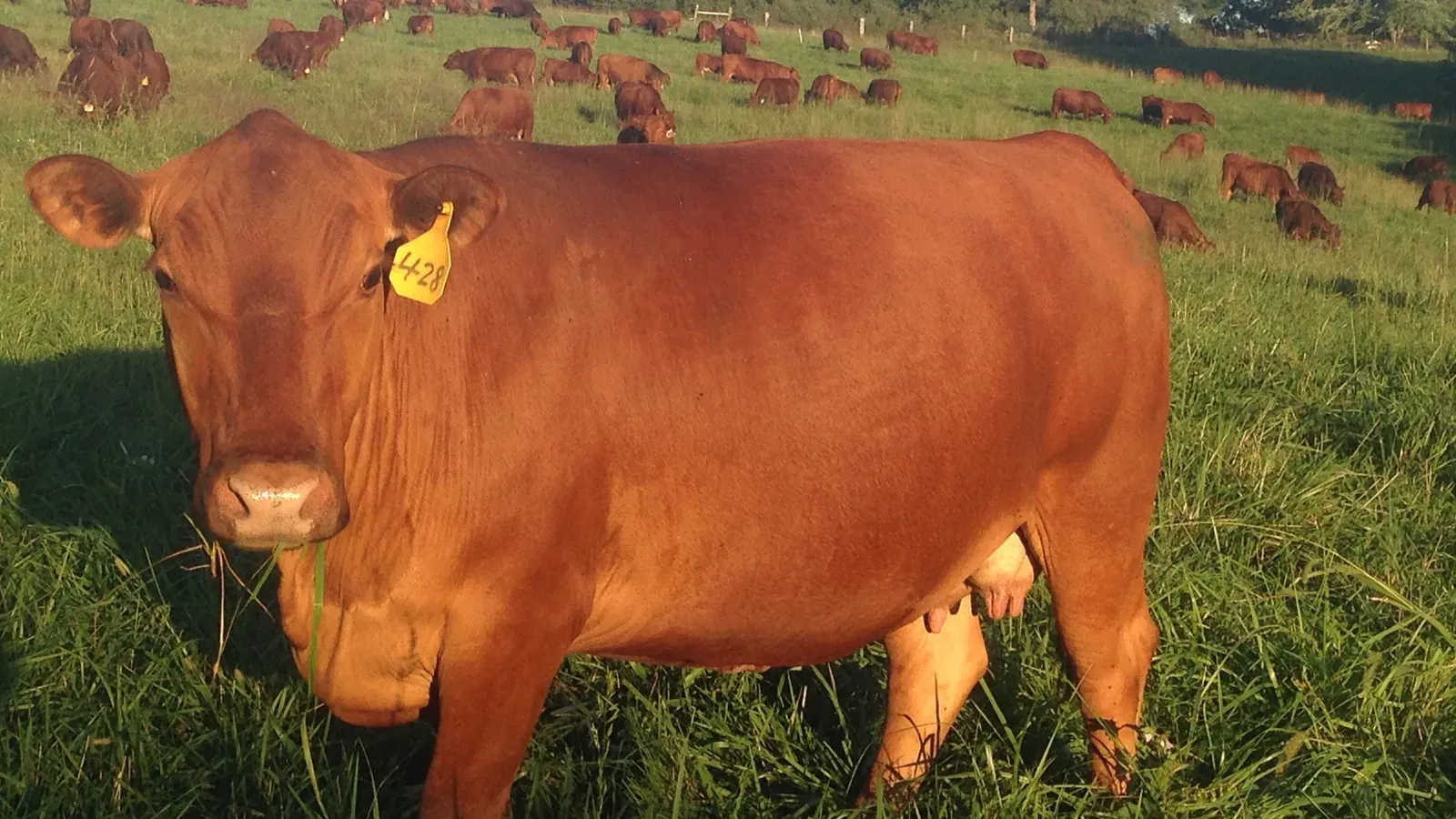 Photo: Greg Judy
Greg Judy Regenerative RancherMissouri grazier Greg Judy films daily work on Green Pastures Farm at Rucker in central Missouri, where he and Jan Judy run South Poll cattle and St. Croix cross hair sheep with high-density planned grazing. Videos show paddock moves, fencing, water systems, grass finishing and the economics of low-input ranching, with daily uploads and grazing schools on the farm.Visit site
Photo: Greg Judy
Greg Judy Regenerative RancherMissouri grazier Greg Judy films daily work on Green Pastures Farm at Rucker in central Missouri, where he and Jan Judy run South Poll cattle and St. Croix cross hair sheep with high-density planned grazing. Videos show paddock moves, fencing, water systems, grass finishing and the economics of low-input ranching, with daily uploads and grazing schools on the farm.Visit site
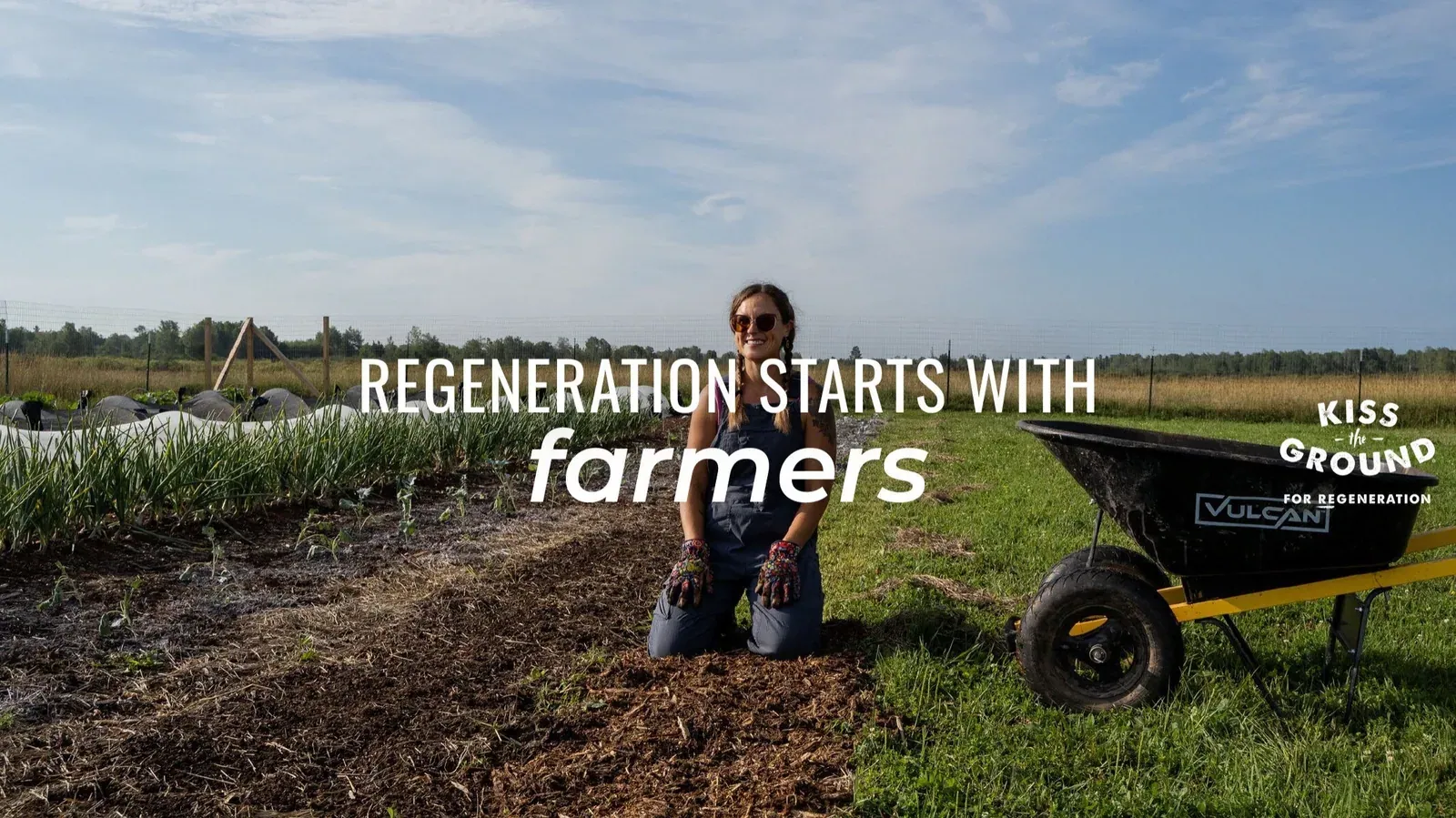 Photo: Kiss the Ground
Kiss the GroundKiss the Ground is a Los Angeles nonprofit that promotes regeneration through storytelling, education and partnerships and shares its name with the Netflix documentary Kiss the Ground. Its channel posts short farm visits, explainers and tips for its Farmer Map of local producers, speaking to eaters and newcomers rather than practitioners as a first stop into regenerative agriculture.Visit site
Photo: Kiss the Ground
Kiss the GroundKiss the Ground is a Los Angeles nonprofit that promotes regeneration through storytelling, education and partnerships and shares its name with the Netflix documentary Kiss the Ground. Its channel posts short farm visits, explainers and tips for its Farmer Map of local producers, speaking to eaters and newcomers rather than practitioners as a first stop into regenerative agriculture.Visit site
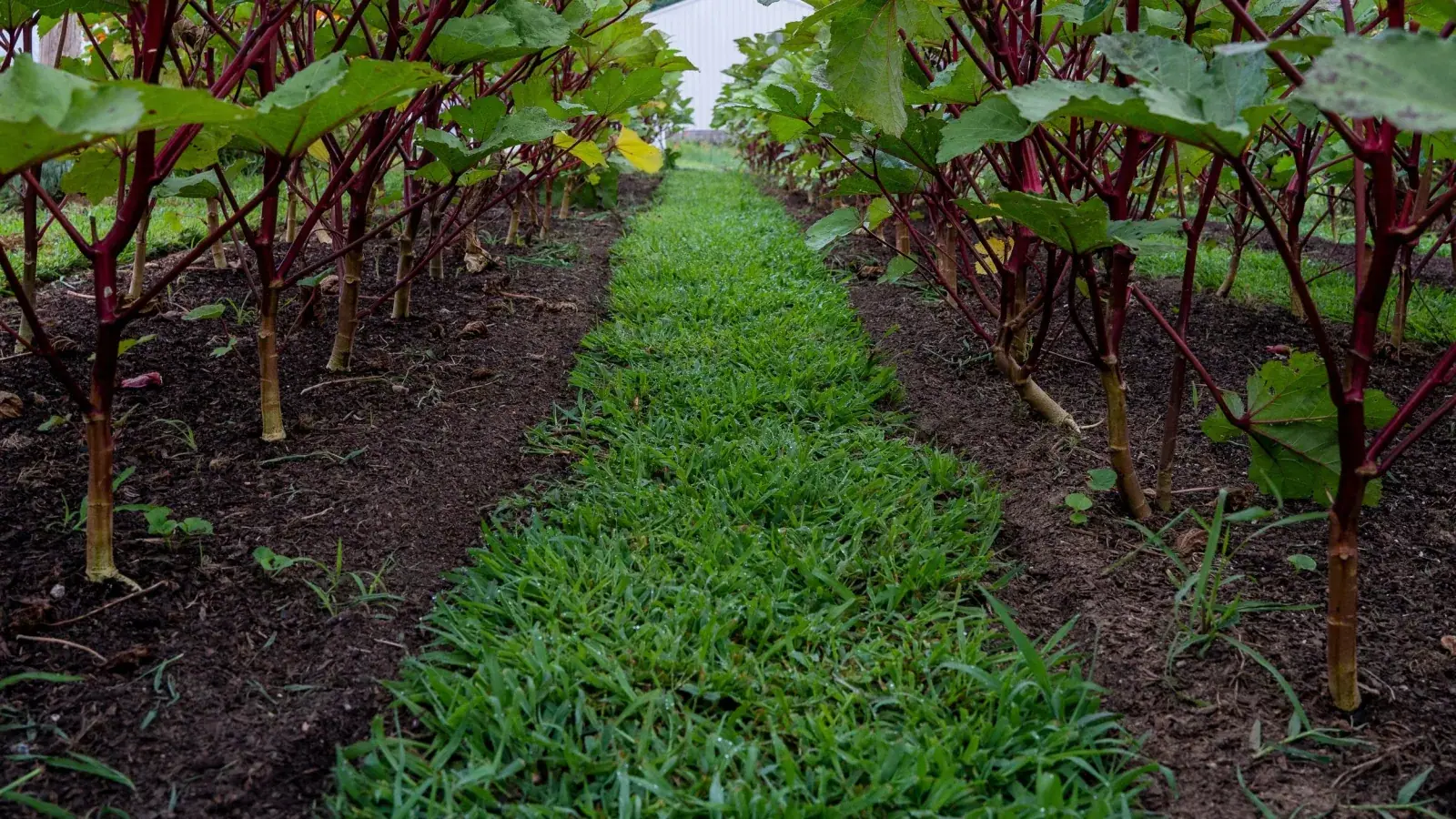 Photo: No-Till Growers
No-Till GrowersJesse Frost, a Kentucky no-till market gardener and author of The Living Soil Handbook, runs this channel with the No-Till Growers nonprofit. It publishes frequent videos on compost mulching, tarping, bed preparation, crop planning and tools for small ecological vegetable farms, plus farm tours and the daily Growers Daily show.Visit site
Photo: No-Till Growers
No-Till GrowersJesse Frost, a Kentucky no-till market gardener and author of The Living Soil Handbook, runs this channel with the No-Till Growers nonprofit. It publishes frequent videos on compost mulching, tarping, bed preparation, crop planning and tools for small ecological vegetable farms, plus farm tours and the daily Growers Daily show.Visit site
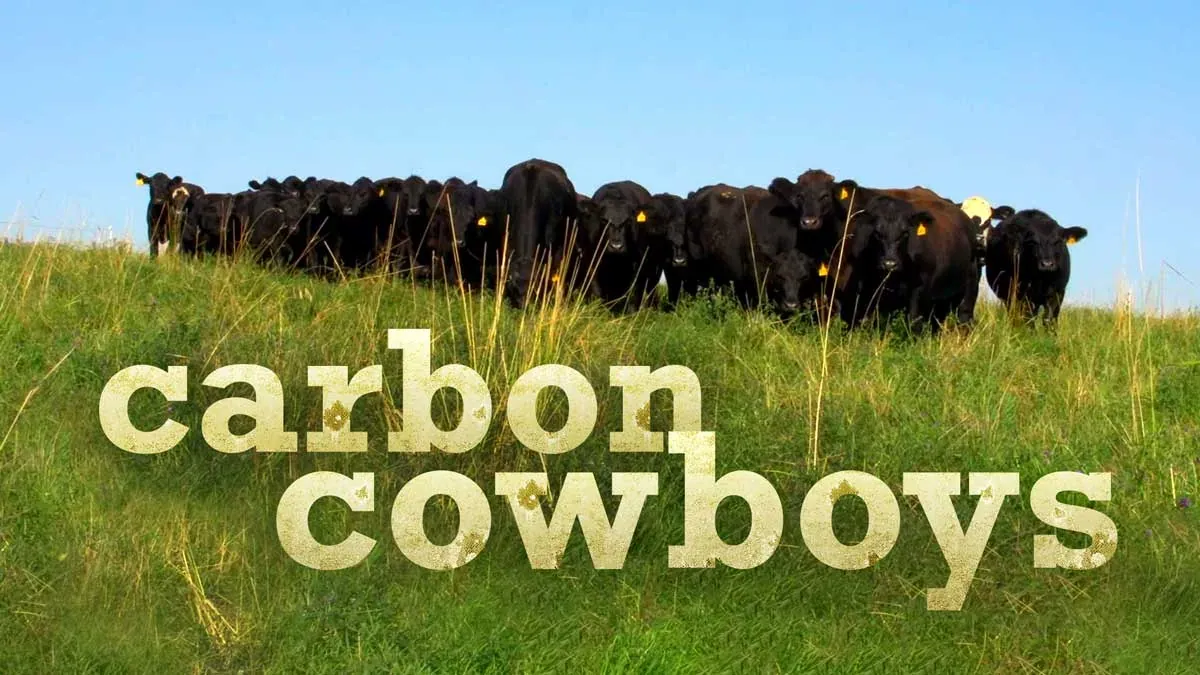 Photo: Peter Byck / Carbon Cowboys
Carbon CowboysFilmmaker Peter Byck, a professor of practice at Arizona State University, documents ranchers who use adaptive multi-paddock grazing to rebuild soil. The site hosts eleven Carbon Cowboys short films, the latest titled camp AMP, the four-part series Roots So Deep, which follows farmers and scientists testing adaptive grazing against conventional practice, and the feature Carbon Nation.Visit site
Photo: Peter Byck / Carbon Cowboys
Carbon CowboysFilmmaker Peter Byck, a professor of practice at Arizona State University, documents ranchers who use adaptive multi-paddock grazing to rebuild soil. The site hosts eleven Carbon Cowboys short films, the latest titled camp AMP, the four-part series Roots So Deep, which follows farmers and scientists testing adaptive grazing against conventional practice, and the feature Carbon Nation.Visit site
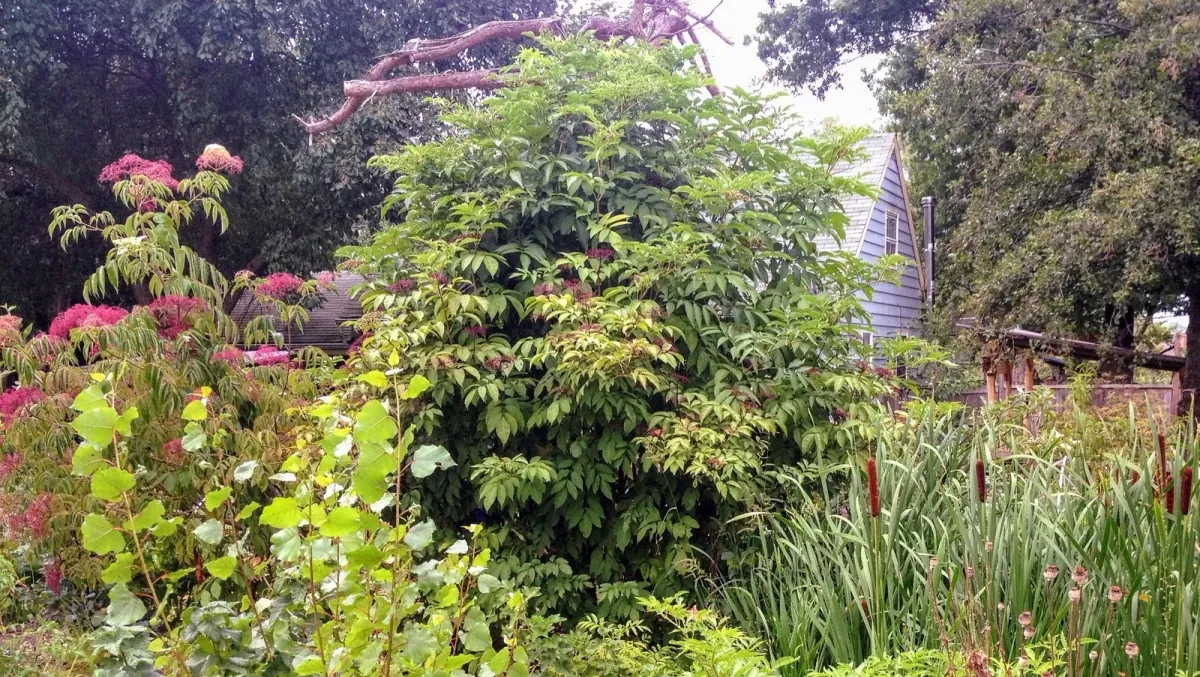 Photo: Edible Acres
Edible AcresEdible Acres is a permaculture nursery and forest garden in the Finger Lakes region of New York. The channel shows low-cost plant propagation, perennial food crops such as pawpaw, chicken-powered composting, water management and cold-climate nursery work, filmed in a plain walk-and-talk style with new videos most weeks.Visit site
Photo: Edible Acres
Edible AcresEdible Acres is a permaculture nursery and forest garden in the Finger Lakes region of New York. The channel shows low-cost plant propagation, perennial food crops such as pawpaw, chicken-powered composting, water management and cold-climate nursery work, filmed in a plain walk-and-talk style with new videos most weeks.Visit site
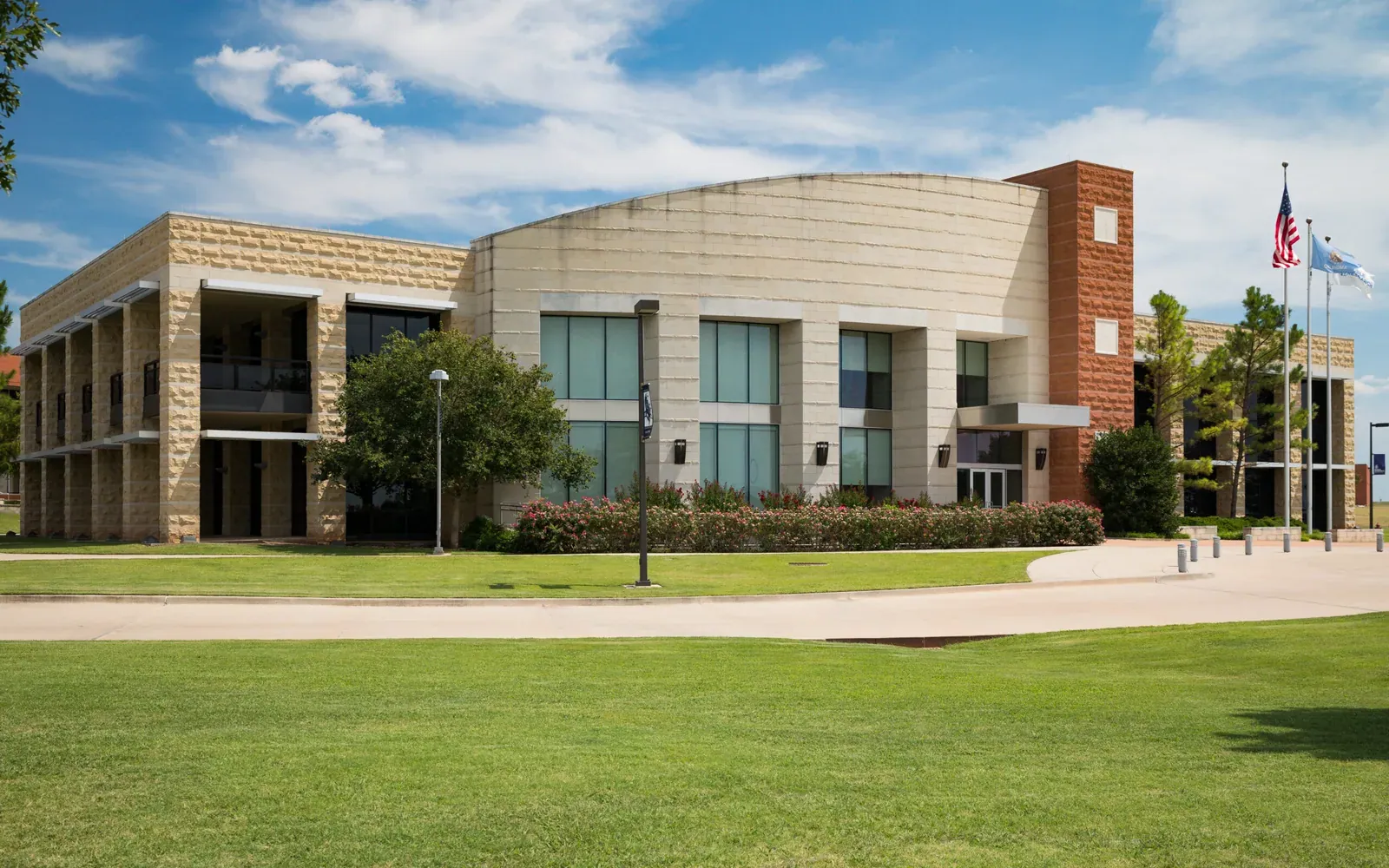 Photo: Noble Research Institute
Noble Research InstituteNoble Research Institute in Ardmore, Oklahoma is an independent agricultural research organization focused on regenerative ranching. Its channel publishes grazing demonstrations, soil health explainers, rancher profiles and previews of courses such as Noble Grazing Essentials, much of it filmed on its own ranches in southern Oklahoma.Visit site
Photo: Noble Research Institute
Noble Research InstituteNoble Research Institute in Ardmore, Oklahoma is an independent agricultural research organization focused on regenerative ranching. Its channel publishes grazing demonstrations, soil health explainers, rancher profiles and previews of courses such as Noble Grazing Essentials, much of it filmed on its own ranches in southern Oklahoma.Visit site
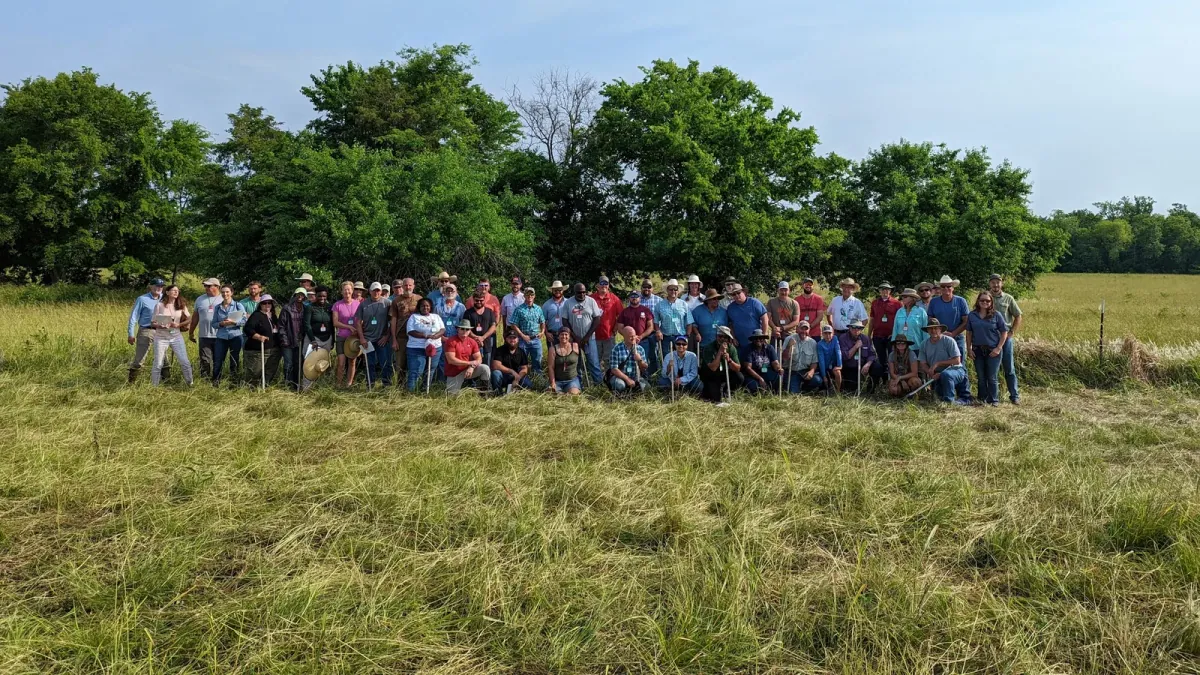 Photo: Soil Health Academy
Soil Health AcademyThe nonprofit school whose instructors include Ray Archuleta, Doug Peterson, Kent Solberg and Jeremy Sweeten posts farmer stories, recaps of its on-farm regenerative agriculture schools and short lessons on the soil health principles. Videos feature producers across the US who cut inputs and rebuilt soil function, and the academy's instructors explaining grazing, cover crops and diversity.Visit site
Photo: Soil Health Academy
Soil Health AcademyThe nonprofit school whose instructors include Ray Archuleta, Doug Peterson, Kent Solberg and Jeremy Sweeten posts farmer stories, recaps of its on-farm regenerative agriculture schools and short lessons on the soil health principles. Videos feature producers across the US who cut inputs and rebuilt soil function, and the academy's instructors explaining grazing, cover crops and diversity.Visit site
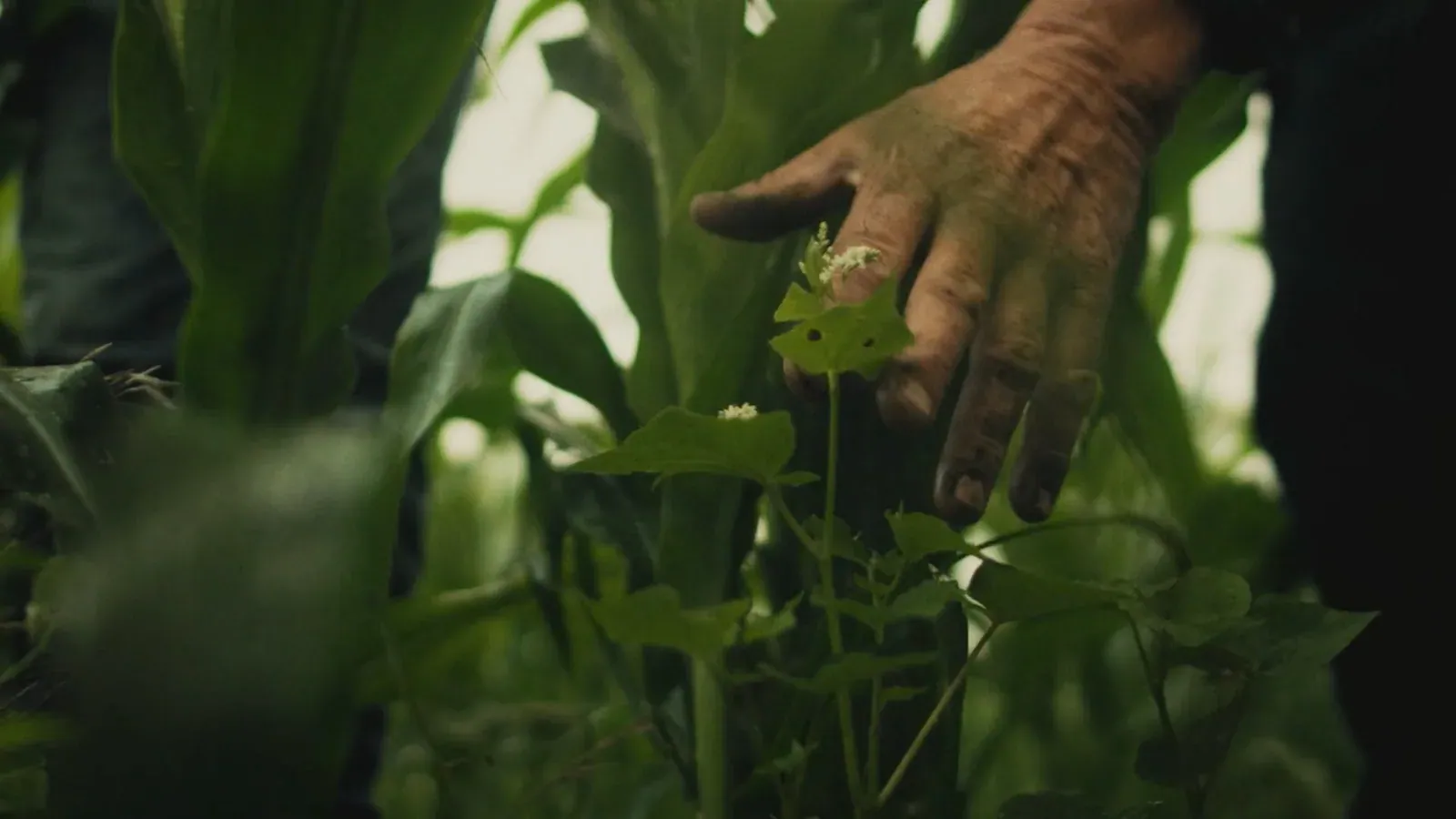 Photo: Farmer's Footprint
Farmer's FootprintFarmer's Footprint is a nonprofit storytelling initiative, a program of the 501(c)(3) Project Biome, built on the work of physician Zach Bush. Its films and short videos follow farmers through the transition to regenerative practice, starting with the award-winning Regeneration: The Beginning (2019) on a family farm leaving chemicals behind, and connect soil health to human health and rural communities.Visit site
Photo: Farmer's Footprint
Farmer's FootprintFarmer's Footprint is a nonprofit storytelling initiative, a program of the 501(c)(3) Project Biome, built on the work of physician Zach Bush. Its films and short videos follow farmers through the transition to regenerative practice, starting with the award-winning Regeneration: The Beginning (2019) on a family farm leaving chemicals behind, and connect soil health to human health and rural communities.Visit site
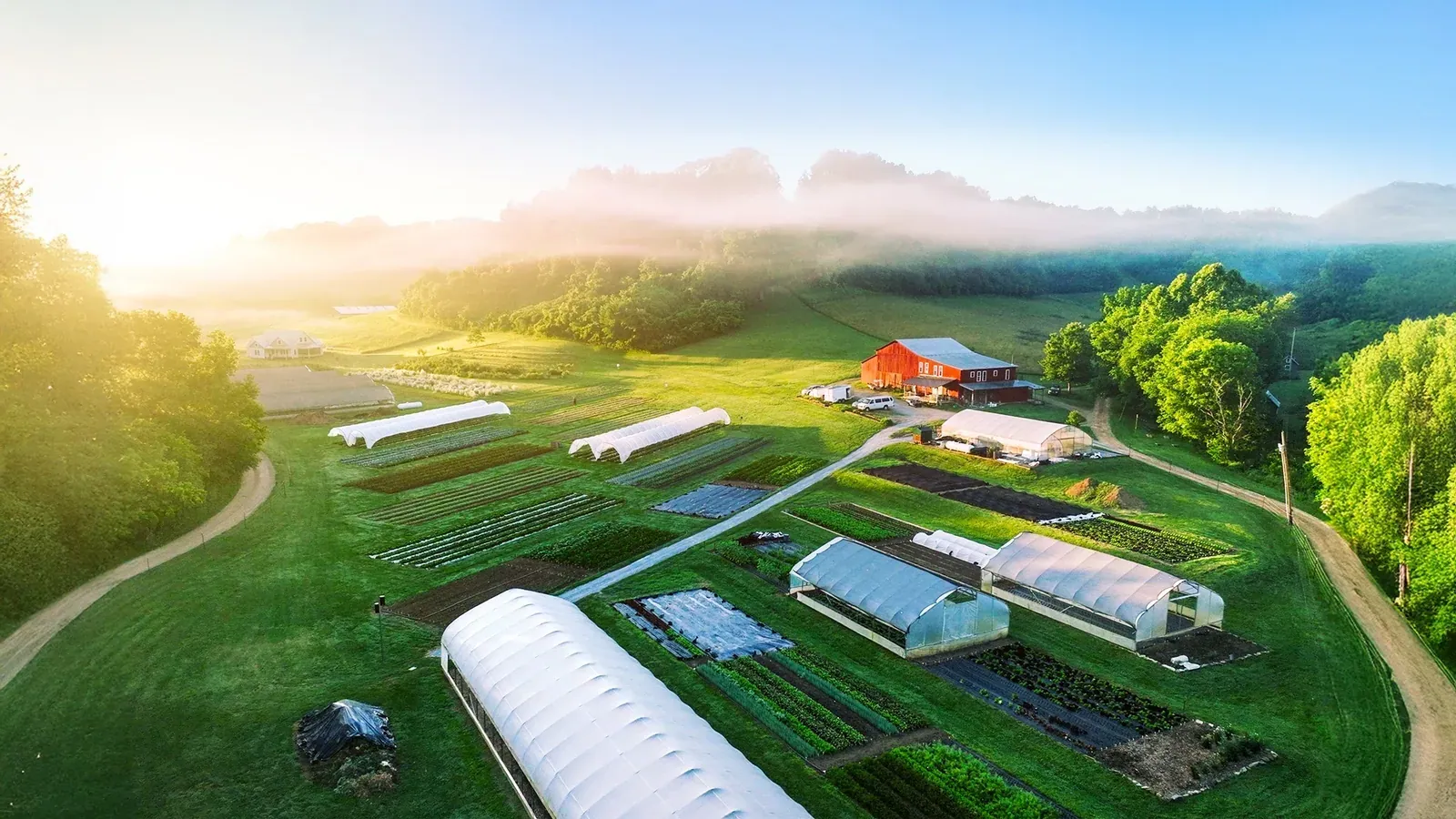 Photo: Farmers Friend
Farmers Friend: The Good LifeThe farm-tour channel of Farmers Friend, the Tennessee maker of caterpillar tunnels, row cover, harvest tools and wash stations for small farms. Episodes visit market gardens and flower farms, walk through high tunnel builds step by step and ask growers why they farm; the company keeps a second channel for product demonstrations.Visit site
Photo: Farmers Friend
Farmers Friend: The Good LifeThe farm-tour channel of Farmers Friend, the Tennessee maker of caterpillar tunnels, row cover, harvest tools and wash stations for small farms. Episodes visit market gardens and flower farms, walk through high tunnel builds step by step and ask growers why they farm; the company keeps a second channel for product demonstrations.Visit site
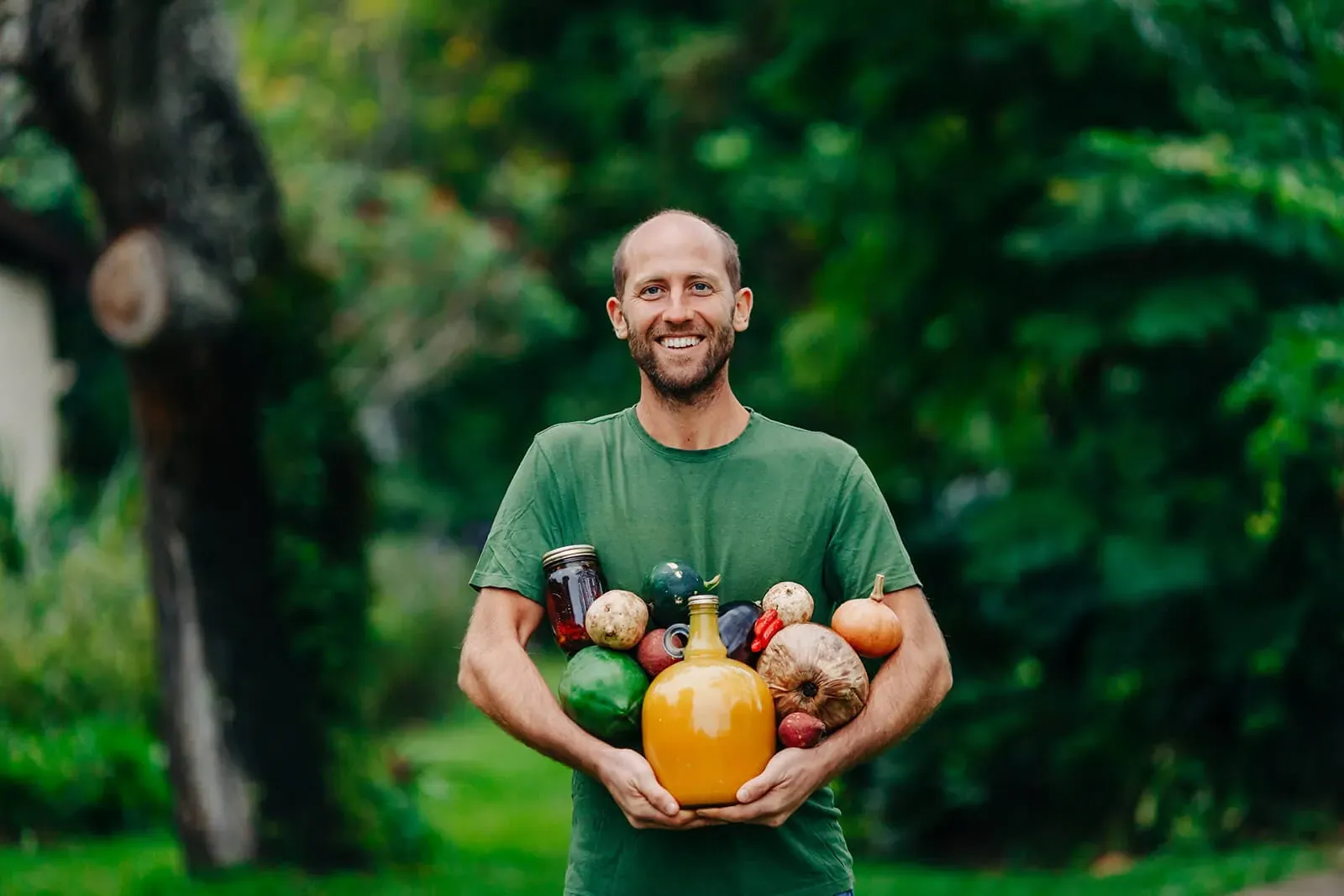 Photo: Robin Greenfield
Robin GreenfieldRobin Greenfield, formerly Rob Greenfield, is an American activist who films long experiments in food self-sufficiency: a year eating only foraged food, which ended in October 2026, foraging schools and walks, and community projects such as Community Fruit Trees, Seeds for the People and Gardens for the People run through his nonprofit Regeneration, Equity and Justice.Visit site
Photo: Robin Greenfield
Robin GreenfieldRobin Greenfield, formerly Rob Greenfield, is an American activist who films long experiments in food self-sufficiency: a year eating only foraged food, which ended in October 2026, foraging schools and walks, and community projects such as Community Fruit Trees, Seeds for the People and Gardens for the People run through his nonprofit Regeneration, Equity and Justice.Visit site
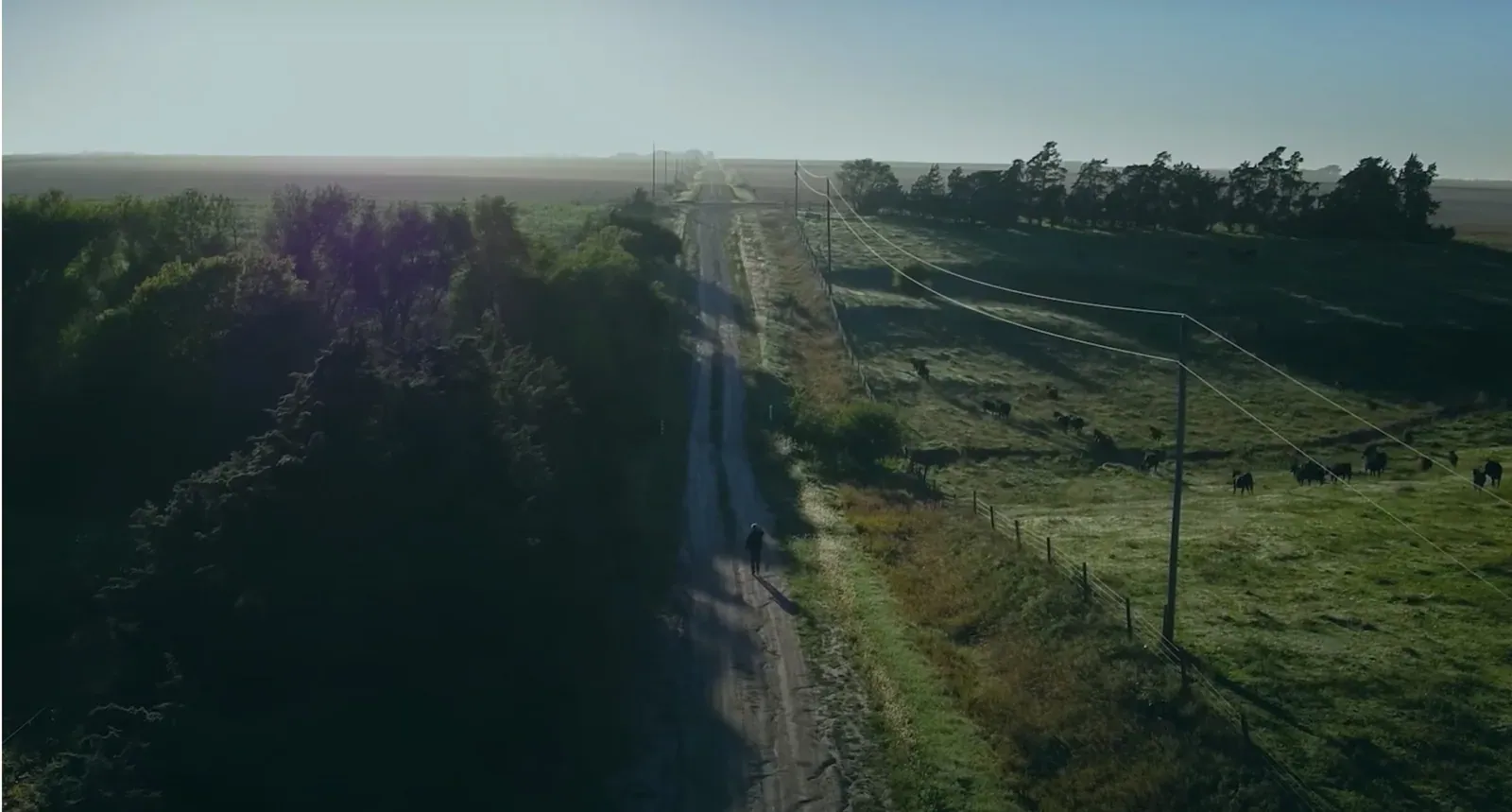 Photo: Soil Health Institute
Living SoilA documentary from the Soil Health Institute on the farmers, scientists and policymakers rebuilding soil across American farmland, released in 2018 and free to watch on the institute's channel with subtitles in more than twenty languages. It explains why living soil is the foundation for food, clean water, carbon storage and biodiversity, and shows growers putting that into practice.Visit site
Photo: Soil Health Institute
Living SoilA documentary from the Soil Health Institute on the farmers, scientists and policymakers rebuilding soil across American farmland, released in 2018 and free to watch on the institute's channel with subtitles in more than twenty languages. It explains why living soil is the foundation for food, clean water, carbon storage and biodiversity, and shows growers putting that into practice.Visit site
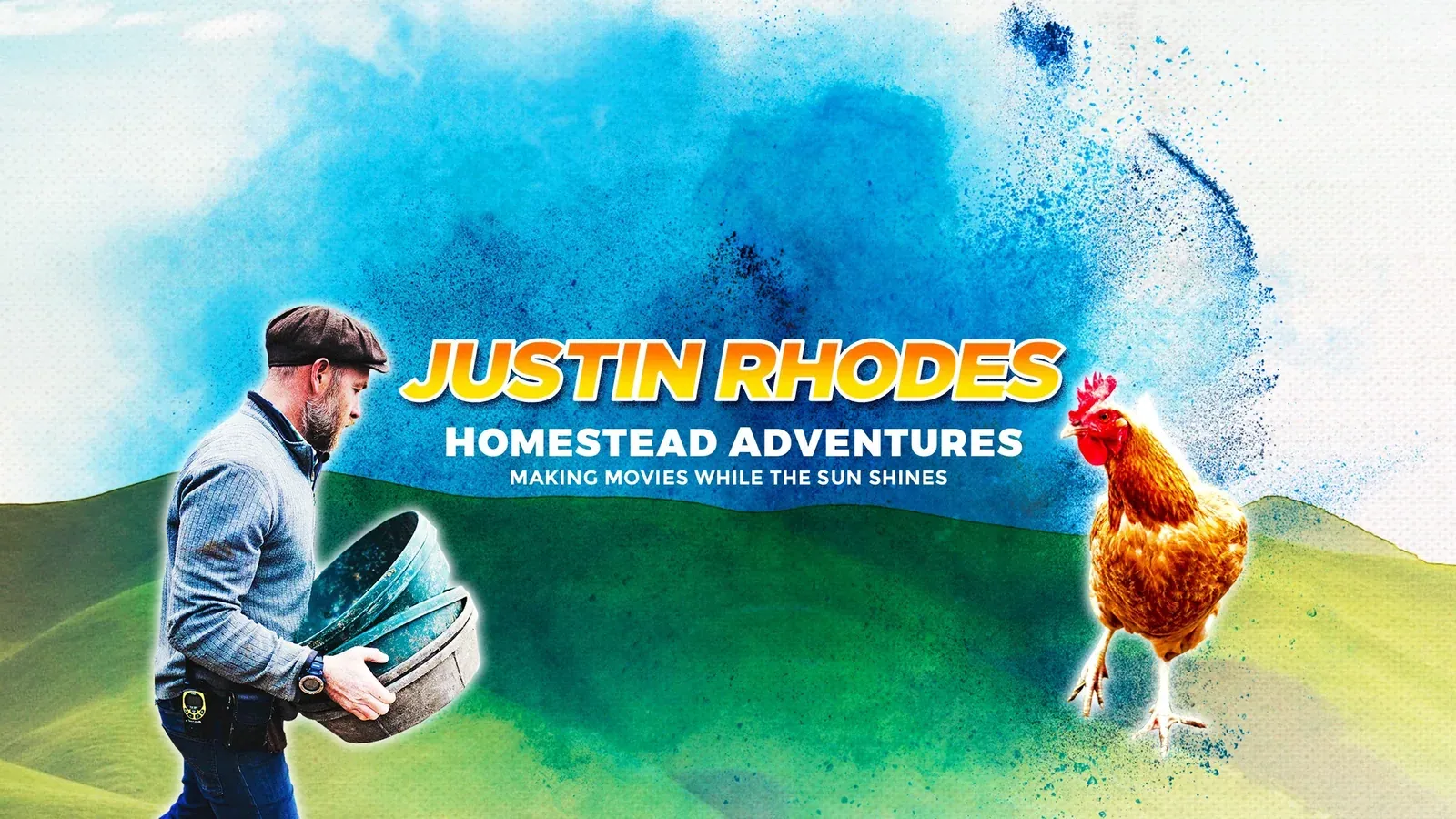 Photo: Justin Rhodes
Justin RhodesJustin Rhodes films daily life on his family's homestead in western North Carolina, where livestock, gardens and simple systems feed a family of seven. The channel mixes step-by-step builds, pastured chickens and pigs, compost, hay buying and garden plastic debates with interviews, including Joel Salatin on American food law, and has more than a million subscribers.Visit site
Photo: Justin Rhodes
Justin RhodesJustin Rhodes films daily life on his family's homestead in western North Carolina, where livestock, gardens and simple systems feed a family of seven. The channel mixes step-by-step builds, pastured chickens and pigs, compost, hay buying and garden plastic debates with interviews, including Joel Salatin on American food law, and has more than a million subscribers.Visit site