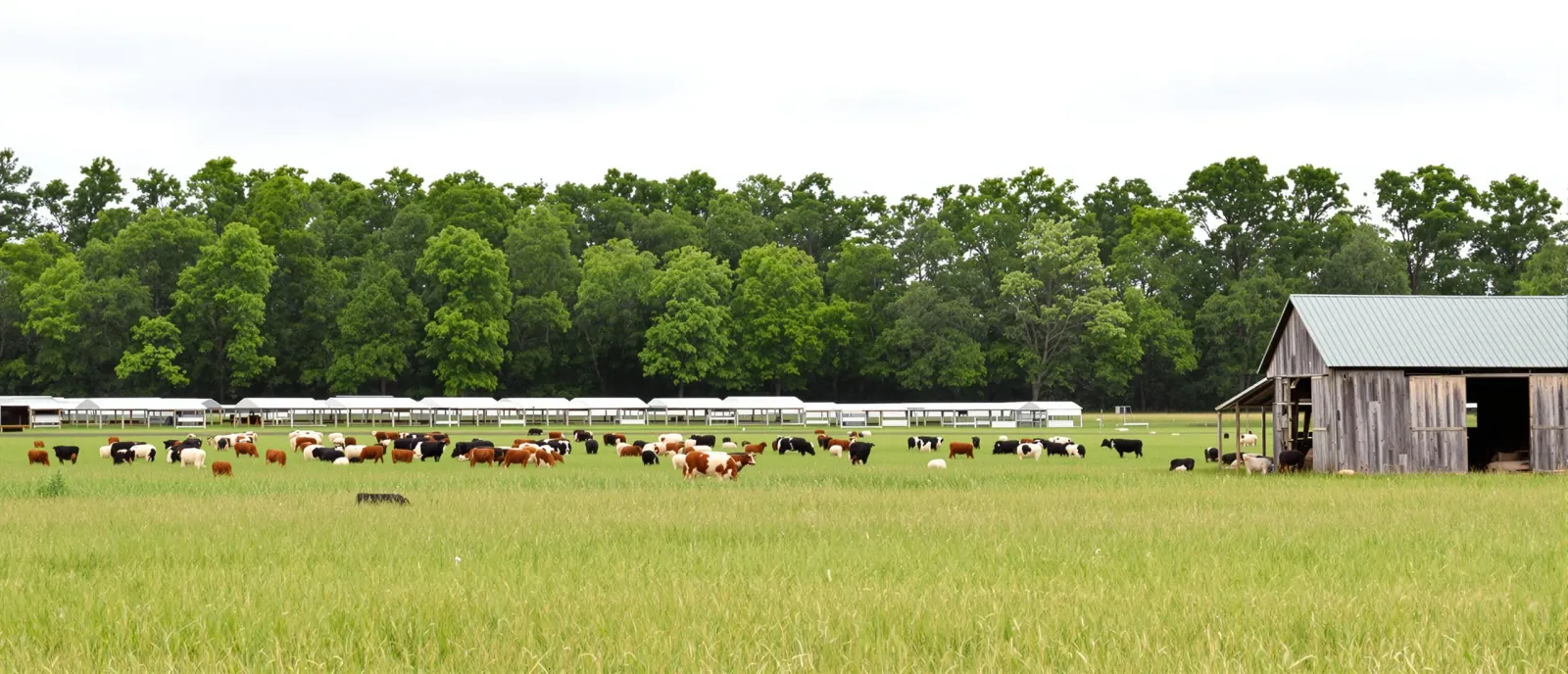
A mixed herd of cattle and sheep grazing a green pasture in front of portable poultry shelters and a hardwood tree line.

Regenerative business case studies

These five US businesses show what regenerative agriculture looks like when it has to pay its own way: a livestock farm, a vineyard, a grain farm, a vegetable farm and a meat snack company. We picked them because each one made a public commitment that outsiders can check, from third-party certification to on-farm processing, and each was still operating when we checked in October 2026. None of them is associated with Ashfount.

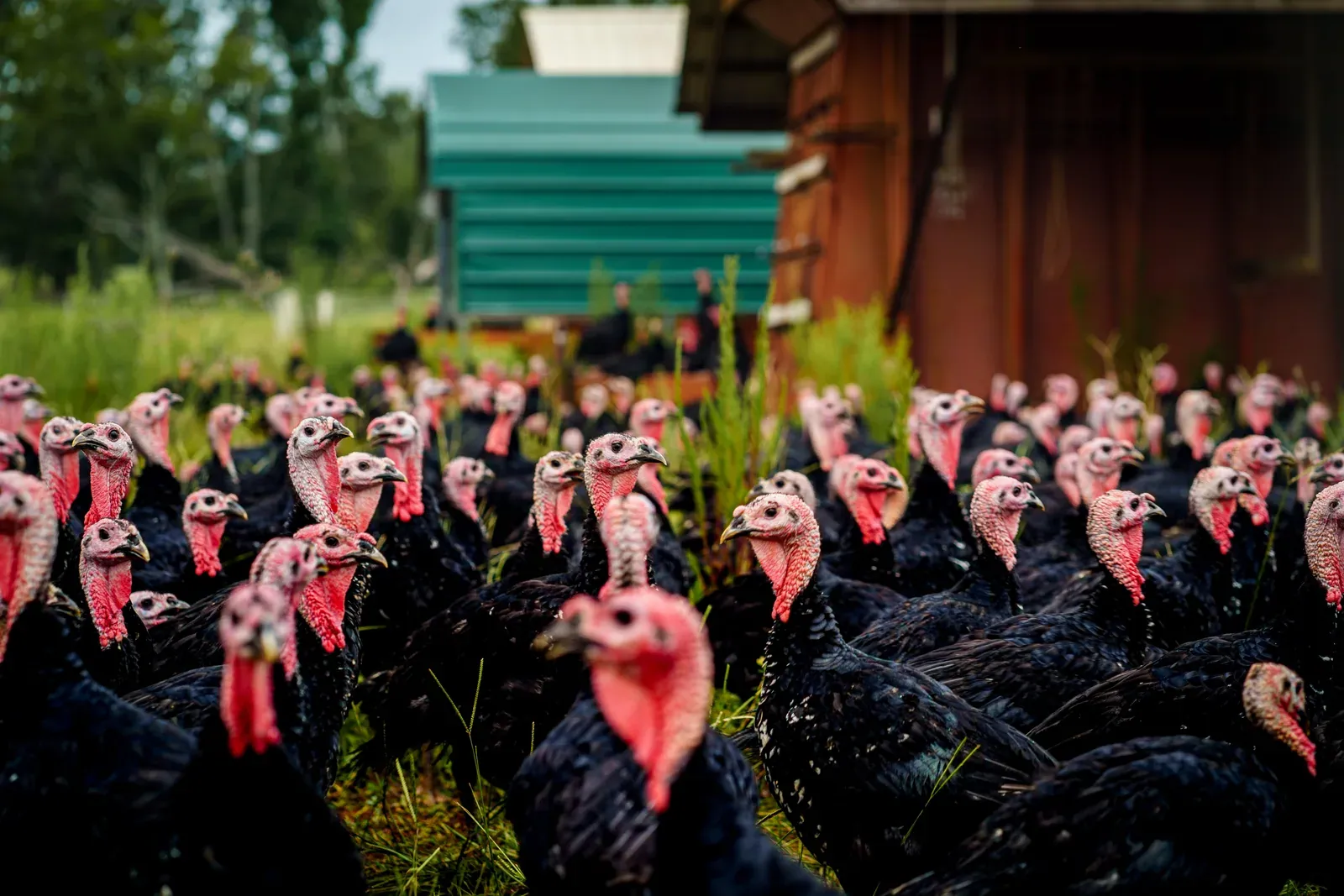
A flock of black turkeys standing in tall grass in front of a green portable shelter and a red wooden barn.
Photo: White Oak Pastures

Bluffton, GeorgiaPasture-raised livestock

White Oak Pastures

White Oak Pastures began moving away from industrial farming in 1995 and now raises cattle, sheep, goats, hogs, poultry and rabbits, rotating the species side by side through its pastures. It slaughters on the farm in its own red meat and poultry abattoirs, runs a zero-waste model that composts inedible remains back onto the land, employs more than 160 people and became one of the Savory Institute's global hubs in 2016.

What to learn from it

Owning the processing step, not just the pasture, let a former commodity cattle farm sell its own meat and earn from every part of the animal, from hides and leather goods to tallow.
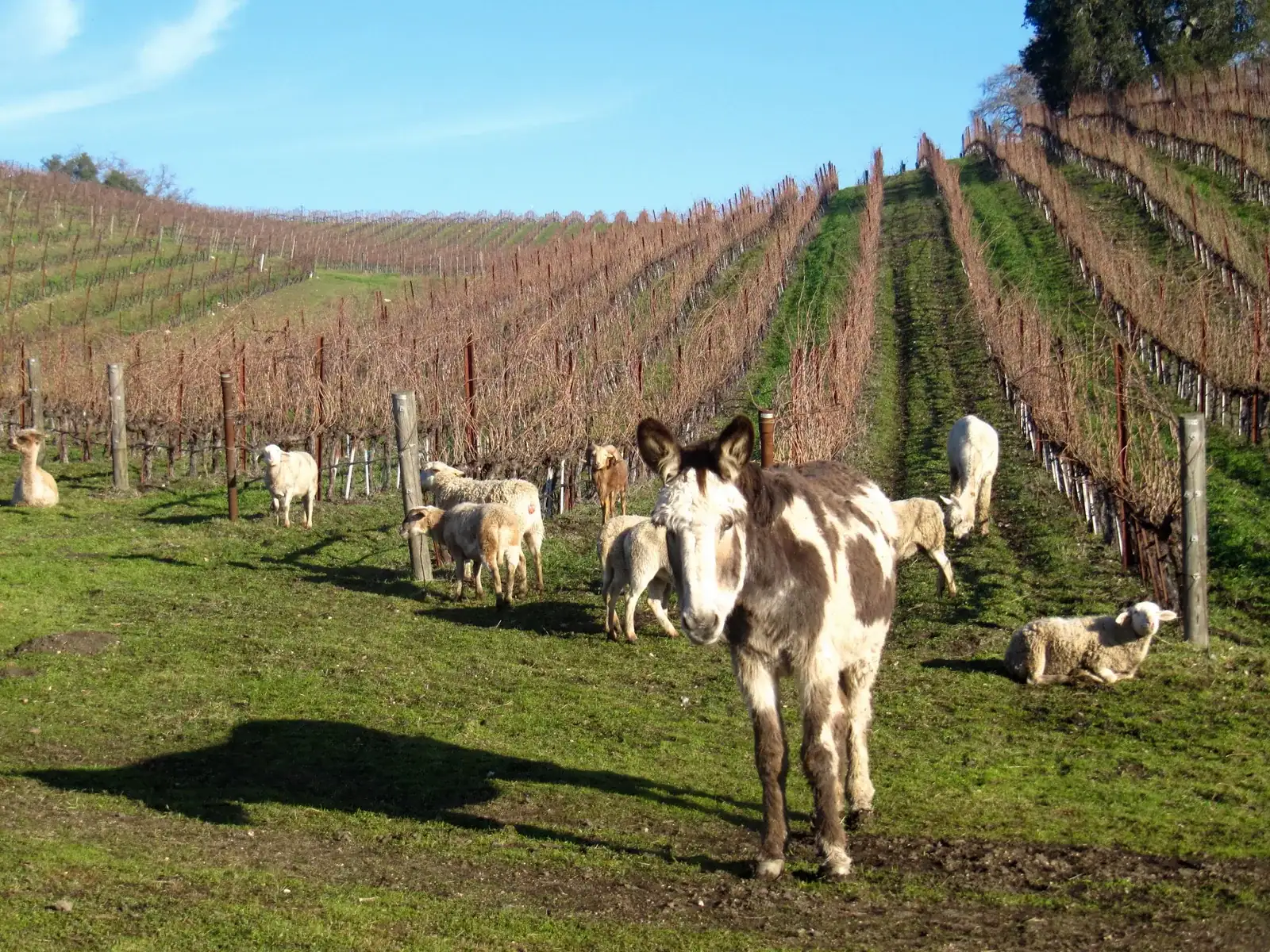

A spotted donkey, sheep and an alpaca grazing on green grass between rows of dormant vines on a hillside.
Photo: Tablas Creek Vineyard

Paso Robles, CaliforniaRegenerative organic vineyard

Tablas Creek Vineyard

Tablas Creek has farmed its estate in the foothills of the Santa Lucia Mountains west of Paso Robles organically since it began in 1989, and it has been certified organic since 2003 and Biodynamic since 2017. In 2020 it became the world's first Regenerative Organic Certified vineyard and in 2022 the first at the gold level, and a mixed herd of sheep, alpacas and donkeys has grazed between the vines since 2012.

What to learn from it

Certification can be built in steps, organic first, then Biodynamic, then Regenerative Organic. The winery also brought its growers along: after years of long-term contracts with partner vineyards, the fruit for its Patelin wines has come only from organic sources since the 2024 vintage.

A field of ripening small grain in front of a dense green tree line.
Photo: Breathe Deep Farm

Claverack, New YorkRegenerative organic grains

Breathe Deep Farm

Breathe Deep Farm was founded in 2015 by a few farmers, a land trust and a group of aligned funders to build a regenerative grain corridor in Columbia County, in New York's Hudson Valley. Through partnerships with neighboring landowners it now farms more than 735 acres, every crop it sells is Regenerative Organic Certified, from feed soybeans and corn to food and beverage grade rye, barley, oats, corn and wheat, and a 2018 conservation easement protects all 400 acres of its home farm.

What to learn from it

A mid-sized farm can reach well beyond its own fields: leasing neighbors' land, protecting the home farm with a land trust, and working on regional certification, marketing and value chains gives a grain farm a market it could not build alone.

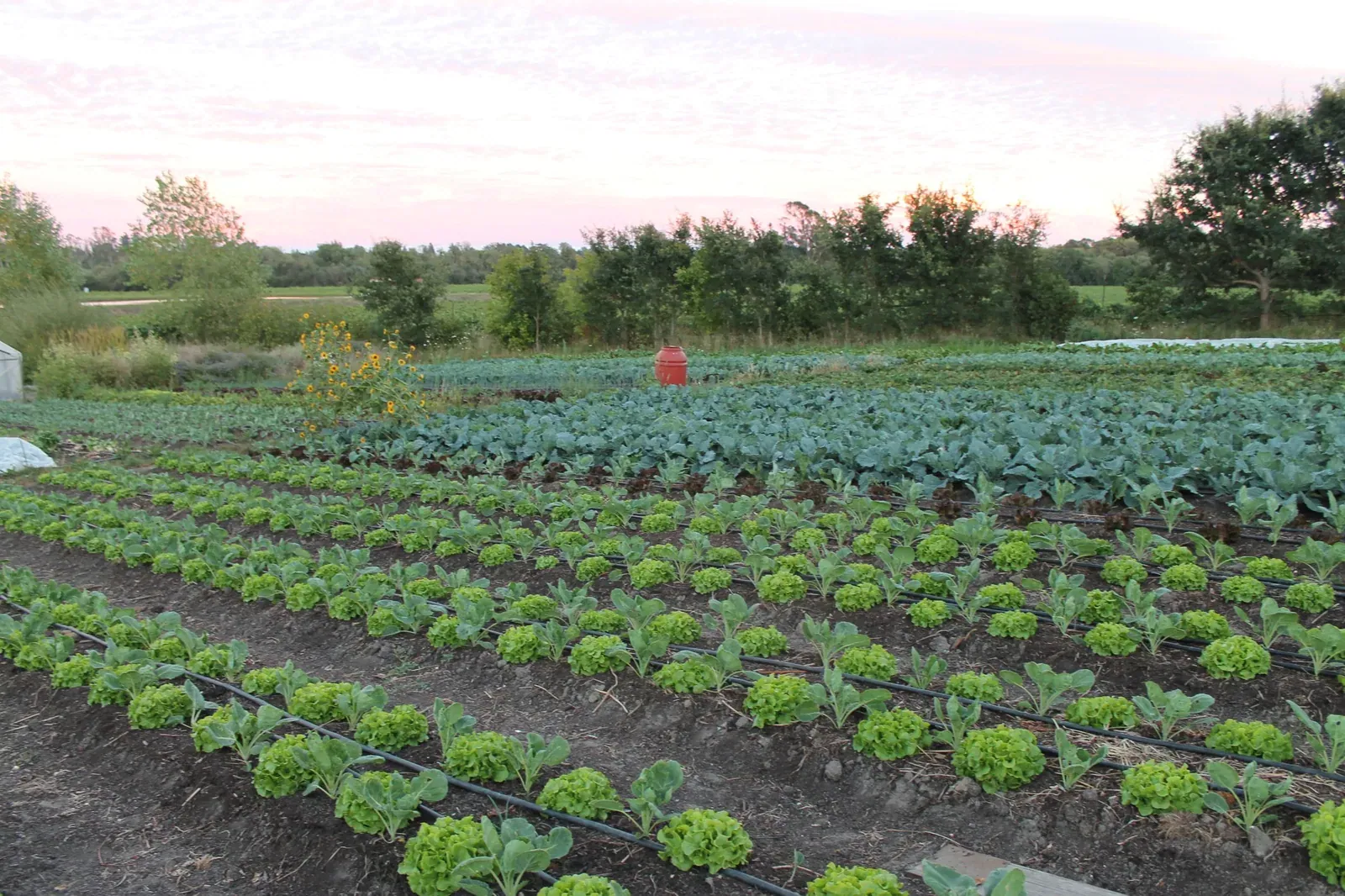
Intensively planted no-till beds of lettuce and young brassicas on drip lines at Singing Frogs Farm, with trees on the field edge
Photo: Singing Frogs Farm

Sebastopol, CaliforniaNo-till vegetable farm

Singing Frogs Farm

Elizabeth and Paul Kaiser run Singing Frogs Farm in Sonoma County as an intensive, no-till, non-mechanized vegetable and flower farm, a system they have farmed year-round for more than 15 years. They use no sprays of any kind, not even organic ones, keep a year-round crew of about four to eight people instead of seasonal hires, and sell through vegetable and flower CSAs, farmers markets and restaurants.

What to learn from it

Intensity can stand in for scale. By keeping beds planted and never tilling, the farm reports a four- to fivefold increase in soil carbon and gross sales of over $160,000 per acre, and much of its income comes straight from the households in its CSA.

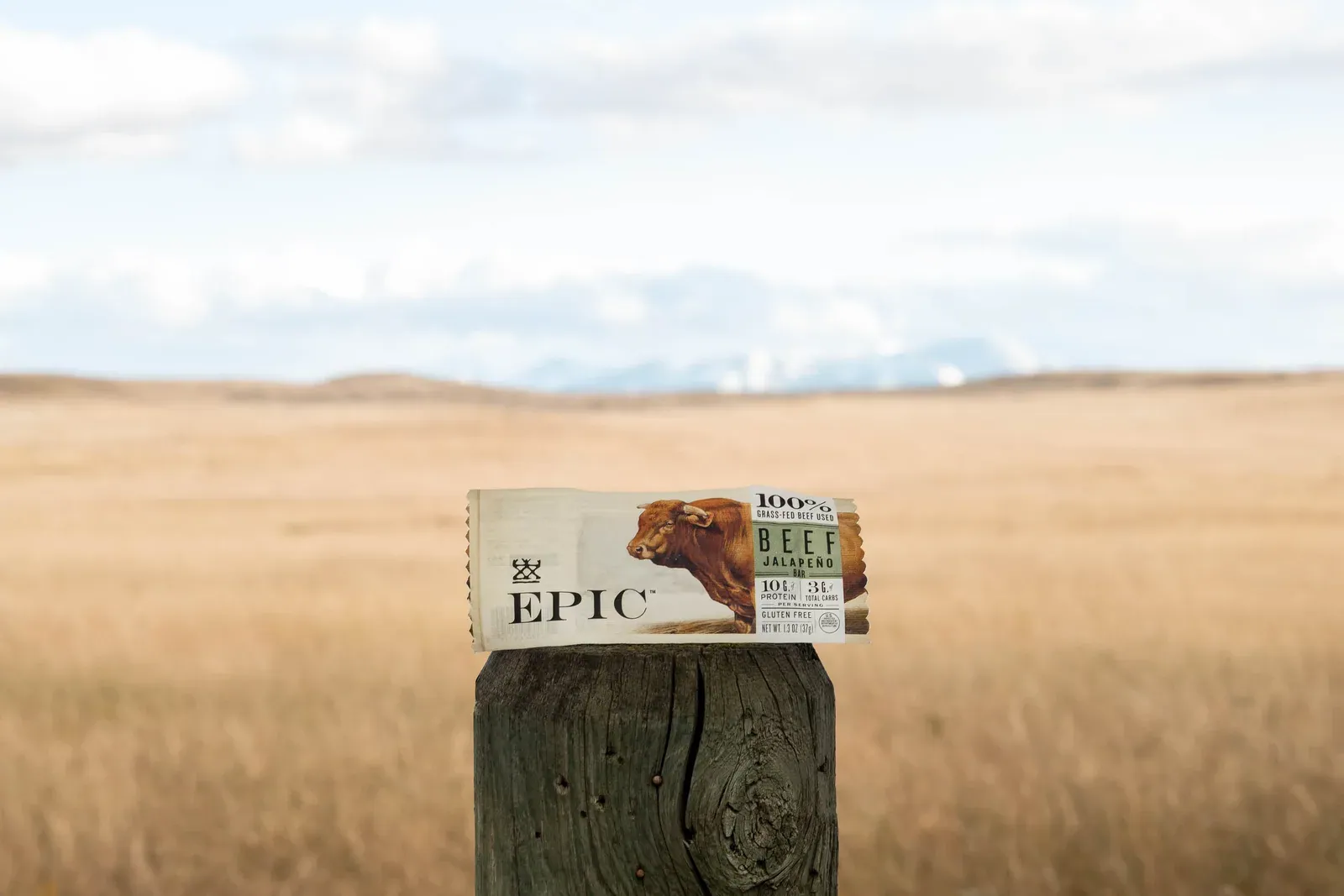
An EPIC Beef Jalapeno bar resting on a wooden fence post in front of open golden grassland and distant mountains.
Photo: EPIC Provisions

Austin, TexasMeat snacks brand

EPIC Provisions

Taylor Collins and Katie Forrest launched EPIC Provisions in Austin, Texas, in 2013 with a meat, fruit and nut bar, and General Mills bought the company in 2016. Its range now runs from bars such as the Bison Bacon Cranberry, made with 100% grass-fed bison and uncured bacon, to bites, bone broth, animal fats and pork skins, and it sponsors the Savory Institute and partners with its Land to Market program.

What to learn from it

A brand that buys its meat rather than raising it can still push for regenerative outcomes: EPIC says it seeks out and rewards ranchers who practice holistic land management, and it partners with the Savory Institute's Land to Market program.

Looking for more businesses like these? The Farms and Ranches and Food Brands directories list working operations across the country, and what we do explains how we help farms and brands build the same kind of story and business.