
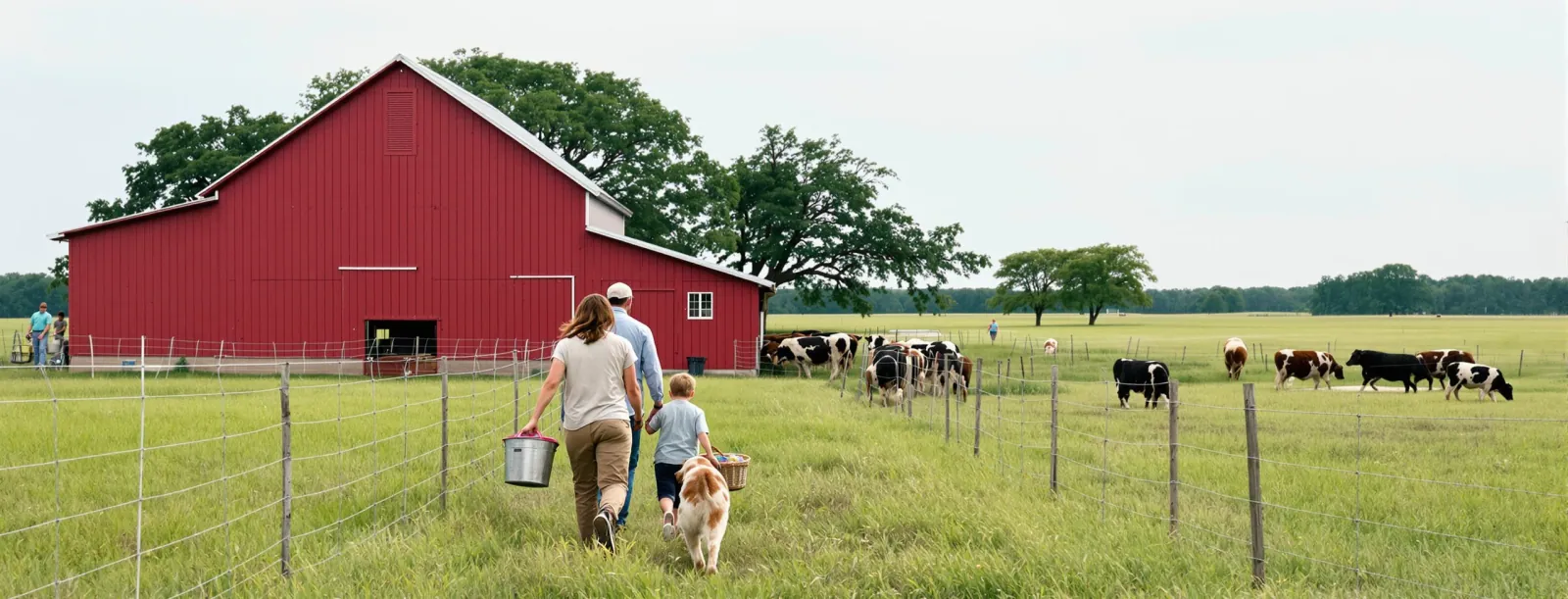
At Ashfount, we believe every farm and food business should have family at its heart. Starting an agricultural business is hard, and it is easy for the people doing the work to pay for it at home. Every farmer, worker, customer and partner has a family behind them.
We believe in family first. For us that starts with a work life that leaves room for a life: people paid enough to support themselves and the people closest to them, and hours that let them be there. When we advise a farm or food business, this is part of the conversation from the start.
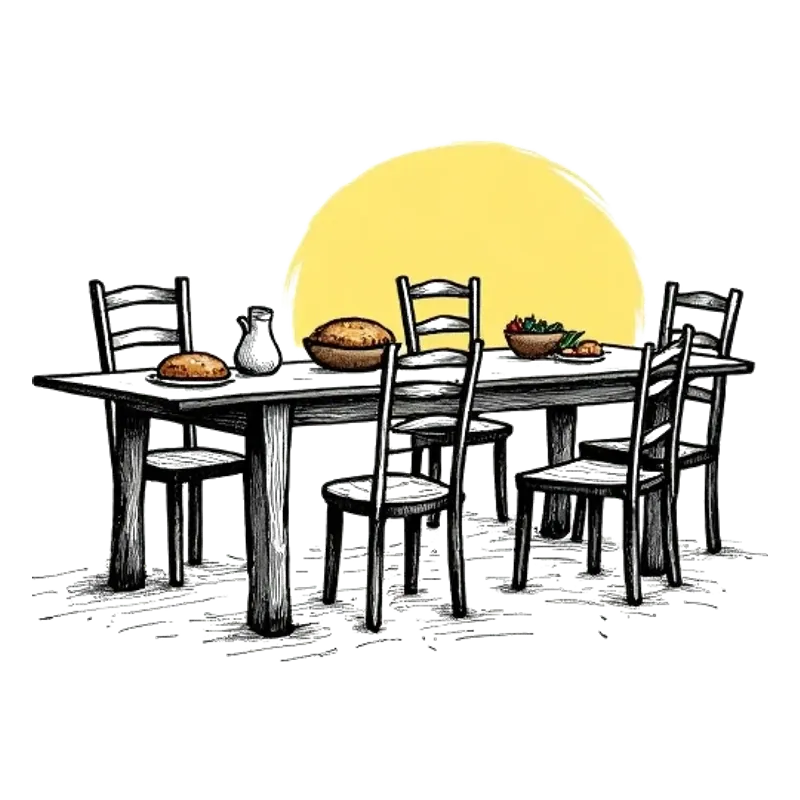
We see every worker not as a commodity, but as an integral member of the business. A viable business needs people who are healthy and able to thrive at home and at work. That means hours that are not anti-social, time for a family dinner, and flexibility when a family situation calls for it. We encourage the farms and food businesses we work with to extend that to everyone on their crew.
This is an ethical position as much as a practical one. We all rely on others along the way, and that gives meaning to the everyday. We write about who harvests America's food because the people doing that work deserve a proper wage, a healthy life and a real place in the business.
What family means to us
Family gives purpose and vitality to the everyday. It means more than one household: it means the families of farmers, of farmworkers, of the cooks and shop staff who bring good food to the table, and of the customers who buy it. It means togetherness, community and looking after each other. When we tell a farm's story, we want to show the people and families behind it, not just the product they sell.
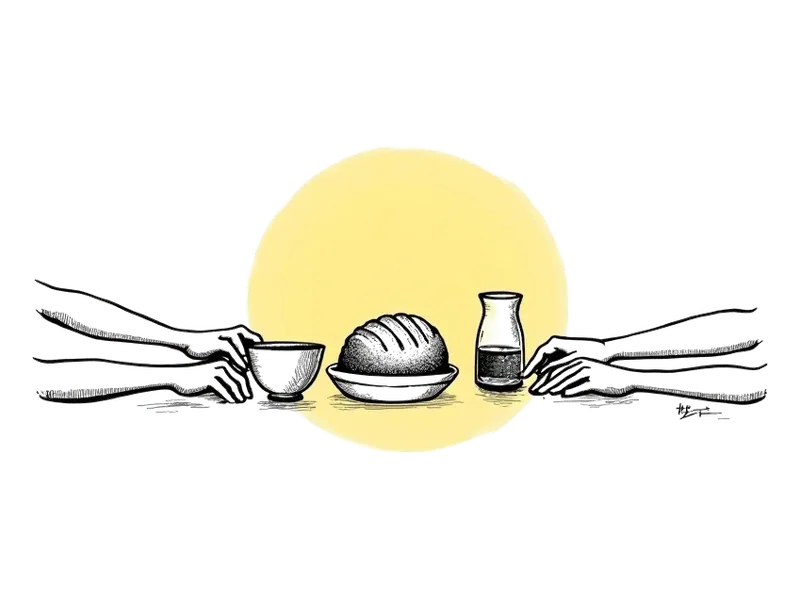
Work, distance and stress pull families apart. We believe that reconnecting those bonds makes for better working conditions and for businesses that last. That is the same long view we argue for in Think Long-Term.
Overworked and underpaid
Much of what holds farm labor back comes down to workers' rights and recognition. Farmwork is essential, yet it is often low paid, seasonal and unstable, with long hours that leave little time for family. It is also a large share of the world's work: according to the FAO, 26.1% of the world's workers were employed in agriculture, forestry and fishing in 2023.
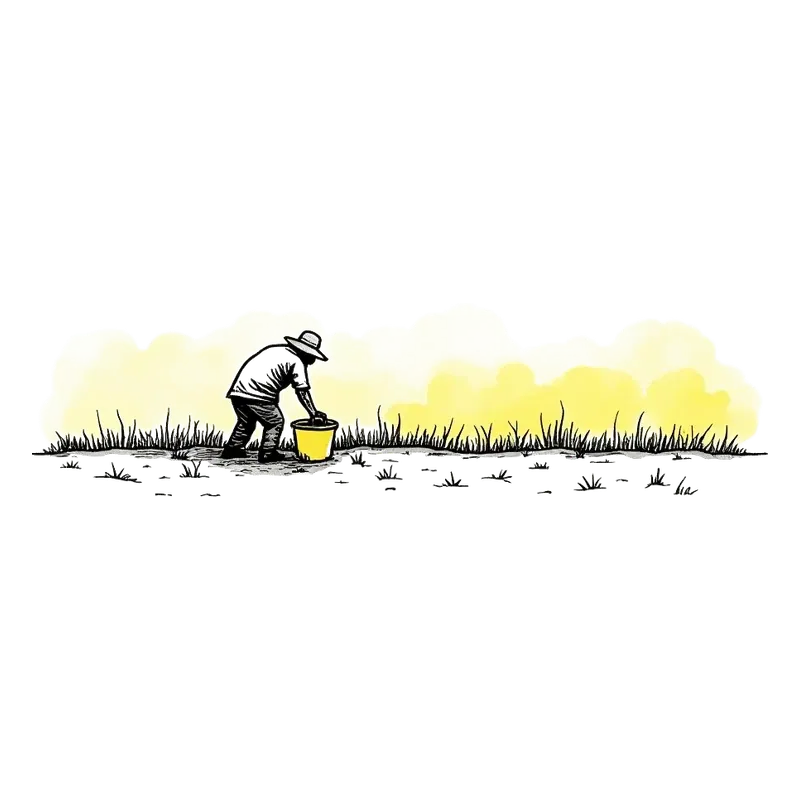
American farmworkers organized because of poor pay and hard conditions. Cesar Chavez led farmworkers on the West Coast, from Southern California up to Sacramento, and that movement grew into the United Farm Workers, a national organization that represents its members today. It won recognition that farmworkers are essential to a nation's food security.
There is still a long way to go. The U.S. Department of Labor's National Agricultural Workers Survey 2019-2020 found:
"A fifth of crop workers had below-poverty-level incomes (20%), and less than half had health insurance (48%)."
Farmworkers also carry real physical risk, and we write about what it takes for a farm to keep its crew safe in extreme heat. People who are worn down cannot help a farm change. That is why the people doing the work belong at the center of any regenerative plan.
Honestly priced food
Margins are tight, and too many producers price themselves "competitively". Cheaper prices to win customers are paid for by the honest, hard labor of the farmer and the crew. We believe in food that is honestly priced, so that farmers and workers earn a fair wage.
That starts with numbers, which is why we encourage every farm to know its cost of production before setting a price. A price that does not cover fair wages is not a bargain: someone on the farm is paying the difference.
We would rather see properly paid workers and farmers than large profits for a few. Fairly paid people are more resilient and healthier, and they stabilize their communities and local economies. If we want to feed people more sustainably, that has to include the way we work.
Time for family
We know how hard it is to work on a farm or in a young food business, and how easy it is to give up time with family. The work can quietly crowd out the things that matter most. So when we work with a farm, we help it find a workable work-life balance, because happy, healthy people are good for business.
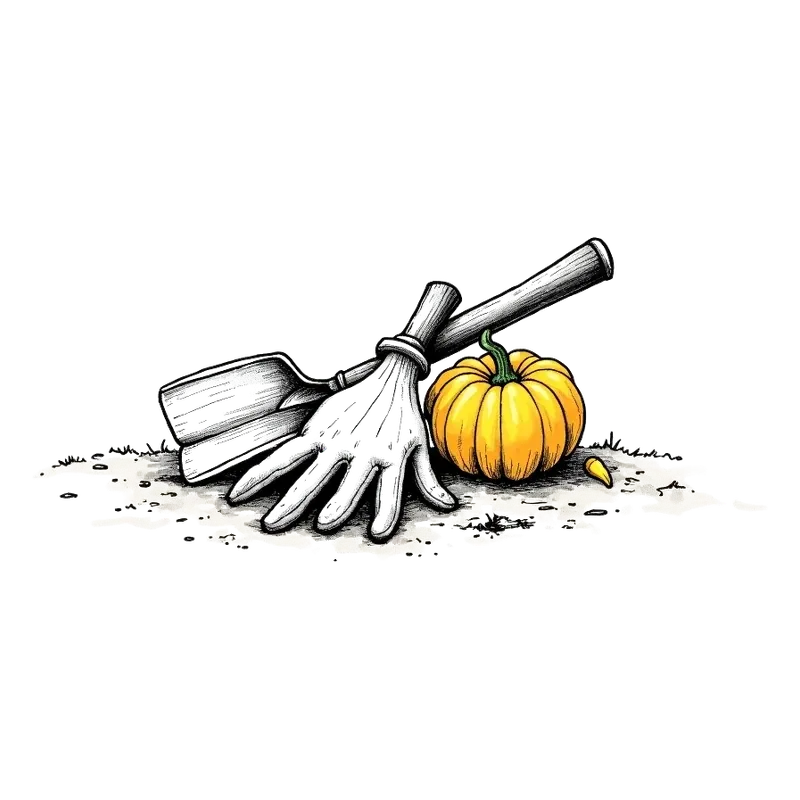
People work better when they have time with the people they love and feel supported and appreciated. In practice, we recommend minimizing anti-social hours, decent housing for seasonal crews, and support that helps workers and their families live healthy, safe lives.
This adds up to businesses with steady, long-term growth. Rest and family time build stronger foundations than burnout does, for the family, the farm and the business alike. A farm that grows a little slower but keeps its people will, over time, be more robust than one that runs them into the ground.
Transparency with the people we work with
We believe in transparency in every partnership. Before we take on work, we ask how a business treats its people and who it buys from, and whether those values match ours. We would rather support businesses that take responsibility for their part in the industry than ones that cut corners or look away.
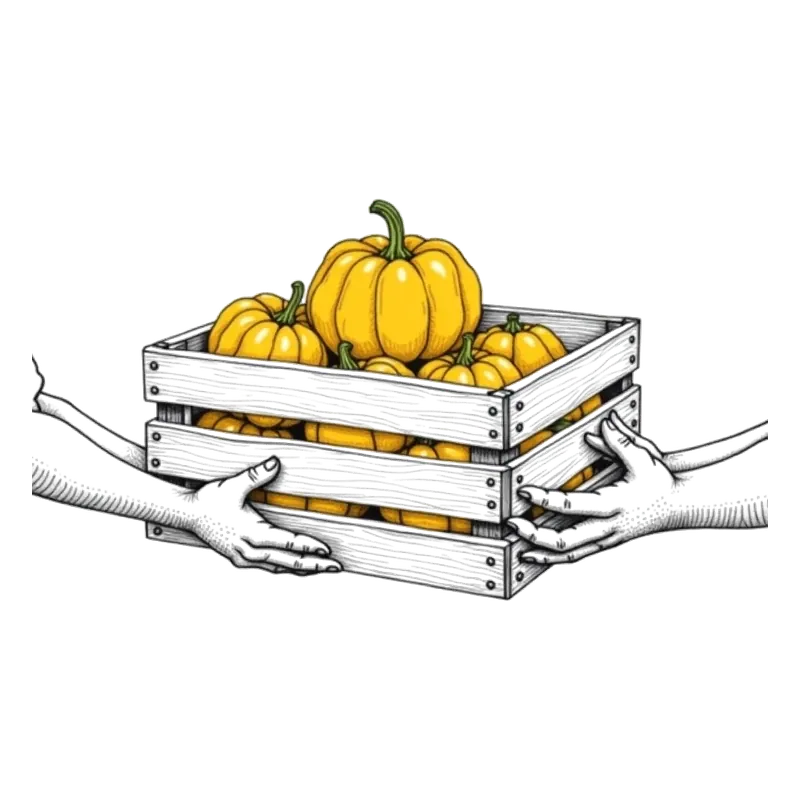
The questions we ask are simple:
- Are the people on the farm or in the kitchen paid enough to support a family?
- Are the hours reasonable, and is there flexibility when a family needs it?
- Does the business know who grows and handles what it sells, and how they are treated?
- Is it willing to change where the answers fall short?
We do this through direct, constructive conversations with each party, looking for a shared framework that keeps the whole chain healthy. It is part of what we do for every client, and the independent case studies show how farms and food businesses handle it in practice.
Beyond the farm gate
Nurturing families does not stop with the people on the farm. Good food, grown with care for the land, reaches families at home, in restaurants and in communities further away. That is why we care about sustainable food businesses: their impact on people's health reaches far beyond their own crew, and it is the reason we act local.
We believe in families eating together, and eating well together. Every meal shared around good food is a small step toward healthier households.
Education is key. We tell the stories behind good food and point people to the podcasts, blogs and videos that explain how our food system works. Building food literacy makes healthy food more accessible, rewards farmers who use regenerative practices, and helps people make confident choices for themselves and their families.
We take our part in this seriously, for the farms and businesses we advise, their crews and their communities. We believe that change begins at home.