

The smartphone in every pocket has changed how people find food and the people who make it. A customer can come across a farm, a butcher or a bakery almost by accident, through good marketing or a lucky search. Yet technology is still often treated as the opposite of artisanship, as if the two could not share a kitchen.
At Ashfount, we believe the right technology can simplify the processes behind a food business and help artisans do what they do best. That might be raising cattle, running a restaurant, or making the best small-batch vinegar money can buy. The tools should serve the craft, not the other way around.
Simplification means several things to us. It means distilling processes so they work well and leave more time for the real work of growing food and feeding people. It means using current tools to cut stress and make it easier for customers to get in touch. And it means helping the farms and food businesses we work with stay clear, competitive and forward-looking while the ground keeps shifting under them.
Technology has moved the food industry forward a long way, a point Entrepreneur magazine made when it described data and new tools changing how food is grown, harvested, bought and eaten, from seed to table. We believe rigorous, forward-thinking food businesses should use these advances to build a symbiotic relationship between technology and artisanship. Systems built to simplify, rather than to add red tape, make a business more accessible and leave room for what matters most: doing what you love.
Losing the human touch
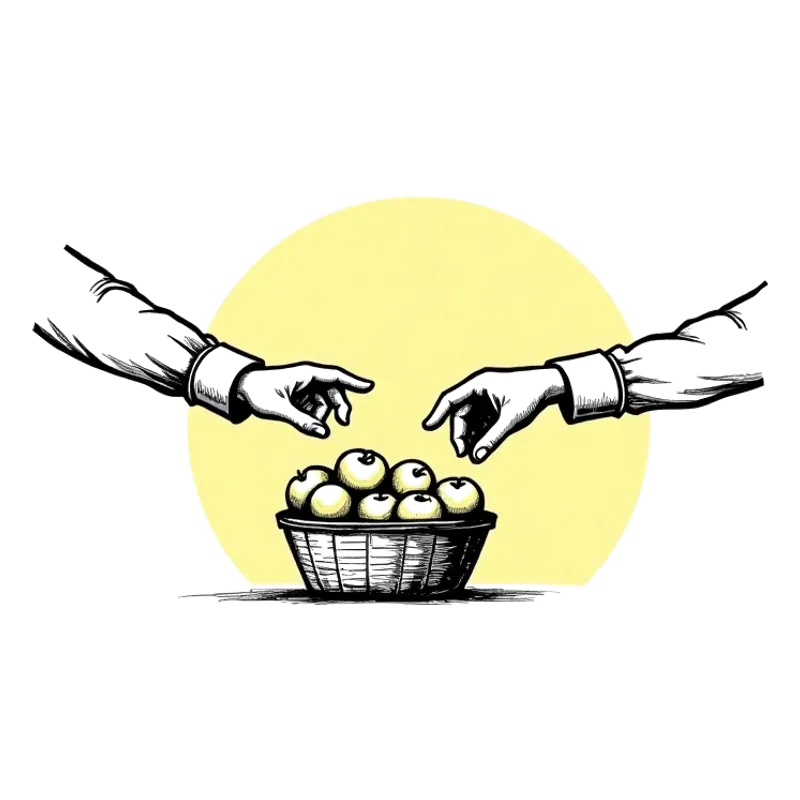
Many artisans and small food makers are wary of bringing more technology into their work. They see it as a threat to the personal side of the business. With everything available online, some producers feel that going back to the good old days, a phone call or a visit to the shop, is the more genuine way to sell.
We understand the instinct, but it is no longer an either/or choice. There is a happy medium where simple systems, aided by technology, make the connection between a business and its customers easier, not colder. A good online order form does not replace the conversation at the farm gate. It makes sure the conversation can happen.
An article in IEEE Technology and Society made the same case. It argued that artisans need an online channel they can run themselves to stay viable next to the large grocery chains, one that handles the business side and gives customers a seamless, reliable way to buy specialty products. That is the point: technology used well gives back time to manage the business and room to grow it in a healthy way.
Keeping the personal touch also takes discipline. The businesses that do it best show up the same way online and in person, which is part of why we believe in being consistent.
Systems without the red tape

Words like "processes," "systems" and "management" make many people think of bureaucracy. Farmers, ranchers and food makers already have plenty of paperwork on their plates, and it gets in the way of the work they actually enjoy. New systems can look like one more hurdle, so many understandably shy away.
We believe well-designed systems do the opposite: they clear space to focus on the business at hand. As part of our consulting work, we help the farms and food businesses we advise set up these systems in direct dialogue with everyone involved, so time and resources go where they count. Clear processes mean clearer communication and less duplicated information and work.
Digital platforms are reducing workloads in nearly every industry. Food and agriculture have been slower to adopt them, but the benefits are no less real. Delivery apps have changed how people order a meal, and Amazon can now deliver fresh groceries within hours of an order. So how does a small business with different values compete with giants like these? We believe specialty producers are strongest when they offer a real alternative that still meets what customers expect from technology.
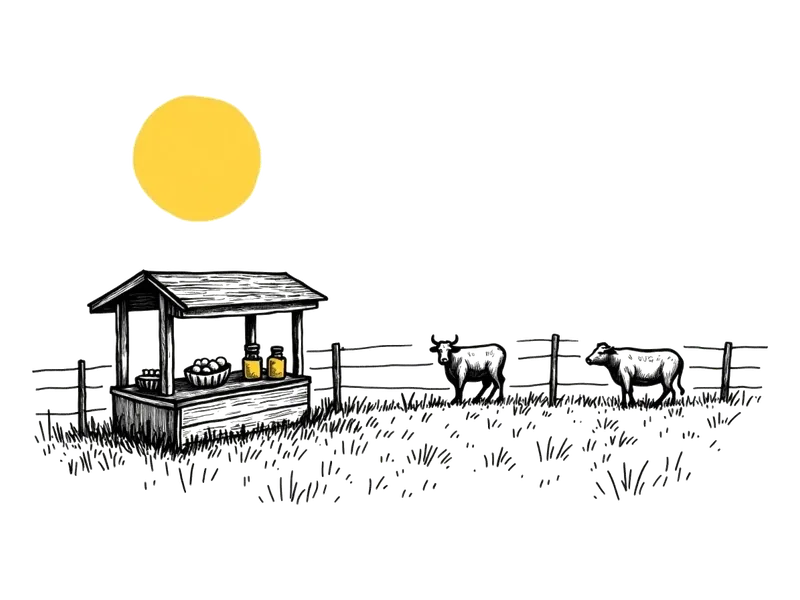
The Paris Innovation Review described online platforms as a new marketplace for agricultural businesses. These marketplaces work much like the traditional farmers' market, and many producers run them alongside their physical points of sale with good results.
CSAs, fishmongers and bakers already use digital tools to manage orders and marketing from a single device. We see this as a good step for food and agriculture because it can remove the middleman, letting farmers and producers keep more of the value they create and earn a decent living. Customers gain too: people who cannot easily get to a market, for physical, practical or financial reasons, can still buy good, local food. Direct access in both directions improves operating costs, pricing and the time spent on management.
The immediate availability of the produce, and of the farmer's or artisan's story, also builds a strong channel for human connection. To us, that is a win for everyone. Technology makes managing resources and reaching customers more direct, and it makes human contact more immediate, not less.
Making the most of innovative times

We believe in using these innovative times to help customers find businesses, and businesses find customers. In our work with clients, we treat technology as an everyday part of communication, marketing and operations rather than something to avoid. Moving with the times is part of long-term survival and of a healthy financial footing that meets customers' expectations. It is also why we think long-term about every tool we recommend.
Fewer steps between a customer and a business make that business far more accessible. It becomes easier to get in touch, and anyone interested can find information right away, without waiting for a call back.
That immediacy gives a farm or food business the chance to introduce itself and its values firsthand. People can understand what a business stands for and buy into the idea of it early on. It simplifies marketing and brings people in directly. It creates a story that can be told and shared, inviting others into a way of life and a way of working, the kind of story you find across the farms and ranches in our directory.
Hand-made, with modern tools
Moving with the times does not mean leaving the past behind. We believe a hand-made approach can live alongside modern technology. Artisanal products, traditional farming methods and sustainable practices can become more accessible and more financially robust when they use tools fitted to the business: tools that keep costs down, make work more efficient and simplify processes. That leaves farmers and makers free to keep doing what they do best, close to their customers and their local community.