
The last week of October brings two kinds of phone calls. One is a family that wants a quarter of beef in the freezer before the holidays. The other is the processor, confirming the dates you booked back in the summer, or telling you there are none left. Selling beef in bulk lives between those two calls. This guide walks through the parts that trip people up: the ways to sell, the weight the price hangs on, the paperwork, the cut sheet, the freezer, and what selling by the cut and by the bundle asks of you.
It is a good fall to get this right. Cattle numbers are tight. USDA counted 87.2 million cattle and calves on January 1, 2024, down 2 percent from a year earlier, with the beef cow herd at 28.2 million head. Wholesale beef has held above last year's prices, and the Economic Research Service's October outlook, published on the 18th, said boxed beef values were showing a "typical preholiday-season boost". A farm with finished animals and a processing date has something people want.
Three ways to sell, and the line the law draws
A small farm sells beef direct in three common ways: by the whole, half or quarter; by the individual cut; and by the bundle, a fixed box of cuts at one price. The first can go through a custom-exempt processor. The other two cannot.
The rule is federal. Under 9 CFR 303.1, custom slaughter is exempt from inspection only when the meat goes back to the owner of the animal for use in the owner's household, and every package is marked "Not for Sale." That is why halves and quarters work: the customer buys a share of the live animal before it goes to the plant, and the processor cuts and wraps that share. Nebraska Extension's July 2024 guide explains that "owner" is read loosely enough to allow several owners of one animal, but ownership has to be settled before the animal is delivered, because the processor keeps records of who owns what it slaughters.
Penn State Extension states the consequence plainly: to sell by the individual retail cut or by the pound, the animal must be harvested at a USDA-inspected facility. In states that run their own meat inspection programs, a state-inspected plant serves the same purpose for sales inside that state, because federal law requires those programs to be at least equal to the federal one and limits the product to distribution within the state. We covered that option and the PRIME Act debate in Local Meat Laws.
One more line not to cross: custom-exempt meat cannot be sold, and cannot be donated to a food bank; it may only feed the owner's household and non-paying guests. If a quarter goes unclaimed, it is your household's beef now, not a food bank's.
Hanging weight and take-home weight
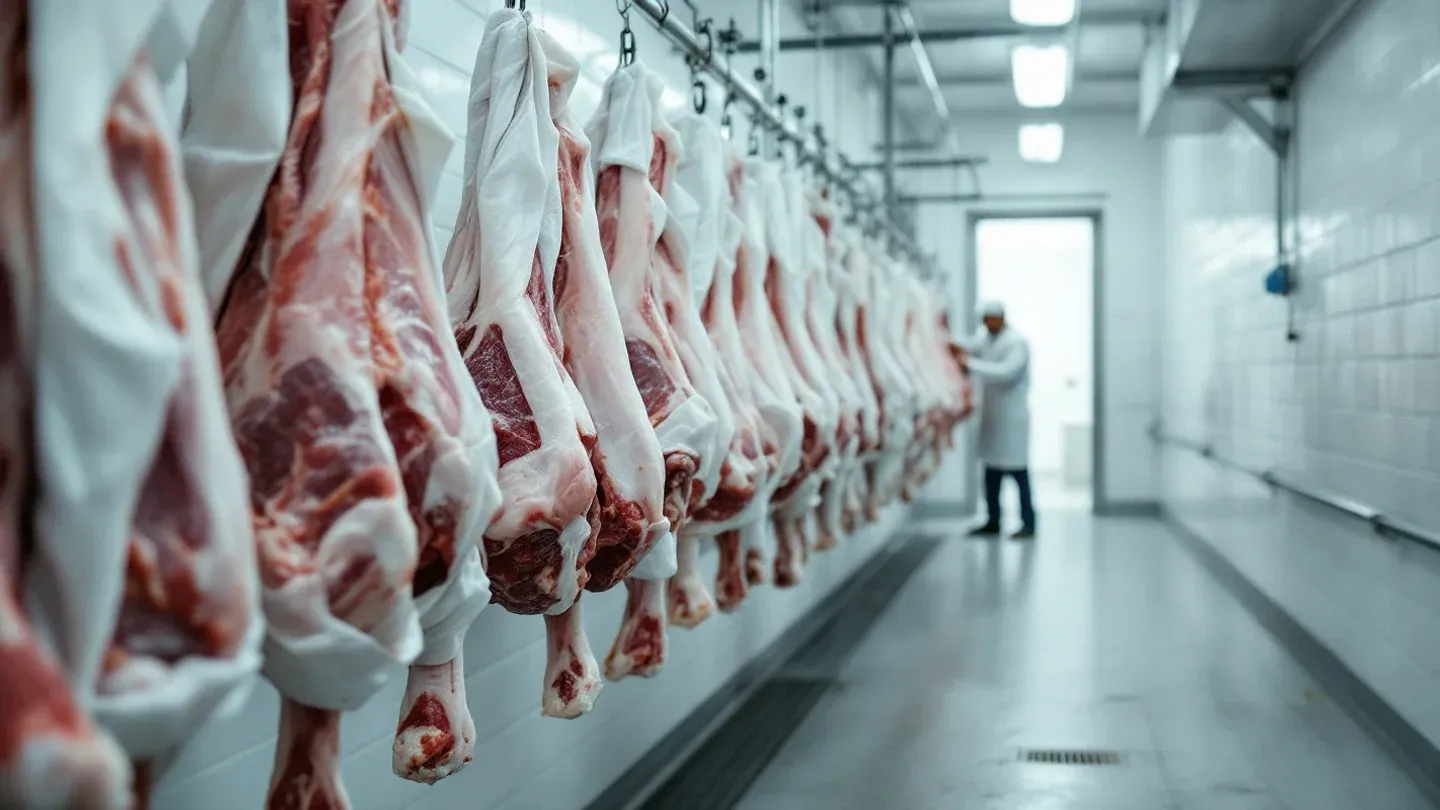
Most of the confusion in bulk beef comes from one gap. The animal weighs one thing on the hoof, something less on the rail, and much less in the freezer.
The University of Wisconsin's extension example is the one to tape to the wall. A 1,200-pound steer dressing at 62 percent gives a 744-pound hot carcass. The carcass loses moisture as it chills, up to 2 to 5 percent in the first day, so call it 718 pounds. At a 67 percent cutting yield, that carcass becomes 481 pounds of take-home beef. A half is then about 359 pounds hanging and about 240 pounds in the box. A quarter is about 120 pounds in the box.
Those are averages, and the spread is wide. Washington State University's handout for buyers gives market steers of 1,300 to 1,500 pounds dressing at 60 to 64 percent, hanging weights of 750 to 950 pounds, and take-home yields of 55 to 60 percent for mostly bone-in cuts, or 50 to 55 percent when more is boned out or ground. Penn State Extension describes a family that took home nearly 500 pounds one year and 350 pounds the next from a similar-sized animal, simply because they asked for more boneless cuts the second time. Nothing was lost. The bone stayed at the plant.
Explain this before money changes hands, not after. A customer who hears "half of a 1,200-pound steer" and pictures 600 pounds of steak will feel cheated by 240 pounds of beef, even though that is exactly what they bought.
Pricing: pick a base and say it out loud
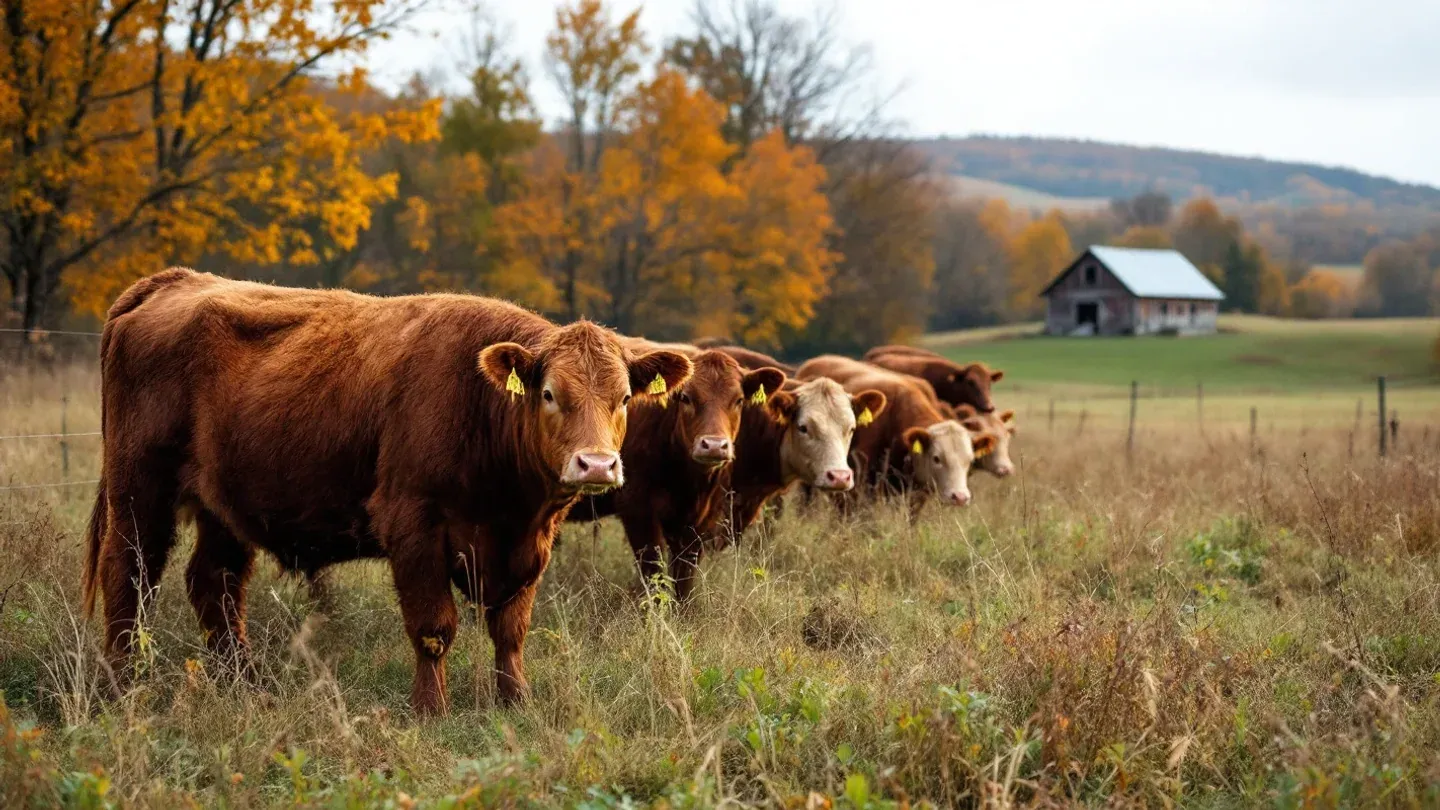
You can price on live weight, on hanging weight or on take-home weight. Inspected beef gives you all three, plus the individual cut. Hanging weight is the usual base for halves and quarters because it is the number the processor writes down and the number the cut-and-wrap fee is charged on, on top of a per-animal harvest fee.
Whichever base you choose, give the customer the full landed cost. Nebraska's guide notes that the live-animal price does not include processing, and that a whole beef can run a customer $3,500 or more once the animal and the processing are totaled. Divide that by the 481 pounds in the Wisconsin example and the beef costs about $7.28 a pound in the freezer, averaged across ground beef and tenderloin alike. That is the figure your customer will compare with the grocery store, so work it out for them before they do.
Two more honest numbers belong in the conversation. A beef yields roughly 200 to 250 pounds of ground beef, by Nebraska's estimate, and Penn State's breakdown puts the chuck at 29 percent and the round at 22 percent of the carcass, with the loin and rib together about a quarter. There are only so many ribeyes on a steer.
Start from your own costs. Know your cost of production before you set a price, track the feeder calf, feed, trucking, marketing and your own time as Penn State advises, and know what the sale barn and your area will bear. The same discipline applies when you first set up a grass-fed beef operation.
Deposits, bills of sale and the fee split
For custom-exempt sales the sequence matters. Penn State's freezer beef guide says the customer must first buy the live animal, half or quarter from you, with a bill of sale made out at the time of purchase. Its direct-marketing FAQ suggests invoicing for the live animal before the slaughter date and having the buyers pay the butcher's fees directly to the butcher. That split keeps the exemption clean: you sold an animal, the processor sold a service.
A deposit at booking, with the balance due when the hanging weight comes in, is common practice, and it protects you when a processor date you fought for suddenly has no buyer behind it. Put the deposit terms, the price base, the expected yields and the pickup window on one sheet the customer signs. Plain beats clever here. That is the point of always simplifying. It is also what being consistent means with people who are trusting you with a few hundred dollars and a freezer.
The cut sheet conversation
The cut sheet is where a good sale becomes a good year of dinners, or where it falls apart. WSU lists what the butcher will ask: which roasts and steaks, how thick (a steak cut to one and a quarter inches is a common request), how many per package, and how much goes to grind. Extra work costs extra, and every boneless choice drops the take-home weight.
Penn State's advice is to use the cut sheet your processor offers and to confirm which cuts the plant is able and willing to make before you promise them. Walk new customers through it, by phone if you must. Nebraska's guide counts help with the cut sheet, delivery of the animal to the plant and pickup of the finished product among the services that win a bigger customer base. For quarters, agree in advance whether the customer gets a true front or hind quarter or a mixed split half, because the two boxes look very different.
The freezer talk
Ask about the freezer before you ask for the deposit. WSU's rule of thumb is that most freezers hold about 35 to 40 pounds of meat per cubic foot. On that basis the 120-pound quarter in the Wisconsin example needs a bit over 3 cubic feet and a 240-pound half needs 6 to 7, before you allow for the awkward shapes of bone-in roasts and tubes of ground beef. Tell customers to allow more than the arithmetic says.
Penn State adds the detail most people skip: the freezer should be running at 0°F or colder before the frozen product goes in. A customer who buys a chest freezer for this is serious, and belongs on next year's list. Our article on on-farm cold storage covers your side of the cold chain.
Selling by the cut and by the bundle
Once the animal is harvested under inspection, you own the meat, and the rules move in your favor. Nebraska's guide lays out the trade: you no longer need a buyer before the animal goes to the plant, you can label and brand, and you can sell wholesale and retail cuts, which is also what allows sales across state lines. The cost is that you pay all the processing up front, you need freezers of your own, and you have to find continuous outlets for everything the animal yields, ground beef included.
Bundles are the bridge. A fixed box of ground beef, a couple of roasts and a few steaks at one price appeals to people who cannot spend $3,500 at once or who do not own a chest freezer. Bundles also balance the carcass: every box carries its share of chuck and round, so the ribeyes do not sell out in October and leave you with a freezer of ground beef in February.
Check the retail rules before you set up a farm store or a market table. The federal retail exemption in 9 CFR 303.1(d) covers operations of the kind traditionally done at retail stores, within an annual dollar cap that the agency sets. Penn State notes that meat sold at retail must come from an inspected source and that, in Pennsylvania, the retail exemption does not reach farmers market sales. Your state's rules will differ, so ask before you print the sign. If you take orders online, choosing an online store with deposit and pickup options saves a lot of back and forth. Honest labels matter more once your name is on the package.
Booking the processor
None of this works without a date. The Economic Research Service observed years ago that processors often book up quickly at certain times of year, with few or no alternatives nearby, and that farmers may drive several hours to the closest inspected plant. WSU tells buyers to have a harvest date before they buy an animal, because securing one has become harder. Book next fall's dates now, and ask the plant how it handles cancellations and fill-ins.
Some relief is on the way. On September 19 USDA made the final awards under its Meat and Poultry Processing Expansion Program: $35 million to 15 processors in 12 states, closing a program that put more than $325 million into 74 facilities since 2022. Among the last grants were a fee-for-service plant in southeastern Michigan for local producers and a cooperative in Montana building a USDA-inspected facility. Whether that capacity reaches your county is a question for your state's processor directory, and NMPAN at Oregon State keeps a list of those directories. We will come back to the bottleneck in Small Meat Plants and the Processing Bottleneck. For the longer story, read How Fragile Is Our Meat Production System?
The holiday angle, and a checklist
Fall is when demand moves from the grill to the oven. Drovers' market report of October 21 described summer grilling demand giving way to roasts and crock pot cooking, with wholesale ribeye prices already showing early holiday demand. That is the season a half or a quarter was made for: a family that wants a rib roast in December and chuck roasts through the winter.
Before you take the next call:
- Confirm the processor date, and whether the plant is custom-exempt or inspected.
- Decide your price base and write the landed per-pound estimate on the order sheet.
- Take a deposit and a bill of sale for the live share before the animal is delivered.
- Send the cut sheet with a short guide and a phone number.
- Ask about freezer space and freezer temperature.
- Keep a list for next year. The family that buys a quarter this fall is the one that takes a bundle next spring, and that is how a farm acts locally in the most literal sense.
Browse the farms and ranches in our directory that already sell this way. Our directory also lists the service providers who can help with freezers, labels and shipping. Our earlier piece on cow-sharing looks at the same arrangement from the customer's side.