
At noon today the terms of the President and Vice President end and the next ones begin. That is written into the Twentieth Amendment, and it is the only part of a transition that runs on a fixed clock. Everything else, from who signs program rules at USDA to how long the wait is at your county office, happens on its own schedule over the coming months.
This is a guide to that schedule for a working farm: what a change of administration does to sign-ups, payments and staffing, what the relief law Congress passed in December already locks in, the short list of places worth watching, and how to protect a conservation contract you have already signed.
What changes today, and what does not
USDA is a large department. The Texas Tribune, reporting the nomination of its next secretary in November, put it at about 106,000 employees and a $213 billion budget. Almost all of those people are career staff, and they will be at their desks tomorrow. The layer that turns over is the appointed one at the top: the Secretary, the deputy and under secretaries, the agency heads and the staff they bring with them.
The Secretary is a Senate job. The Constitution's appointments clause lets the President nominate, but the appointment only happens "by and with the Advice and Consent of the Senate." President-elect Trump named Brooke Rollins, a Texan who leads the America First Policy Institute and once ran the Texas Public Policy Foundation, as his pick on November 23, and as the Tribune noted, she needs Senate confirmation before she takes the job. That vote has not happened yet. Until it does, the department runs under the Federal Vacancies Reform Act, which lets a first assistant or a presidential designee carry out the duties of the office in an acting capacity, within time limits the statute sets. An acting secretary can keep the lights on and sign routine notices; the big calls, such as how a new disaster program is shaped, tend to wait for the confirmed one.
County offices have their own structure, and it is worth knowing. FSA's chain of delegation runs from a state executive director and state committee down to a county executive director and a county committee of local farmers. The committees are elected: more than 7,700 members nationwide serve three-year terms on committees of three to eleven people, and FSA itself calls them the grassroots input into federal farm programs. A new administration does not replace them. If you want a say in how programs land in your county, the committee is the door, which is one of the plainest cases we know for our belief in being involved.
The money that is already law
Congress settled a lot of this transition before Inauguration Day. On December 21, 2024, the outgoing President signed the American Relief Act, 2025, Public Law 118-158. Three parts of it matter on a farm.
First, it extends the 2018 farm bill through September 30, 2025. Division D carries every authority of the Agriculture Improvement Act of 2018 forward to that date or to any later date the 2018 law itself set, applies the commodity title to the 2025 crop year, and extends Dairy Margin Coverage through December 31, 2025. As our farm bill explainer warned, this is the second one-year extension in a row. The programs you used in 2024 are the programs you will use in 2025, with the same rules, unless a new farm bill passes first.
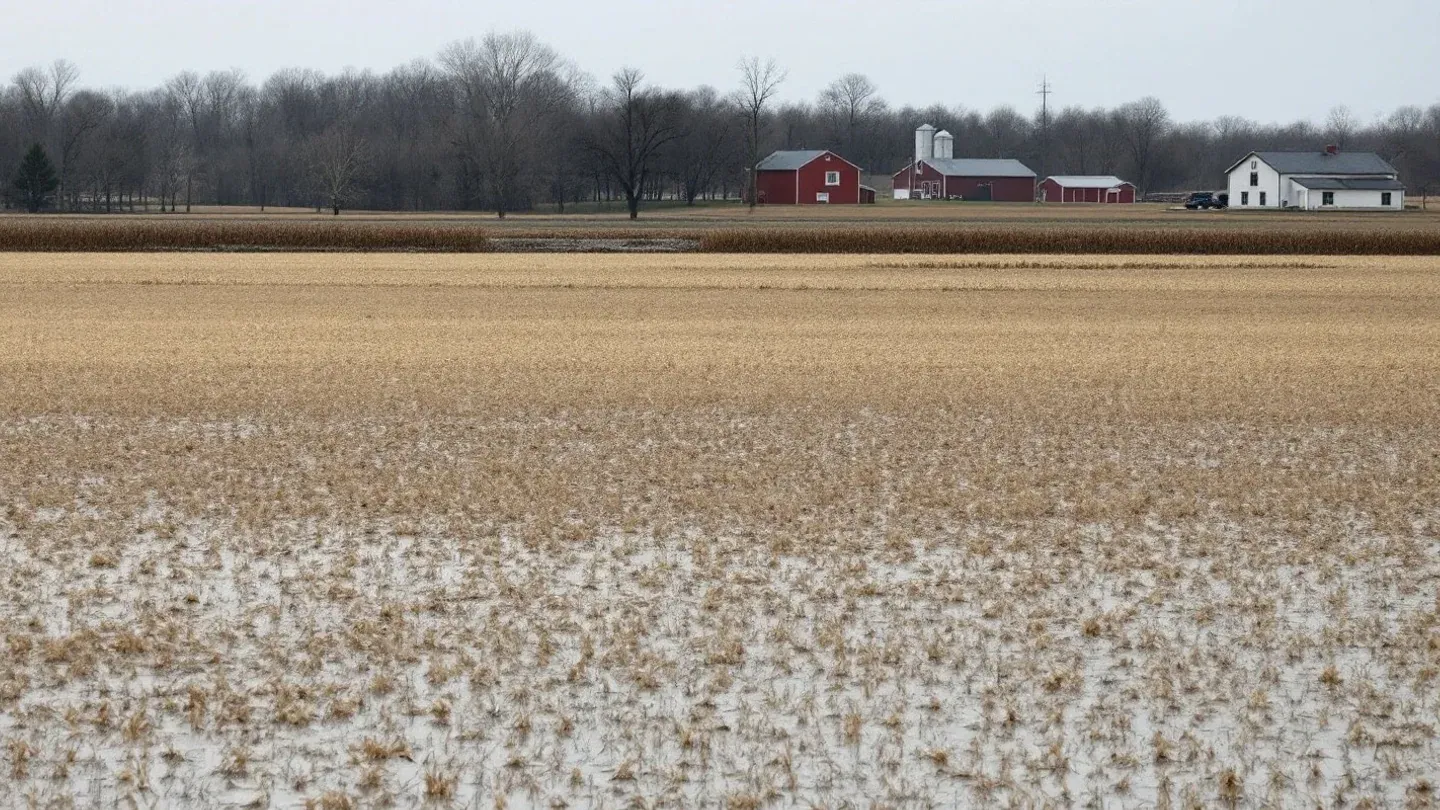
Second, it funds disaster relief. Title I of the disaster division appropriates $30.78 billion to the Office of the Secretary for losses to crops, trees, bushes and vines from droughts, wildfires, hurricanes, floods, derechos, excessive heat, tornadoes, winter storms, freezes, smoke exposure and excessive moisture in 2023 and 2024, with up to $2 billion of that for livestock losses from drought, wildfire or flood. The law says the money is to be spent under such terms and conditions as the Secretary determines, which is lawyer's language for: Congress wrote the check, and the new Secretary will write the rules for cashing it.
Third, it carves $10 billion out of that total for a one-time economic assistance payment on 2024 crops, and here the law is unusually specific. For each eligible commodity where the expected cost of production per acre exceeds the expected gross return, USDA pays 26 percent of the gap times your planted acres, plus half of your prevented-planting acres, with a floor tied to the commodity's reference price. The payment is due not later than 90 days after enactment, which lands in late March. Payment limits are $125,000 per person or legal entity, or $250,000 if at least three quarters of your income comes from farming, ranching or forestry. University of Illinois economists ran the numbers in farmdoc daily on January 7 and estimated about $42.51 per acre for corn and $29.50 for soybeans, with FSA handling the payments. They also note that farmers will again get to choose between ARC and PLC for their 2025 base acres, a choice the farmdoc team expected to be open by March 15.
If you grow vegetables for a farmers market or run cattle on grass, most of that money is not aimed at you, and our older pieces on the pros and cons of agricultural subsidies explain why we have mixed feelings about it. But the disaster title does reach livestock, specialty crops and producers without crop insurance, and the law orders USDA to offer individualized technical assistance to non-insured producers who want to apply. Watch for the sign-up.
One more date in the same law: Division A funds the federal government only through March 14, 2025. A lapse in appropriations after that date is the kind of thing that idles county offices, so the March date belongs on your calendar.
Why sign-ups and payments slow down after a transition
Two things happen at the start of nearly every new administration, and the last time this one took office it did both in its first days.
The first is a regulatory freeze. On January 20, 2017, the White House chief of staff sent every department a memorandum telling them to send no new regulation to the Federal Register until an appointee of the new President had reviewed it, to withdraw rules already sent but not yet published, and to postpone by 60 days the effective date of rules already published but not yet in force. Expect a memo in that spirit again. For a farm it means any USDA rule or program notice still in the pipeline in December may sit for weeks. It does not touch a contract you have already signed or a payment you have already earned.
The second is a hiring freeze. The memorandum of January 23, 2017 froze federal civilian hiring across the executive branch: no vacant position to be filled and no new one created, except where an agency head claimed a national security or public safety need or the Office of Personnel Management granted an exemption. If your county office was already short a program technician, a freeze like that keeps it short. The honest effect is longer waits, not lost benefits. The programs are still law, the money is still appropriated, and the forms still work.
What you control is your side of the counter. Sign up early in every window, bring complete records, get a receipt for everything you hand in, and keep your own copy of every form. When a thin office is covering two counties, the file that moves fastest is the one that is already complete.
The handful of places to watch
You do not need to follow Washington news to follow USDA. Five sources cover almost everything.
Farmers.gov. The national program deadlines page lists federal USDA sign-up windows (not every state or local one, as the page itself warns), and the service center locator gives you the contact information for your own office and the agencies in it. The site also lets you subscribe to email and text updates from your local service center, the single most useful alert a farm can set.
FSA notices. FSA runs on notices: short instructions from headquarters to state and county offices on how a program is to be administered this week. They are public on the FSA Directives page, which has a filter for the last 25 FSA notices. When a county office says it has not received guidance yet, this is where the guidance will appear.
The Federal Register. Every proposed and final USDA rule, and every interim rule for a new disaster program, lands on the Department of Agriculture page of the Federal Register with its comment deadline. If a rule affects your farm, the comment period is a real door.
Your county committee and your state extension service. The committee is where federal programs get their local administration. Extension economists, such as the farmdoc daily team at Illinois, turn each new law into per-acre numbers faster than anyone; our podcasts, blogs and videos list has the ones we read.
The farm organizations you already belong to. The groups in our organizations directory read the notices for you and call when a deadline moves.
How to protect a signed contract
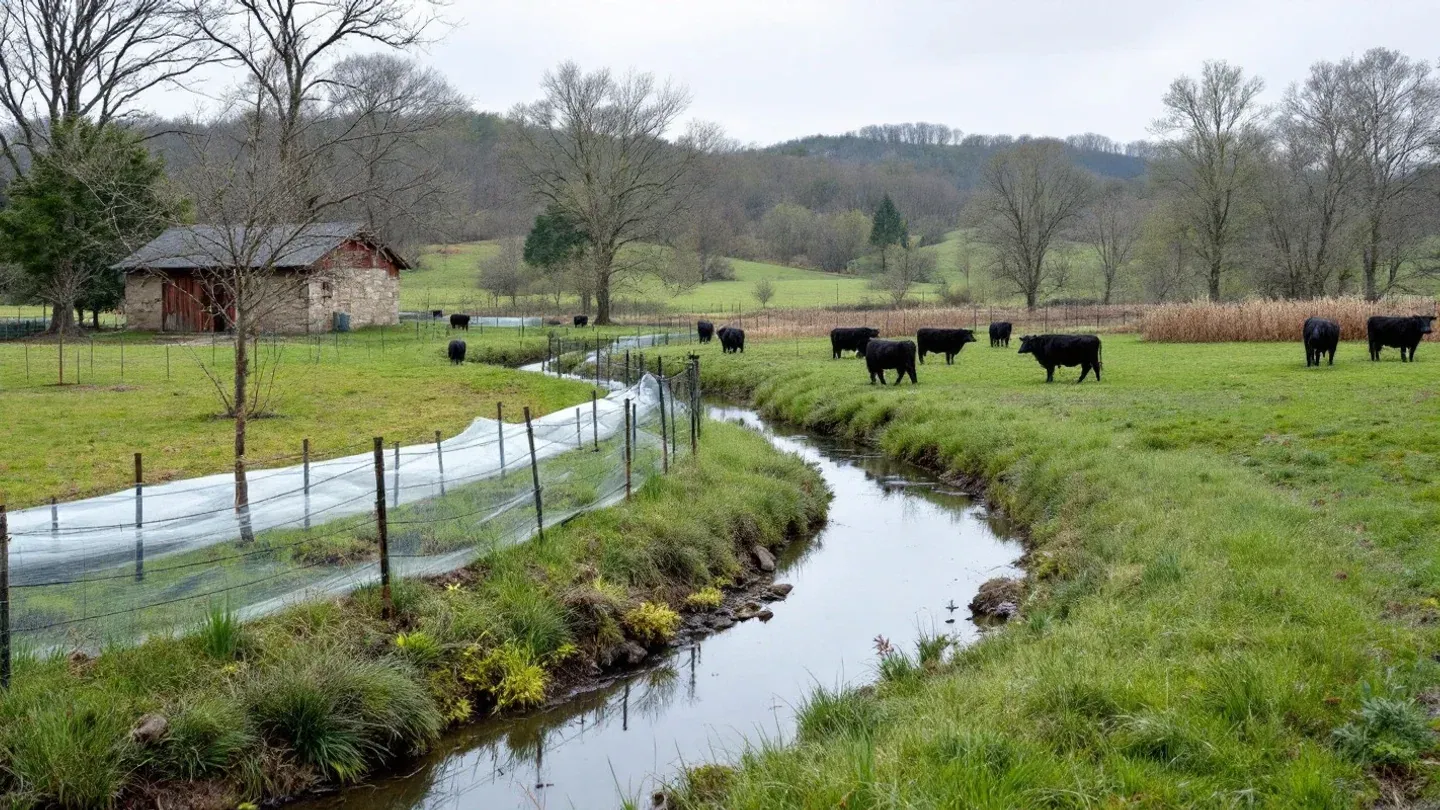
If you hold an EQIP or CSP contract, the question we hear most this month is whether a new administration can take it away. The short answer is that a signed conservation contract is a contract, and the rules that govern it are written in regulation, not in a memo.
The EQIP regulation says that to receive payments a participant must enter into a contract that identifies every practice, the timing of installation, the operation and maintenance required and the payments allocated to each practice, for a term of no more than ten years. NRCS may modify a contract only if the participant agrees and the modified contract still serves the program's purpose. NRCS may terminate a contract without your consent only where it determines that you violated it, and even then it may give you a reasonable time to correct the violation and may let you keep payments in proportion to your good-faith effort or where hardship beyond your control prevented compliance. CSP works on the same footing, with annual payments made as soon as practicable after October 1 for the activities you carried out in the previous fiscal year.
So the risk to an existing contract is not the election. The risk is a missed obligation on your side, or an office that fails to act. Here is how to close both doors.
- Keep the whole file. The signed contract, the plan of operations, the practice schedule, every modification, every payment notice and every written confirmation that a practice was completed and accepted, on paper and as a scan. If the person who knew your contract leaves the office, your file is the memory.
- Do the practices on the schedule in the contract. The contract ties each payment to a listed practice and its timing. A practice done late without a signed modification is the most common way a good contract goes bad.
- Never let a verbal assurance stand in for a signed modification. The regulation requires your agreement to change a contract. Agree on paper or not at all.
- Report any change in land control in writing, right away. Selling, leasing out or restructuring the operation without timely written notice is itself a violation under the transfer rules, and it can cost you the contract and the money already paid.
- Know the appeal route. USDA's National Appeals Division hears appeals of adverse decisions from FSA, NRCS, RMA, Rural Development and county committees. Under its rules, an adverse decision includes an agency's failure to act within the timeframes its regulations set, or within a reasonable time if none are set. The appeal covers denial of participation, compliance findings and the making or amount of payments, though not the statutes or regulations themselves. You must request a hearing within 30 days of first receiving the decision, in writing, personally signed. Put the date on your calendar the day a letter arrives.
If you are still deciding whether to apply this year, our guide to EQIP and CSP payments for a small farm walks through the application. The story of the IRA conservation money explains why the pot that funds many of those contracts, added by the 2022 law, is itself a live political question this year.
A practical close
A transition is loud at the top and quiet at the county office. The people who process your paperwork are the same people, the programs are extended through September, and the disaster and economic assistance money is appropriated, with a late-March clock on the economic payments. What is open is the shape of the new programs and the speed of the office, and both reward the farmer who shows up early with a complete file.
This week: subscribe to your service center's updates on farmers.gov and pull your 2024 acreage, insurance and loss records into one folder. This month: check the FSA notices page once a week and ask your office when the economic assistance and disaster sign-ups will open. This spring: make your ARC or PLC election when the window opens, mark March 14 for the funding deadline, and if a letter about your contract arrives, mark the 30-day appeal date before you do anything else.
We have argued for years that a farm should think long term. It should also act local, and nothing about a change in Washington alters that. Policy runs on a four-year clock. Soil, customers and the relationships at your county office run on a longer one. Keep building those, and let the news cycle be the news cycle.