
Late June is jam season across most of the country. The strawberries are in, the first cucumbers are coming, and a lot of farm kitchens are already sticky. For a family that grows fruit or vegetables, the same question comes up every year about now: can we sell this? A few dozen jars of jam at the stand, zucchini bread at the Saturday market, a bag of dried herbs tucked into the CSA box.
In almost every state the answer is yes, within limits, and the limits are written into a cottage food law. This article is a starting point: what these laws allow, what they do not, how the sales caps and labels work, and how the rules differ from one state to the next. It is not legal advice. Your own state's statute is the only text that counts, but this should help you read it with the right questions in mind.
What a cottage food law is
A cottage food law is a state exemption from the licensing and inspection that normally apply to anyone who sells food. The National Agricultural Law Center, whose state-by-state compilation was updated in April 2025, puts it plainly: nearly every state has a law that lets people produce certain foods at home and sell them with little or no regulatory oversight. The reasoning is the same everywhere. Baked goods, jams, dry mixes and candy are not potentially hazardous. They do not support the growth of bacteria the way meat, dairy or a cooked casserole do, so the state lets them come out of a home kitchen.
There is no federal cottage food law. Each state wrote its own, and the differences are large. Temple University's LawAtlas project, which mapped these statutes as they stood in 2017, notes that two states, Wyoming and North Dakota, went further with "food freedom" laws that reach into potentially hazardous foods such as meat and poultry. Most states stopped well short of that.
The practical consequence for a farm: the state you live in decides what you may sell, how much, where, and with what label. A neighbor across the state line may be working under a very different set of rules, and both of you may be doing everything right.
What you can usually sell
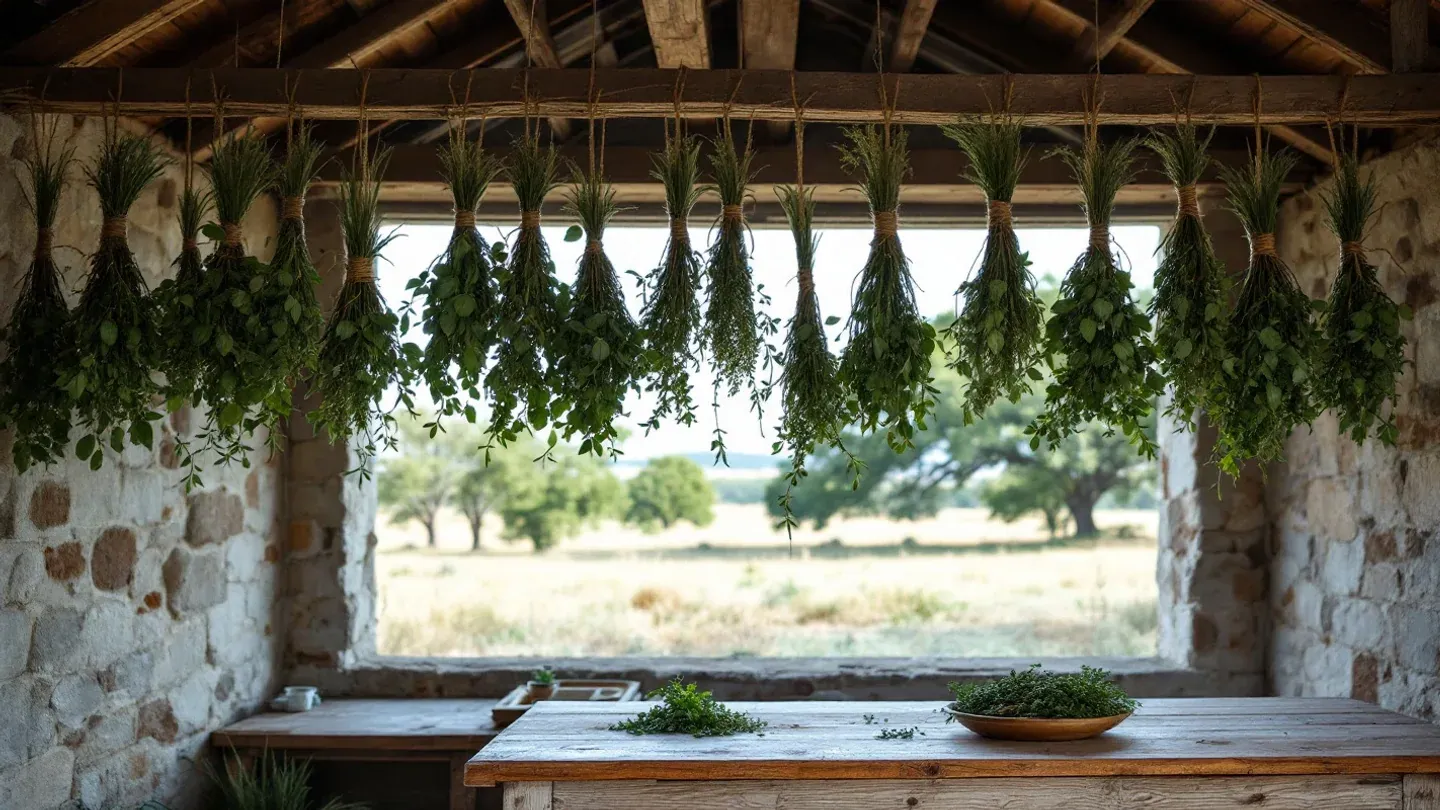
The allowed lists vary, but their core is remarkably consistent, because it follows food science rather than politics. Foods that are dry, high in sugar or high in acid are the safe ones.
Florida's list, as summarized by UF/IFAS Extension, runs from biscuits, loaf breads and rolls, cookies, cakes and pastries through fruit pies, candies, cereals, granola and trail mixes, coated and uncoated nuts, nut butters, dried herbs and seasonings, jams, jellies and preserves, honey, homemade pasta, popcorn, roasted coffee beans, syrups and flavored vinegars. Salsa, barbecue sauce, ketchup, mustard and vegetable butters sit in the other column of the same table, which surprises people who assume anything that comes in a jar is fine.
Texas uses a similar list until its rewrite takes effect in September. The statute as it stands, shown struck through in the enrolled bill, names baked goods that do not need refrigeration, candy, nuts, fruit butters, canned jams and jellies, fruit pies, dehydrated fruit and vegetables including dried beans, popcorn, cereal and granola, dry mixes, vinegar, pickled fruit or vegetables at an equilibrium pH of 4.6 or less, mustard, roasted coffee and dry tea, dried herbs, plant-based acidified canned goods, fermented vegetables and frozen raw fruit and vegetables.
Minnesota writes the chemistry straight into the rule: non-potentially hazardous foods such as baked goods and certain jams and jellies, plus home-canned pickles, vegetables or fruits with a pH of 4.6 or lower or a water activity of 0.85 or less.
For a farm, that list is an invitation. Berry seconds become jam, a surplus of basil becomes dried herb blends, an orchard's windfalls become fruit butter. It is the simplest version of turning a crop into a value-added product, with no commercial kitchen in the way.
What you usually cannot sell
The prohibited list is the mirror image, and it is where farm families most often get caught, because the things they most want to sell are on it.
- Baked goods that need refrigeration: custard fillings, cream cheese icing or filling, and in Florida anything decorated with fresh fruit or vegetables.
- Meat, poultry, fish and shellfish, including jerky.
- Milk and dairy products, and in Florida's list, eggs.
- Canned fruits and vegetables, chutneys, and in Florida canned pickles and relish as well, plus low-acid spreads such as pumpkin butter. UF/IFAS answers the pumpkin butter question directly: no, because it is a low-acid food that can support the growth of harmful bacteria.
- Cut fresh fruit and vegetables, raw sprouts, garlic dips and hummus.
- Anything containing CBD or hemp.
Two Florida rules matter especially to growers. You may use your own fruit and vegetables inside a baked good if they are washed and baked into the batter, but not as a fresh garnish on top. And you may not use your own home-canned fruit as a filling: commercially canned pumpkin is fine, your own jars are not.
Pet treats are a good example of how far the states diverge. Florida says no, the law covers human food only. Minnesota added dog and cat treats to its allowed list. That kind of detail is settled only by your own state's page.
The sales cap
Almost every cottage food law caps annual gross sales, and the cap is usually the number that decides when a kitchen business has to grow up. Where four states stand this June:
- Texas: $50,000 a year today; $150,000 from September 1, 2025, adjusted for inflation each year after that.
- California: $75,000 in the statute for a Class A operation, which sells directly to the public, and $150,000 for Class B, which may also sell indirectly through restaurants and food markets, according to the California Department of Public Health. Both figures are adjusted for inflation every January, and the adjusted limits since January 1, 2025 are $86,206 and $172,411.
- Minnesota: $78,000 per registered individual, in two tiers. Up to $7,665 a year you are exempt from the registration fee; above that, up to the cap, you pay it and take a food safety course every three years.
- Florida: $250,000 since the Home Sweet Home Act took effect on July 1, 2021.
Two things to know about any cap. It counts gross sales, not profit, so a $50,000 cap on $4 jars is 12,500 jars, not 12,500 jars of margin. And it counts cottage food only, not the produce you sell alongside it, so keep the two in separate columns from the first week. Pricing those jars well is a separate job, covered in know your cost of production before you set a price.
Where you can sell
Direct to the consumer is the default everywhere: the farm stand, the farmers market, your own porch, a delivery to the customer's door. Beyond that, the states split.
Florida allows sales at farmers markets, pop-up markets, flea markets and roadside stands, provided nothing else at the stand needs a food permit. It allows orders and payment over the internet or by mail, delivered in person or shipped; UF/IFAS even describes shipping by postal or commercial carrier across state lines. It does not allow wholesale or consignment, and a permitted store cannot carry your products.
Texas, until September, allows direct sales only, and internet or mail orders only if you, an employee or a household member personally delivers the food. From September 1 a cottage food operation may also sell at wholesale to a registered "cottage food vendor", who may resell at a farmers market, farm stand, restaurant or retail store under a posted disclosure sign.
California's Class A may take orders by phone or internet and fulfill them by mail or any third-party delivery service. Class B adds restaurants and food markets.
Minnesota requires that the person who made the food hands it to the customer, with no shipping of food meant for people (pet treats may go by mail), until its 2025 change takes effect in August 2027.
Illinois, under the Department of Public Health's rules, allows direct sales by the owner, a family member or an employee, but not sales for resale or in retail food establishments. Illinois also lets the food be made in "another appropriately designed kitchen on a farm", not only the farmhouse, which is unusual and useful.
The common thread: your farm stand and your market table are nearly always fine; shipping, wholesale and an online store depend on the state. Once a product crosses a state line it is in interstate commerce, so read the label section below twice before you promise a customer in the next state.
The label
Labels are the one thing every state checks, and the one thing a market manager can see from across the aisle. The common elements are the name and address of the operation (or a registration number in Minnesota, and in Texas from September), the product name, ingredients in descending order by weight, net weight or volume, allergens, and a disclosure statement in the state's own words.
Florida's statement, in at least 10-point type in a contrasting color: "Made in a cottage food operation that is not subject to Florida's food safety regulations." Minnesota's: "These products are homemade and not subject to state inspection", plus the date the food was made, and the same sentence on a sign at the point of sale. Texas, from September: "THIS PRODUCT WAS PRODUCED IN A PRIVATE RESIDENCE THAT IS NOT SUBJECT TO GOVERNMENTAL LICENSING OR INSPECTION."
Allergens follow federal law. The FDA lists nine major food allergens: milk, eggs, fish, crustacean shellfish, tree nuts, peanuts, wheat, soybeans and sesame, which the FASTER Act added with effect from January 1, 2023. The type of tree nut has to be named. Some state materials, Florida's among them, still show the list as it stood before sesame was added; label for nine.
Build the label template before the first batch, and treat it the way you treat a planting plan: one version, dated, kept. That is consistency a customer can taste before they open the jar.
Registration, training and inspection
Here the states differ most, and it is the part worth a phone call.
Florida requires no license, permit or inspection at all. The state investigates complaints and can fine an operation, and a venue or market may still demand its own paperwork. Local governments may not prohibit a cottage food operation, though they may still regulate parking, noise and hours.
California's Department of Public Health keeps the approved foods list but does not register anyone; your local environmental health department does, and you must complete an operator training within three months of registering.
Minnesota requires annual registration with the Department of Agriculture before any sale, regardless of amount. Tier 1 producers take an online training and exam each year; Tier 2 producers take an approved food safety course every three years.
Illinois requires registration with the local health department where you live, and Illinois Extension runs a self-paced online course on the rules that took effect under the Home-to-Market Act in January 2022.
Texas bars local authorities from regulating cottage food production, and from September bars them from requiring any license, permit or fee as well.
What the 2025 sessions changed
Cottage food law moves every spring, and this year two big states moved it a long way.
Texas passed SB 541 and the governor signed it on May 30. From September 1 the cap rises from $50,000 to $150,000 with inflation indexing. The allowed list flips to a short banned list: anything may be sold except meat and poultry, seafood, ice products including ice cream, low-acid canned goods, products containing CBD or THC, and raw milk. Foods that need refrigeration become legal for operations that register with the state, print the date on the label and add a safe handling statement. Nonprofits may use the exemption, samples may be offered anywhere, and the new cottage food vendor can carry home-made goods into retail stores.
Minnesota folded its reform into the agriculture budget bill, HF 2446, now Chapter 34, signed on May 23. From August 1, 2027 there will be one registration tier with a $30 annual fee for everyone (down from $50 for the upper tier, but new for the producers who paid nothing), delivery by mail or commercial carrier (home-canned goods still may not be sold outside Minnesota), the approved food safety course every three years for every registrant in place of the free online exam, and a sales cap adjusted for inflation every two years.
The direction is the same in both: higher caps, broader lists, more ways to deliver. If your state's law still reads like 2015, the hearing room is where that changes, and farmers who show up with a jar and a sales ledger are the witnesses legislators remember. That is what being involved looks like at the county and state level.
A starting list for a farm family
- Read your statute, not a summary of it. The National Agricultural Law Center map links the text for every state. Then call the agency it names and ask the two questions that matter: which list, which cap.
- Pick two or three products that use what you grow and sit squarely on the allowed list. Jam from berry seconds, a dried herb blend, bread from your own flour. Resist the cheesecake. Starting narrow is the simplest way to learn the paperwork while the stakes are small.
- Register and train before the first sale where your state requires it. The fee is small; the fine is not.
- Make the label template once, with the federal nine allergens and your state's exact sentence.
- Keep a cottage food ledger from day one and watch the cap. Add product liability cover to the insurance a farm already carries; the cottage food exemption removes inspection, not liability.
- Know the exit. When you reach the cap, want refrigerated products or need wholesale, a shared-use commercial kitchen is the next step, and from there a co-packer.
A cottage food law is the cheapest market test a farm will ever run. The ingredients are already in the field, the customers already stop at the stand, and the state has agreed to stay out of the kitchen as long as you keep to the list and tell people the truth on the label. That is local food in its plainest form: a neighbor's jam, sold to a neighbor, with the maker's name on the jar. It is also one of the most reliable ways to diversify farm income without borrowing a dollar, and the producer groups and legal clinics in our organizations directory can help you read the fine print in your state.