
Mid-October is a particular moment in a restaurant. The summer menu is gone, the fall menu is on the pass, and somewhere on a clipboard the winter menu is being drafted. The National Restaurant Association fielded its What's Hot survey of chefs in exactly this window last year: for its 2024 forecast it polled more than 1,500 culinary professionals between October 9 and 23, 2023. If you want a place in a kitchen's plans for the next six months, these are the two weeks to make the call.
This article is about what happens after the call. Chefs are not a mystery. University researchers from Nevada to New Hampshire have been asking them the same questions for fifteen years, and the answers barely move. Here is what they say, and how a small farm turns it into a standing weekly order.
The market is real, and smaller than you think
USDA's 2020 Local Food Marketing Practices Survey counted 147,307 farms selling food directly in 2020, for $9.0 billion in sales. Direct sales to retailers, the category that holds restaurants and caterers, came to roughly $1.9 billion from 24,137 farms. Of those, 10,412 farms sold to restaurants and caterers, down from 10,988 in 2015.
Read two things into those numbers. The restaurant channel is one of the smaller direct channels, and the number of farms in it fell between 2015 and 2020. But a chef who has found a reliable supplier stops looking, and the door is open to anyone who can be that supplier.
The buyers want it. A University of New Hampshire study funded by USDA's National Institute of Food and Agriculture, published in the Journal of Agribusiness and reported in November 2020, found that 44 percent of restaurant buyers would prefer to buy directly from farmers if constraints like seasonal availability and delivery were out of the way, and 37 percent already did. The same study found restaurants serving fewer than 750 meals a week were less likely to buy local. Aim for the busy ones.
Consistency outranks everything, including price
A 2009 University of Nevada, Reno survey of 31 chefs scored product quality and freshness at 4.97 on a five-point scale, with consistency of quality at 4.48 when deciding whether to buy from a particular farm. A 2011 Alabama survey cited in a North Carolina State University fact sheet on selling to restaurants ranked consistent supply, consistent quality, food safety and freshness as the four things that matter most. The New Hampshire buyers said nearly the same: almost all rated consistent supply and quality as important or very important, and the obstacles they named were price and seasonal availability.
Read it from the chef's side. A menu is printed, a dish is costed, a line cook preps forty portions. If the arugula does not arrive on Thursday, the chef is on the phone to the broadline distributor by ten, and the distributor always has arugula. The NC State sheet puts it plainly: chefs may tolerate some inefficiency in buying local, but if it stays unaddressed it costs the restaurant money and the premium they are willing to pay shrinks with it.
This is why consistency is one of our beliefs and not just a sales tip. Promise less than you can deliver. Three items every week beat twelve items some weeks. Tell the chef what the shoulder seasons will look like before they ask.
The availability list is your real sales pitch
The NC State sheet notes that farms delivering to restaurants quickly adopt the habit of emailing a weekly pricing and availability sheet, while many chefs still prefer a quick weekly phone call to place the order. The Nevada chefs asked for the same thing in different words: tell us what you grow, when it will be ready, and what you could grow for us.
A good list fits on one page. Item and variety, the unit (bunch, pound, case), the pack size, the price per unit, how much is available this week, the harvest day, the order cutoff and the delivery day. Send it at the same hour on the same day every week, before the chef writes the distributor order. Monday morning for a Wednesday delivery works in most kitchens. If something is short, say so on the list rather than at the back door.
Think further ahead than the week. The NC State sheet says chefs need advance notice to get a local product onto the menu; one North Carolina chef put it at four weeks. A planting list sent in February is how a crop makes the June menu, and an October conversation is how it makes the winter one.
Delivery windows and the back of the house
Penn State Extension's guide for produce growers entering restaurant markets is blunt about logistics: agree delivery days and times up front, and find out who signs for the delivery. It also advises visiting between lunch and dinner, around 2 to 4 pm, with samples, and asking for five minutes of the chef's time. Those are the only hours a chef has.
Pack matters as much as timing. Many buyers expect a standard pack for each product; the Penn State interviews mention 20-pound boxes of plum tomatoes at three to ten boxes a week. The NC State sheet adds that packaging should stack in a walk-in cooler, that loose plastic bags are a nuisance, and that a clear label on your crates separates your delivery from everyone else's. If a delivery will be late because of weather or a breakdown, call before the chef notices.
Deliver in the dead hours, never during service. Keep the product cold from your cooler to theirs, which is the whole point of a proper walk-in and post-harvest routine. Put the invoice on top of the crate in a plastic sleeve.
Specs change with the kitchen
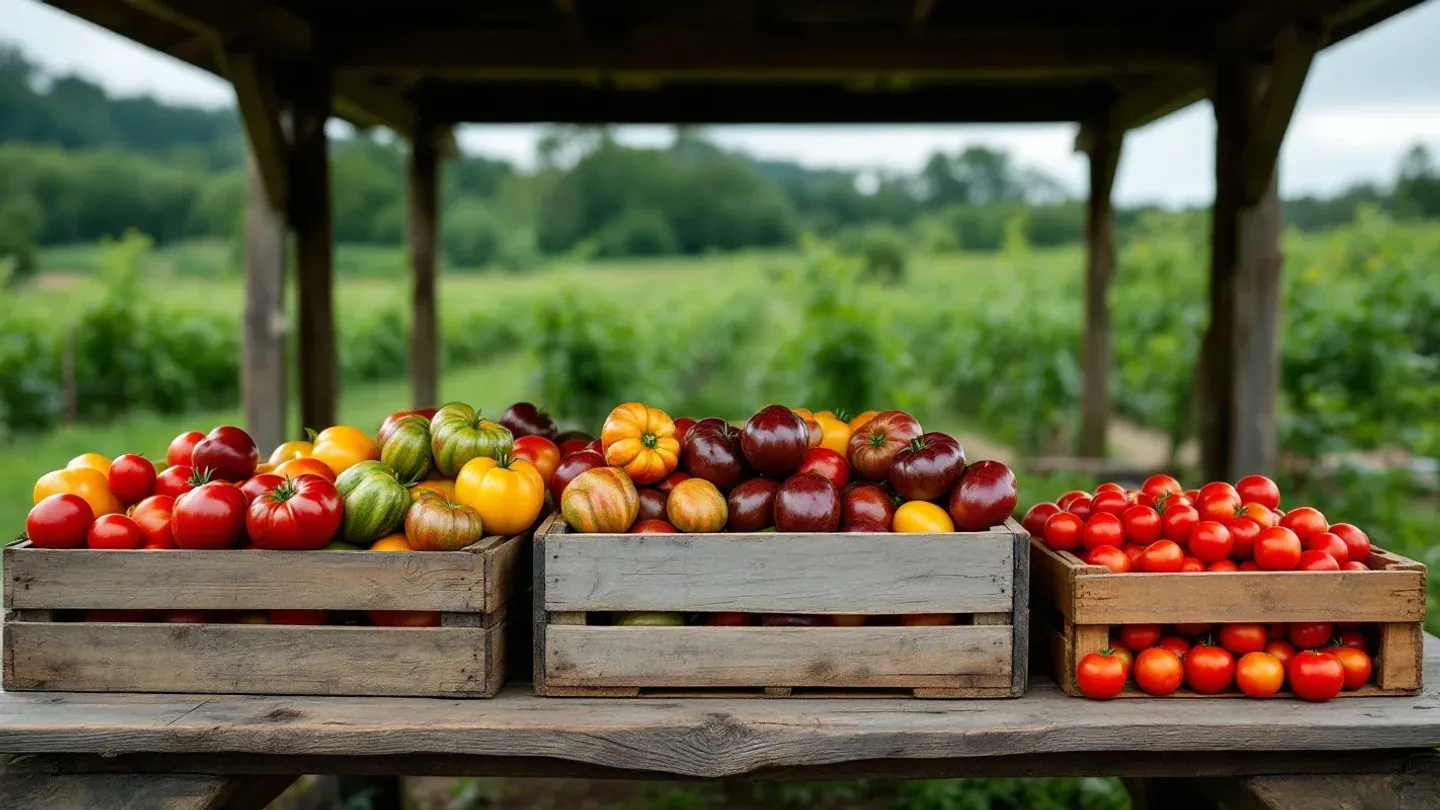
The Nevada study is useful on what "quality" means to a chef. Flavor comes first, and the comments ran to acidity, sweetness and bitterness. Appearance matters where it shows on the plate: color on squash and peppers, blemishes on leafy greens. Size matters mainly when it changes taste or how the item fits a dish. And the chefs wanted variety: heirloom and specialty crops, and the same crop at different growth stages.
Match that to the kitchen. A chef-driven restaurant with a weekly menu wants variety and a story, and will take baby turnips and odd-shaped tomatoes. A cafe or sandwich shop wants uniformity: lettuce heads the same size, tomatoes that slice to the same diameter, week after week. A pizza or pasta kitchen wants volume of a few things, tomatoes, basil, peppers and garlic. Caterers often order case lots two weeks out and change the order the day before. A breakfast place is an egg account before it is anything else.
The NC State sheet points out that chefs often meet a farm at its farmers market stall first, then ask whether the farm can supply bulk on a regular basis. It also notes that restaurants may be more willing to pay a higher percentage premium for fruits and vegetables than for meat and value-added products. That is worth knowing before you build a price list.
Pricing and the invoice
Penn State's chefs said quality first, then price, and the guide suggests opening the conversation at 10 to 20 percent over wholesale terminal prices, more for organic. The NC State sheet collects the survey evidence on premiums: a 2010 Illinois survey found independent restaurants far more willing to pay up to 10 percent more for local meat than anything above that, and surveys in Missouri and Kentucky found a majority of chefs in some areas willing to pay up to 30 percent more for produce, mainly because fresher product means less shrink in the walk-in. Expect a request for a quantity price break, and go in knowing your cost of production before you answer it.
Then there is getting paid. An invoice should go with every delivery, and you need to know which person it has to reach. The NC State researchers warn that restaurants often pay vendors 7 to 45 days after delivery; the Penn State interviews found most restaurants paying by check within two weeks and low-volume buyers paying cash on delivery. Print your terms on the invoice, number every invoice, keep a copy, and follow up the day after the terms run out. Do not let any account run two unpaid deliveries deep.
The paperwork a chef may ask for
Some restaurants, and most chains and institutions, will ask for proof of safe handling and insurance. Penn State lists third-party GAP certification and product liability insurance, which it puts at $500 to $1,500 a year, with some farm organizations offering group coverage at lower cost. We have written about getting wholesale ready with GAP. We have also covered the insurance a farm needs.
Selling to restaurants also changes where you stand under the FSMA Produce Safety Rule. A farm with average annual food sales under $500,000, adjusted for inflation, that sells more than half of its food directly to qualified end-users holds a qualified exemption from most of the rule. A qualified end-user is a consumer or a restaurant or retail food establishment in the same state or within 275 miles of the farm. Restaurant sales count toward that majority. The exemption comes with a duty: your farm name and complete business address on the package label, or where there is no label, on documents at the point of purchase, which is what the invoice on top of the crate does. Exempt or not, a wash and pack shed built to the rule's standards is what a chef expects to see when they visit, and some will.
Being the farm a chef keeps through winter
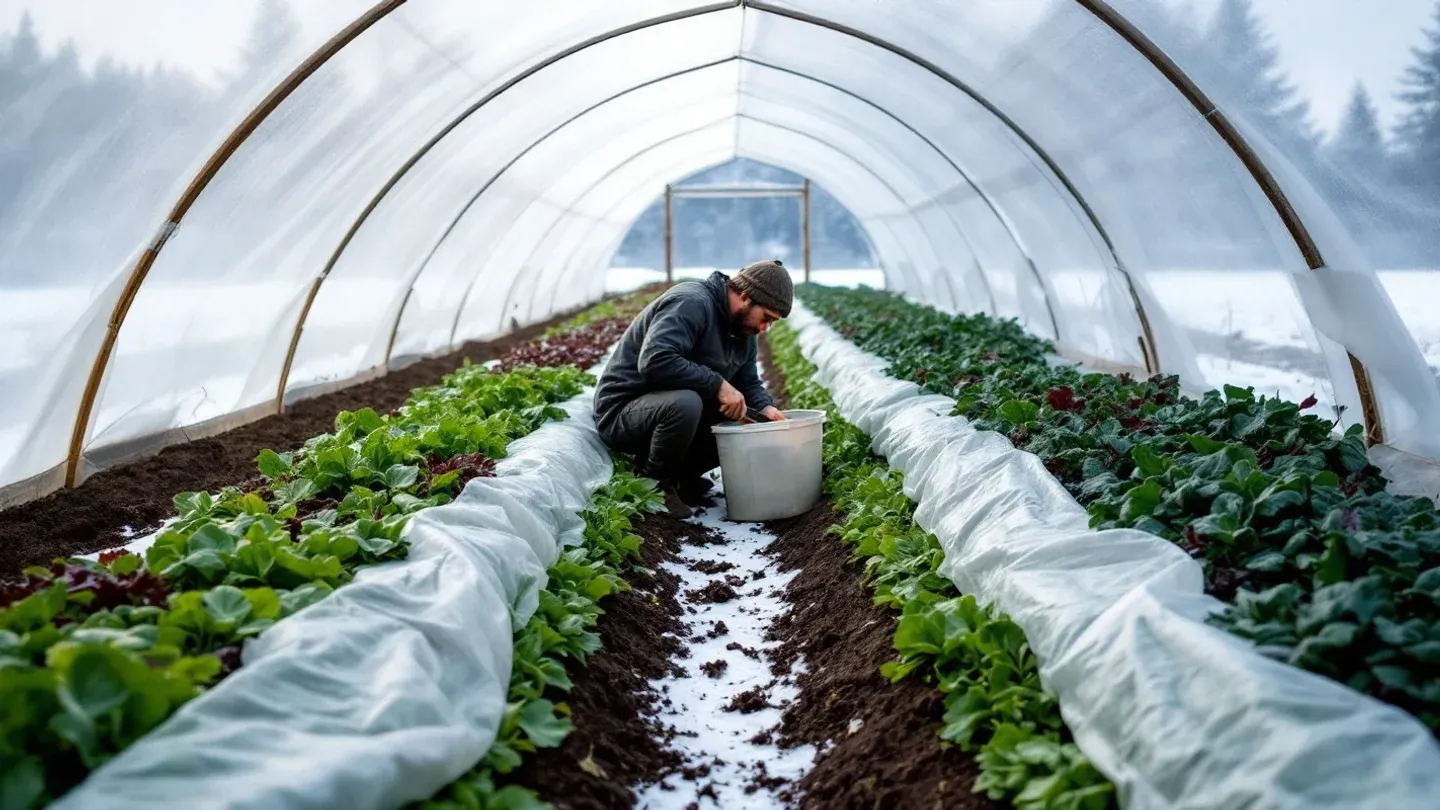
The slow season is where restaurant accounts are won or lost. Winter menus are shorter, and two of the National Restaurant Association's top ten trends for 2024 were regional menus and streamlined menus: fewer dishes, each ingredient working harder. A farm that disappears in November was a summer fling. A farm that shows up every Thursday from December to March with storage roots, tunnel greens, eggs and frozen meat becomes the account's default, and defaults are hard to dislodge.
Meat is the quiet opportunity. The New Hampshire buyers said they wanted to buy local red meat more often precisely because it can be sourced year-round; the obstacle was cost, not supply. If you raise cattle or hogs, a restaurant account for the cuts that are hard to sell by the half or quarter is worth planning alongside your freezer beef program.
For a produce farm, winter is built in the fall. Storage crops planted for keeping, a high tunnel for greens, a cooler that holds roots until March. Then add a few value-added items that a chef can use when nothing is coming out of the ground. The time to ask a chef what they would buy in February is now, while they are drafting the menu, and the answer belongs in your winter plan.
If delivery is the constraint, look at what is being built around you. USDA's Local Agriculture Market Program, an umbrella created in the 2018 Farm Bill, bundles the Farmers Market Promotion Program, the Local Food Promotion Program, which funds enterprises that process, distribute, aggregate or store local food, the Regional Food System Partnerships and the Value-Added Producer Grants. The fiscal year 2024 round of the Local Food Promotion Program opened on February 27 and closed on May 14, 2024. The food hubs and delivery routes that come out of those grants are often how a two-acre farm reaches a group of twenty restaurants. Our directory of organizations is a place to start looking for one near you. That is acting local in the most literal sense: the chef, the farm and the truck between them all within a short drive.
A short checklist for the first call
- Pick three restaurants within half an hour of the farm that are busy, that change their menu, or that already print farm names on it.
- Walk in between 2 and 4 pm with samples and a one-page list. Ask for five minutes.
- Agree on the delivery day and window, who signs, and whether the chef wants the list by email, text or a phone call.
- Send the list at the same hour every week, before the distributor order goes in.
- Deliver on the day, in clean crates that stack, with the invoice on top.
- Say it early when something is short, and offer a substitute.
- Ask in October what they would buy in February, then grow or stock it.
None of this is complicated. It is the same discipline that keeps a farm's customers coming back in any channel, applied to a buyer who has less time and a shorter memory for excuses than most. Get the three basics right, consistency, the list and the delivery window, and the chef will do the rest of your marketing for you by printing your farm's name on the menu. That is localism working as it should.