
Early June is when the u-pick year really begins. Strawberries are coming in across the Mid-Atlantic and the Midwest, the first cherries are not far behind, and a lot of farms are about to find out whether the field they planted for visitors will pay. This article is for the farm that is thinking about opening its gate for the first time, or that has been doing it informally and wants to do it properly: which activities fit a working farm, what parking and restrooms require, how to price, what a farm stay adds, what the insurance rider covers, and what the state agritourism liability statutes actually do.
The numbers say the interest is real. The 2022 Census of Agriculture, released this February, counted 28,617 farms with income from agri-tourism and recreational services, worth $1.26 billion, up from $949 million in 2017 on almost the same number of farms. The average per farm rose from $33,222 to $44,004. The same table carries a warning, though: 5,364 of those farms took in less than $1,000 from visitors, and another 8,281 made between $1,000 and $4,999. Nearly half of the farms doing agritourism earn pocket money from it. The difference between the two halves is mostly planning.
Which activities fit a working farm
Agritourism is any activity that brings the public onto a working farm for education, recreation or a purchase: u-pick, farm tours, hayrides, a farm stand, a corn maze, a wedding in the barn, a night in the guest room. Cornell's Guide to Farming gives the sensible advice to start small, test the idea on family and friends, and plan to train your staff in hospitality work.
The best first activity is usually the one that extends something you already do well. If you grow berries, a u-pick field is the lowest-cost entry. Penn State's marketing guide for small-scale and part-time growers lists pick-your-own among the channels that need the least grower labor and capital for market facilities, because the customer does the harvesting and a large share of the marketing. It usually works best for fruits and vegetables that people buy in fairly large quantities for home processing. Someone who wants one quart of strawberries for dinner is not driving to your field for it.
The same guide names the two constraints: location, because there is a limit to how far people will drive, and temperament, because you have to be willing to accept a certain amount of unintentional damage caused by customers, and picker instruction and supervision are tasks some growers do not handle well. The University of Kentucky's u-pick market profile adds the rest of the trade-off: customers wander into unsupervised areas, somebody has to be on site to supervise, and harvesting will be uneven. In return you skip picking, grading, packing and often cold storage, and customers who are paying for the experience will likely settle for fruit of lower quality than they would accept at a farmers market.
If you already run a stand, start there and add a field. If you already sell beef by the quarter, a pasture walk on pickup day costs almost nothing. Our 2019 piece on diversifying farm income still holds: the enterprise that shares your existing labor, land and customers is the one that pays first. That is simplicity applied to a new line of business.
Parking, restrooms and the things visitors notice
Visitors judge a farm in the first five minutes, and the first five minutes are the driveway and the parking field. The Rutgers Cooperative Extension parking and traffic checklist, a 2013 sheet that UVM Extension hosts for Vermont farms, asks the questions that matter: separate entrance and exit, a plan for overflow, room for a bus, a parking area that works in wet and muddy conditions, a lot kept separate from tractors and farm equipment, and employees assigned to direct traffic on busy days. The Northeast Kingdom farm safety guide puts dimensions to it: traffic lanes at least 20 feet wide, a 55-foot turning radius wherever a bus has to turn, a reflective vest on whoever directs traffic, drive and parking surfaces that are firm and drained, and a mowed pasture as the alternate lot when rain or mud closes the main one. It also recommends barrier fencing at least four feet high, down to the ground, around ponds, running equipment and animal pens.
Accessibility applies to a farm that invites the public. The Department of Justice's ADA primer for small business is clearer than most people expect: a business with four or fewer parking spaces needs one accessible space, with no sign required; larger lots need accessible spaces with an access aisle, and one in six must be van accessible. Restrooms come next on the priority list, after getting people from the parking lot to the goods.
Restrooms are where many first-year farms cut a corner they later regret. Two federal rules set the floor. If your produce farm is covered by the FDA's produce safety rule, 21 CFR 112.33 requires you to tell visitors how to avoid contaminating the crop and to make toilet and handwashing facilities accessible to them. That is the u-pick customer in your strawberry row. For your own crew, OSHA's field sanitation standard applies once eleven or more employees do hand labor in the field: one toilet and one handwashing station for every 20 workers, within a quarter mile of where they work. A rented portable toilet and a handwashing station at the field edge satisfy both in most cases, and the handwashing station is the one visitors should pass on the way in. Our wash and pack shed article covers the rest of the produce rule, and the piece on heat and farmworkers covers shade and water for the crew you station in the field all day.
Pricing a u-pick field
Three models cover most farms: by weight, by container, or a flat entry fee plus a container. Whichever you choose, you are making a retail sale, and weights and measures law applies to you however small you are. Nebraska Extension's weights and measures guideline spells out the Nebraska rule, and your state's weights and measures office has its own version of it: produce may be sold by weight, by count or by measure, a quart is a legal dry quart, not a basket filled as full as you feel like filling it, containers have to meet the legal definition of a pint, quart or peck, and it is illegal to sell by weight on a scale that is not registered and certified. If you sell by the pound, buy a legal-for-trade scale and have it certified. If you sell by the flat, use a container of a defined legal size and price the full container.
Price the experience, not only the fruit. A u-pick customer is paying for the morning as much as the berries, and the Kentucky profile rates u-pick as a medium-to-high price channel for that reason. Do not price under the farm stand on the assumption that the customer is doing the work; you are providing the field, the parking, the restroom and a person in the row. Know your cost of production before you set the number, and post it plainly at the entrance, the same way we recommend for a market stall.
Two tax points from Cornell's guide are worth writing down now, in June, rather than discovering in March. Agritourism income is not farm income for the IRS: it goes on Schedule C, not Schedule F. And the small-farm exemption from minimum wage does not extend to the people you hire to park cars and check out pickers.
Farm stays
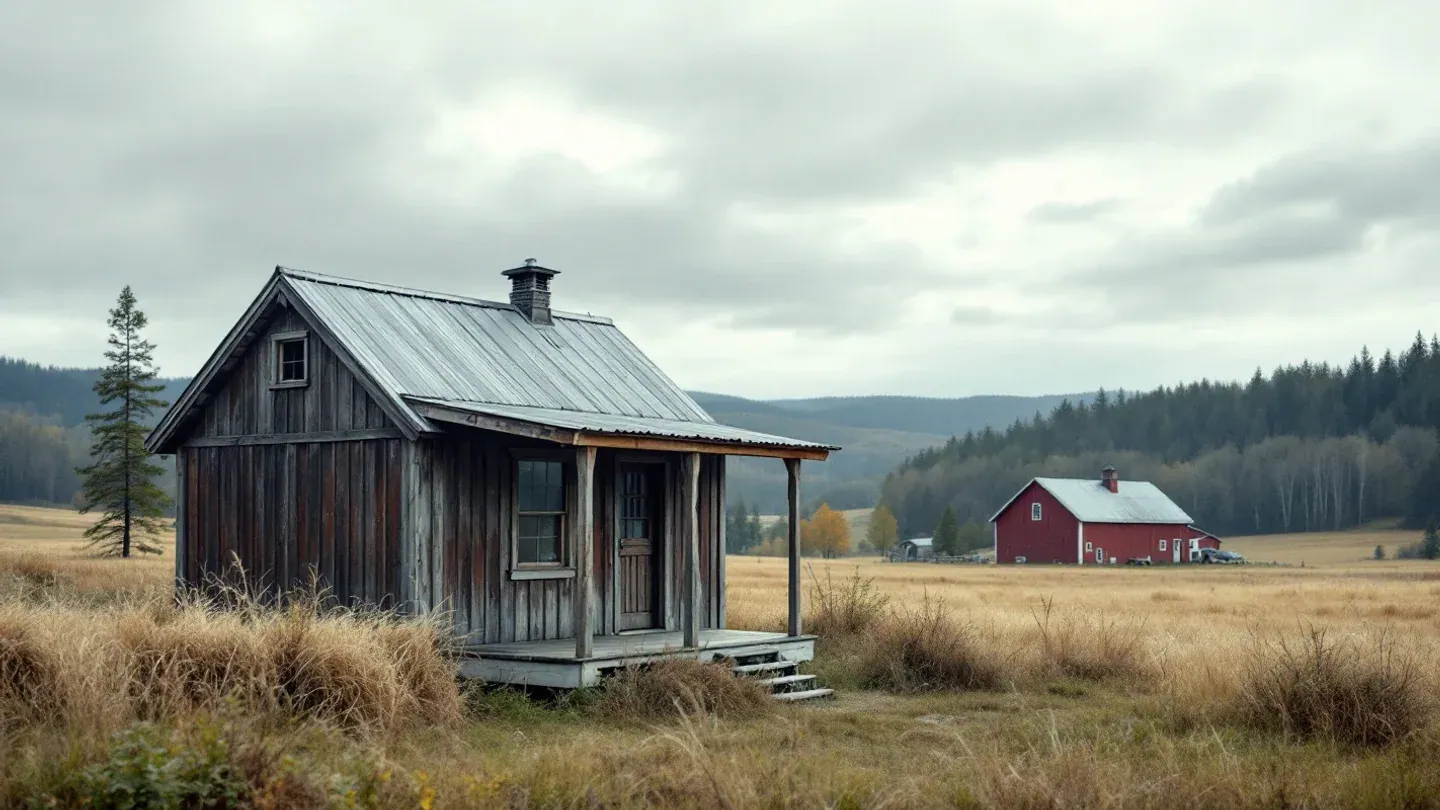
A farm stay is paid overnight lodging on a working farm, whether that is the spare room, a cabin, a yurt or a bunkhouse. Ohio State's law program and the National Agricultural Law Center published a ten-point legal guide for farm stay operators in 2020 that is the best single read on the subject. The themes:
- Zoning first. The district that allows your barn may not allow overnight guests in it. Ask the zoning office before you spend money, and ask in writing.
- Building and fire codes do not stop at the farm gate. The agricultural exemption that covers an equipment shed usually does not cover a building where people sleep. Smoke detectors and extinguishers are the minimum, and a guest cabin may need a permit a hay barn never did.
- A lodging license may bundle the rest. Many states and counties license overnight accommodation, and the license pulls in water testing, septic capacity, plumbing and electrical checks.
- Food changes the category. Serving breakfast in an owner-occupied home with a few rooms is often exempt from a food service license; Ohio's exemption, for example, covers an owner-occupied bed and breakfast with no more than six guest rooms that serves breakfast only to no more than sixteen guests. Serving dinner takes you outside that exemption, and alcohol usually needs its own license.
- Collect the bed tax. Most states charge sales tax on lodging and many localities add an occupancy tax. Lodging income is reported on Schedule C or E, not Schedule F.
- The ADA's five-room rule. A place of lodging with no more than five rooms for rent, in a building where the owner lives, is outside the ADA's definition of a public accommodation. A separate guest cottage may not be.
Farm stays suit families who like having people around the table, which is why they fit a farm built around family. They do not suit a household that needs the evening to itself. Decide that honestly before you list the room. Several farms in our farms and ranches directory host guests and will tell you what the first season was like.
Insurance: the rider comes first
The single most common mistake is assuming the farm liability policy covers visitors. It usually does not. Ohio State's agritourism insurance fact sheet explains that farm and ranch liability policies often exclude agritourism activities altogether, and that coverage comes through a specific rider added to the general policy. The activities an agent will want listed start with u-pick and hayrides and run through petting zoos, farm stands, school tours and tastings. Food is a second gap: a visitor who gets sick from a sample or a jar you sold is a product liability claim that a general farm policy usually does not address.
What the rider costs depends on the activities offered, attendance, the hazards on the land, the precautions you take and, as we will see, how strong your state's agritourism statute is. Practical steps from the same sheet: read the current policy with the agent before adding anything, walk the property with the agent once a year, tell the agent when you add or drop an activity, and keep a written record of safety measures, including proof that the warning sign your state requires is posted. Our older guide to what insurance a farmer needs is the place to start if you have never read your own policy. A separate entity for the visitor business is a question for your accountant and attorney; see farm business structures for the options.
What the state agritourism liability statutes actually do
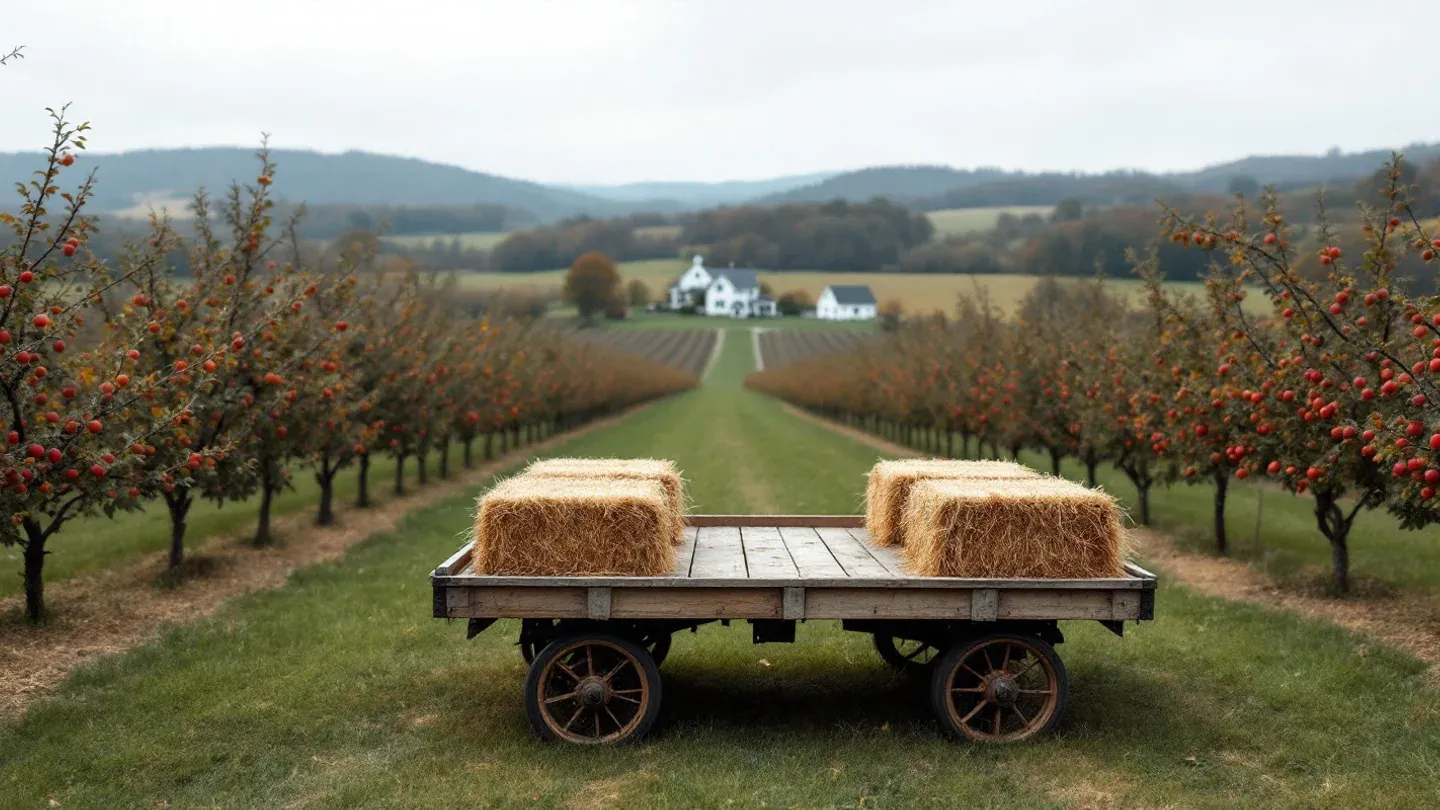
Over half the states now have a statute that addresses agritourism, according to the National Agricultural Law Center's compilation, and the provisions run from liability protection to tax credits and zoning rules. Ohio State's survey of agritourism immunity laws traces the model to Kansas in 2004 and listed 31 states with an immunity law by January 2019, from Alabama and Georgia through Minnesota, Missouri and Nebraska to Oregon, Virginia and Wisconsin. Vermont joined in 2021. The laws share a structure.
First, they protect the operator only from the inherent risks of the activity: uneven ground, weather, plants, animals behaving like animals, ordinary farm equipment, and the visitor's own carelessness. Virginia's chapter, in force since 2006, is typical: the farm is not liable for injury resulting from those inherent risks, but the protection vanishes if the operator was negligent, knew or should have known of a dangerous condition and did not warn, or injured someone on purpose. The 2015 Texas Agritourism Act adds a failure to train employees to the list of exceptions and leaves your own employees out of its definition of a participant, so the statute gives you no protection when one of them is hurt. Vermont's law states outright that it does not limit product liability, which is the jam and the cider.
Second, the protection is conditional on a warning sign with wording fixed by the statute. Virginia requires black letters at least one inch high, posted at the entrance and at the activity site, with the same notice printed in any written contract for services, instruction or equipment rental; the sign tells visitors they are "assuming the risk of participating in this agritourism activity", and a farm that fails to post it loses the immunity. Texas accepts either the posted sign or a signed release in at least 10-point bold type, signed before the activity, and by a parent or guardian for a minor. Vermont wants the sign at or near the main entrance to each activity, in black letters at least an inch high, and UVM Extension's explainer notes that a sign painted or stenciled on wood qualifies as long as it meets those requirements. Get the exact wording from your state's statute, not from a neighbor's sign.
Third, do not confuse an agritourism statute with the older recreational use statutes. Every state has a recreational use statute, and Vermont's landowner liability chapter is typical: it protects an owner who lets people onto the land without consideration, which means without charge. The moment you sell a ticket or a quart, that protection is gone, and only an agritourism statute, if your state has one, steps in.
Ohio shows how the better statutes reach beyond liability. Its 2016 law limits county and township zoning authority over agritourism on a qualifying farm and settles how the activity affects agricultural property tax status. That matters, because zoning is where agritourism plans most often stall: two surveys cited in Ohio State's zoning fact sheet found 13 percent and 50 percent of operators reporting zoning difficulties. If your county has no clear rule, the fix is local: show up, explain what a u-pick field is and is not, and help write the definition. That is what we mean by being involved.
The first-season checklist
Keep it simple and do it in this order.
- Pick the one activity that extends what you already grow or sell, and give it one season before adding a second.
- Call the zoning office and the county health department before you buy anything, and keep the answers in writing.
- Read your liability policy with your agent, add the agritourism rider, and list every activity you plan to offer, food included.
- Look up your state's agritourism statute, order the sign with the statutory wording, post it at the entrance and at each activity, and photograph it with a date.
- Lay out parking with a separate entrance and exit, a mud plan and an accessible space, and fence off ponds, equipment and pens.
- Rent the portable toilet and set a handwashing station where every picker passes it.
- Buy a legal-for-trade scale or legal-size containers, set a price that covers the field and the staff, and post it.
- Collect names and emails at checkout; repeat customers are the whole economics of a u-pick field.
- Walk the farm with your agent at the end of the season and write down what you will change.
Our directories of service providers and organizations list insurers, sign makers and the state agritourism associations that run the workshops, and cottage food law decides what you can sell at the checkout table beside the berries. A u-pick field or a guest room is a long-term relationship with your neighbors. Set it up so that the second season is easier than the first.