
Memorial Day weekend is when a lot of farms make the organic decision for real. If the last prohibited spray or bag of synthetic fertilizer went on a field in the spring of 2023, that field reaches 36 months this spring, and the crop you harvest from it this year can be the first one sold as organic. If you are still deciding, this is the point in the season where the paperwork and the money stop being abstractions. This article walks through what certification costs, how the process runs, what the records look like, what changed with the Strengthening Organic Enforcement rule, where the federal cost-share stands this year and, because it is not the right choice for every farm, when to leave the seal alone.
What certification actually is
The USDA organic seal is a legal claim, not a philosophy. Under the National Organic Program, any farm or business that sells, labels or represents products as organic must be certified by a USDA-accredited certifier, with a narrow set of exemptions. The Agricultural Marketing Service describes the process in five steps: you adopt organic practices, choose a certifier and submit an application and fees; the certifier reviews the application; an inspector visits; the certifier reviews the inspection report; and a certificate is issued. From then on it is an annual cycle of an updated plan, a fee and an inspection.
The practices themselves are the part most regenerative farms already do: rotations, cover crops, compost, no synthetic pesticides or fertilizers, no genetically engineered seed. We wrote years ago that organic and sustainable are not the same thing, and that still holds. Certification does not make a farm regenerative; it verifies a defined list of practices and lets you say so on the label. Our comparison of regenerative certifications covers the other seals. Our guide to honest labels covers the claims that need no certifier at all.
The three-year transition
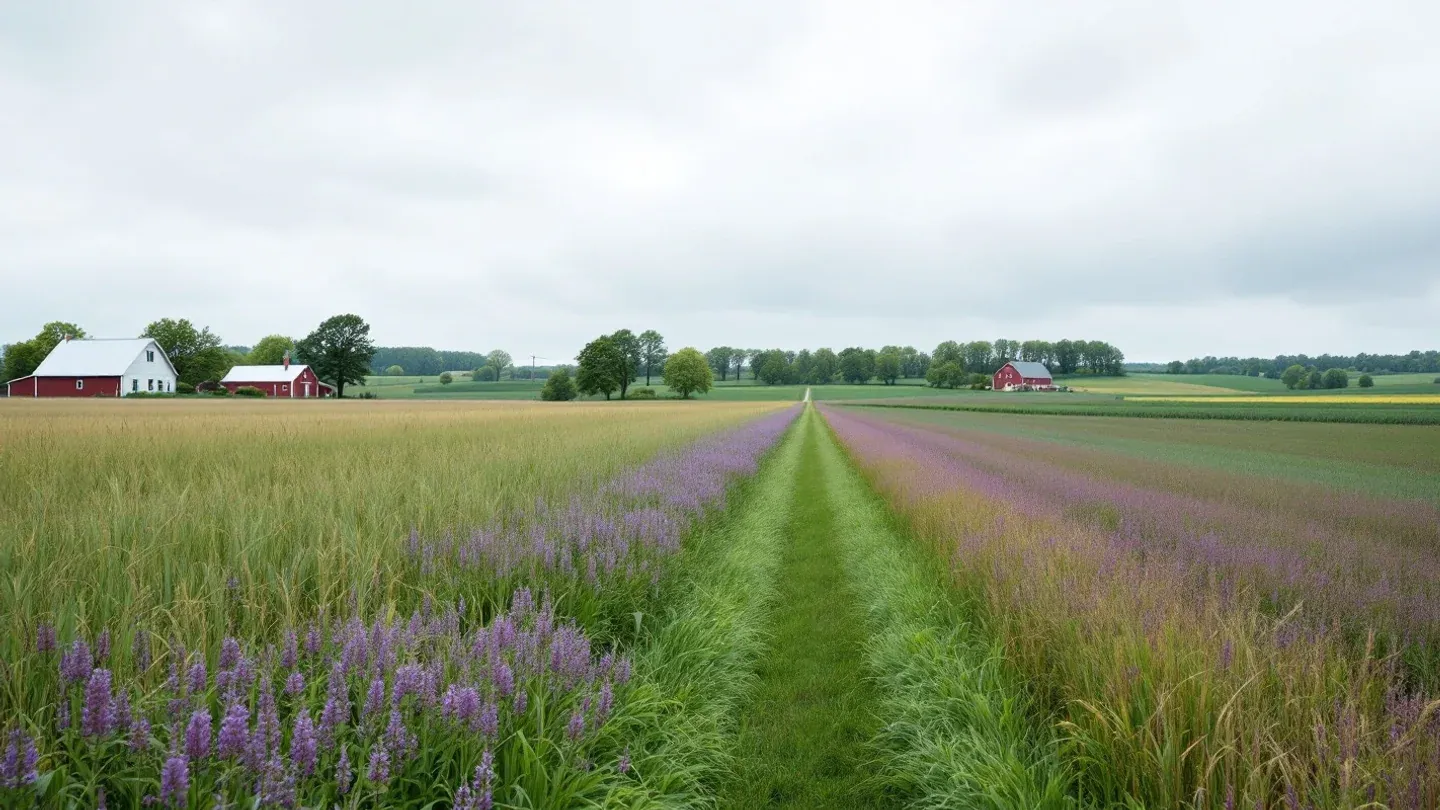
The rule that sets the clock is 7 CFR 205.202: any field from which crops will be sold as organic must have had no prohibited substances applied for three years immediately preceding harvest of the crop, must have been managed under the organic crop standards, and must have distinct boundaries and buffer zones so that a neighbor's spray or runoff does not reach it. Three years before harvest, not three years from the day you decided. Write down the date of the last prohibited application for every field; it is the first thing the inspector asks about.
Transition is the lean stretch. You farm to the organic standard, carry the organic cost of weed control and fertility, and sell at conventional prices. Two federal programs exist to soften it. The Transition to Organic Partnership Program put $100 million over four years, 2022 through 2026, into regional networks of nonprofits that pair transitioning farmers with mentors and run workshops and field days in six regions; this is its last funded year, so if you want a mentor, ask now. And NRCS offers an organic transition practice standard through EQIP, with training by organic experts and, in some cases, payment for income foregone during transition. In some cases the conservation plan NRCS writes with you can become part of your organic system plan. Our guide to how EQIP and CSP payments work for a small farm explains the application side, and SARE's Transitioning to Organic Production, with its Organic Transition Planner workbook, is the best free reading on both the agronomy and the business plan. The cover crop decisions you make in transition are the same ones you will live with afterward.
Choosing a certifier
There is no national fee schedule. Every certifier sets its own, and AMS says plainly that costs vary widely, from a few hundred to several thousand dollars depending on the certifier and on the size, type and complexity of the operation, with an application fee, an annual renewal fee, an assessment on production or sales and inspection fees as the usual pieces. AMS suggests two criteria for choosing: the fee structure and the distance to your farm, because you pay the inspector's travel. The Organic Integrity Database holds that certifier locator and is, as AMS's own FAQ puts it, a comprehensive list of USDA-certified organic operations; it is also how a buyer checks that your certificate is real.
The University of Maryland Extension's organic certification guide adds the practical criteria: whether other farms in your area use the same certifier, whether the certifier specializes in your kind of operation, how long it has been in business, and whether its own logo means anything in your markets. Ask three certifiers for a fee schedule and a sample organic system plan before you choose. Our organizations directory lists certifiers and the nonprofits that help with transition.
What it costs
Two published examples show the shape of the bill. CCOF, which calls itself the largest certifier in North America, charges a one-time $350 application fee, an inspection fee billed hourly plus travel, and an annual certification fee set by the organic production value of the operation, which for a farm is organic sales minus the cost of certified organic seed and feed. MOSA, a certifier based in Viroqua, Wisconsin, quotes first-time producer applicants $1,375 for crops only and $1,525 for crops and livestock, with the final figure depending on the inspection, and ties later years' fees to the previous year's gross organic sales. Both say to plan on about twelve weeks or more from a complete application, and MOSA names missing forms and incomplete information as the leading causes of delay.
So a simple farm should plan on four figures in the first year before any cost-share, and a sliding annual fee after that. Each scope on your certificate, crops, livestock, wild crops and handling, is certified separately and carries its own fee. A farm that processes, or buys and resells someone else's product, needs the handling scope.
Then there is the time. The organic system plan, which 7 CFR 205.201 defines, must describe every practice and how often you do it, list every input with its source and composition, describe how you monitor the plan and verify your suppliers, describe your record-keeping system, and show how a split operation keeps organic and nonorganic product apart. The first one is a weekend of work for an organized farm and a month for a disorganized one. The annual update under 205.406 is lighter: a summary of what changed and what you plan to change, and the annual fee.
Inspection and records
The inspection is a scheduled visit by a trained inspector while you are present, at a time when the land and the activities can be seen; 205.403 lets the certifier delay the first inspection up to six months to catch the growing season. The inspector walks the fields and buffers, checks the input storage, reconciles what you sold against what the fields could have produced (a mass balance), traces product from purchase through sale, may take soil or tissue samples, and ends with an exit interview. Every certifier must also make unannounced inspections of at least five percent of the operations it certifies each year, so the farm you show the inspector has to be the farm you run.
Records are the real cost of certification, and the easy part for a farm that already keeps them. 205.103 asks for records that fully disclose all activities and transactions, carry an audit trail from the purchase of inputs through production to sale, and are kept for five years. In practice: seed sourcing attempts, input labels and receipts, field activity logs, harvest and sales records, and the buffer map. A spreadsheet with a tab per field and a tab per sale does the job, and our notes on farm management software still apply. If you make compost, the temperature log belongs in the plan, as our composting guide explains. And if a neighbor's spray drifts onto a certified field, 205.400 requires you to notify the certifier immediately; our article on pesticide drift covers what to document.
What the enforcement rule changed
The Strengthening Organic Enforcement rule took effect March 20, 2023, with full compliance required by March 19, 2024, so it has now been in force for two full seasons. Its purpose is fraud prevention in long supply chains: an electronic import certificate for every organic shipment entering the country, certification for importers and for most brokers and traders who used to sit outside the system, standardized certificates of organic operation, the unannounced inspection minimum, and tighter traceability and record requirements for everyone. AMS's FAQ puts it bluntly: most entities doing business in organic trade now need to be certified, and a buyer may require certification by contract even where the rule does not.
For a small farm selling its own crops the day-to-day change was modest: a fuller supply-chain section in the organic system plan, and buyers asking for certificate numbers more often. For a farm that also buys and resells, aggregates for a food hub or packs for a neighbor, the handling scope became much harder to avoid, as it did for anyone getting wholesale ready.
The cost-share program, and where it stands
The Organic Certification Cost Share Program reimburses certified operations 75 percent of eligible certification costs, up to $750 per scope in a program year, for crops, livestock, wild crops, handling and state organic program fees. Eligible costs include application and administrative fees, inspection fees including the inspector's travel and per diem, state program fees, user fees and sales assessments, and postage. You apply at your FSA county office, or through your state department of agriculture if it participates, with your certificate and your paid invoices. A farm paying $1,500 a year across two scopes gets most of it back.
The program is small and widely used. For fiscal 2023, FSA's report to Congress shows the national program paid about $7.4 million to more than 10,500 certified operations through state agencies and FSA county offices, plus about $845,000 more under a companion program limited to sixteen named states, after a 2020 cut to 50 percent and $500 per scope, made for lack of funds, was reversed in May 2023.
Where it stands this spring needs saying carefully. The 2018 Farm Bill funded the program through 2023, and a one-year extension carried it through 2024; the notice of funds availability for the 2024 program year was published May 9, 2024, and FSA county offices took producer applications through October 31, 2024. The next one-year extension, covering October 2024 through September 2025, carried no new money for the program, as certifiers such as MOSA warned their clients; we covered the wider pattern in what happens when the farm bill lapses. Then the budget law signed July 4, 2025 amended the statute: 7 U.S.C. 6523 now directs $8 million a year to the program for each of fiscal years 2022 through 2031, available until spent. The money exists. What FSA had not done at the time of writing was announce an application window for the 2025 program year. Keep every certification invoice and proof of payment, watch the FSA program page, and ask your county office; when a window opens, apply early, because in 2024 payments went first come, first served until the funds were gone.
When certification is not worth it
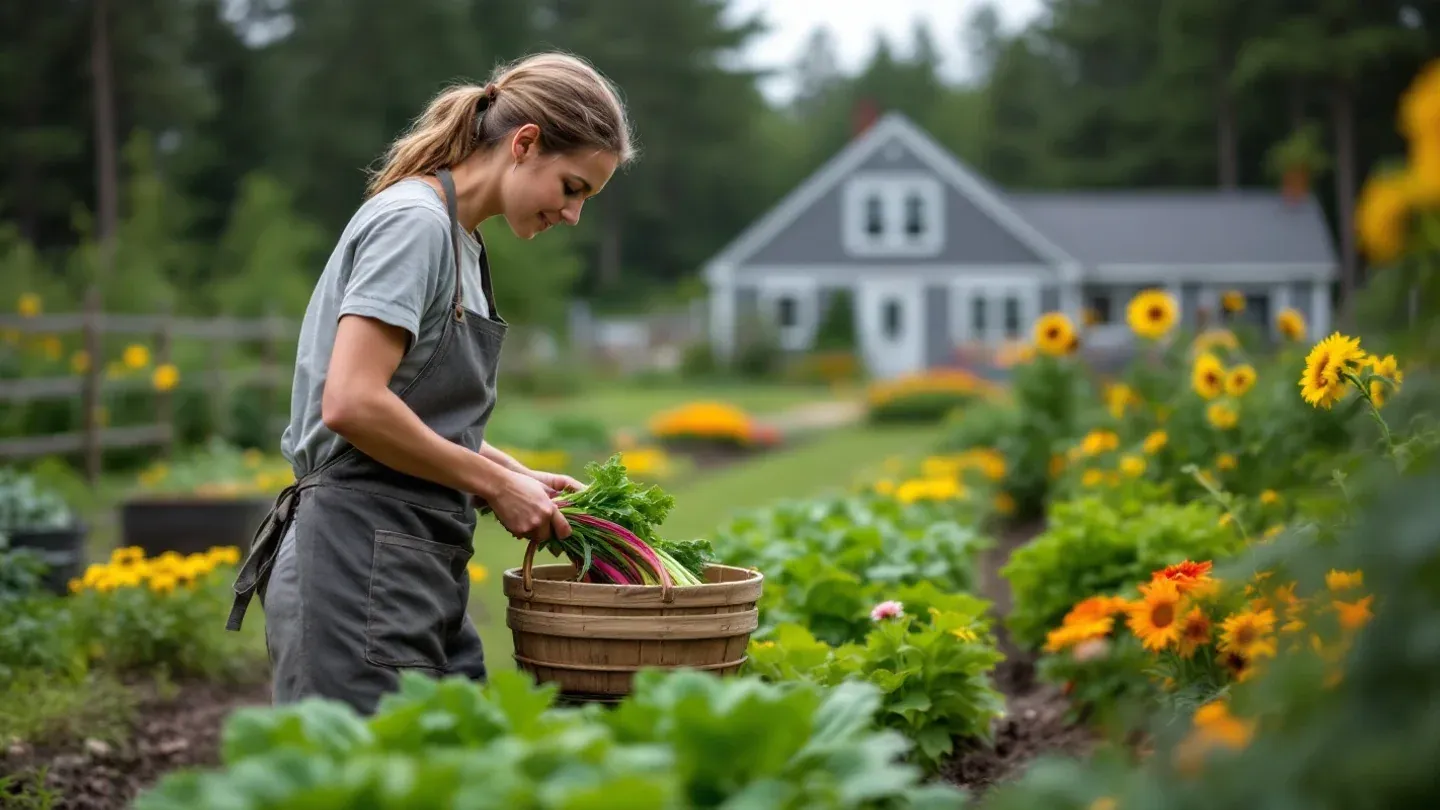
Be honest about this one. The regulation exempts an operation whose gross organic sales are $5,000 or less a year. An exempt farm must still follow the production rules and keep records for three years, and under 205.310 it may call its products organic but may not use the USDA seal or any certifier's mark, or call itself certified. Maryland Extension notes that the exemption was designed for farms that sell directly to consumers, and that Maryland runs a registry for exempt growers for a nominal fee.
Above $5,000 the question is whether the premium pays for the fee and the hours. USDA's Economic Research Service finds that organic price premiums remain high in many markets while wholesale premiums for some fruits and vegetables have narrowed in recent years, and that organic farms on average carry higher production costs than conventional ones; its Organic Situation Report of February 2025 has the detail by commodity. The seal matters most when a buyer who does not know you has to trust you: a distributor, a grocery chain, a school district, a processor that will print the word on a package. It matters least when every customer knows your name. Many farms that sell at a market stall, through a CSA or to a handful of restaurants find that a conversation and a farm visit do what a certificate does, a point we made in the market case for organic farms and again when we asked why so few farms are organic. The NASS Certified Organic Survey for 2021 counted 17,445 certified farms on 4.9 million acres with $11.2 billion in sales in 2021: a real market, and a small one.
A rule of thumb. If you plan to sell wholesale, or to a brand that will put organic on a label, certify, and start early enough that your first wholesale season is the first certified one. If the word on your market sign would be nice but would not change a single sale, spend the fee on soil instead. Know your cost of production before you decide; the certificate is a line in that budget, not a strategy. And if you do certify, tell your crop insurance agent, because the Risk Management Agency treats organic methods as good farming practices and keeps improving coverage for certified and transitioning producers.
A practical close
Five things to do this week if you are leaning toward certification.
- Write down the last prohibited application date for every field and draw the buffers on a map. That sets your earliest certifiable harvest.
- Request fee schedules from three certifiers, including one that other farms in your county use, and ask each for a sample organic system plan.
- Start the plan now, in the off hours of a busy season, and build it on the records you already keep. Consistency beats a heroic weekend in December, and a complete application is the single biggest driver of a quick certificate.
- Call your FSA county office about the cost-share and your NRCS office about the organic transition standard; our note on which USDA grants are worth a small farm's time is the companion piece.
- Find a mentor through the Transition to Organic Partnership Program while it is still funded.
Certification is a three-year decision made field by field, which makes it a long-term decision. The practices heal the soil whether or not you ever file the paperwork; the paperwork only turns what you already do into a claim a stranger can trust. Decide which strangers you need to reach, and let that answer decide the rest. Our service providers directory lists consultants who help with the first plan, and keeping it simple from the first page is the best advice we have for it.